
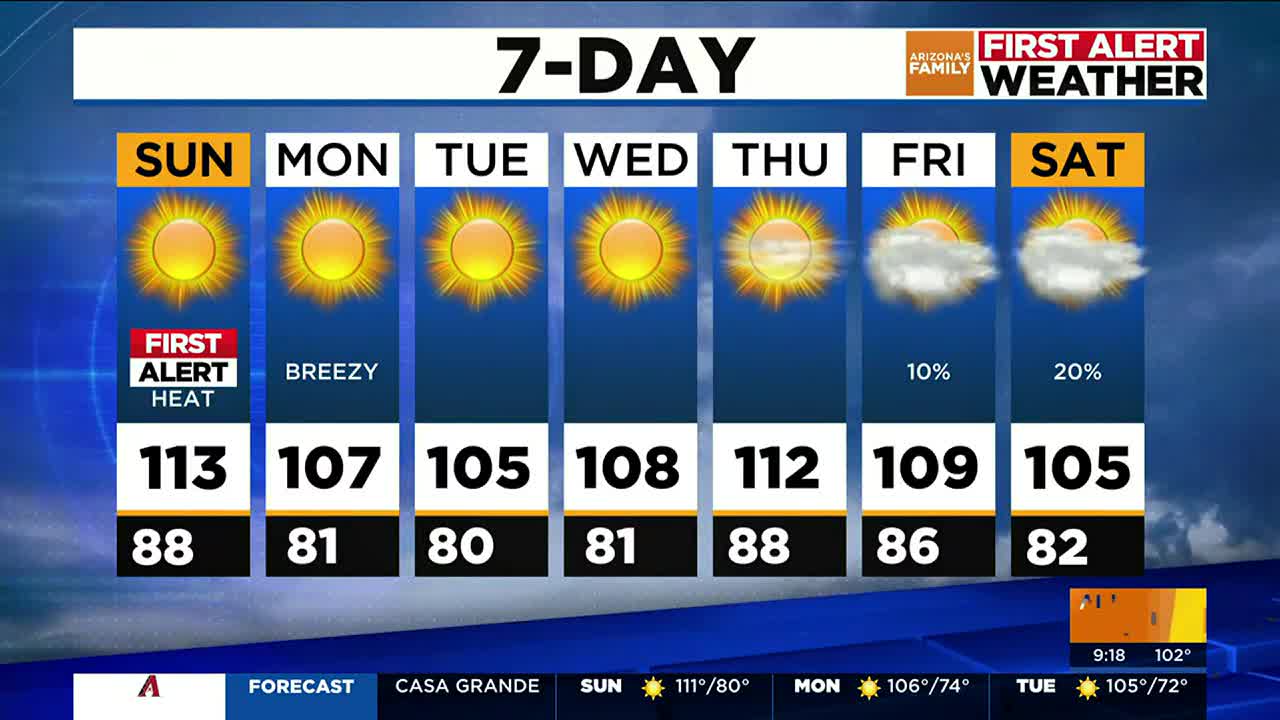
Understanding the current temperature in Phoenix, Arizona, is far more than just a fleeting weather update for a traveler; it’s a critical piece of information that shapes an entire travel experience. The Valley of the Sun, as Phoenix is affectionately known, boasts a unique Sonoran Desert climate that profoundly influences everything from packing choices and daily itineraries to activity selection and even dining preferences. While a precise real-time temperature fluctuates constantly, understanding the typical climate patterns, especially for the time of your visit, is paramount for a successful and enjoyable trip. This article delves into the nuances of Phoenix’s weather, offering insights and actionable advice for travelers to fully embrace this vibrant desert metropolis, regardless of what the thermometer reads.
Deciphering Phoenix’s Unique Desert Climate for Travelers
Phoenix’s identity is inextricably linked to its desert environment, characterized by abundant sunshine, minimal precipitation, and significant temperature swings between day and night. For first-time visitors, this climate can be a revelation, offering crisp, clear skies for much of the year but also presenting unique challenges, particularly during the hotter months.
The Dynamics of Dry Heat: What Travelers Should Know
Unlike humid climates where high temperatures feel oppressive and sticky, Phoenix’s dry heat behaves differently. While temperatures can soar, especially from May through September, the low humidity allows the body’s natural cooling mechanism (sweat evaporation) to work more efficiently. This means 100°F (38°C) in Phoenix might feel less stifling than 90°F (32°C) in a humid locale. However, this sensation can be deceptive, as dehydration and sun exposure remain serious concerns. Travelers should always remember that the lack of humidity does not negate the need for rigorous hydration and sun protection. The intense solar radiation, even on cooler days, necessitates hats, sunglasses, and high-SPF sunscreen. Understanding this “dry heat” phenomenon is key to mentally and physically preparing for a visit.
Seasonal Variations: Crafting Your Ideal Phoenix Itinerary
The best time to visit Phoenix largely depends on the type of experience you seek, as each season brings its own climatic personality:
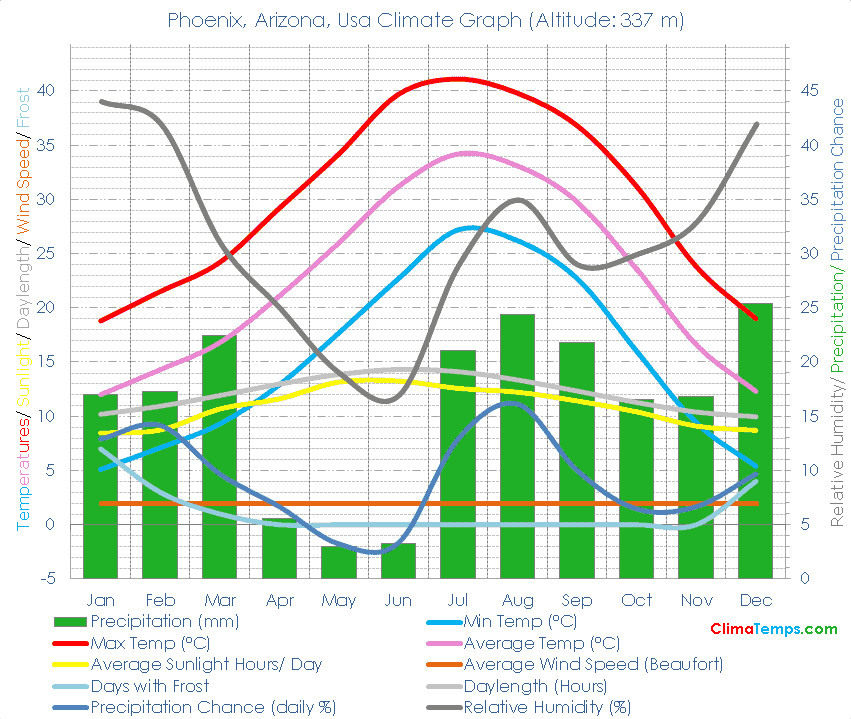
- Winter (December – February): This is Phoenix’s peak tourist season, and for good reason. Temperatures are comfortably cool to mild, typically ranging from the low 40s°F (4-7°C) at night to the mid-60s or low 70s°F (18-24°C) during the day. This weather is ideal for outdoor activities like hiking Camelback Mountain or exploring the Desert Botanical Garden. Expect clear skies and pleasant breezes, but also higher prices and more crowded attractions.
- Spring (March – May): A glorious period, with temperatures steadily climbing from the 70s°F (21-26°C) in March to the 90s°F (32-37°C) by May. Spring offers beautiful desert blooms, making it perfect for scenic drives and enjoying the last of the truly comfortable outdoor weather before summer sets in. Early spring is still bustling, while late spring sees a slight dip in crowds as temperatures rise.
- Summer (June – September): This is Phoenix’s “off-season,” but it offers incredible value for budget-conscious travelers. Daytime temperatures consistently exceed 100°F (38°C), often reaching 110°F (43°C) or higher. Nights remain warm, typically in the 80s°F (27-32°C). While intense, summer in Phoenix isn’t without its charms, especially if you plan activities for early mornings, late evenings, or indoors. Monsoons, bringing dramatic thunderstorms and brief, intense downpours, typically occur from July through September, offering a spectacular natural display.
- Fall (October – November): A sweet spot for many, as the scorching summer heat begins to subside. October still sees temperatures in the 90s°F (32-37°C), but November brings a pleasant return to the 70s and 80s°F (21-32°C). This season offers comfortable outdoor recreation, fewer crowds than winter, and a beautiful golden light across the desert landscape.
Strategizing Your Activities Around Phoenix’s Thermometer
Knowing what to expect from Phoenix’s climate allows travelers to craft a dynamic itinerary that maximizes enjoyment and minimizes discomfort. Each season demands a different approach to daily planning.
Embracing the Summer Heat: Indoor Escapes and Early Morning Adventures
When the mercury climbs, smart travelers adapt. Summer in Phoenix is prime time for indoor attractions. The Heard Museum offers a fascinating journey into Native American art and culture, while the Musical Instrument Museum provides an immersive global musical experience, both offering welcome air-conditioned comfort. Upscale shopping centers like Scottsdale Fashion Square provide refuge and retail therapy.
For outdoor enthusiasts, summer means embracing the early morning or late evening. Many hiking trails, such as those in Papago Park, are best tackled at sunrise when temperatures are significantly cooler. Water parks like Big Surf or resort pools in Scottsdale and Tempe become essential havens for cooling off. Don’t overlook float trips down the Salt River or boat rentals at Lake Pleasant Regional Park for refreshing water-based fun.
Capitalizing on Cooler Seasons: Outdoor Exploration and Festive Events
The cooler months of fall, winter, and spring are tailor-made for Phoenix’s renowned outdoor lifestyle. This is the ideal time for challenging hikes up Camelback Mountain or South Mountain Park and Preserve, offering panoramic views of the Valley. Golfers flock to championship courses like TPC Scottsdale or We-Ko-Pa Golf Club, basking in perfect playing conditions.
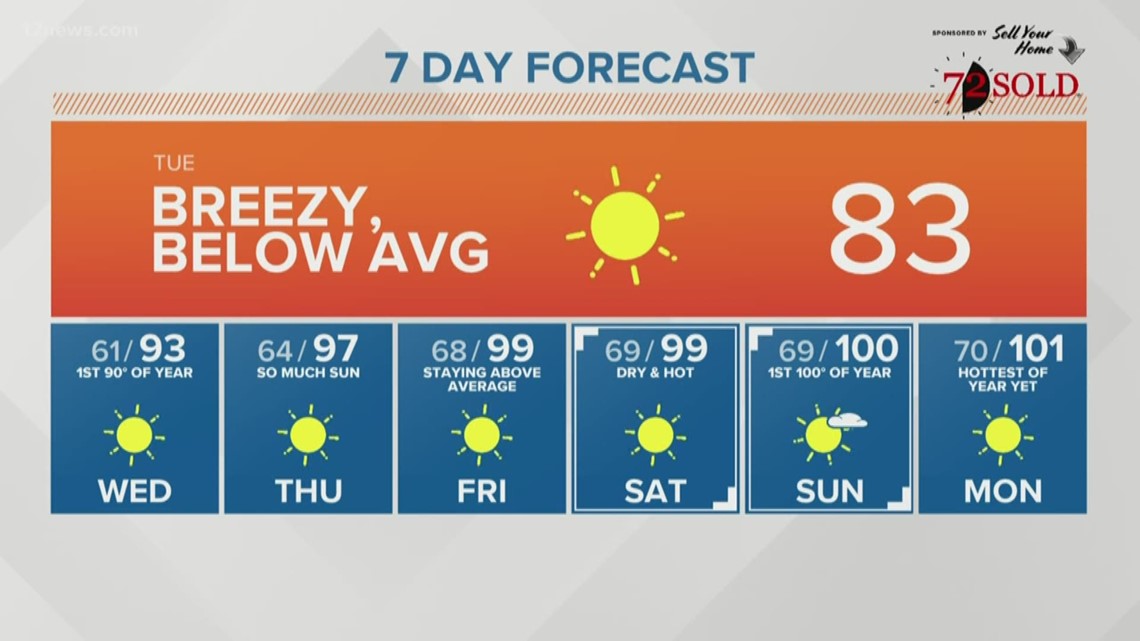
Festivals and outdoor events thrive during this period. From the Scottsdale Arabian Horse Show to spring training baseball for MLB teams, the calendar is packed with activities best enjoyed under sunny, mild skies. Evenings in these seasons are perfect for al fresco dining on restaurant patios, enjoying the crisp desert air. Day trips to nearby attractions like Sedona or even the Grand Canyon become much more comfortable options.
Essential Packing and Preparation for Phoenix Weather
Regardless of the season, packing smart and preparing adequately can significantly enhance your Phoenix travel experience. The desert environment demands a specific approach to wardrobe, hydration, and overall readiness.
Dressing for Desert Comfort and Protection
Layers are your best friend in Phoenix. Even in summer, evenings can bring a welcome drop in temperature, making a light jacket useful. In winter, mornings are chilly, necessitating warmer layers that can be shed by midday. Prioritize breathable, moisture-wicking fabrics like cotton or linen. Long sleeves and pants, even in summer, offer crucial protection from the intense sun.
Sun protection is non-negotiable year-round. Pack a wide-brimmed hat, high-quality sunglasses, and broad-spectrum sunscreen with a high SPF. Consider UPF (Ultraviolet Protection Factor) clothing for extended outdoor activities. Comfortable, closed-toe walking shoes are essential for exploring trails or even city streets.
Prioritizing Hydration and Health in the Dry Climate
Dehydration is a constant risk in the desert. Carry a reusable water bottle and refill it frequently. Many attractions and public spaces offer water fountains or refill stations. Electrolyte-rich drinks can also be beneficial, especially during strenuous activities in the heat. Avoid excessive alcohol and sugary drinks, as they can contribute to dehydration. Listen to your body and take breaks in the shade. Children and older adults are particularly vulnerable to heat-related illnesses, so monitor them closely.
For those planning to rent a car at Phoenix Sky Harbor International Airport, consider the benefits of air conditioning and try to park in shaded areas or use sun shades to keep the interior cooler. Always check local weather forecasts just before and during your trip, as conditions can change.
Beyond the Thermometer: Embracing Phoenix’s Climate and Culture
While temperature is a primary consideration, it’s just one facet of what makes Phoenix a captivating destination. The city and its surrounding areas offer a rich tapestry of experiences that seamlessly blend its natural desert environment with a vibrant urban culture.
Desert Flora, Fauna, and Architectural Marvels
The Sonoran Desert itself is an attraction, teeming with unique plant life like the iconic Saguaro cactus, and diverse wildlife. Early morning walks or visits to places like the Desert Botanical Garden (best in cooler months, or early morning in summer) offer a chance to appreciate this remarkable ecosystem. Architectural enthusiasts will also find delight in Taliesin West, Frank Lloyd Wright’s winter home and architectural school, a stunning example of desert-adapted design.
Culinary Delights and Vibrant Downtown Life
Phoenix’s culinary scene thrives year-round. From upscale dining in Scottsdale to innovative Southwestern cuisine and casual eateries in downtown Phoenix, there’s something for every palate. Many restaurants offer misters on their patios during warmer months, allowing for outdoor dining even when it’s warm. The city’s museums, art galleries, and performance venues provide excellent air-conditioned entertainment options. Furthermore, areas like Tempe, home to Arizona State University, offer a lively atmosphere with unique shops and diverse dining.
In conclusion, while the question “What is the current temperature in Phoenix, Arizona?” is simple, its implications for a traveler are profound. By understanding Phoenix’s unique desert climate, preparing adequately, and strategically planning activities, visitors can transform what might seem like a challenging environment into an unforgettable adventure. Whether you’re chasing winter sunshine, seeking summer value, or enjoying the idyllic shoulder seasons, Phoenix promises a wealth of experiences waiting to be discovered under its expansive, often sunny, skies.
LifeOutOfTheBox is a participant in the Amazon Services LLC Associates Program, an affiliate advertising program designed to provide a means for sites to earn advertising fees by advertising and linking to Amazon.com. Amazon, the Amazon logo, AmazonSupply, and the AmazonSupply logo are trademarks of Amazon.com, Inc. or its affiliates. As an Amazon Associate we earn affiliate commissions from qualifying purchases.