
Planning a trip to Sedona, Arizona involves more than just selecting awe-inspiring trails and booking charming accommodations; understanding the region’s unique climate is paramount for an unforgettable travel experience. Nestled amidst breathtaking red rock formations, Sedona offers a distinct high desert climate that promises four magnificent seasons, each with its own charm and set of considerations for visitors. From sun-drenched summers to mild, occasionally snowy winters, the weather significantly dictates what activities are enjoyable, what to pack, and ultimately, the best time for your personal adventure. This guide delves deep into Sedona’s weather patterns, empowering you to plan your journey with confidence and make the most of this enchanting Arizona gem.

Sedona’s Climate: A High Desert Oasis with Distinct Seasons
Sedona is celebrated for its stunning natural beauty, characterized by vibrant red sandstone formations and lush vegetation that thrives in its unique environment. Situated at an elevation of approximately 4,500 feet above sea level, Sedona enjoys a high desert climate, a significant departure from the scorching low desert temperatures found in cities like Phoenix to the south. This elevation grants Sedona cooler temperatures, particularly during the summer months, and allows for more defined seasonal changes, including the occasional snowfall in winter. The relatively mild climate throughout much of the year makes it an attractive destination for outdoor enthusiasts seeking year-round adventure. However, each season brings its own weather nuances that warrant careful consideration for optimal trip planning.
The High Desert Advantage
The term “high desert” perfectly encapsulates Sedona’s climatic characteristics. Unlike the extreme heat associated with lower desert elevations, Sedona benefits from a significant temperature differential between day and night, even during the warmest months. Daytime temperatures can be warm and sunny, ideal for exploring the vast network of hiking trails, while evenings often cool down considerably, providing a refreshing respite. This diurnal temperature swing is a blessing for travelers, allowing for comfortable outdoor activities in the morning and late afternoon, and pleasant evenings for dining and stargazing. The air is typically dry, contributing to the perceived comfort even when temperatures rise. This unique microclimate is a key factor in Sedona’s popularity as a year-round travel destination, offering a more temperate alternative to other desert locales.
Understanding Seasonal Variations
While Sedona generally boasts abundant sunshine throughout the year, with an average of over 300 sunny days, its four seasons are distinct and influence travel experiences considerably. Spring brings pleasant warmth, blooming wildflowers, and clear skies, making it a peak season for visitors. Summers are hot but manageable, often accompanied by the dramatic monsoon season in July and August, which brings short, intense thunderstorms. Autumn ushers in crisp air, golden foliage, and ideal hiking conditions, making it another highly sought-after time to visit. Winters are mild compared to many parts of the country, with daytime temperatures that are often comfortable for hiking, though nights can drop below freezing, and light snow is not uncommon, especially at higher elevations around Sedona and in nearby Oak Creek Canyon. Understanding these variations is essential for packing appropriately and aligning your visit with your preferred activities.
Spring in Sedona: Mild & Magnificent
Spring in Sedona, generally spanning from March through May, is often hailed as one of the most idyllic times to visit. The crisp, clean air, blooming wildflowers, and consistently pleasant temperatures create an inviting atmosphere for exploration and relaxation alike. As winter’s chill recedes, the landscape awakens with vibrant colors, from the delicate hues of desert flora to the deep greens of juniper and pine trees against the iconic red rocks. This period sees a significant influx of travelers eager to capitalize on the near-perfect weather conditions before the onset of summer’s heat. The sense of renewal in the air, combined with the comfortable climate, makes spring an ideal choice for first-time visitors and seasoned Sedona enthusiasts alike.
Perfect Temperatures for Outdoor Exploration
During spring, average daytime high temperatures in Sedona typically range from the mid-60s Fahrenheit (around 18-20°C) in early March, steadily climbing to the low 80s Fahrenheit (around 27-28°C) by late May. Nighttime lows are comfortably cool, usually in the 40s and 50s Fahrenheit (4-15°C), ensuring pleasant evenings. The abundant sunshine, coupled with low humidity, creates an environment that is perfectly conducive to a wide array of outdoor activities. Hiking, mountain biking, and rock climbing are particularly popular, as the trails are typically dry and the sun is warm without being oppressive. Exploring famous spots like Airport Mesa, Cathedral Rock, or Boynton Canyon becomes an even more delightful experience under these conditions, allowing travelers to fully immerse themselves in the natural grandeur of Red Rock Country.
Packing Essentials for Spring
Given the variable yet generally mild nature of Sedona’s spring weather, layering is key. For daytime adventures, lightweight, breathable clothing such as quick-dry shirts, shorts, or convertible pants are advisable. However, as evenings can still be cool, especially in early spring, packing a light jacket, a fleece, or a sweater is essential. Comfortable hiking boots with good ankle support are a must for traversing the rugged terrain. Don’t forget sun protection: a wide-brimmed hat, sunglasses, and high-SPF sunscreen are indispensable regardless of the season due to Sedona’s high elevation and intense sun exposure. While rainfall is generally low in spring, an umbrella or a light rain jacket could be useful for unexpected, brief showers. Staying hydrated is also crucial, so carrying a reusable water bottle is always a good idea when exploring.
Summer in Sedona: Warm Days, Cooler Nights
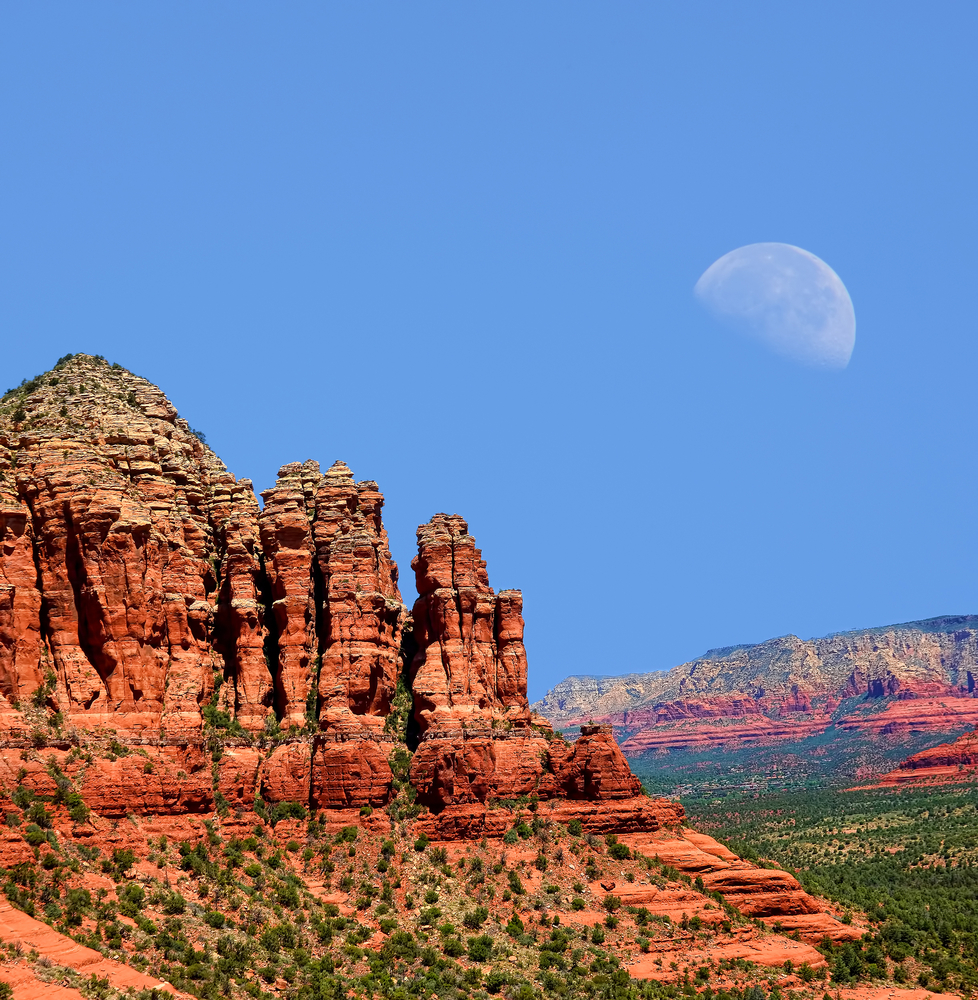
Summer in Sedona, from June through August, offers a different kind of beauty and experience. While temperatures do rise considerably, the high desert climate prevents the extreme, stifling heat found in lower elevations, and the evening cool-down remains a welcome feature. This season is characterized by long, sunny days perfect for early morning adventures and late afternoon explorations, allowing for a relaxed pace during the midday heat. It’s also the time of the dramatic monsoon season, which adds an exciting and refreshing element to the Sedona summer, transforming the landscape with sudden downpours and vibrant, post-rain colors. For travelers who don’t mind warmth and enjoy the possibility of dynamic weather, summer can be a rewarding time to visit, often with fewer crowds than the peak spring and fall seasons.
Navigating the Monsoon Season
The Arizona monsoon season typically runs from mid-June through September, with July and August being the most active months in Sedona. This phenomenon brings intense, albeit usually brief, thunderstorms that often occur in the late afternoon or early evening. These storms are characterized by heavy rain, lightning, and strong winds, and they can significantly impact outdoor plans. Flash flooding in washes and low-lying areas is a serious concern during the monsoon, making it crucial to monitor weather forecasts and avoid hiking in canyons or near dry creek beds during and immediately after heavy rains. Despite these precautions, the monsoon storms are a spectacle, clearing the air, cooling temperatures, and creating breathtaking photographic opportunities with dramatic cloudscapes and vivid sunsets. Planning activities for the mornings ensures you can enjoy the trails before the typical afternoon storm development.
Best Summer Activities and Hydration Tips
With average daytime temperatures ranging from the mid-90s Fahrenheit (35-37°C) in July and August, and evening lows in the 60s Fahrenheit (15-20°C), adapting your activity schedule is key to enjoying Sedona in the summer. Early morning hikes, starting at dawn, are highly recommended to beat the heat. Water activities become especially appealing, with popular spots like Slide Rock State Park and the swimming holes along Oak Creek Canyon offering refreshing escapes. Indoor activities, such as exploring Sedona’s art galleries, shops, and spiritual centers, provide a cool alternative during the hottest parts of the day. Hydration is paramount in the summer heat. Travelers should carry ample water – more than they think they’ll need – and drink frequently, even if not feeling thirsty. Electrolyte drinks can also be beneficial. Light-colored, loose-fitting clothing and broad-brimmed hats are essential for sun protection.
Autumn in Sedona: Crisp Air and Vivid Hues
Autumn, spanning from September through November, is another prime time to experience the unparalleled beauty of Sedona. As the intense summer heat begins to wane, the weather transitions into a glorious period of mild temperatures, clear skies, and vibrant fall foliage, particularly noticeable in the riparian areas of Oak Creek Canyon. This season offers a perfect blend of comfortable weather for outdoor activities and stunning visual appeal, making it a favorite for photographers, hikers, and those seeking to immerse themselves in Sedona’s natural splendor without the high summer temperatures or the chill of winter. The air becomes noticeably crisper, carrying the scent of pine and earth, enhancing the sensory experience of the Red Rock Country.
Ideal Conditions for Hiking and Scenery
During the fall months, average daytime high temperatures range from the comfortable mid-80s Fahrenheit (around 28-30°C) in September, gradually cooling to the pleasant 60s Fahrenheit (15-20°C) by November. Nighttime lows vary from the 50s to the 30s Fahrenheit (10-0°C) as the season progresses, hinting at the approaching winter. These moderate temperatures are perfect for embarking on longer hikes, exploring less-traveled trails, and enjoying the numerous scenic overlooks without the intensity of summer sun. The changing leaves, especially the cottonwoods and maples in Oak Creek Canyon, provide a spectacular contrast to the red rocks, adding another layer of visual interest to the already stunning landscape. This period is also excellent for photography, with softer light and often dramatic cloud formations, particularly after any lingering monsoon moisture.
Preparing for Cooler Evenings
While daytime temperatures in autumn are incredibly inviting, the evenings can become quite cool, especially as November approaches. Therefore, layering remains the golden rule for packing. During the day, comfortable hiking attire similar to spring (breathable layers) will suffice. However, a warm fleece, a heavier jacket, and perhaps a hat and gloves become essential for early morning starts, late afternoon excursions, and evenings spent outdoors. Consider packing a windbreaker, as autumn breezes can add to the chill. Footwear should still prioritize comfort and support for hiking, but you might opt for slightly warmer socks. Rainfall is generally low in the fall, making it a reliable season for outdoor plans. However, always check the forecast before heading out, especially for higher elevation treks, as mountain weather can be unpredictable. Autumn’s stable and enjoyable weather makes it a highly desirable time to experience the unique charm of Sedona.
Winter in Sedona: Mild and Occasionally Snowy
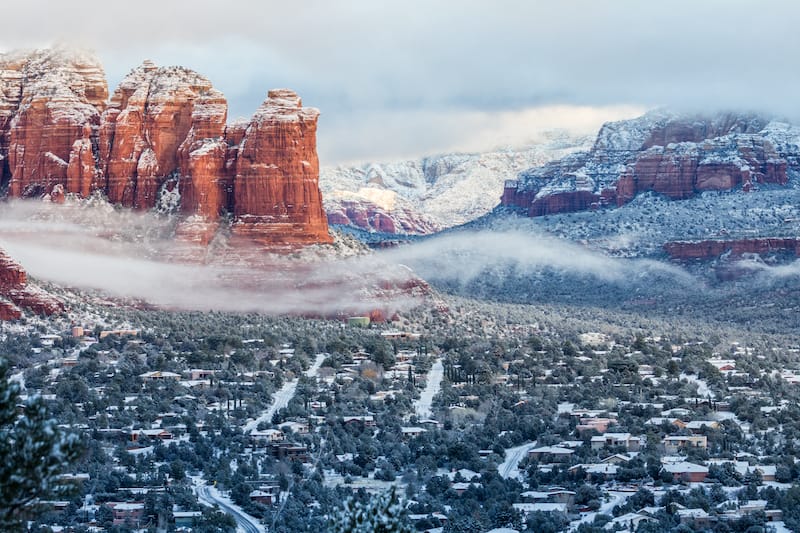
Winter in Sedona, typically from December through February, presents a surprisingly mild and often serene experience, a stark contrast to the harsh winters found in many other parts of the United States. While Sedona does experience cold temperatures and occasional snowfall, particularly at higher elevations, the bright sunshine often keeps daytime conditions pleasant enough for outdoor activities. The crisp, clean air and the relative quiet that descends upon the area, often with fewer crowds than other seasons, offer a unique opportunity for contemplation and deep connection with the natural world. Seeing the iconic red rocks dusted with a blanket of white snow is a truly magical and unforgettable sight, transforming the already spectacular landscape into a winter wonderland.
Enjoying the Winter Serenity
Average daytime high temperatures in Sedona during winter range from the mid-50s to low 60s Fahrenheit (around 10-17°C), while nighttime lows often drop below freezing, typically in the 20s and 30s Fahrenheit (-5 to 0°C). Snowfall, when it occurs, is usually light and melts quickly on the lower elevations, though it can linger longer on the higher peaks and in shaded areas. The occasional snow transforms the red rock landscape into a breathtaking tableau, offering stunning photographic opportunities and a unique hiking experience. Many popular trails remain accessible, but it’s important to be aware of potentially icy patches in shaded areas or on north-facing slopes. This season is perfect for those seeking tranquility, spiritual retreats, and the opportunity to see Sedona’s beauty with a pristine, often snow-kissed, backdrop.
Gear for Cold Weather Adventures
To comfortably enjoy [Sedona](https://lifeoutofthebox.com/sedona]’s winter, smart packing is essential. Layers are, once again, your best friend. Start with a moisture-wicking base layer, add insulating layers like fleece or wool, and top with a waterproof and windproof outer shell. A warm hat, gloves or mittens, and a scarf are crucial for protecting against the cold, especially in the mornings and evenings. For footwear, waterproof hiking boots with good traction are highly recommended, particularly if there’s a chance of snow or ice on the trails. Carrying microspikes or trekking poles can also be beneficial for added stability on slick surfaces. While the sun is often out, UV protection is still important due to the higher elevation and reflective snow, so don’t forget sunglasses and sunscreen. Although less frequent, winter precipitation can occur, so a rain-resistant jacket is a wise inclusion. With the right gear, Sedona’s winter offers a peaceful and uniquely beautiful travel experience.
LifeOutOfTheBox is a participant in the Amazon Services LLC Associates Program, an affiliate advertising program designed to provide a means for sites to earn advertising fees by advertising and linking to Amazon.com. Amazon, the Amazon logo, AmazonSupply, and the AmazonSupply logo are trademarks of Amazon.com, Inc. or its affiliates. As an Amazon Associate we earn affiliate commissions from qualifying purchases.