
Planning a trip to Tucson, Arizona often involves more than just booking flights and hotels; it requires a foundational understanding of the local time. While seemingly a minor detail, knowing the precise time in Tucson and, more broadly, Arizona, is crucial for seamless travel. This unique aspect of Arizona’s timekeeping can be a source of confusion for first-time visitors, but mastering it ensures you arrive rested, on schedule, and ready to explore everything this vibrant desert city has to offer. From coordinating arrival times to planning your daily excursions, understanding the temporal rhythm of Tucson is an essential first step for any savvy traveler. This guide will demystify Arizona’s time zone, provide practical tips for navigating time differences, and help you maximize your stay in the Old Pueblo.
Understanding Arizona’s Unique Time Zone Status
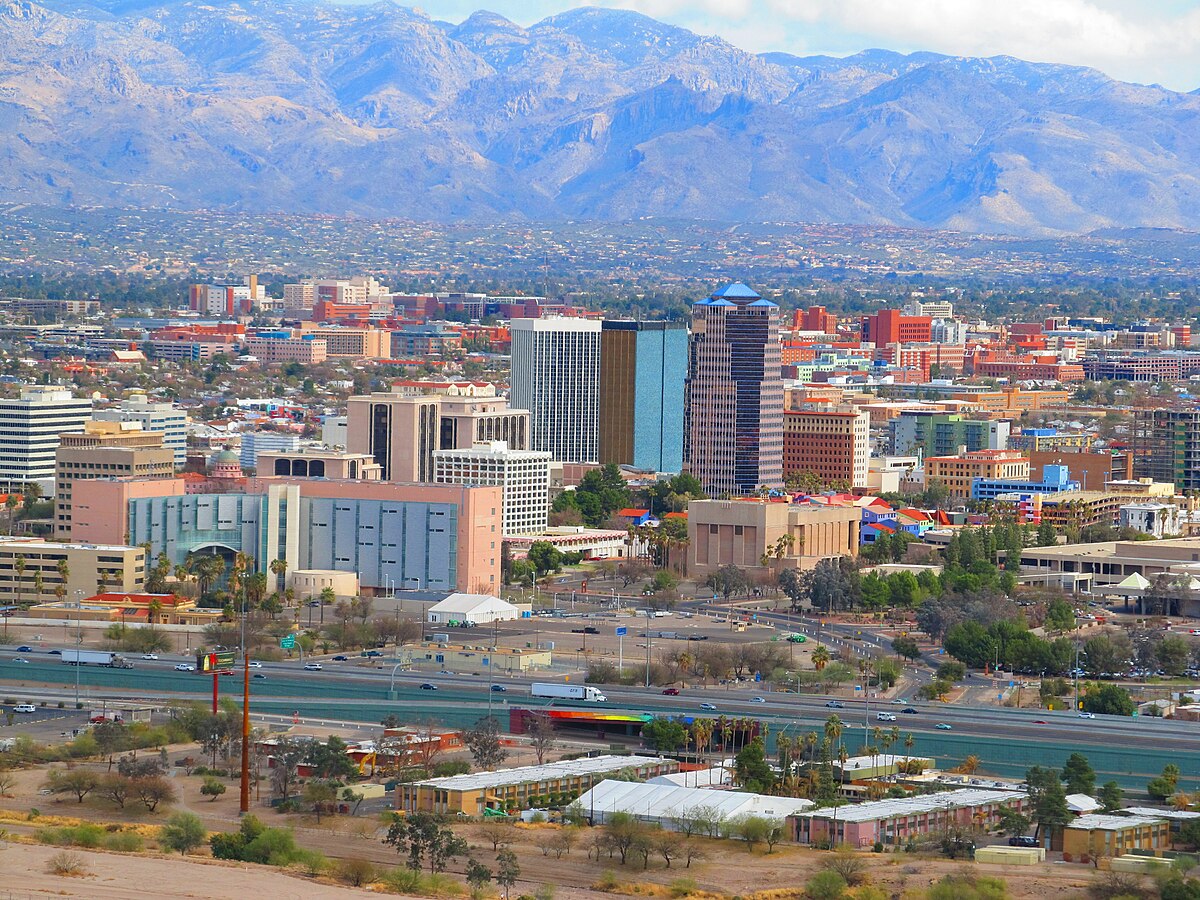
Arizona holds a distinctive position on the North American time map, a characteristic that frequently catches travelers off guard. Unlike most of the contiguous United States, the Grand Canyon State largely opts out of Daylight Saving Time (DST). This singular approach has significant implications for visitors, as it means the time in Arizona relative to other states can shift twice a year. Therefore, knowing what time it is in Tucson isn’t just about identifying its base time zone, but also understanding its consistent stance on DST, which simplifies travel planning for many yet requires careful attention during certain months.
The Mountain Standard Time (MST) Constant
For the vast majority of the year, Tucson operates on Mountain Standard Time (MST). This means that its clocks align with the standard time for the Mountain Time Zone. MST is seven hours behind Coordinated Universal Time (UTC-7). This consistency is a blessing for residents and a straightforward piece of information for travelers during the autumn and winter months. When other states in the Mountain Time Zone, such as Colorado or Utah, switch to Mountain Daylight Time (MDT), Tucson remains steadfastly on MST. This non-participation in DST is the cornerstone of Arizona’s unique temporal identity, providing a stable clock that travelers can rely on during those periods.
Dispelling Daylight Saving Time Myths in Arizona
The most common point of confusion for those visiting Arizona stems from its decision regarding Daylight Saving Time. While almost all other U.S. states adjust their clocks forward an hour in spring and back an hour in fall, Arizona generally does not. The primary exception to this rule is the Navajo Nation, a large tribal reservation that does observe DST to maintain consistency with the surrounding states that do. However, Tucson itself, along with the rest of Pima County and most of Arizona, consistently stays on MST year-round. This means that from March to November, when most of the Mountain Time Zone shifts to MDT (UTC-6), Tucson effectively aligns with Pacific Daylight Time (PDT) (UTC-7), which is observed in states like California and Nevada. Understanding this distinction is paramount for travelers, as it dictates your time difference calculations for roughly eight months of the year.
Historical Context of Arizona’s Time Zone Decision
Arizona’s decision to forgo Daylight Saving Time is rooted in practical considerations, primarily its desert climate. The intense summer heat means that daylight extends well into the evening hours naturally. Shifting clocks forward would only prolong the hottest part of the day, making evening activities, work, and even sleep less comfortable and increasing energy consumption for air conditioning. The state legislature determined that an extra hour of daylight in the evening during the summer months was not only unnecessary but also inconvenient for its residents. This historical decision, made official in the 1960s, has shaped the temporal landscape of Tucson and the entire state, creating a rhythm that is intrinsically tied to the natural desert environment and its unique challenges and charms.
Practical Implications for Travelers to Tucson
Understanding Tucson’s time zone isn’t merely an academic exercise; it has very real and practical implications for travelers. From the moment you begin planning your journey to your daily activities within the city, knowing how Arizona’s time operates will profoundly influence your experience. Miscalculations can lead to missed flights, inconvenient scheduling, and unnecessary stress. By proactively accounting for Tucson’s unique time status, visitors can ensure a smooth, enjoyable, and well-coordinated trip, allowing them to fully immerse themselves in the local culture and attractions without a hitch.
Planning Flights and Transportation Logistics
One of the most critical aspects affected by time zone differences is travel logistics, particularly flights and ground transportation. When booking flights to Tucson International Airport, always pay close attention to the arrival and departure times listed in relation to the local time zone of each location. During the spring and summer months (when DST is observed elsewhere), a flight from Los Angeles (PDT) to Tucson (MST) will effectively be arriving at the same time, as both are UTC-7. However, a flight from Denver (MDT, UTC-6) will arrive an hour earlier in Tucson (MST, UTC-7). Always confirm with your airline and check a reliable world clock for real-time comparisons. Similarly, if you’re renting a car or arranging for shuttle services, clearly communicate your arrival time in Tucson local time to avoid any misunderstandings with your providers. This meticulous approach prevents early arrivals to closed rental desks or late pick-ups, ensuring your journey starts on the right foot.
Coordinating Business and Personal Calls
For travelers who need to stay connected for work or personal reasons, the time difference can be particularly tricky. If you’re calling colleagues on the East Coast (e.g., New York City or Washington D.C.) during DST, they will be three hours ahead of Tucson (EDT vs. MST). In the winter, when they revert to Eastern Standard Time (EST), they will be two hours ahead of Tucson. Similarly, someone in Chicago (CDT during DST) will be two hours ahead, while during CST they will be one hour ahead. Keeping a world clock app handy on your phone is highly recommended to easily visualize these shifts. Before scheduling important calls or virtual meetings, always double-check the current time in both your location and the recipient’s location to avoid inconvenient timings or missed connections. This small effort can significantly enhance your communication efficiency and prevent disruptions to your Tucson itinerary.
Adapting to Local Schedules and Activities
Beyond formal appointments, the local time impacts the rhythm of daily life in Tucson. Attractions like Saguaro National Park, the Arizona-Sonora Desert Museum, or Mission San Xavier del Bac will operate on Tucson’s local time. Understanding this helps in planning your visits, especially if you’re traveling from a time zone that has recently shifted. For example, during summer months, when Tucson is effectively on PDT, an early morning start from the East Coast might feel like the middle of the night, potentially affecting your energy levels for hiking or exploring. Restaurants, shops, and tour operators will all adhere to MST year-round. Being mindful of this ensures you don’t show up too early or too late for reservations, guided tours to Mount Lemmon, or events at the University of Arizona. Embracing the local time from the outset will allow for a more relaxed and fulfilling exploration of all that Tucson has to offer.
Navigating Time Differences from Major U.S. Cities
For travelers coming from across the United States, the time in Tucson will present varying degrees of difference. These differences are consistent during the winter months when most states revert to Standard Time but become more dynamic during Daylight Saving Time, which Tucson does not observe. A clear understanding of these shifts is key to effective travel planning and smooth transitions, reducing the likelihood of jet lag and ensuring you’re punctual for all your planned activities.
East Coast vs. Tucson: A Dynamic Shift
Travelers from the East Coast, encompassing cities like New York City, Miami in Florida, or Boston, will experience the largest time differential. During standard time (roughly November to March), when the East Coast is on Eastern Standard Time (EST), Tucson (MST) will be two hours behind. So, 10 AM EST is 8 AM MST in Tucson. However, the dynamic shift occurs during Daylight Saving Time (roughly March to November). When the East Coast switches to Eastern Daylight Time (EDT), it moves three hours ahead of Tucson’s unwavering MST. This means 10 AM EDT in New York becomes 7 AM MST in Tucson. This larger gap requires careful attention, especially for early morning flights or scheduled calls, as it can significantly impact your perceived start to the day.
Central and Mountain Time Zones: Closer but Still Distinct
Visitors from the Central Time Zone, including cities like Chicago or Dallas in Texas, will encounter a simpler, though still important, difference. During standard time, the Central Time Zone (CST) is one hour ahead of Tucson’s MST. For example, 10 AM CST is 9 AM MST. When the Central Time Zone observes Daylight Saving Time (CDT), it becomes two hours ahead of Tucson’s MST. So, 10 AM CDT translates to 8 AM MST. For those coming from other Mountain Time Zone states that do observe DST, like Colorado (Denver) or New Mexico (Albuquerque), the time difference during DST is also one hour. When they are on Mountain Daylight Time (MDT), they are one hour ahead of Tucson’s MST. During standard time, they align perfectly. This means a direct adjustment, but one that still needs to be acknowledged to avoid minor scheduling errors.
West Coast Travelers: The Simplest Transition
For travelers originating from the West Coast, particularly from states observing Pacific Time like California, Nevada (Las Vegas), or Washington, the transition to Tucson is the most straightforward, especially during Daylight Saving Time. During standard time (roughly November to March), when the West Coast is on Pacific Standard Time (PST), Tucson (MST) is one hour ahead. So, 10 AM PST in Los Angeles is 11 AM MST in Tucson. However, for the majority of the year, when the West Coast shifts to Pacific Daylight Time (PDT), Tucson’s MST perfectly aligns with PDT. This means if it’s 10 AM PDT in Los Angeles, it’s also 10 AM MST in Tucson. This direct alignment simplifies scheduling and minimizes the feeling of jet lag, making travel from the Pacific Ocean states particularly seamless during those months.
Maximizing Your Tucson Experience with Time in Mind
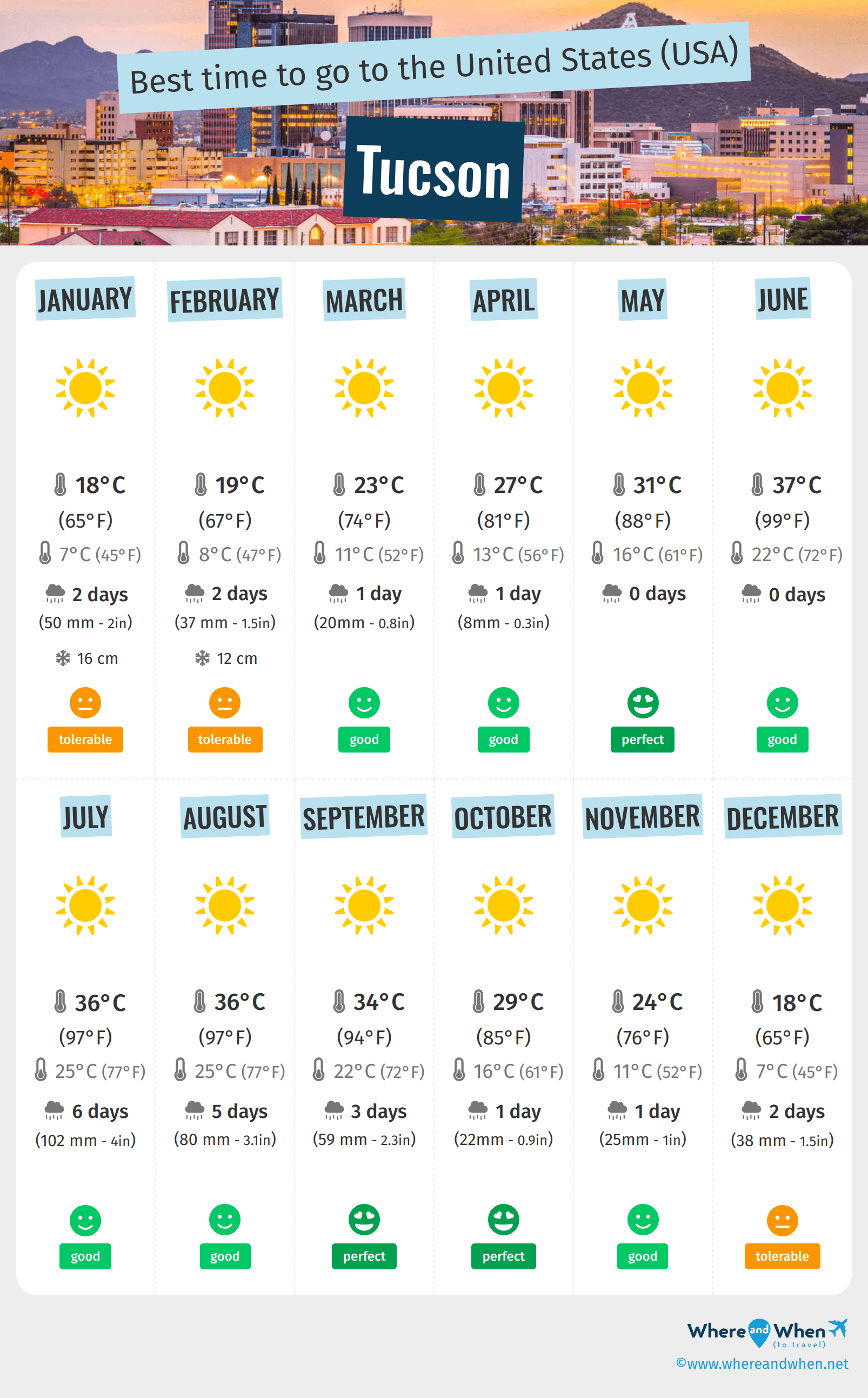
Beyond just avoiding scheduling mishaps, understanding Tucson’s unique time zone can be leveraged to enhance your travel experience. The desert environment dictates certain rhythms, and by planning your activities to align with the sun and local time, you can truly savor the city’s natural beauty and cultural offerings. The lack of Daylight Saving Time means that sunsets and sunrises occur at a more predictable, natural clock time, allowing for easier planning of outdoor adventures and evening leisure.
Early Mornings: Embracing the Desert Sunrise
The desert comes alive with the sunrise, and in Tucson, this spectacle is a must-see. With no DST, sunrises during the summer months still occur at a relatively early clock time, making it easier to catch the breathtaking views without feeling like you’re waking up in the middle of the night. Early mornings are the perfect time to visit outdoor attractions like Saguaro National Park or embark on a hike up Mount Lemmon. The air is cooler, wildlife is more active, and the golden hour light is ideal for photography. Planning to start your day early not only allows you to beat the intense midday heat but also to experience the serene beauty of the Sonoran Desert in its most pristine state. This strategy is especially valuable for those traveling from eastern time zones, as their internal clock might already be geared for an earlier start.
Afternoon Adventures: Optimal Timing for Exploration
Midday in Tucson, especially in warmer months, is best spent indoors or engaged in activities that offer shade. This is when attractions like the Arizona-Sonora Desert Museum, the Pima Air & Space Museum, or exploring the vibrant downtown arts district become ideal. Many museums and indoor historical sites, like Old Tucson Studios, offer air-conditioned comfort and rich educational experiences. By taking a break from the direct sun during the hottest part of the day, you conserve energy and avoid sunburn, ensuring you’re refreshed for later activities. This thoughtful approach to scheduling allows for a comfortable and comprehensive exploration of Tucson’s diverse offerings, moving from natural landscapes to cultural treasures with ease and comfort.
Evenings: Dining and Stargazing Under Arizona Skies
As the sun begins to set, Tucson transforms into a vibrant hub for dining, entertainment, and world-class stargazing. Without Daylight Saving Time, sunsets occur at a consistent clock time relative to the sun’s position, meaning evenings arrive at a predictable hour. This makes it straightforward to plan dinner reservations at local eateries, catch a performance, or simply enjoy a leisurely stroll through neighborhoods like Barrio Viejo. Given Tucson’s reputation for clear skies and its proximity to major observatories, evenings are also prime time for experiencing the wonders of the cosmos. Whether you’re visiting a public observatory or simply finding a spot away from city lights, the ability to predict sunset times reliably makes planning these celestial encounters much simpler, offering a magical end to your desert day.
Beyond the Clock: Adjusting to the Tucson Pace
While understanding the exact time in Tucson is crucial for logistics, truly embracing your visit means also adjusting to the city’s unique pace. The absence of Daylight Saving Time isn’t just a clock setting; it reflects a broader lifestyle that is deeply connected to the natural rhythms of the Sonoran Desert. This alignment with natural light and heat influences everything from local habits to the general demeanor of its residents, creating an environment that invites a more relaxed, yet engaged, form of travel.
Embracing the Desert Rhythm
Life in Tucson often operates on a rhythm dictated by the sun and the desert environment. During the warmer months, locals tend to rise early to accomplish tasks before the heat becomes intense, often taking a siesta or engaging in indoor activities during the hottest part of the afternoon, and then re-emerging in the cooler evenings. This isn’t a strict schedule, but a general flow that visitors will observe and benefit from adopting. Instead of fighting against the heat or rushing through your day, allow yourself to slow down, hydrate frequently, and schedule your outdoor explorations for the cooler parts of the day. This “desert rhythm” allows for a more comfortable and authentic experience, letting you appreciate the beauty of Tucson without feeling rushed or overwhelmed by the elements.

Health and Well-being: Managing Jet Lag (if applicable)
Even without a Daylight Saving Time shift, travelers coming from significantly different time zones might experience some degree of jet lag. The static nature of Tucson’s MST simplifies calculations but doesn’t eliminate the biological challenge of crossing multiple time zones. For those arriving from the East Coast, for instance, a three-hour difference (during EDT) can still impact sleep patterns and energy levels. To mitigate jet lag, try to adjust your sleep schedule gradually before your trip. Once in Tucson, expose yourself to natural light in the mornings, stay hydrated, and try to adhere to local meal and sleep times as quickly as possible. Avoid heavy meals and excessive caffeine or alcohol, especially close to bedtime. By prioritizing your health and well-being and consciously adapting to the local time, you’ll be able to fully enjoy every moment of your exploration of Tucson and its surrounding wonders.
LifeOutOfTheBox is a participant in the Amazon Services LLC Associates Program, an affiliate advertising program designed to provide a means for sites to earn advertising fees by advertising and linking to Amazon.com. Amazon, the Amazon logo, AmazonSupply, and the AmazonSupply logo are trademarks of Amazon.com, Inc. or its affiliates. As an Amazon Associate we earn affiliate commissions from qualifying purchases.