
Nestled high in the San Francisco Peaks of northern Arizona, Flagstaff offers a refreshingly distinct climate compared to the desert landscapes typically associated with the state. For travelers planning a visit, understanding the unique weather patterns of this mountain town is paramount to ensuring a fulfilling and comfortable experience. From snowy winters to cool summers, Flagstaff’s diverse seasons dictate the best activities, necessary packing, and overall rhythm of a trip, making it a destination where the weather itself is a central part of its charm and allure.
Understanding Flagstaff’s Unique Climate for Travelers
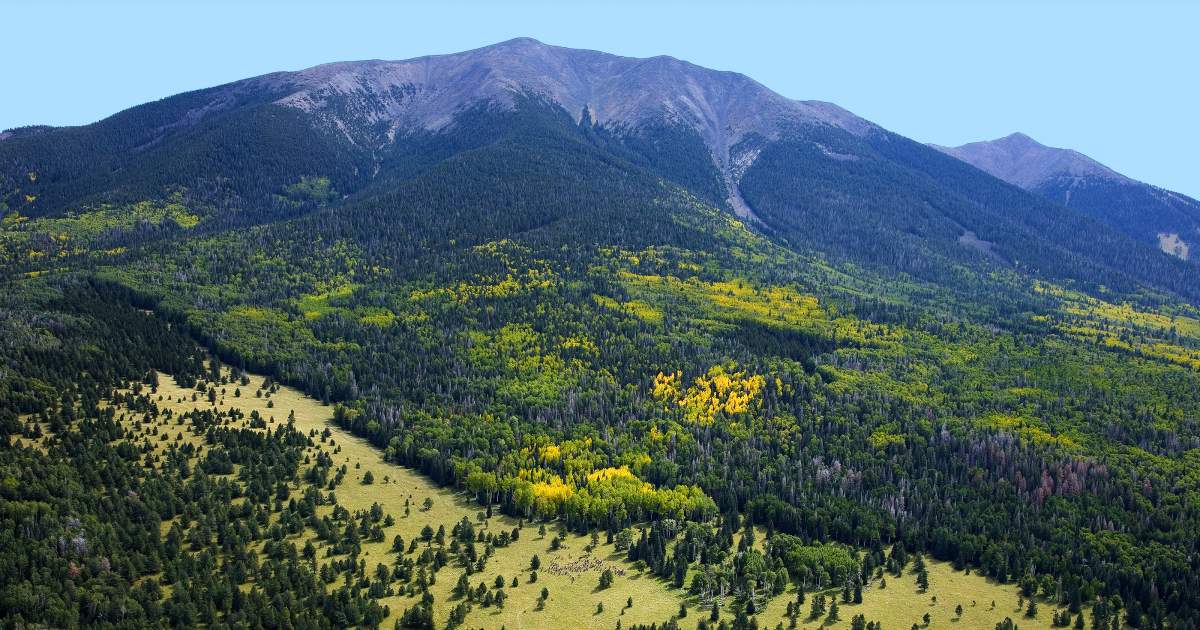
Flagstaff is not your typical Arizona destination. Perched at an elevation of approximately 7,000 feet (2,134 meters), it experiences a four-season climate that stands in stark contrast to the scorching heat of cities like Phoenix or Tucson. This high-altitude setting is the primary driver behind its distinct weather, offering everything from significant snowfall to mild summer days.
High-Altitude Influence and Seasonal Extremes
The elevation of Flagstaff profoundly influences its weather. The air is thinner and typically drier than at lower elevations, which contributes to more intense sun exposure, even on cooler days. This altitude also means temperatures fluctuate more dramatically between day and night, regardless of the season. Winters are characterized by substantial snowfall and freezing temperatures, while summers are pleasantly mild, often drawing visitors seeking respite from the intense heat of lower elevations. The dry climate, with relatively low humidity for much of the year, also means that even when temperatures are high, the heat can feel more tolerable compared to humid climates. However, this dryness also necessitates increased hydration, especially for visitors unaccustomed to such conditions.
Microclimates and Weather Variability
While Flagstaff generally experiences a distinct four-season climate, its proximity to the San Francisco Peaks and varied topography can create subtle microclimates within the broader area. For instance, areas directly at the base of the peaks, or within certain canyons, might experience slightly different precipitation levels or temperature shifts than the main downtown area. This variability, while usually minor, reinforces the importance of checking localized forecasts, especially when planning specific outdoor activities like hiking or skiing in particular spots. Travelers should be prepared for conditions to shift, sometimes quite rapidly, particularly during transitional seasons or monsoon season.
Navigating Flagstaff’s Seasons: A Traveler’s Guide
Each season in Flagstaff offers a unique set of experiences and requires specific preparations. Understanding these seasonal nuances is key to planning a successful trip, whether you’re seeking winter adventures or a cool summer escape.
Winter Wonderland: Snow and Skiing
Typical Season: November to March
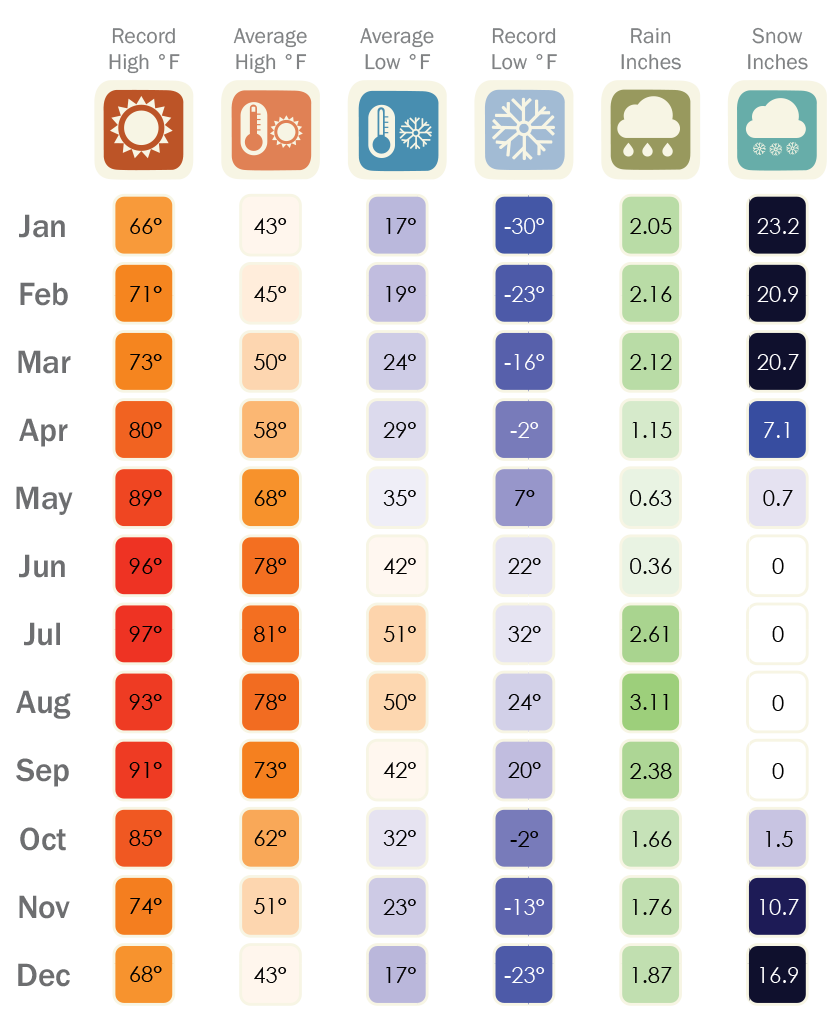
Flagstaff’s winters are legendary for their abundant snowfall, transforming the town into a picturesque winter wonderland. Average annual snowfall often exceeds 100 inches, making it one of the snowiest cities in the United States. Daytime temperatures typically range from the high 20s to low 40s Fahrenheit (-2°C to 7°C), with nights often dipping below freezing.
- Activities: This is prime time for winter sports. Arizona Snowbowl on Mount Humphreys offers fantastic skiing and snowboarding. Cross-country skiing and snowshoeing are popular on groomed trails in the Coconino National Forest. The town also hosts festive holiday events and cozy indoor activities.
- Packing Advice: Essential items include waterproof and insulated outerwear (jacket, pants), warm layers (fleece, wool), waterproof boots, hats, gloves, and scarves. Don’t forget sunglasses to protect against the glare of snow.
Spring’s Awakening: Mild and Breezy
Typical Season: April to May
Spring in Flagstaff is a transitional period, marked by gradually warming temperatures, melting snow, and the emergence of wildflowers. While days can be delightfully mild, evenings remain cool, and late-season snowfalls are not uncommon, especially in April. Daytime highs typically range from the 40s to 60s Fahrenheit (4°C to 18°C), with overnight lows often in the 20s and 30s (-7°C to 4°C). The winds can be brisk during this time.
- Activities: As trails become accessible, hiking and mountain biking start to become popular. It’s a great time to explore downtown Flagstaff on foot, visit local breweries, or take scenic drives as the landscape begins to green.
- Packing Advice: Layers are crucial. Pack a mix of long-sleeved shirts, sweaters, a light jacket or fleece, and perhaps a waterproof windbreaker. Comfortable walking shoes are a must.
Summer Escapes: Cool Mountain Retreats
Typical Season: June to August
Summers in Flagstaff are a major draw, offering a refreshing escape from the oppressive heat that blankets much of Arizona’s lower elevations. Daytime temperatures typically hover in the 70s and low 80s Fahrenheit (21°C to 28°C), with nights cooling down significantly into the 40s and 50s (4°C to 15°C). July and August bring the annual monsoon season, characterized by dramatic afternoon thunderstorms, which often bring heavy rain and lightning.
- Activities: This is prime season for outdoor adventures. Hiking in the San Francisco Peaks, mountain biking, camping, and exploring nearby natural wonders like Grand Canyon National Park, Wupatki National Monument, and Sunset Crater Volcano National Monument are popular. The cooler evenings are perfect for stargazing.
- Packing Advice: Light layers for daytime, a medium-weight jacket or sweater for evenings, and rain gear (a waterproof jacket and umbrella) for monsoon season are essential. Don’t forget sun protection – hats, sunglasses, and high-SPF sunscreen.
Autumn’s Splendor: Fall Foliage and Crisp Air
Typical Season: September to October
Autumn is arguably one of Flagstaff’s most beautiful seasons, renowned for its vibrant fall foliage, especially the golden aspens. The air becomes crisp, and the sun shines brilliantly. Daytime temperatures are usually in the 50s and 60s Fahrenheit (10°C to 18°C), with nights cooling into the 30s and 40s (-1°C to 7°C).
- Activities: Scenic drives and hikes to witness the fall colors are paramount. Popular spots include Aspen Corner and Lockett Meadow. It’s also an excellent time for apple picking at local orchards and enjoying outdoor festivals.
- Packing Advice: Warm layers are a must, including long-sleeved shirts, sweaters, and a substantial jacket. Comfortable walking shoes are ideal for exploring.
Preparing for Flagstaff’s Forecast: Essential Travel Tips
Regardless of the season, a few universal tips will help travelers navigate Flagstaff’s unique climate effectively and ensure a seamless travel experience.
Layering is Key
Due to Flagstaff’s high elevation, temperatures can fluctuate significantly within a single day, and even more dramatically between day and night. Dressing in layers allows travelers to adapt to changing conditions by adding or removing clothing as needed. This is crucial for comfort, whether you’re transitioning from a sunny afternoon hike to a cool evening dinner or experiencing a sudden shift in weather.
Sun Protection at Altitude
The thinner atmosphere at 7,000 feet means that UV radiation is much stronger than at sea level. Even on cloudy days or during cooler months, the sun’s rays can cause sunburn. Always apply high-SPF sunscreen, wear a wide-brimmed hat, and use sunglasses to protect your eyes. Staying in shaded areas during peak sun hours (10 AM to 4 PM) is also advisable.
Hydration Matters
The dry climate and high altitude of Flagstaff can lead to quicker dehydration than travelers might be accustomed to. It’s essential to drink plenty of water throughout the day, even if you don’t feel thirsty. Staying well-hydrated helps prevent altitude sickness symptoms such as headaches, fatigue, and nausea, and generally contributes to a more pleasant visit. Avoid excessive alcohol consumption upon arrival, as it can exacerbate dehydration and altitude effects.
Monitoring Local Weather
While general seasonal patterns provide a good overview, local forecasts can vary. Always check specific Flagstaff weather reports a few days before and during your trip. Reputable weather apps and websites provide up-to-the-minute information, including hourly forecasts, precipitation chances, and wind speeds, which can be invaluable for planning daily activities.
Road Conditions and Travel Alerts
During winter, heavy snowfall can significantly impact road conditions, leading to closures or the need for four-wheel drive vehicles or tire chains, especially on mountain passes. Even during monsoon season, heavy rains can cause localized flash flooding. Travelers should always check Arizona Department of Transportation (ADOT) for current road conditions and any travel advisories, particularly if driving to or through Flagstaff from other parts of Arizona.
Maximizing Your Flagstaff Experience, Rain or Shine
Flagstaff’s weather, while varied, rarely deters visitors from enjoying all the city has to offer. With proper planning and a flexible mindset, you can maximize your experience in any season.
Indoor Activities for Inclement Weather
Should the weather turn unfavorable – a heavy snowstorm, a summer downpour, or an unseasonably cold day – Flagstaff offers numerous indoor alternatives. Explore the fascinating exhibits at the Museum of Northern Arizona, delve into the cosmos at Lowell Observatory (where Pluto was discovered!), or wander through the unique boutiques and art galleries in historic downtown. The city also boasts a burgeoning craft brewery scene, offering warm and inviting spaces to relax. Catch a movie, visit the local library, or enjoy a gourmet meal at one of Flagstaff’s many acclaimed restaurants.

Embracing the Outdoors in Every Season
Despite weather fluctuations, Flagstaff remains an outdoor enthusiast’s paradise year-round. A fresh blanket of snow transforms the forests into a cross-country skiing haven, while a crisp autumn day is perfect for exploring vibrant aspen groves. Even during the summer monsoons, the storms often pass quickly, leaving behind refreshed landscapes and cooler temperatures ideal for afternoon hikes. The key is to be adaptable: if your morning hike plans are thwarted by rain, perhaps an afternoon visit to a museum or a cozy coffee shop is in order, followed by a clear evening stroll. This flexibility ensures that you can fully appreciate Flagstaff’s natural beauty and diverse attractions, regardless of what the skies bring.
In conclusion, the weather in Flagstaff, Arizona is a defining characteristic of this captivating mountain town. Far from being a mere backdrop, it shapes the very essence of a traveler’s journey, influencing everything from the activities available to the attire required. By understanding and preparing for its unique high-altitude climate and distinct seasonal variations, visitors can fully immerse themselves in Flagstaff’s natural splendor and vibrant culture, ensuring a memorable and comfortable adventure, no matter the forecast.
LifeOutOfTheBox is a participant in the Amazon Services LLC Associates Program, an affiliate advertising program designed to provide a means for sites to earn advertising fees by advertising and linking to Amazon.com. Amazon, the Amazon logo, AmazonSupply, and the AmazonSupply logo are trademarks of Amazon.com, Inc. or its affiliates. As an Amazon Associate we earn affiliate commissions from qualifying purchases.