
Colorado, a state celebrated for its majestic Rocky Mountains and an abundance of outdoor adventures, often conjures images of snow-capped peaks and crisp, clean air. For prospective travelers, a crucial question invariably arises: “How cold does Colorado get?” The answer, much like the state’s diverse landscape, is multifaceted. Colorado’s climate is remarkably varied, influenced by its dramatic topography, ranging from high-alpine tundra to arid plains. Understanding these temperature variations is paramount for planning an unforgettable and comfortable journey, whether you’re seeking thrilling ski slopes or tranquil winter escapes. This guide delves into the nuances of Colorado’s cold weather, equipping travelers with the insights needed to navigate its frosty embrace.
Understanding Colorado’s Varied Winter Climate
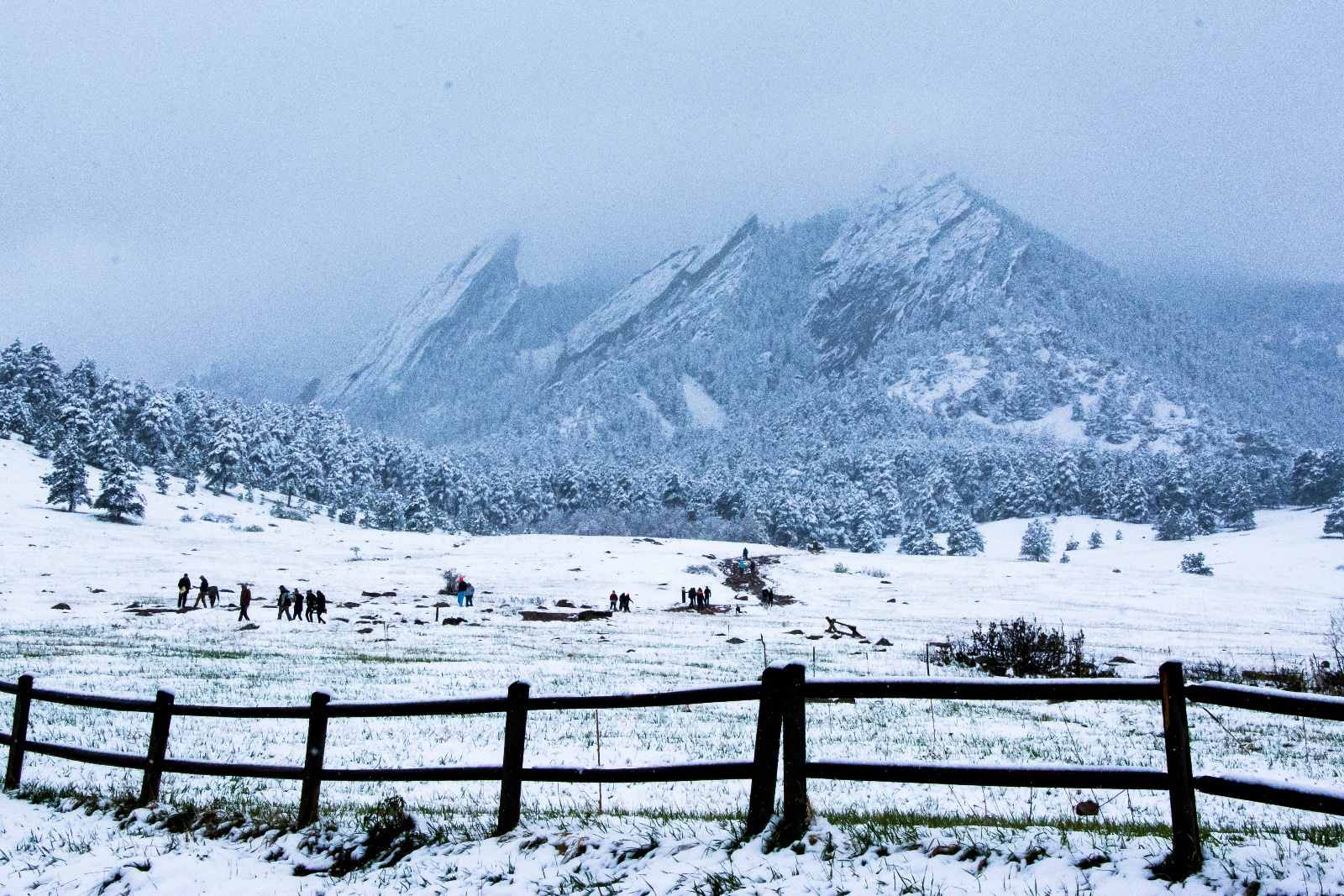
The perception of Colorado as uniformly frigid is a common misconception. While it certainly experiences significant cold, particularly in its mountainous regions, the state’s diverse geography creates a mosaic of microclimates. The primary driver of Colorado’s winter temperatures is elevation. The higher you go, the colder it gets, and this elevation change is pronounced across the state.
The Front Range cities, including Denver, Colorado Springs, and Fort Collins, sit at elevations typically between 5,000 and 6,000 feet. These areas experience what is often described as a “high desert” climate, characterized by abundant sunshine even in winter. While cold snaps are common, bringing snow and freezing temperatures, extended periods of extreme cold are less frequent than in the higher mountains. The Chinook winds, a warm, dry wind descending the eastern slopes of the Rocky Mountains, can occasionally bring significant temperature spikes, melting snow rapidly and offering brief respites from the cold.
Venturing into the high country, west of the Continental Divide, the climate shifts dramatically. Here, ski towns like Aspen, Vail, Breckenridge, and Telluride routinely experience much colder temperatures and considerably more snowfall. Elevations in these areas often exceed 8,000 feet, with some ski resorts reaching over 12,000 feet at their summits. The deep snowpack and sustained sub-freezing temperatures are precisely what make these destinations world-renowned for winter sports.
The Western Slope, encompassing areas like Grand Junction, presents yet another climatic variation. Lower in elevation compared to the high mountains, Grand Junction sits at about 4,600 feet and generally experiences milder winters than both the Front Range and the high country. While it still gets cold and receives snow, the cold tends to be less severe and prolonged, with average temperatures often a few degrees warmer than Denver.
Understanding this geographic diversity is the first step in comprehending Colorado’s winter climate. Travelers should always consider their specific destination within the state when planning their trip and preparing for the cold.
Average Temperatures and Record Lows Across the State
To provide a clearer picture, let’s look at some average temperatures for key Colorado destinations during the peak winter months (December, January, February), along with insights into how cold it can get.
Front Range Cities
- Denver: Average daytime highs in winter typically hover around 40-45°F (4-7°C), with average lows in the teens or low 20s °F (-7 to -4°C). However, cold fronts can plunge temperatures significantly. Denver’s record low is a chilling -29°F (-34°C). While such extremes are rare, temperatures below 0°F (-18°C) are not unheard of during winter cold snaps.
- Colorado Springs: Similar to Denver, Colorado Springs experiences average winter highs in the low 40s °F (4-7°C) and lows in the teens °F (-7 to -4°C). Its record low is -27°F (-33°C), indicating that extreme cold is a possibility.
High-Altitude Mountain Towns
- Aspen: Situated at 7,908 feet (2,410 meters), Aspen is considerably colder. Average winter highs range from the mid-20s to low 30s °F (-4 to 0°C), with lows often dipping into single digits or even below 0°F (-17 to -18°C). The record low in Aspen is -41°F (-41°C), showcasing the severe cold possible at higher elevations.
- Vail: At 8,150 feet (2,484 meters), Vail has similar averages to Aspen, with daytime highs often in the 20s °F (-7 to -1°C) and nighttime lows commonly in the single digits °F (-17 to -12°C). Its record low is -32°F (-36°C).
- Breckenridge: At an even higher 9,600 feet (2,926 meters), Breckenridge is among the colder ski towns. Expect average highs in the 20s °F (-7 to -1°C) and lows well into the single digits or below zero °F (-17 to -18°C). The record low for Breckenridge is -37°F (-38°C).
Western Slope
- Grand Junction: With an elevation of 4,583 feet (1,397 meters), Grand Junction sees average winter highs in the mid-30s to low 40s °F (2-7°C) and lows in the teens to low 20s °F (-7 to -4°C). Its record low is -23°F (-31°C), highlighting that even milder areas can experience intense cold.
It’s important for travelers to remember that these are averages. Colorado weather can be highly unpredictable, with rapid changes possible within a single day. A sunny, mild morning can quickly turn into a snowy, frigid afternoon, especially in the mountains.
Navigating the Cold: Travel Experiences and Activities
The cold, far from being a deterrent, is often the very essence of the Colorado travel experience. It creates the perfect conditions for a plethora of winter activities and transforms the landscape into a breathtaking wonderland.
Skiing, Snowboarding, and Winter Sports
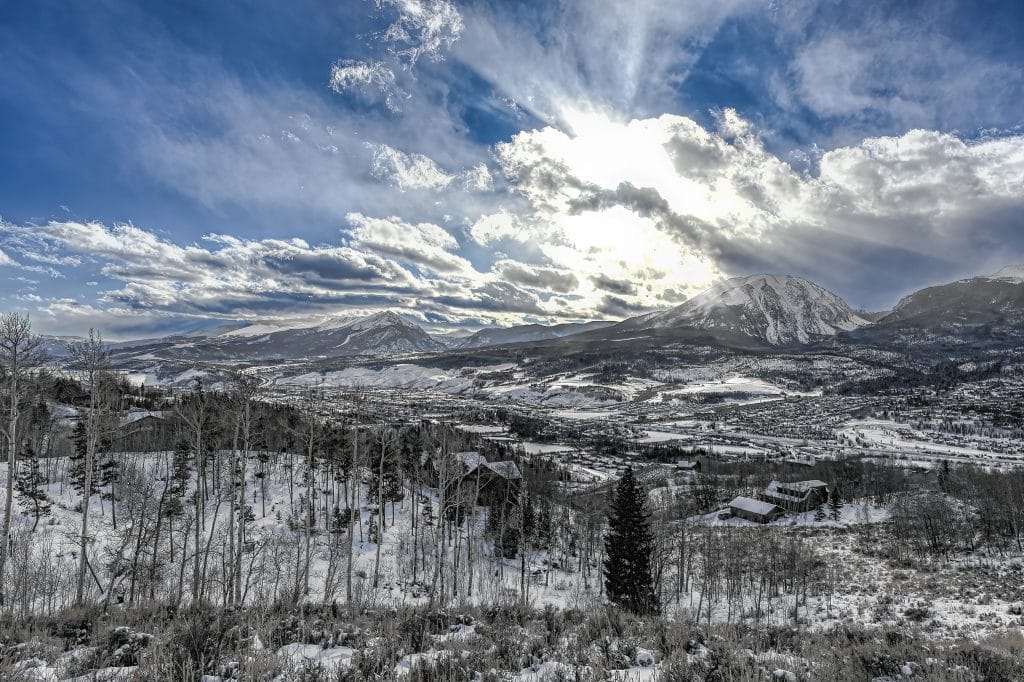
Colorado’s world-class ski resorts thrive on cold temperatures and abundant snowfall. Destinations like Vail, Aspen, Breckenridge, Steamboat Springs, Telluride, Winter Park Resort, Copper Mountain, Loveland Ski Area, and Keystone Resort offer unparalleled opportunities for downhill skiing and snowboarding. Cross-country skiing, snowshoeing, and tubing are also popular. For these activities, embracing the cold means dressing in layers of moisture-wicking and insulating clothing to stay warm and dry. The crisp, cold air enhances the sensation of carving through fresh powder, making the experience truly exhilarating.
National Parks and Scenic Drives
Even in winter, Colorado’s national parks and scenic byways offer stunning beauty. While some roads in Rocky Mountain National Park, such as Trail Ridge Road, close for the season, areas accessible from Estes Park remain open for snowshoeing and cross-country skiing, providing serene, snow-covered vistas. Iconic drives through canyons or along the base of impressive peaks, like the road to Pikes Peak (conditions permitting) or around Garden of the Gods near Colorado Springs, offer breathtaking photographic opportunities of a snow-dusted landscape under frequently sunny skies. The cold air often means clearer views and a sense of quiet solitude.
Hot Springs and Cozy Retreats
A perfect antidote to Colorado’s cold is a dip in one of its renowned natural hot springs. Destinations like Glenwood Springs and Ouray offer therapeutic warm waters amidst snowy surroundings, creating a truly unique and relaxing experience. Many mountain towns also boast cozy lodges, charming cabins, and vibrant aprés-ski scenes with roaring fireplaces, delicious food, and craft beverages, providing warm havens after a day in the cold. Historic train rides, such as the Georgetown Loop Railroad or the Durango & Silverton Narrow Gauge Railroad, also offer unique ways to see the winter landscape from a comfortable, heated vantage point.
City Explorations
Front Range cities like Denver and Colorado Springs don’t shut down in winter. While cold, they offer vibrant cultural scenes, museums, breweries, and diverse culinary experiences. Many attractions are indoors, providing warmth and entertainment regardless of the outside temperature. Ice skating rinks often pop up in downtown areas, adding to the festive winter atmosphere.
Essential Preparation for Your Colorado Cold Weather Trip
Traveling to Colorado in winter requires thoughtful preparation to ensure both safety and enjoyment. The key is to be ready for anything, from sunny, mild days to intense blizzards and extreme cold.
Layering is Key
The most critical piece of advice for dressing in Colorado during colder months is to dress in layers.
- Base Layer: Start with a moisture-wicking base layer (wool or synthetic) that keeps sweat away from your skin.
- Mid-Layer: Add an insulating mid-layer, such as a fleece jacket or down vest, for warmth.
- Outer Layer: A waterproof and windproof outer shell is essential, especially for mountain activities, to protect against snow, rain, and biting winds.
- Accessories: Don’t forget a warm hat that covers your ears, waterproof gloves or mittens, and warm, moisture-wicking socks. Sunglasses are also crucial, even on cloudy days, to protect against glare from snow.
Footwear
Invest in waterproof, insulated boots with good traction. Snow and ice are common, and slipping can quickly ruin a day. For city explorations, warm, comfortable boots will suffice; for mountain adventures, higher, more robust winter boots are necessary.
Vehicle Preparedness
If driving, especially into the mountains, ensure your vehicle is winter-ready. This means good tires (snow tires or all-season tires with sufficient tread), and potentially chains or traction devices, as required by Colorado law on certain mountain passes during winter storms. Keep your fuel tank full, and have an emergency kit with blankets, a shovel, food, water, and jumper cables. Always check road conditions (COtrip.org is an excellent resource) before heading out, as mountain passes can close unexpectedly due to heavy snowfall or icy conditions.
Hydration and Sun Protection
Despite the cold, the high altitude and dry air can lead to dehydration. Drink plenty of water. Also, the sun at high elevations is surprisingly intense, even in winter. Sunscreen and lip balm with SPF are non-negotiable to prevent sunburn and chapped lips.
Accommodation and Booking
Book accommodations well in advance, especially for popular ski resorts during peak season. Consider properties with amenities like hot tubs, fireplaces, or on-site dining for cozy evenings after cold days. For a true taste of Colorado winter, a cabin rental in a secluded mountain area can offer an unforgettable experience.
In conclusion, Colorado does indeed get cold, often very cold, particularly in its high-altitude regions. However, this cold is an integral part of its charm and appeal, enabling world-class winter sports and transforming its already stunning landscapes into breathtaking winter wonderlands. With proper preparation and an understanding of its diverse climate zones, travelers can not only withstand the chill but also fully embrace the unique and exhilarating experiences that await in the Centennial State’s winter embrace.
LifeOutOfTheBox is a participant in the Amazon Services LLC Associates Program, an affiliate advertising program designed to provide a means for sites to earn advertising fees by advertising and linking to Amazon.com. Amazon, the Amazon logo, AmazonSupply, and the AmazonSupply logo are trademarks of Amazon.com, Inc. or its affiliates. As an Amazon Associate we earn affiliate commissions from qualifying purchases.