
Nestled in the southeastern corner of Arizona, directly on the international border with Mexico, lies the historic city of Douglas. Far from a mere dot on the map, Douglas is a vibrant destination brimming with a rich history, unique cultural tapestry, and an authentic spirit of the American Southwest. Often overlooked by travelers rushing to more famous Arizona landmarks, this border town offers an insightful glimpse into a bygone era, a living lesson in cross-cultural exchange, and a truly distinctive travel experience for those willing to explore beyond the well-trodden path. From its origins as a booming copper smelting town to its current role as a significant international crossing, Douglas presents a compelling blend of past and present, inviting visitors to uncover its many layers. Understanding its location, its historical roots, and its modern-day appeal is key to appreciating this singular corner of the United States.
A Geographical Introduction to Douglas
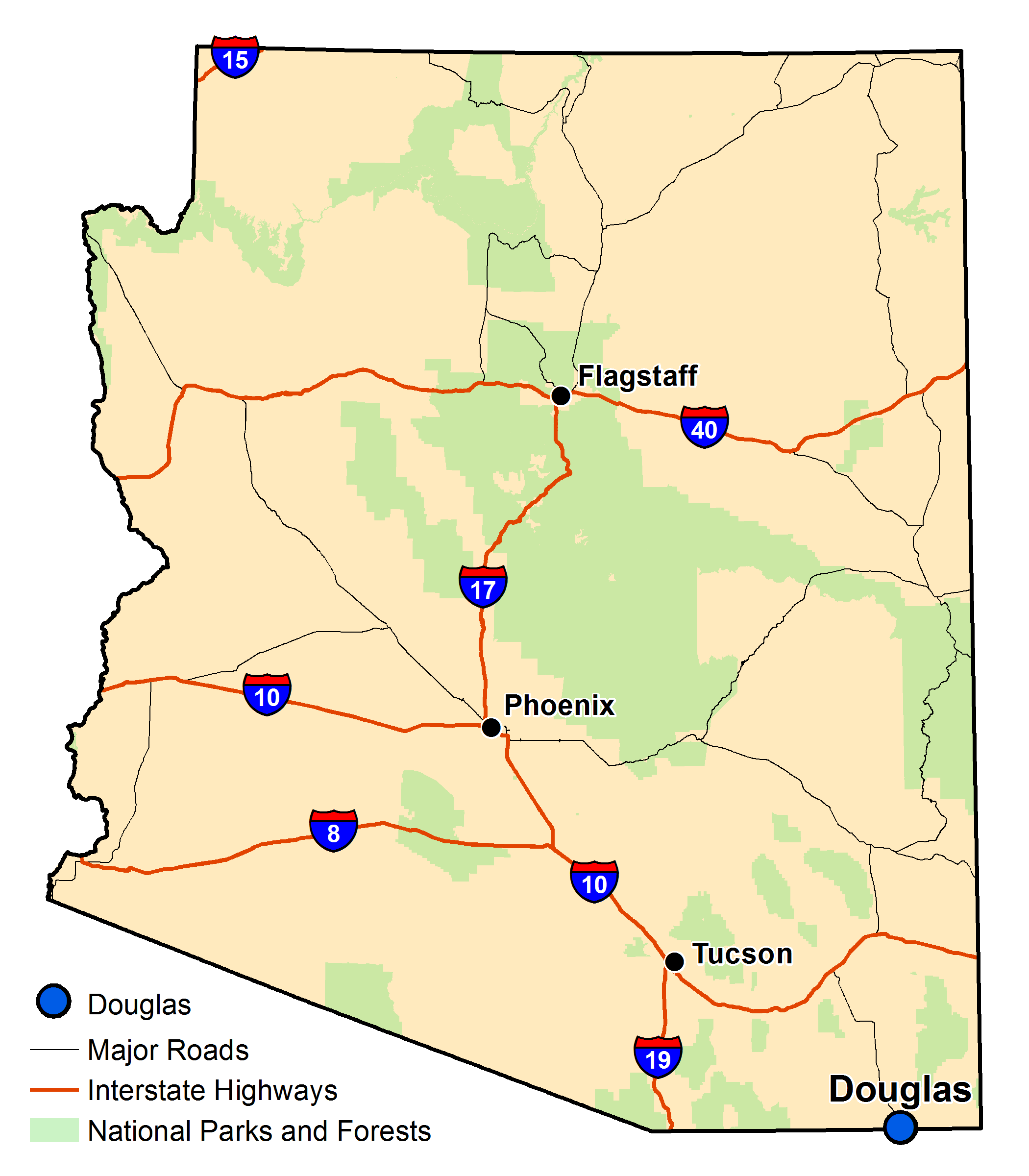
The strategic placement of Douglas is arguably its most defining characteristic, shaping every aspect of its development and identity. Situated at an elevation of approximately 3,989 feet (1,216 meters), the city enjoys a high desert climate, characterized by warm days, cool nights, and abundant sunshine throughout much of the year. This unique geographical context provides both practical considerations for travelers and a fascinating backdrop for its historical narrative.
Borderline Location and Significance
Douglas stands directly across the border from its Mexican sister city, Agua Prieta, in the state of Sonora. This immediate proximity to the international boundary has indelibly influenced the city’s culture, economy, and everyday life. The border is not merely a line on a map here; it is a palpable presence, fostering a unique blend of American and Mexican traditions, languages, and cuisines. For travelers, this means an opportunity to experience a vibrant cultural fusion unlike anywhere else in Arizona. The primary port of entry, often bustling, serves as a testament to the ongoing trade and human connection between the two nations, providing a fascinating focal point for understanding border dynamics from a firsthand perspective.
Southeastern Arizona’s Hidden Gem
Douglas is nestled within Cochise County, a region renowned for its rich history, diverse landscapes, and numerous outdoor recreational opportunities. While famous neighbors like Bisbee and Tombstone often draw more attention, Douglas acts as a gateway to exploring the broader beauty of southeastern Arizona without the crowds. Its relatively undiscovered status contributes to a more authentic and intimate travel experience. The surrounding landscape, characterized by vast expanses of desert punctuated by rugged mountain ranges, offers stunning vistas and a sense of untamed wilderness. The climate, while hot in summer, boasts mild winters, making it an ideal destination for those seeking an escape from colder climes.
Accessibility and Getting There
Reaching Douglas is straightforward for those traveling by car. The city is primarily accessed via U.S. Route 191, which runs north-south, connecting it to Interstate 10. Additionally, State Route 80, a historic route that winds through some of Arizona’s most iconic towns, passes directly through Douglas, making it a convenient stop on a scenic road trip. The nearest major airport is Tucson International Airport, approximately 120 miles to the northwest, from which visitors can rent a vehicle for the two-hour drive. This accessibility, combined with its unique location, positions Douglas as an excellent base for exploring Cochise County’s myriad attractions or as a fascinating destination in its own right.
Echoes of the Past: Douglas’s Historical Tapestry
The story of Douglas is intricately woven into the fabric of the American Southwest’s development, particularly during the late 19th and early 20th centuries. From its industrial beginnings to its role in international events, the city offers a captivating journey through time, with many of its historical landmarks still standing as testaments to its vibrant past.
From Mining Boom to Cattle Kingpins
Douglas’s inception in 1901 was driven by the burgeoning copper industry. It was established by the Phelps Dodge Corporation as a smelter site for ores extracted from the rich copper mines of nearby Bisbee. The availability of water, abundant land, and its strategic border location made it an ideal choice for a large-scale smelting operation. This industrial boom attracted a diverse population, creating a prosperous and rapidly growing city. Concurrent with the mining industry, Douglas also became a significant hub for cattle ranching, serving as a shipping point for vast herds from Arizona and Mexico. Figures like John Slaughter, a legendary rancher and lawman, epitomized the frontier spirit of the era, further cementing the town’s place in Old West lore. The city’s grid layout and many of its early 20th-century buildings are direct legacies of this dynamic period of industrial and agricultural expansion.
The Gadsden Hotel: A Landmark of Elegance
No discussion of Douglas’s history is complete without highlighting the iconic Gadsden Hotel. Opened in 1907 and meticulously rebuilt after a fire in 1929, this grand hotel stands as a magnificent example of Neoclassical architecture and a symbol of the city’s former prosperity. Its stunning lobby, featuring a Tiffany stained-glass mural, an imported Italian marble staircase, and massive columns, evokes a sense of timeless elegance. The Gadsden Hotel served as a luxurious stop for cattle barons, miners, ranchers, and travelers, hosting dignitaries and even Pancho Villa’s mounted troops who reputedly rode their horses through its lobby. Today, it remains a fully operational hotel and a must-visit landmark, offering a tangible connection to Douglas’s golden age and a glimpse into the opulent lifestyles of its past residents.
Borderland Narratives: Pancho Villa and Smuggling Routes
Douglas’s position on the border thrust it into significant historical events, particularly during the Mexican Revolution. The city became a vantage point for American citizens to observe battles unfolding across the line in Agua Prieta. The infamous revolutionary leader, Pancho Villa, played a pivotal role in these border skirmishes, making Douglas a place of strategic importance and international intrigue. Beyond military conflicts, the border location also fostered a long history of various forms of cross-border trade, both legal and illicit. The historic Customs House, now a museum, serves as a poignant reminder of the intricate dance between regulation and enterprise that has characterized life in this border town for over a century. These narratives offer travelers a profound understanding of the complex, often dramatic, relationship between the United States and Mexico.

Experiencing Douglas: Attractions and Local Charms
While its history provides a deep foundation, Douglas offers a range of present-day attractions and experiences that captivate travelers seeking authenticity and a unique sense of place. From architectural marvels to well-preserved historical sites and vibrant cultural interactions, the city invites exploration.
Downtown Douglas Historic District
The heart of Douglas is its well-preserved Downtown Historic District, a treasure trove of early 20th-century architecture. A stroll along G Avenue reveals a fascinating collection of buildings, many constructed during the city’s boom period, showcasing various architectural styles from Neoclassical to Spanish Colonial Revival. Visitors can admire the intricate details of the old post office, banks, and commercial buildings that once bustled with activity. Unique local shops, small cafes, and art galleries now occupy many of these historic structures, offering a pleasant way to spend an afternoon. The district also includes Arizona Centennial Park, providing a green space for relaxation and community gatherings, reflecting the ongoing revitalization efforts within the city.
Slaughter Ranch Museum
Just a short drive east of Douglas, near the small community of Pirtleville, lies the Slaughter Ranch Museum, also known as San Bernardino Ranch. This remarkably preserved historic site was once the home of John Slaughter, a prominent figure in the Old West who served as Sheriff of Cochise County and established a vast cattle empire. The ranch offers a rare and authentic glimpse into frontier life, with original buildings including a ranch house, an ice house, and a commissary. The setting itself, with its natural wetlands and diverse wildlife, is a serene escape, providing a stark contrast to the bustling border environment. Visiting the Slaughter Ranch Museum is like stepping back in time, offering an educational and immersive experience into the ranching heritage of southeastern Arizona.
Douglas Municipal Airport and the International Airport
Douglas holds a unique distinction with its airport facilities. The Douglas Municipal Airport played a significant role in aviation history, serving as a training base during World War II. Its past echoes the golden age of flight. Even more fascinating is the Douglas International Airport, a one-of-a-kind facility that literally straddles the U.S.-Mexican border. This joint-use airport, shared with Agua Prieta, allows aircraft to land in one country and taxi to a customs facility in the other, a testament to the unique cross-border cooperation inherent to the region. While not a typical tourist attraction in the same vein as a museum, its existence and operational dynamics offer a compelling illustration of Douglas’s distinctive international character.
Unique Cultural Blend: Mexican Influence and Local Cuisine
The most pervasive and perhaps most delightful aspect of experiencing Douglas is its palpable cultural fusion. The close relationship with Agua Prieta has created a vibrant bicultural atmosphere where Spanish and English are spoken interchangeably, and traditions from both sides of the border are celebrated. This is particularly evident in the local cuisine, which offers an authentic taste of Sonoran-style Mexican food. From savory street tacos to hearty carne asada, the flavors of Mexico are readily available and incredibly authentic. Exploring the local eateries and engaging with the community provides a rich, immersive cultural experience that truly sets Douglas apart as a travel destination.
Planning Your Visit to Douglas
To truly appreciate the charm and depth of Douglas, a little planning goes a long way. This historic border town offers an enriching experience that is best enjoyed with an understanding of its unique rhythm and offerings.
Best Time to Explore
The optimal time to visit Douglas is during the cooler months, from late autumn through early spring (October to April). During this period, daytime temperatures are mild and pleasant, typically ranging from the 60s to 70s Fahrenheit (15-25°C), making it ideal for exploring the Downtown Historic District, visiting the Slaughter Ranch Museum, and enjoying outdoor activities. The summer months (June to September) can be intensely hot, with temperatures often exceeding 100°F (38°C), though the dry desert heat can be more tolerable than humid climates. Winter evenings can be quite chilly, so packing layers is always advisable. Checking local event calendars can also enhance a visit, as Douglas often hosts cultural festivals and celebrations throughout the year that highlight its heritage and community spirit.
Accommodation Options
While Douglas may not boast the extensive range of luxury resorts found in larger Arizona cities, it offers comfortable and characterful accommodation choices. The most iconic option, and indeed an attraction in itself, is the historic Gadsden Hotel, providing a unique stay steeped in history and grandeur. Beyond the Gadsden Hotel, visitors will find a selection of locally owned motels, bed and breakfasts, and guesthouses that offer clean, convenient, and often budget-friendly options. These establishments provide a more personal touch and an opportunity to connect with local hospitality. It is recommended to book accommodations in advance, especially if traveling during peak season or during local events.

Embracing the Local Experience
To truly embrace Douglas, travelers should approach their visit with an open mind and a willingness to engage with the local culture. This means trying the authentic Sonoran cuisine, strolling through the historic streets, perhaps visiting a local market, and interacting with residents who are often eager to share their insights into life on the border. While border towns often come with their own set of unique circumstances, Douglas is generally a safe and welcoming community. Standard travel precautions apply, and visitors should be mindful of their surroundings, particularly near the international crossing. Understanding the town’s history and its contemporary role as a vibrant international gateway will greatly enrich the travel experience, allowing visitors to leave with a deeper appreciation for this compelling and often misunderstood corner of Arizona.
In conclusion, Douglas, Arizona, is far more than just a dot on the map. It is a destination that offers a profound journey into the heart of the American Southwest, a place where history, culture, and geography converge in a truly captivating way. For those seeking an authentic, insightful, and engaging travel experience away from the typical tourist crowds, Douglas stands ready to reveal its many untold stories.
LifeOutOfTheBox is a participant in the Amazon Services LLC Associates Program, an affiliate advertising program designed to provide a means for sites to earn advertising fees by advertising and linking to Amazon.com. Amazon, the Amazon logo, AmazonSupply, and the AmazonSupply logo are trademarks of Amazon.com, Inc. or its affiliates. As an Amazon Associate we earn affiliate commissions from qualifying purchases.