
The question “How far is Harvard from Boston?” is a common one for travelers planning a visit to this historic region of Massachusetts. While geographically distinct, the relationship between Harvard and Boston is one of close proximity and intertwined cultural significance, making the journey between them a seamless part of the greater Boston experience. Harvard University, an institution synonymous with academic excellence and architectural grandeur, is not actually situated within the municipal boundaries of Boston proper. Instead, it makes its home in the vibrant city of Cambridge, just across the scenic Charles River.
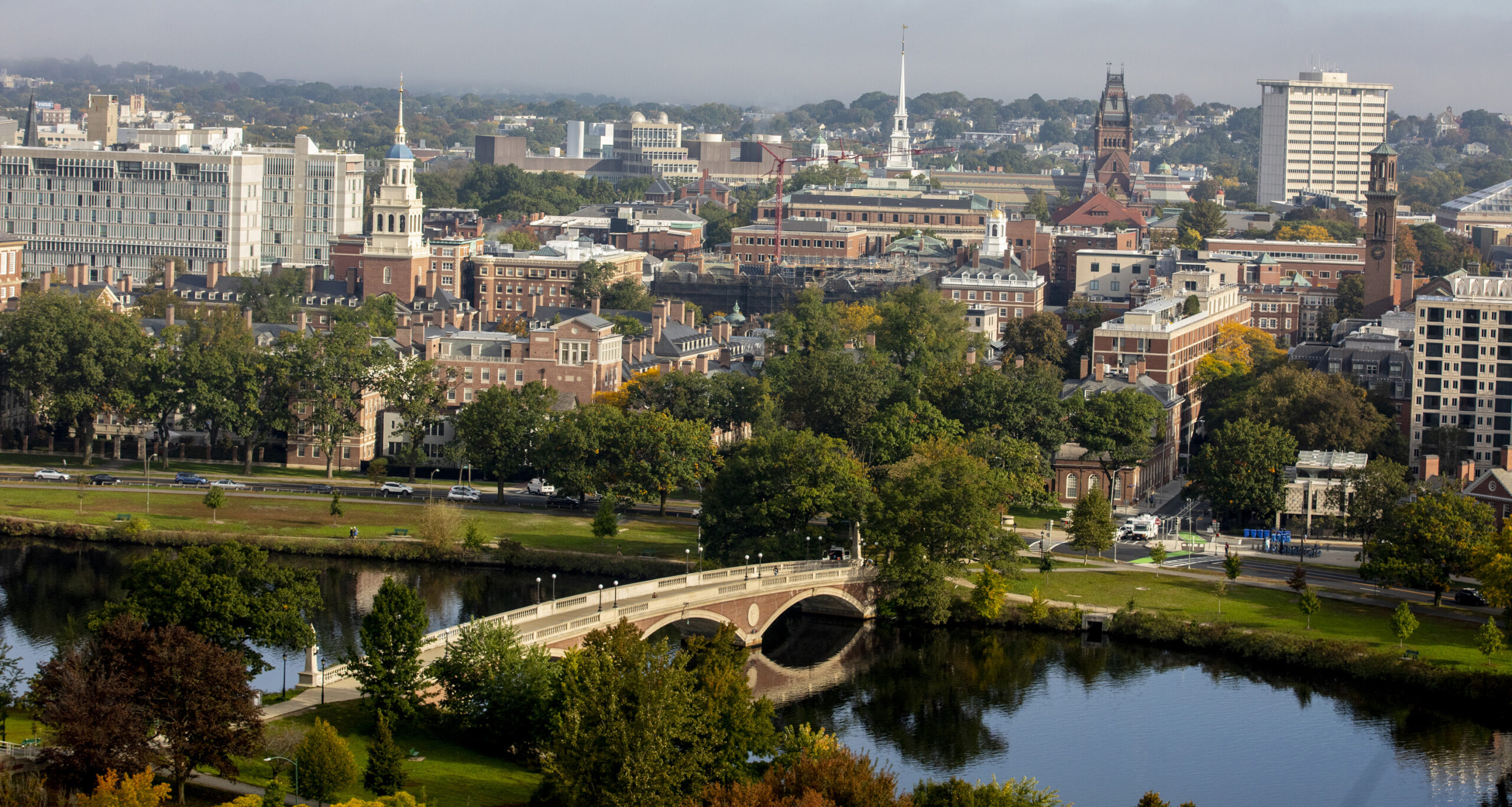
This article serves as a comprehensive travel guide, demystifying the distance and outlining the myriad ways to navigate between these two iconic locations. Whether you’re a prospective student, a tourist eager to soak in American history, or a local looking for an efficient commute, understanding the travel options and their practical implications is key to maximizing your time and enjoyment. Far from being a remote outpost, Harvard is an integral part of the Boston metropolitan area, easily accessible and rich with its own unique attractions.
The Proximity: Understanding Harvard’s Relationship with Boston
Despite being in different cities, Harvard and Boston share a deep connection, both geographically and culturally. The perceived distance is often less about physical miles and more about understanding the urban landscape.
Distinguishing Harvard University from Harvard Square
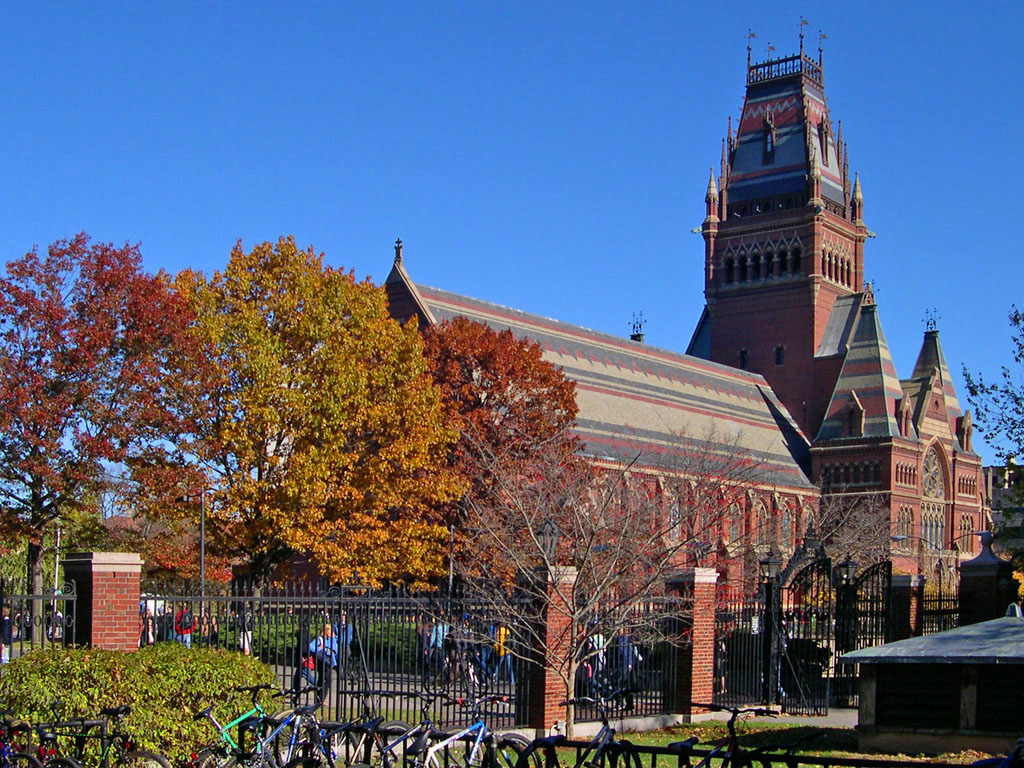
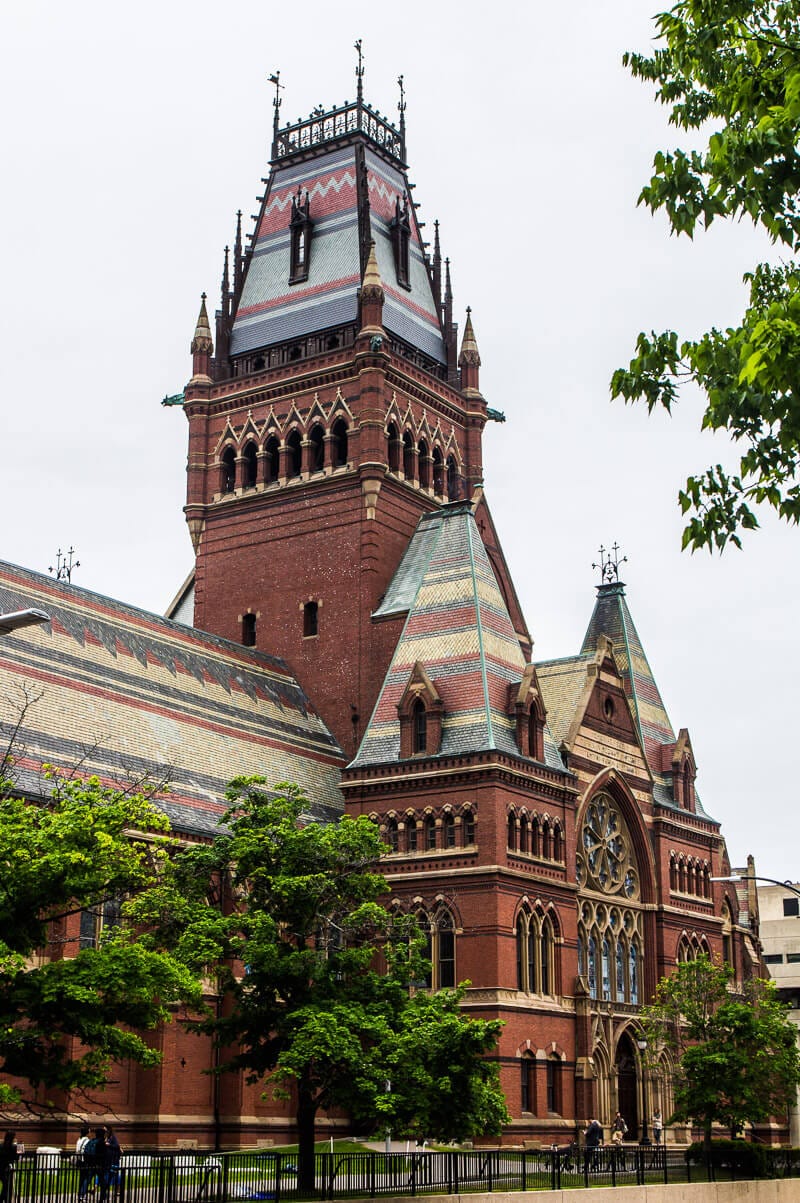
When people refer to “Harvard,” they often mean two distinct, yet interconnected, entities: Harvard University itself and Harvard Square. Harvard University, founded in 1636, is the oldest institution of higher education in the United States. Its expansive campus, characterized by historic brick buildings, verdant quadrangles, and world-class museums, is a destination in itself. Adjacent to the university’s main gates is Harvard Square, a bustling triangular plaza that serves as a commercial and cultural hub. Harvard Square is renowned for its eclectic mix of bookstores, cafes, restaurants, boutiques, and street performers, embodying a unique intellectual and bohemian atmosphere. When considering travel, it’s typically the journey to Harvard Square that travelers aim for, as it’s the gateway to the university and the surrounding Cambridge area.
Defining “Boston”: Downtown vs. Greater Boston Area
To accurately gauge the distance, it’s also important to define “Boston.” For most travelers, “Boston” refers to the downtown core, encompassing popular areas like Boston Common, Faneuil Hall, the North End, and the Financial District. However, the Greater Boston Area is a much broader metropolitan region that includes numerous surrounding cities and towns, with Cambridge being one of the most prominent. Therefore, while Harvard is outside the administrative limits of Boston city proper, it is very much within its larger urban orbit and easily reachable from downtown.
The Core Distance: A Close Connection
The distance between downtown Boston (for example, starting from Boston Common or Park Street Station) and Harvard Square is approximately 3 to 4 miles (5 to 6.5 kilometers). This relatively short distance makes it highly accessible via various modes of transportation, allowing visitors to seamlessly blend an exploration of Boston’s historic sites with a visit to Harvard’s venerable campus. The journey itself is an experience, often traversing the Charles River and offering glimpses of the region’s distinctive urban and academic landscapes.
Navigating the Journey: Transportation Options to Harvard
Traveling from Boston to Harvard is straightforward, thanks to a well-integrated transportation network. The choice of method largely depends on your budget, time constraints, and desired level of convenience and experience.
The MBTA Red Line: The Most Convenient Route
Undoubtedly, the most popular and efficient way to get from downtown Boston to Harvard Square is via the Massachusetts Bay Transportation Authority (MBTA), affectionately known as “the T.” Specifically, the Red Line subway offers a direct and frequent service.
- Route: The Red Line runs directly from multiple stations in downtown Boston, including South Station, Downtown Crossing, Park Street, and Charles/MGH. You simply board a train heading towards Alewife and alight at the Harvard Square station.
- Travel Time: From Park Street Station, the journey typically takes around 10-15 minutes. Even from South Station, it’s only about 15-20 minutes.
- Frequency: Trains run very frequently throughout the day, especially during peak hours, making it a reliable option with minimal waiting time.
- Cost: A single ride on the MBTA typically costs a few dollars, payable with a reusable CharlieCard or a single-use CharlieTicket. Day passes and weekly passes are also available for those planning extensive use of public transport.
Driving and Ride-Sharing Services: Flexibility with Caveats
For those who prefer the convenience of door-to-door service or are traveling with a group, driving or utilizing ride-sharing services like Uber or Lyft are viable options.
- Driving: The drive from downtown Boston to Harvard Square usually takes 15-30 minutes without significant traffic. However, Boston traffic can be notoriously heavy, particularly during rush hour, holidays, or major events. The biggest challenge for drivers is parking in Harvard Square, which can be scarce and expensive. There are several parking garages available, but they fill up quickly.
- Ride-Sharing Services: Uber and Lyft offer a comfortable and relatively quick way to travel. The cost will vary depending on demand (surge pricing), time of day, and the specific service chosen, but typically ranges from $15-$30 for a standard ride from downtown Boston to Harvard Square. This eliminates parking concerns but is still subject to traffic delays.
Walking and Cycling: Scenic Routes for the Adventurous
For those who enjoy a more active and scenic journey, walking or cycling can be a delightful way to experience the transition from Boston to Cambridge.
- Walking: The walk from, say, Boston Common to Harvard Square would be approximately 4 miles (6.5 km) and take about 1 hour to 1 hour 30 minutes. This is a great option on a pleasant day, allowing you to cross over one of the many bridges spanning the Charles River and enjoy waterfront views. It’s a fantastic way to absorb the local atmosphere and discover hidden gems along the way.
- Cycling: Boston and Cambridge are increasingly bike-friendly cities, with dedicated bike lanes and rental services like Bluebikes. The ride would take approximately 20-30 minutes, offering a quicker alternative to walking while still being immersed in the urban environment. Cycling along the Charles River Esplanade is particularly enjoyable.
Travel Times and Practical Considerations
Understanding the nuances of travel times and costs can help you plan your itinerary effectively and choose the best mode of transport for your needs.
Estimating Your Commute: Factors Affecting Duration
While baseline travel times are useful, several factors can influence the actual duration of your journey:
- Time of Day: Rush hour (typically 7-9 AM and 4-6 PM on weekdays) significantly impacts driving and ride-sharing times due to heavy traffic. The Red Line can also be more crowded during these periods, though travel times are generally more consistent as it operates on a dedicated track.
- Specific Starting Point in Boston: Traveling from Logan International Airport will naturally take longer than from downtown Boston. From Logan, you would typically take the Silver Line to South Station, then transfer to the Red Line to Harvard Square, a journey that could take 45 minutes to an hour.
- Special Events: Major sporting events, university ceremonies, or local festivals can also lead to increased traffic and public transit ridership, potentially extending travel times.
- Weather Conditions: Snow or heavy rain can slow down all forms of transportation, particularly driving.
Cost Analysis of Travel Methods
Budget is often a key consideration for travelers. Here’s a general breakdown:
- MBTA Red Line: This is consistently the most budget-friendly option. A single ride is typically around $2.40-$2.90 with a CharlieCard/Ticket. Multi-day passes offer even better value for frequent users.
- Ride-Sharing Services: Expect to pay between $15-$30 for a standard ride, though surge pricing can push this higher. Split fares can make it more economical for groups.
- Driving: Beyond gasoline costs, consider parking fees, which can range from $10-$30+ per hour/flat rate in Harvard Square garages. Metered street parking is rare and short-term.
- Walking/Cycling: Essentially free, aside from potential Bluebikes rental fees (approx. $10 for a 24-hour pass).
Accessibility and Convenience for All Travelers
The MBTA system, while historic, has made significant strides in accessibility. Most Red Line stations, including Harvard Square, are accessible via elevators or ramps, making them suitable for travelers with mobility challenges. Ride-sharing services also offer accessible vehicle options. Walking and cycling routes vary in terrain, but the main pathways along the Charles River are generally flat and well-maintained. Always check specific station accessibility information on the MBTA website if accessibility is a primary concern.
Beyond the Journey: What Awaits in Harvard Square
Once you arrive in Harvard Square, a world of intellectual charm, historical richness, and vibrant culture unfolds, making the short journey from Boston incredibly rewarding.
A Hub of Culture and History
Harvard Square and the surrounding Harvard University campus are replete with attractions for history buffs and culture enthusiasts.
- Harvard University Campus: Take a self-guided tour or join a student-led one to explore iconic spots like Harvard Yard, Widener Library, and the statue of John Harvard (often mistakenly believed to be the university’s founder).
- Harvard Art Museums: This complex includes the Fogg Museum, Busch-Reisinger Museum, and the Arthur M. Sackler Museum, housing diverse collections spanning centuries and continents.
- Peabody Museum of Archaeology & Ethnology and Harvard Museum of Natural History: These museums offer fascinating insights into human culture, natural sciences, and incredible dinosaur skeletons.
- American Repertory Theater (A.R.T.): Catch a cutting-edge theatrical performance at this acclaimed professional theater, often a testing ground for Broadway productions.
Dining and Shopping Experiences
Harvard Square is a gastronomic delight and a shopper’s paradise, catering to all tastes and budgets.
- Diverse Cuisine: From upscale dining to casual cafes, international flavors to classic American fare, the square offers an incredible array of restaurants. Enjoy a quick slice of pizza, authentic Thai food, or a gourmet meal.
- Iconic Bookstores: Explore the multi-story Harvard Book Store or browse the shelves of other independent booksellers, reflecting the area’s intellectual spirit.
- Unique Boutiques and Shops: Discover one-of-a-kind clothing stores, gift shops, and specialty stores selling everything from vintage finds to modern art.
Exploring Harvard University’s Iconic Campus
Beyond the museums and commercial area, simply walking through the Harvard campus itself is an experience. Marvel at the blend of colonial and gothic architecture, feel the academic energy, and imagine the countless historical figures who have walked these paths. Don’t forget to rub John Harvard’s left shoe for good luck – a popular tradition!
Making the Most of Your Visit: Tips for Travelers
To ensure a smooth and memorable trip from Boston to Harvard, consider these practical travel tips.
Best Time to Visit and Explore
- Spring (April-May) and Fall (September-October): These seasons offer the most pleasant weather for walking and exploring, with vibrant foliage in the fall.
- Summer (June-August): Can be warm and humid, but the university campus is less crowded with students, and there are many outdoor events.
- Winter (November-March): While cold and snowy, the festive lights around Harvard Square can be charming, and indoor attractions offer a cozy escape. Avoid major holiday periods if you prefer fewer crowds.
Combining Your Trip with Other Boston Attractions
Given its easy accessibility, a visit to Harvard can be seamlessly integrated into a larger Boston itinerary.
- Morning in Boston, Afternoon in Harvard: Spend your morning exploring the Freedom Trail, Quincy Market, or the Museum of Fine Arts, then hop on the Red Line for an afternoon at Harvard.
- Cambridge Exploration: Combine your Harvard visit with an exploration of nearby Massachusetts Institute of Technology (MIT), also accessible via the Red Line, or a stroll along the Charles River Esplanade.
Essential Travel Hacks for First-Timers
- Get a CharlieCard: If you plan on using the MBTA frequently, pick up a rechargeable CharlieCard. It offers cheaper fares than single-use CharlieTickets and makes boarding quicker.
- Wear Comfortable Shoes: Harvard Square and the university campus involve a lot of walking, so comfortable footwear is a must.
- Utilize Free Walking Tours: Many student groups offer free or donation-based walking tours of Harvard University campus, providing insightful anecdotes and historical context.
- Check Opening Hours: Verify the operating hours of specific museums, libraries, and attractions, especially if you’re visiting on a holiday or during off-peak seasons.
- Stay Hydrated and Bring Snacks: Especially if you’re planning a long day of exploration, having water and some light snacks can be very helpful.
In conclusion, the question “How far is Harvard from Boston?” is best answered by highlighting their close relationship rather than a daunting distance. It’s not a question of ‘if’ you can visit Harvard from Boston, but ‘how’ you prefer to make the quick and enriching journey. With excellent public transportation, scenic walking routes, and convenient ride-sharing options, Harvard is unequivocally a prime and easily accessible travel destination within the broader Boston experience.
LifeOutOfTheBox is a participant in the Amazon Services LLC Associates Program, an affiliate advertising program designed to provide a means for sites to earn advertising fees by advertising and linking to Amazon.com. Amazon, the Amazon logo, AmazonSupply, and the AmazonSupply logo are trademarks of Amazon.com, Inc. or its affiliates. As an Amazon Associate we earn affiliate commissions from qualifying purchases.