
For many travelers planning a journey to the middle of the Pacific Ocean, the primary draw is the promise of perpetual summer. Hawaii is legendary for its idyllic weather, but “the temperature” is rarely a single, static number. Because of the archipelago’s unique geography and its location near the Equator, the climate is a fascinating tapestry of tropical warmth, cooling breezes, and surprising alpine chills. Understanding the nuances of the thermometer in the United States’ 50th state is essential for any traveler looking to maximize their experience, whether they are hiking volcanic craters or lounging on sun-drenched sands.
Understanding Hawaii’s Tropical Climate and Microclimates
The overarching climate of Hawaii is classified as tropical, but this definition barely scratches the surface of what a visitor will experience. The islands are home to an incredible diversity of environments, influenced heavily by the surrounding ocean and the towering volcanic peaks that define the landscape.
The Two Seasons: Kau and Hooilo
Unlike the four distinct seasons found in most of North America or Europe, Hawaii traditionally recognizes only two. The summer season, known in the Hawaiian Language as Kau, runs from May to October. During this time, the sun is more direct, the weather is consistently warm, and the trade winds provide a welcome cooling effect. The winter season, or Hooilo, spans from November to April. While still incredibly mild compared to continental winters, this period brings slightly cooler temperatures, more frequent rainfall, and higher surf.
The Impact of Trade Winds
The “Trade Winds” are perhaps the most vital component of Hawaii travel comfort. These northeasterly winds blow across the islands for the majority of the year. They act as a natural air conditioner, whisking away humidity and keeping the coastal regions around a comfortable 80°F (27°C). When the trade winds stop, often replaced by “Kona Winds” from the south or west, the islands can feel much more humid and “heavy,” leading to a temporary rise in perceived temperature.
The Phenomenon of Microclimates on Different Islands
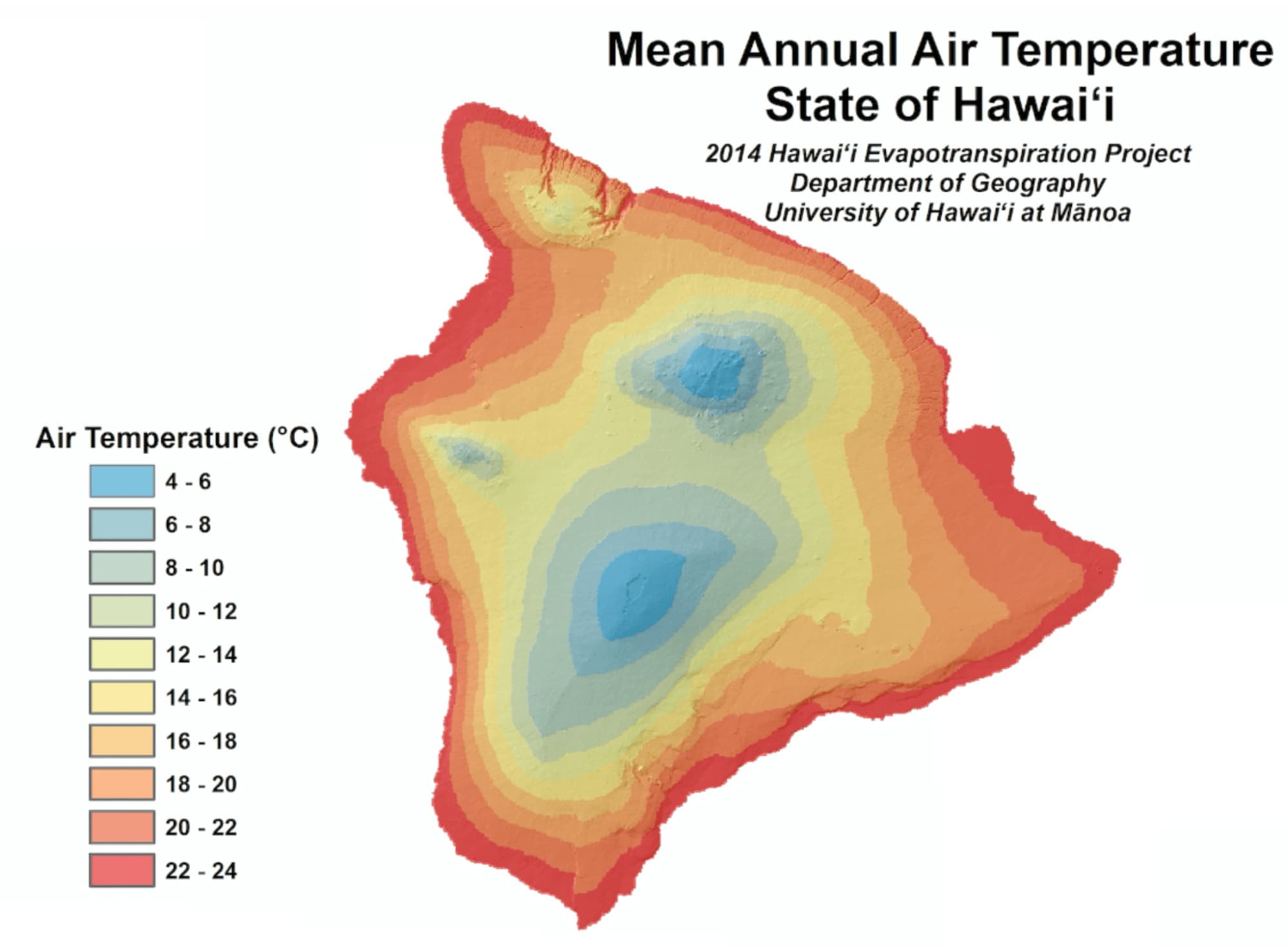
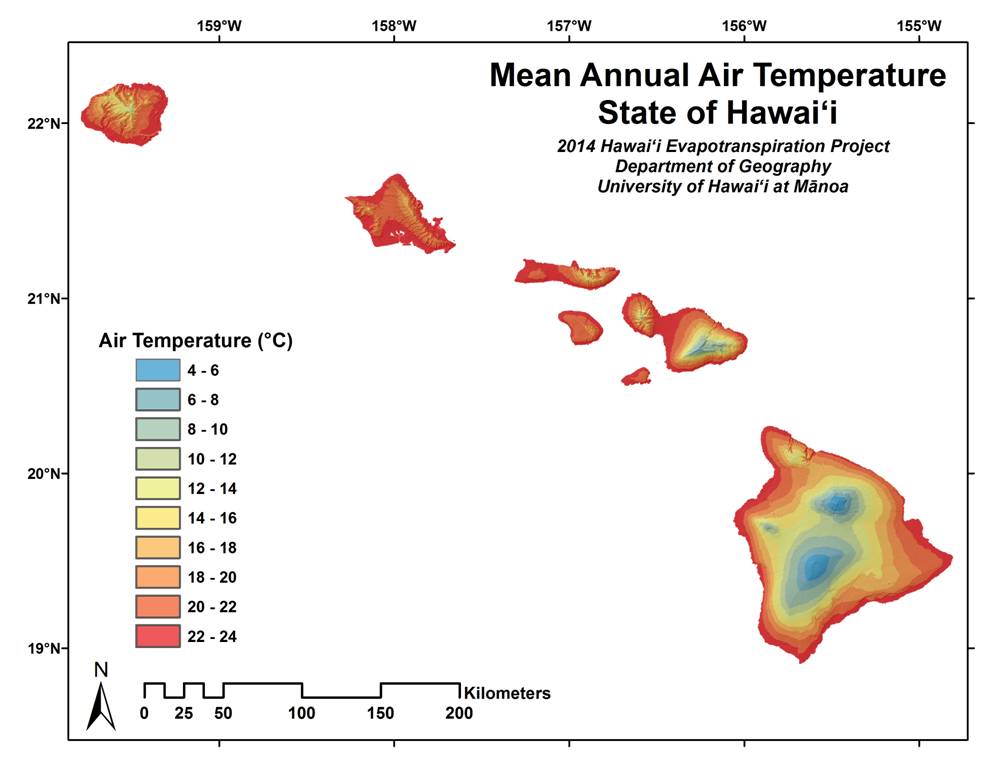
One of the most remarkable aspects of Hawaii is that it contains nearly every climate zone on Earth. On the Big Island, you can travel from a tropical rainforest to a dry desert and then up to a polar tundra at the summit of Mauna Kea—all in a single afternoon. These microclimates mean that while the temperature at your hotel in Kona might be 85°F, the temperature just a few miles away in the mountains could be 20 degrees cooler.
A Seasonal Guide to Temperature and Travel Planning
When planning a trip, the “best” temperature often depends on what you intend to do. Whether you are chasing the sun or looking for the perfect hiking weather, timing is everything.
Summer (May to October): The Peak of Sunshine
During the summer months, daytime highs at sea level typically hover between 85°F and 88°F (29°C to 31°C). This is the driest time of year, making it the premier season for beach lovers and sunseekers visiting Oahu or Maui. The evenings remain warm, usually staying above 70°F (21°C), which is perfect for outdoor dining and sunset walks along Waikiki Beach.
Winter (November to April): Cooler Breezes and High Surf
Winter in Hawaii is a favorite for those who want to escape the freezing temperatures of the mainland. Daytime highs generally range from 78°F to 82°F (25°C to 28°C). While this is the “rainy” season, most showers are brief and followed by vibrant rainbows. This is also the peak time for professional surfing, as the winter storms in the North Pacific send massive swells toward the North Shore of Oahu.
The Best Months for Outdoor Adventures
For travelers focused on hiking the Kalalau Trail on Kauai or exploring Volcanoes National Park, the shoulder months of April, May, September, and October offer the most balanced temperatures. During these periods, the heat is less intense than mid-summer, and the heavy winter rains have either subsided or not yet begun, providing clear views and stable trail conditions.
Island-Specific Temperature Variations for Travelers

While the entire chain shares a general climate, each island has its own unique temperature personality based on its topography and age.
Oahu: The Gathering Place’s Urban Warmth
On Oahu, particularly in Honolulu, the presence of asphalt and high-rise buildings can make the city feel slightly warmer than the rural coasts. However, popular spots like Diamond Head offer a breezy climb with spectacular views where the coastal winds mitigate the heat. The temperature in Oahu is famously consistent, making it a reliable destination year-round.
Maui: From Beach Heat to Haleakalā’s Chill
Maui offers one of the most dramatic temperature shifts for travelers. While you might enjoy 82°F weather while driving the Road to Hana, the temperature at the summit of Haleakala National Park can drop to near freezing, especially at sunrise. It is not uncommon for visitors to see frost or even light snow at the top of the “House of the Sun,” providing a stark contrast to the tropical palm trees below.
Kauai: The Garden Isle’s Refreshing Rainfall
Kauai is the oldest and greenest of the main islands. Because of its lush vegetation, it often feels slightly more humid and “fresh.” The Napali Coast experiences frequent misty rains that keep the temperatures moderate. Travelers visiting Waimea Canyon will notice a significant drop in temperature as they ascend into the “Grand Canyon of the Pacific,” where the air is crisp and the wind is significantly stronger.
The Big Island: Exploring Diverse Climate Zones
The Big Island is the ultimate destination for climate enthusiasts. While Hilo is known as one of the wettest cities in the United States, keeping its temperature moderate and its gardens blooming, the Kona coast is dry and sun-drenched. For the truly adventurous, the summits of Mauna Kea and Mauna Loa are some of the only places in the tropics where you can find sub-zero temperatures and snow.
Ocean Temperatures and Water Activities
For many, the “temperature in Hawaii” refers as much to the water as it does to the air. The Pacific Ocean surrounding the islands is invitingly warm throughout the year.
Ideal Conditions for Snorkeling and Diving
The surface water temperature in Hawaii ranges from a low of about 74°F (23°C) in the late winter to a high of 80°F (27°C) in the late summer. For snorkeling at Molokini Crater or Hanauma Bay, these temperatures are perfect for spending long periods in the water without a wetsuit. The clarity of the water is often best during the summer months when the swells are smaller and the sediment remains settled.
Winter Swells and Surfing Temperatures
While the water remains warm in the winter, the energy of the ocean changes. Travelers visiting the North Shore of Oahu to watch the Triple Crown of Surfing will see massive waves generated by storms thousands of miles away. Even though the air temperature might be 78°F, the spray from these giant waves can create a cooling mist along the coastline, making a light windbreaker necessary for spectators.
Essential Packing Tips Based on Hawaiian Temperatures
Packing for Hawaii requires more than just a swimsuit. Because the temperature can change rapidly with elevation and location, versatility is key.
Dressing for the Coast vs. the Mountains
Lightweight, breathable fabrics like linen and cotton are the gold standard for coastal areas like Lahaina or Kapaa. However, if your itinerary includes a trip to the Iao Valley or a drive up to Koke’e State Park, you must pack layers. A light fleece or a waterproof rain jacket is indispensable for the higher elevations where temperatures can dip into the 50s (Fahrenheit) even during the day.
Protecting Yourself from the Tropical Sun
Regardless of the temperature, the Hawaiian sun is incredibly powerful due to its proximity to the equator. Even on a “cool” 75°F day, the UV index can be extreme. Travelers should prioritize high-quality sunscreen, wide-brimmed hats, and polarized sunglasses. When visiting landmarks like Pearl Harbor, where there is a fair amount of walking in open areas, staying hydrated is just as important as monitoring the thermometer.
In conclusion, the temperature in Hawaii is a gateway to adventure. By understanding the seasonal shifts, the island-specific variations, and the dramatic impact of elevation, travelers can prepare for a trip that is as comfortable as it is breathtaking. Whether you are basking in the 85-degree heat of a Lanai beach or feeling the cool mountain air of Upcountry Maui, Hawaii offers a climate that truly caters to every preference.
LifeOutOfTheBox is a participant in the Amazon Services LLC Associates Program, an affiliate advertising program designed to provide a means for sites to earn advertising fees by advertising and linking to Amazon.com. Amazon, the Amazon logo, AmazonSupply, and the AmazonSupply logo are trademarks of Amazon.com, Inc. or its affiliates. As an Amazon Associate we earn affiliate commissions from qualifying purchases.