
Embarking on a transatlantic journey from the vibrant city of Boston to the verdant landscapes of Ireland is an exciting prospect for any traveler. Whether you’re planning a trip for business, leisure, or to connect with heritage, one of the most fundamental questions is always, “How long will it take to get there?” The duration of your flight is a critical piece of information that influences everything from your packing strategy to managing jet lag. This comprehensive guide will delve into the nuances of flight times from Boston Logan International Airport (BOS) to various destinations across the Emerald Isle, considering direct routes, connecting flights, and the factors that can impact your overall travel experience. Prepare to gain insightful knowledge to help you plan your journey seamlessly, ensuring a smooth transition from the bustling streets of New England to the charming shores of Ireland.
Understanding Direct Flight Durations to Ireland
For many travelers, a direct flight offers the most convenient and quickest way to reach their destination. When flying from the East Coast of the United States, Ireland is one of the closest European nations, making it an accessible and popular choice for transatlantic travel.
The Core Non-Stop Journey: Major Irish Airports
The primary gateways into Ireland from Boston via direct flights are Dublin Airport (DUB) and Shannon Airport (SNN). These airports serve as crucial hubs for international arrivals, providing access to different regions of the country.
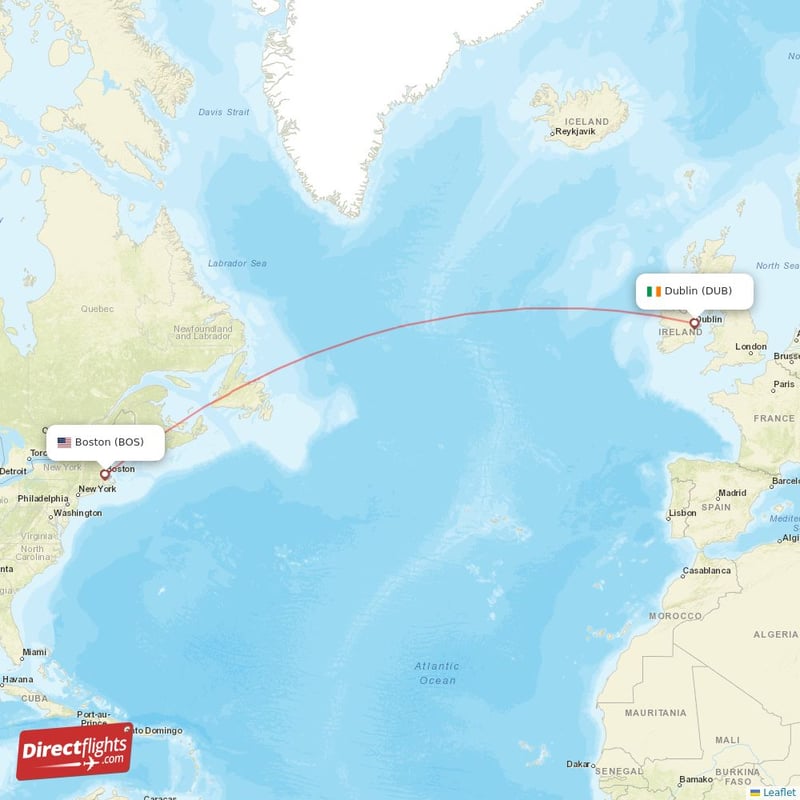
- Boston (BOS) to Dublin Airport (DUB): This is the most common direct route. The typical non-stop flight duration from Boston to Dublin ranges approximately from 6 hours and 5 minutes to 6 hours and 45 minutes. This relatively short transatlantic hop places you right in the heart of Ireland’s capital, offering immediate access to the city’s rich history, vibrant culture, and extensive transportation networks for onward travel across the island.
- Boston (BOS) to Shannon Airport (SNN): Located on the west coast, Shannon Airport provides excellent access to the scenic wonders of counties like Clare, Kerry, and Galway. Direct flights from Boston to Shannon typically last between 5 hours and 50 minutes to 6 hours and 30 minutes. This route can often be slightly shorter than to Dublin due to its more westerly position, offering a quicker entry point for those exploring the Wild Atlantic Way or the Ring of Kerry.
It’s important to note that these times represent the airborne duration. The total journey time will also include taxiing, takeoff, and landing procedures, adding a small amount to the overall travel experience.
Factors Influencing Flight Time
While direct flight durations offer a good baseline, several factors can subtly alter the actual time spent in the air:
- Jet Stream: The most significant influence on transatlantic flight times is the powerful atmospheric current known as the jet stream. Traveling eastbound (from Boston to Ireland), flights often benefit from a tailwind provided by the jet stream, which can significantly reduce flight duration. Conversely, westbound flights (from Ireland to Boston) typically face a headwind, making them longer – often by an hour or more compared to the eastbound journey.
- Air Traffic Control (ATC): Heavy air traffic, particularly around major hubs like Dublin Airport, can necessitate holding patterns or slightly altered flight paths, potentially adding a few minutes to the total flight time.
- Aircraft Type: Different aircraft models have varying cruising speeds. While the difference might be marginal for a single flight, it can contribute to slight variations in published flight durations. Newer, more efficient aircraft might complete the journey marginally faster.
- Weather Conditions: Adverse weather at either the departure or arrival airport, or along the flight path, can lead to route adjustments or delays, impacting the total time.
Understanding these variables helps manage expectations and appreciate the dynamic nature of aviation.
Exploring Routes with Layovers
While direct flights are often preferred, connecting flights can offer flexibility, cost savings, or the opportunity for a desired stopover. For travelers departing from Boston to Ireland, a layover will naturally extend the total travel time significantly.
When Layovers Become Necessary or Desirable
Connecting flights can be a strategic choice for several reasons:
- Cost Efficiency: Flights with layovers are frequently less expensive than direct routes, making them an attractive option for budget-conscious travelers.
- Destination Flexibility: If your final destination in Ireland isn’t directly served by a non-stop flight from Boston, a layover becomes a necessity. This is often the case for smaller regional airports in Ireland.
- Traveler Preference: Some individuals prefer to break up a long flight with a stopover, perhaps to stretch their legs, enjoy airport amenities, or even spend a day or two exploring a new city.
- Availability: During peak travel seasons, direct flights might be fully booked, leaving connecting flights as the only available option.
Common Layover Hubs
When flying from Boston to Ireland with a layover, you’ll typically connect through major international airports. These hubs are strategically located and offer numerous onward connections.
- European Hubs: Many flights will route through major European cities. Popular options include:
- London Heathrow (LHR), United Kingdom
- Reykjavik (KEF), Iceland (a popular choice with Icelandair)
- Amsterdam Schiphol (AMS), Netherlands
- Paris Charles de Gaulle (CDG), France
- Frankfurt Airport (FRA), Germany
- North American Hubs: Less common for a direct route to Ireland, but possible if flying with certain airlines or combining domestic legs:
- New York City (JFK/EWR)
- Philadelphia International Airport (PHL)
Calculating Total Travel Time with Layovers
The total travel time for a connecting flight is the sum of all flight segments plus the duration of each layover.
- Flight Segments: The individual flight durations will be similar to those of direct flights for each leg. For example, Boston to London might be around 6-7 hours, and London to Dublin another 1.5 hours.
- Layover Duration: Layovers can range significantly, from a quick 1.5-hour connection to an extended 8-12 hour stop. A comfortable minimum for an international transfer is usually 2-3 hours to allow for potential delays, security checks, and gate changes.
Therefore, a flight from Boston to Ireland with a single layover typically takes anywhere from 9 to 15 hours or more, depending heavily on the chosen connection time and layover airport. While longer, connecting flights provide a broader range of options, especially when direct availability is limited or if you’re seeking a specific travel experience.
Major Airlines and Their Offerings
A variety of airlines operate routes between Boston and Ireland, each offering different levels of service, pricing, and connectivity. Understanding which carriers fly which routes can help you make an informed decision based on your priorities.
Direct Flight Carriers
The most prominent airlines offering non-stop services from Boston to Ireland include:
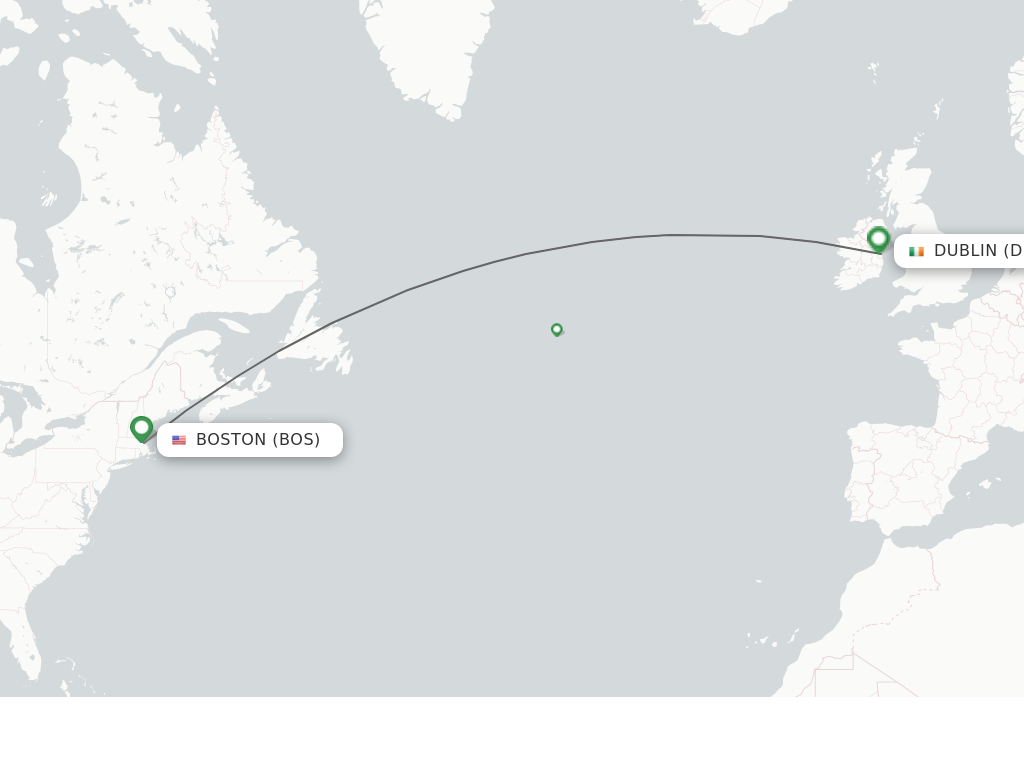
- Aer Lingus: As Ireland’s national flag carrier, Aer Lingus is the primary operator for direct flights from Boston Logan International Airport to both Dublin Airport and Shannon Airport. They offer multiple daily flights, especially to Dublin, providing excellent flexibility for travelers.
- Delta Airlines: Delta Airlines often operates seasonal or year-round direct flights from Boston to Dublin, providing a strong option for those who prefer U.S.-based carriers or have loyalty with Delta.
- United Airlines: While not always a direct Boston-Dublin route, United Airlines sometimes offers direct service or connects via their major hubs like Newark or Washington Dulles for onward travel to Ireland.
- American Airlines: Similar to United, American Airlines may offer seasonal direct flights or common connections through Philadelphia or Charlotte to reach Dublin.
Connecting Flight Options
For those open to layovers, a wider array of airlines becomes available, expanding your choices for routes and pricing:
- Icelandair: Renowned for offering stopovers in Reykjavik, Icelandair provides a popular and often cost-effective route from Boston to Dublin or Shannon.
- Lufthansa: Germany’s flag carrier, Lufthansa, connects Boston to Ireland via Frankfurt or Munich.
- Air France: Flying through Paris Charles de Gaulle, Air France provides another European connection point.
- KLM: The Dutch airline, KLM, offers routes via Amsterdam Schiphol.
- British Airways: Through its hub at London Heathrow or London Gatwick, British Airways offers numerous connections to Ireland.
Choosing the Right Airline
Selecting the best airline for your journey involves weighing several factors:
- Price: Naturally, budget is a significant consideration. Comparing prices across direct and connecting flights is crucial.
- Comfort and Service: Airlines vary in their in-flight amenities, seat pitch, meal service, and overall customer experience. Reading recent reviews can be helpful.
- Loyalty Programs: If you’re a member of an airline’s frequent flyer program or an alliance (like Star Alliance, SkyTeam, or Oneworld), choosing a partner airline can help you earn or redeem miles.
- Schedule and Convenience: The timing of the flight, the number of available connections, and the overall journey length will play a role in your decision.
Preparing for Your Transatlantic Journey
Once you’ve booked your flight from Boston to Ireland, it’s time to prepare for the actual journey. A transatlantic flight, while exciting, requires some foresight to ensure a comfortable and smooth experience.
Time Zone Adjustment and Jet Lag Management
Ireland operates on Irish Standard Time (IST), which is Greenwich Mean Time (GMT) or GMT+1 during Daylight Saving Time. Boston operates on Eastern Standard Time (EST), which is GMT-5. This means there is typically a five-hour time difference between Boston and Ireland.
- Eastbound Challenge: Flying eastbound means you’ll “lose” five hours, which can lead to jet lag upon arrival.
- Tips for Minimizing Jet Lag:
- Adjust Before You Go: A few days before departure, try to shift your sleep schedule closer to Ireland’s time zone.
- Stay Hydrated: Drink plenty of water before, during, and after your flight, avoiding excessive alcohol and caffeine.
- Move Around: On the flight, stretch and walk when possible to maintain circulation.
- Embrace Local Time: Upon arrival, immediately adjust your watch and try to follow the local schedule for meals and sleep, even if you don’t feel tired. Maximize exposure to natural light during the day.
In-Flight Comfort Essentials
A 6-7 hour flight is manageable, but comfort can significantly enhance the experience.
- Packing Smart:
- Neck Pillow and Eye Mask: Essential for catching some sleep.
- Noise-Canceling Headphones: Block out engine noise and crying babies, enhancing entertainment or rest.
- Comfortable Clothing: Wear loose, layered clothing.
- Hydration: Bring an empty reusable water bottle to fill after security.
- Snacks: While meals are served, having your favorite snacks can be a lifesaver.
- Entertainment: Load your devices with movies, podcasts, or books, even if the airline offers in-flight entertainment.
- Maximizing Comfort:
- Stay Hydrated: The dry cabin air can be dehydrating. Drink water regularly.
- Walk Around: Periodically stand up and walk the aisle to promote circulation and prevent stiffness.
- Stretch: Perform simple stretches in your seat to alleviate tension.
Arrival and Onward Travel in Ireland
Upon landing at either Dublin Airport or Shannon Airport, you’ll proceed through immigration and customs.
- U.S. Preclearance: A unique advantage for flights from Ireland to the United States is U.S. Customs and Border Protection preclearance. This means you clear U.S. immigration and customs in Ireland before your departure, allowing you to arrive as a domestic passenger in the U.S.. This doesn’t affect your arrival into Ireland, but it’s a significant benefit for your return journey.
- Transportation from the Airport:
- Dublin Airport (DUB): Easily accessible by bus (Aircoach, Dublin Express, local bus services) to Dublin city center and various regional locations. Taxis are also readily available.
- Shannon Airport (SNN): Bus services connect Shannon to nearby Limerick city and Galway. Car rental is a popular option here for exploring the west coast.
Beyond the Flight: Planning Your Irish Adventure
While knowing the flight duration is paramount, the ultimate goal is to experience Ireland itself. Maximizing your trip means planning thoughtfully beyond the airport gates.
Ideal Times to Visit
The best time to visit Ireland largely depends on your priorities:
- Summer (June-August): Offers the warmest weather and longest daylight hours, ideal for outdoor activities and touring. However, it’s also the peak tourist season, meaning larger crowds and higher prices.
- Shoulder Seasons (April-May, September-October): Often considered the sweet spot. The weather is milder, crowds are thinner, and prices are generally more reasonable. Spring brings blooming landscapes, while autumn offers beautiful fall foliage.
- Winter (November-March): Colder and wetter, with shorter daylight hours. However, it’s the quietest season, offering a chance to experience Ireland’s cozy pubs and cultural attractions without the crowds. Christmas markets and New Year’s celebrations in Dublin can be magical.
Key Destinations to Explore
Ireland boasts a wealth of attractions, from bustling cities to breathtaking natural wonders:
- Dublin City: The vibrant capital, home to historic sites like Dublin Castle and Trinity College, lively Temple Bar, and numerous museums.
- Cliffs of Moher: Iconic sea cliffs on the west coast, offering dramatic views of the Atlantic Ocean.
- Ring of Kerry: A scenic driving route in County Kerry, showcasing rugged coastline, charming villages, and historic sites.
- Galway: A bohemian city on the west coast known for its vibrant arts scene, traditional music, and friendly atmosphere.
- Cork: Ireland’s “real capital,” offering a rich culinary scene, historical sites, and proximity to attractions like Blarney Castle.
- Belfast, Northern Ireland: For those venturing north, Belfast offers the Titanic Belfast museum and a fascinating political history.
Essential Travel Tips
- Currency: The currency in the Republic of Ireland is the Euro (€). In Northern Ireland, it’s the British Pound (£).
- Driving: Ireland drives on the left side of the road. If you plan to rent a car, ensure you’re comfortable with this and consider automatic transmission if preferred.
- Connectivity: Purchase a local SIM card or an eSIM for affordable data and calls.
- Local Etiquette: The Irish are known for their hospitality. A simple “please” and “thank you” go a long way. Engaging in friendly banter in pubs is common and encouraged.
The flight from Boston to Ireland is a relatively swift passage across the Atlantic, typically lasting just over six hours for direct routes. By understanding the factors that influence flight times, exploring various airline options, and preparing thoroughly for the journey and your subsequent adventures, you can ensure a smooth and memorable travel experience to the enchanting shores of Ireland. From the moment you depart Boston Logan to your arrival at Dublin or Shannon, every detail contributes to the narrative of your unforgettable trip.
LifeOutOfTheBox is a participant in the Amazon Services LLC Associates Program, an affiliate advertising program designed to provide a means for sites to earn advertising fees by advertising and linking to Amazon.com. Amazon, the Amazon logo, AmazonSupply, and the AmazonSupply logo are trademarks of Amazon.com, Inc. or its affiliates. As an Amazon Associate we earn affiliate commissions from qualifying purchases.