
The sunshine state of Florida is renowned globally for its pristine beaches, vibrant theme parks, and unique ecosystems. Millions flock to its shores annually, eager to experience its unparalleled natural beauty and exhilarating attractions. However, beneath the surface of this idyllic image lies a complex and dynamic wildlife landscape, often sparking curiosity and sometimes concern among visitors. Among the most frequently asked questions regarding Florida’s formidable reptilian inhabitants is the intriguing query: “Are there Nile Crocodiles in Florida?” While the immediate answer might conjure images of distant African safaris, the reality is more nuanced and holds significant implications for both the local environment and the tourist experience. Understanding the presence, or potential presence, of such an apex predator is crucial for any responsible traveler venturing into Florida’s wild heartlands.
The Curious Case of Florida’s Reptilian Residents
Florida boasts a rich tapestry of native wildlife, and its wetlands are particularly famous for their impressive reptile populations. Before addressing the specific question of Nile Crocodiles, it’s essential to appreciate the state’s indigenous crocodilian species, which have coexisted with humans for centuries and form an integral part of its natural allure.
The Native Alligator and Crocodile Population
Florida is unique within the United States for being the only place where both alligators and crocodiles live side-by-side in the wild.
The American Alligator (Alligator mississippiensis) is the more common and widespread of the two. These impressive reptiles can be found in virtually every freshwater body across the state, from retention ponds in suburban areas to the vast swamps of the Everglades. They are an iconic symbol of Florida’s wild character, often spotted basking along canal banks or slowly gliding through marshes. While generally shy and wary of humans, they are powerful predators and require respect and distance from visitors. Their U-shaped snout and dark coloration distinguish them.
The American Crocodile (Crocodylus acutus) is far rarer and more elusive. Unlike their alligator cousins, these crocodiles prefer brackish or saltwater habitats, primarily inhabiting the southernmost tips of Florida, including parts of Everglades National Park, Florida Bay, and the Florida Keys. They possess a narrower, V-shaped snout and a lighter, grayish-green coloration. American Crocodiles are an endangered species, and conservation efforts have slowly helped their numbers recover in recent decades. Tourists venturing into these specific coastal areas might catch a glimpse, though sightings are relatively rare.
The Mystery of the Nile Crocodile Sightings
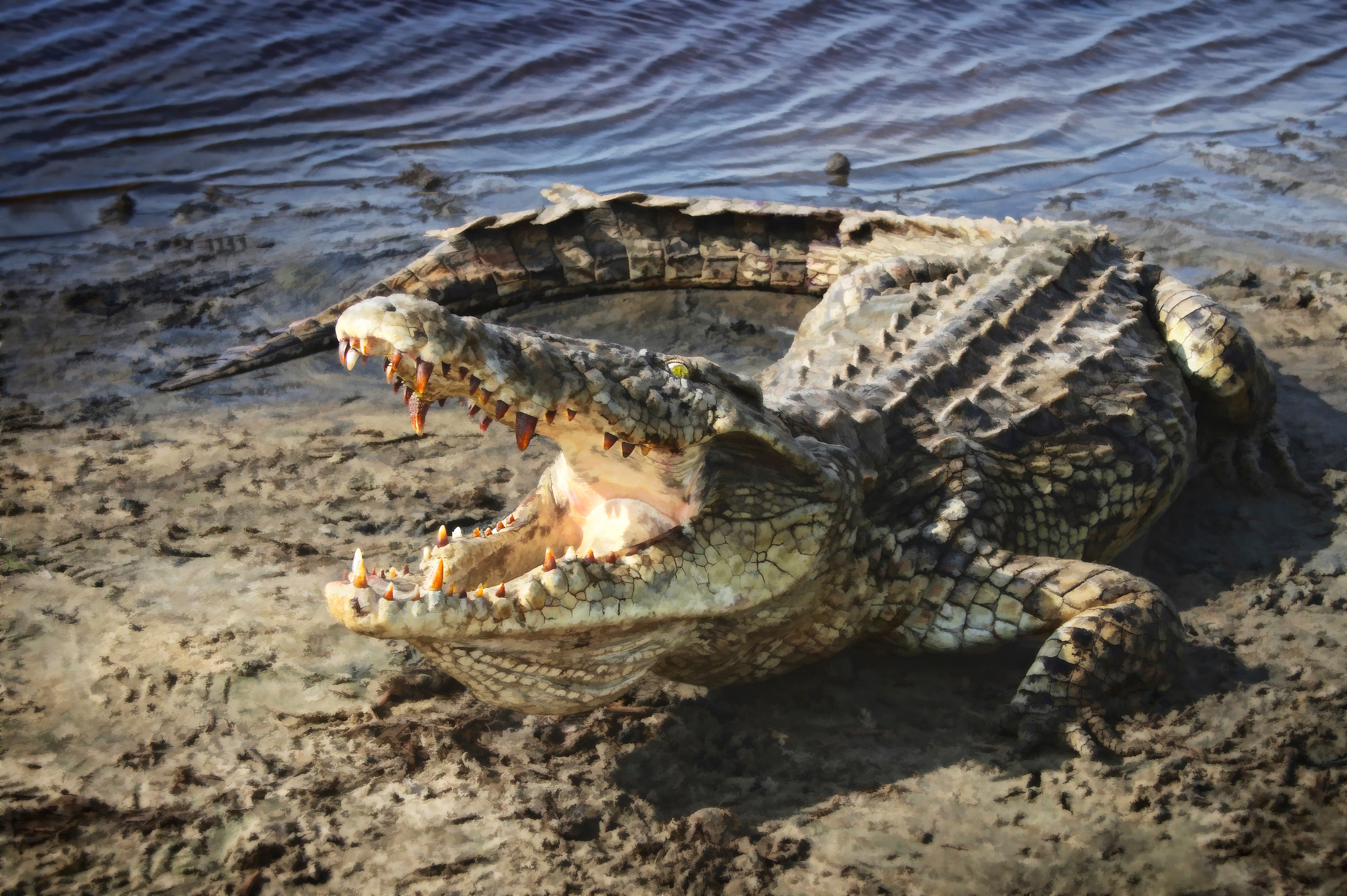
Now, to the heart of the matter: Nile Crocodiles in Florida. The answer, surprisingly, is yes – they have been found, albeit in very limited numbers. Between 2000 and 2014, several juvenile Nile Crocodiles were captured in South Florida, primarily in the Everglades and surrounding areas. This discovery sent ripples through the scientific community and among wildlife enthusiasts, raising significant concerns.
These sightings are not indicative of a breeding population establishing itself, but rather isolated incidents. Research conducted by the University of Florida and the FWC (Florida Fish and Wildlife Conservation Commission) confirmed their identity through DNA analysis, tracing their lineage back to native Nile Crocodiles in Africa. The most probable explanation for their presence is the illegal pet trade. Individuals likely acquired these exotic reptiles as pets, and as they grew too large or difficult to manage, they were irresponsibly released into the wild. This unfortunate practice is a persistent problem in Florida, contributing to various invasive species issues, from Burmese pythons to iguanas. While the immediate threat of a widespread Nile Crocodile infestation remains low due to proactive capture efforts, their brief appearance serves as a stark reminder of the delicate balance of Florida’s ecosystems and the potential for disruption by non-native species.
Understanding the Threat: Why Nile Crocodiles Matter
The presence of any invasive species poses a challenge to native ecosystems, but the introduction of a top-tier predator like the Nile Crocodile carries particularly severe implications. Their potential to thrive in Florida’s subtropical climate makes them a species of considerable concern for wildlife managers and a point of interest for tourists understanding the unique dynamics of the local environment.
Ecological Impact and Invasive Species Concerns
Nile Crocodiles are formidable predators, native to Africa, known for their large size, aggressive demeanor, and opportunistic hunting strategies. They can grow significantly larger than American Alligators and American Crocodiles, with some individuals reaching over 20 feet in length and weighing more than 1,500 pounds. Their broad diet includes fish, birds, mammals, and even other reptiles.
If a viable breeding population of Nile Crocodiles were to establish itself in Florida, the ecological consequences could be catastrophic. They would immediately compete with native species for food and territory, potentially outcompeting both American Alligators and American Crocodiles due to their size and aggressive nature. This competition could lead to declines in native crocodilian populations, disrupting the delicate balance of the food web. Furthermore, their predatory habits could devastate populations of other native wildlife, including wading birds, otters, and even endangered species, pushing Florida’s already fragile ecosystems closer to collapse. The state has already grappled with the severe impact of other invasive species like the Burmese python in the Everglades, which has decimated small mammal populations. The prospect of another large, resilient predator taking hold is a scenario Florida’s conservationists are desperate to avoid.
Public Safety Implications for Tourists and Residents
Beyond the ecological concerns, the prospect of Nile Crocodiles in Florida raises significant public safety issues. While American Alligators and American Crocodiles can be dangerous, they generally avoid humans and attacks are rare, often occurring when alligators are fed or provoked. Nile Crocodiles, however, have a reputation for being far more aggressive and account for hundreds of human fatalities in Africa annually. Their predatory instinct is strong, and they are known to ambush prey from the water’s edge, including large mammals.

For tourists visiting Florida’s numerous natural parks, waterways, and recreational areas, the presence of such a dangerous animal would necessitate a much higher level of vigilance and caution. The risk to swimmers, kayakers, fishermen, and even those simply enjoying the waterfront would increase dramatically. While authorities have been proactive in capturing the few sighted individuals, the potential for an unseen population to grow highlights the importance of wildlife education and safety protocols for anyone enjoying Florida’s wild spaces. It underscores why understanding the nuances of Florida’s wildlife is not just an academic exercise but a practical matter of safety.
Navigating Florida’s Wild Side: Tourist Activities & Safety
For tourists captivated by Florida’s unique biodiversity, the state offers countless opportunities for wildlife viewing. While the remote possibility of encountering an invasive Nile Crocodile adds an unusual layer to the discussion, the primary focus for visitors should remain on appreciating the native species safely and responsibly.
Responsible Wildlife Viewing in Florida
Florida is a paradise for nature lovers, providing unparalleled access to stunning natural landscapes and incredible wildlife. The key to a fulfilling and safe experience is responsible viewing.
- Everglades National Park: This UNESCO World Heritage Site is the ultimate destination for seeing American Alligators and potentially American Crocodiles in their natural habitat. Airboat tours, ranger-led walks, and elevated boardwalks like the Anhinga Trail offer fantastic, safe viewing opportunities. The park also showcases an incredible array of birds, turtles, and other reptiles.
- Big Cypress National Preserve: Adjoining the Everglades, this preserve offers similar wildlife encounters, often with fewer crowds. Loop Road Scenic Drive is known for its alligator sightings.
- Wildlife Management Areas & State Parks: Numerous smaller state parks and wildlife management areas across Florida, from Orlando to Miami, Fort Lauderdale and Naples, offer boardwalks and observation decks where alligators are commonly seen. Always check park regulations before visiting.
- Guided Tours: Opting for reputable guided tours, such as airboat rides or swamp buggies, ensures that you are accompanied by experienced professionals who understand animal behavior and prioritize safety. They provide valuable insights into the ecosystem and enhance the viewing experience.
Essential Safety Tips for Visitors
Regardless of the presence of invasive species, common-sense safety measures are paramount when in any wild environment, especially in Florida where large reptiles are common.
- Never Feed Wildlife: This is the golden rule. Feeding alligators or crocodiles makes them lose their natural fear of humans and associate people with food, leading to dangerous encounters. It is illegal and highly discouraged.
- Keep a Safe Distance: Maintain a healthy distance from alligators, crocodiles, and other wild animals. If an animal reacts to your presence, you are too close. Use binoculars or a telephoto lens for close-up viewing.
- Swim Only in Designated Areas: Always obey warning signs and only swim in areas officially designated as safe. Avoid swimming in natural freshwater bodies, especially at dusk or dawn when alligators are most active.
- Be Aware of Your Surroundings: Pay attention to your environment, particularly near water bodies. Supervise children and pets closely. Keep pets on a leash and away from the water’s edge.
- Do Not Harass or Provoke: Never attempt to touch, capture, or provoke any wild animal. This is dangerous and can lead to aggressive defensive behavior.
- Report Unusual Sightings: If you spot an animal that appears out of place or exhibits unusual behavior, especially if you suspect it might be a non-native species like a Nile Crocodile, report it immediately to the FWC (Florida Fish and Wildlife Conservation Commission). Your timely report can aid conservation efforts.
Beyond Reptiles: Other Wildlife Attractions
While crocodilians steal much of the reptilian spotlight, Florida’s tourism offers a much broader spectrum of wildlife experiences. Tourists can enjoy encounters with gentle manatees in crystal-clear springs like those in Crystal River, spot playful dolphins along the coastlines of Key West or Sarasota, and marvel at hundreds of species of migratory and resident birds in its diverse habitats. From the captivating wading birds of the Everglades to the graceful pelicans fishing in coastal waters, Florida’s natural world is a vibrant and accessible treasure trove, even without the allure of exotic, invasive predators.
The Future of Florida’s Ecosystem and Tourism
Florida’s unique position as a subtropical haven makes it particularly vulnerable to invasive species. The periodic discovery of exotic animals, including the Nile Crocodile, serves as a continuous reminder of the challenges faced by its ecosystems and the critical role of vigilant management and responsible tourism.
Ongoing Monitoring and Management Efforts
The FWC (Florida Fish and Wildlife Conservation Commission), in collaboration with academic institutions like the University of Florida, maintains rigorous monitoring programs for both native and non-native species. These efforts involve extensive fieldwork, genetic analysis, and public outreach. For species like the Nile Crocodile, rapid response protocols are in place to capture any individuals sighted, preventing them from establishing a foothold. Researchers continually study the climate suitability and potential impact of various exotic species to anticipate and mitigate threats. These scientific endeavors are vital in protecting Florida’s’s biodiversity and ensuring its natural attractions remain vibrant for future generations of tourists.

Empowering Tourists: Your Role in Conservation
As a tourist, your visit to Florida offers more than just a memorable vacation; it provides an opportunity to contribute to the state’s conservation efforts.
- Practice Responsible Tourism: Adhere to all park rules and safety guidelines. Stay on marked trails, dispose of waste properly, and avoid disturbing wildlife or their habitats. Your respectful presence helps maintain the integrity of natural areas.
- Support Eco-Tourism Operators: Choose tour companies and attractions that prioritize environmental sustainability and ethical wildlife interactions. Many organizations reinvest profits into conservation or educate visitors on ecological issues.
- Never Release Pets into the Wild: This cannot be stressed enough. The vast majority of invasive species, including those few Nile Crocodiles found, originate from irresponsible pet ownership. If you have an exotic pet you can no longer care for, seek out rescue organizations or pet surrender programs; never release it into the environment.
- Be an Informed Advocate: Share your knowledge with others. By understanding the threats posed by invasive species and the importance of native wildlife, you become an ambassador for Florida’s natural heritage.
In conclusion, while the thought of Nile Crocodiles in Florida is startling and has a basis in rare past sightings, it is not a widespread phenomenon that should deter visitors. Florida remains a safe and spectacular destination for experiencing diverse wildlife. By staying informed, practicing responsible tourism, and respecting the natural world, tourists can continue to enjoy the wonders of the Sunshine State while also playing a crucial role in its ongoing conservation success story. The true allure of Florida’s wild side lies not in its exotic dangers, but in the enduring beauty and resilience of its native inhabitants.
LifeOutOfTheBox is a participant in the Amazon Services LLC Associates Program, an affiliate advertising program designed to provide a means for sites to earn advertising fees by advertising and linking to Amazon.com. Amazon, the Amazon logo, AmazonSupply, and the AmazonSupply logo are trademarks of Amazon.com, Inc. or its affiliates. As an Amazon Associate we earn affiliate commissions from qualifying purchases.