
Nestled in the southwestern corner of the Grand Canyon State, Yuma, Arizona, is far more than just a dot on the map; it’s a vibrant, sun-drenched oasis rich in history, natural beauty, and unique cultural experiences. Often referred to as “The Sunniest City on Earth,” Yuma beckons travelers with its perpetually clear skies, warm desert climate, and a fascinating blend of Old West charm and modern amenities. For those seeking an escape from colder climes, an exploration into America’s frontier past, or an adventure in the vast desert landscape, understanding Yuma’s precise location and what it offers is the first step toward an unforgettable journey. This article delves into the geographical heart of Yuma, unraveling its historical significance, diverse attractions, and the myriad ways visitors can immerse themselves in its distinctive lifestyle, from luxurious stays to budget-friendly family trips.
Unveiling Yuma’s Geographic Charm and Climate
To truly appreciate Yuma, one must first grasp its unique positioning and the remarkable climate that defines it. This city’s location is not merely a matter of coordinates; it’s a historical and environmental crossroads that has shaped its identity for centuries.
A Strategic Desert Location
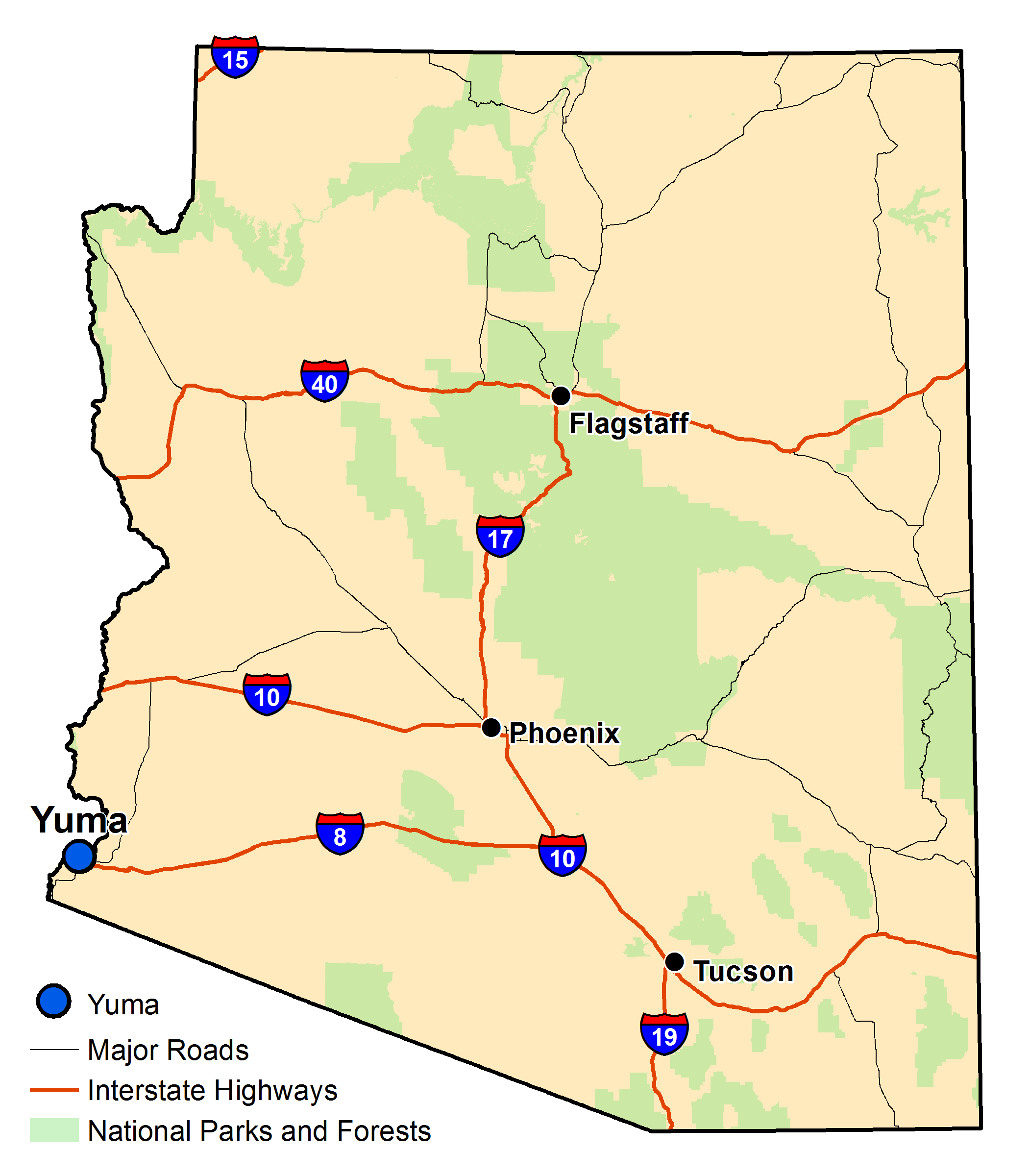
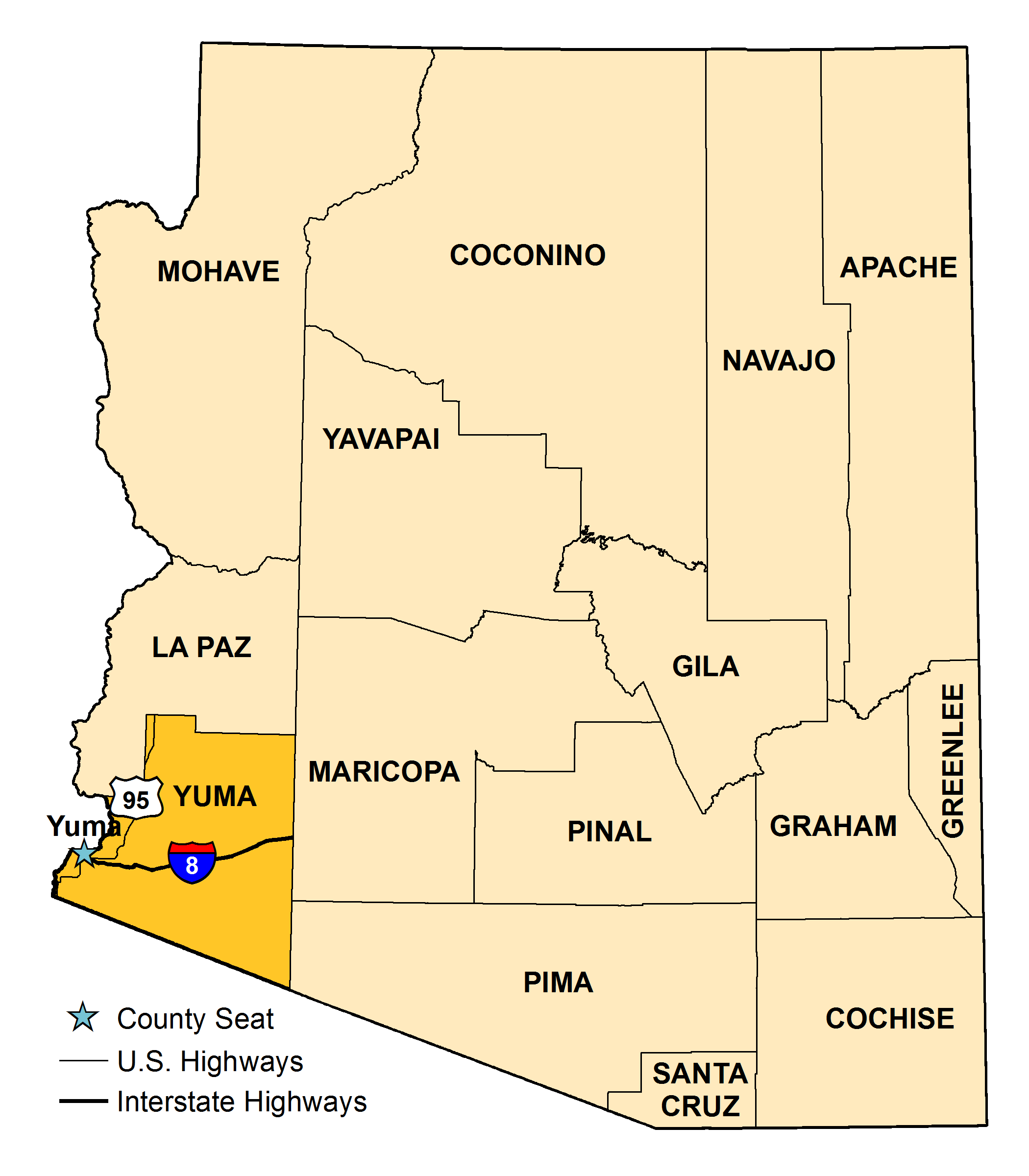
Yuma is situated in the extreme southwest Arizona desert, just north of the border with Mexico and along the eastern bank of the mighty Colorado River, which also forms the boundary with California. This confluence of river, desert, and international borders makes Yuma a strategically significant locale. Historically, it was one of the few natural crossings of the Colorado River for hundreds of miles, making it an indispensable waypoint for early explorers, pioneers, and gold seekers heading west. The city stands at an elevation of approximately 147 feet (45 meters) above sea level, nestled within the vast Sonoran Desert landscape. Its proximity to major transportation routes, notably Interstate 8 (I-8), further solidifies its role as a key hub for travel and commerce in the region. This desert setting, while seemingly remote, places Yuma within easy reach of larger cities like Phoenix and San Diego, making it an accessible destination for those flying into Yuma International Airport or driving cross-country.
The Allure of Yuma’s Sun-Drenched Climate
One of Yuma’s most compelling attributes is its extraordinary climate. With an average of 308 sunny days per year and over 4,000 hours of sunshine annually, it truly lives up to its moniker as “The Sunniest City on Earth.” This perpetual sunshine, combined with incredibly low humidity, creates an arid environment that is a significant draw for visitors, particularly during the winter months. From October to April, Yuma transforms into a haven for “snowbirds” – visitors from colder regions seeking warmth and outdoor activity. Winter temperatures are remarkably mild, often hovering in the comfortable 60s and 70s Fahrenheit (15-25°C), perfect for hiking, golf, or simply enjoying a patio lunch. While summer temperatures can soar well into the triple digits, the dry heat is often more tolerable than humid climates, and many local establishments and accommodations are well-equipped to ensure comfort even during the warmest months. This consistent sunshine and agreeable winter weather underpin much of Yuma’s tourism industry, making it an ideal destination for those who cherish clear skies and a perpetual outdoor lifestyle.
A Journey Through Time: Yuma’s Rich History and Culture
Beyond its climate and location, Yuma offers a captivating journey through American history, from ancient indigenous civilizations to the rugged days of the Wild West. Its past is not merely preserved in museums; it’s etched into the landscape and brought to life through meticulously maintained landmarks.
Echoes of the Past: From Indigenous Roots to Pioneer Spirit
The history of Yuma stretches back thousands of years, long before European contact. The region has been home to various Native American tribes, most notably the Quechan and Cocopah tribes, who utilized the life-giving waters of the Colorado River for sustenance and established intricate trading networks. Spanish explorers first arrived in the 16th century, recognizing the strategic importance of the river crossing. However, it was the California Gold Rush in the mid-19th century that truly put Yuma on the map. Thousands of prospectors, settlers, and merchants flocked to the area, needing to cross the Colorado River at what became known as Yuma Crossing. This pivotal point facilitated the growth of a bustling river port, where steamboats ferried goods and people upstream and downstream, making Yuma the gateway to the West. The establishment of military outposts, the infamous territorial prison, and the development of agricultural practices further cemented Yuma’s role as a vital player in the shaping of the American Southwest. Today, the Yuma Crossing National Heritage Area meticulously preserves this rich tapestry of history, allowing visitors to walk in the footsteps of those who came before.

Unearthing Yuma’s Iconic Landmarks
Yuma boasts an impressive collection of historical landmarks, each telling a unique story of struggle, survival, and progress. These sites offer more than just a glimpse into the past; they provide immersive experiences for all ages.
- Yuma Territorial Prison State Historic Park: Perhaps Yuma’s most famous landmark, this formidable stone prison housed some of the West’s most hardened criminals from 1876 to 1909. Visitors can explore original cells, the main guard tower, and the solitary confinement area, gaining chilling insights into the lives of both prisoners and guards. The museum at the park provides extensive exhibits, photographs, and artifacts that vividly recount the prison’s operational history and the individuals who passed through its gates.
- Quartermaster Depot State Historic Park: Located adjacent to the Colorado River, this site served as the central supply depot for all military posts in Arizona, Nevada, Utah, and New Mexico from 1864 to 1891. The Quartermaster Depot was a crucial logistical hub, supplying forts and Indian agencies throughout the Southwest. Today, beautifully preserved adobe buildings house exhibits detailing the site’s military significance, the importance of river commerce, and the lives of those who worked there. It’s a key part of the Yuma Crossing National Heritage Area, offering picturesque river views and a serene atmosphere.
- Castle Dome Mines Museum & Ghost Town: For an authentic taste of the Old West, a visit to Castle Dome Mines Museum & Ghost Town is essential. Located about an hour north of Yuma, this privately owned museum preserves an actual 1878 mining town, complete with original buildings relocated and restored from the surrounding area. Visitors can wander through a saloon, general store, church, and more, all filled with period artifacts. The site also offers tours of the historic silver and lead mines, providing a hands-on understanding of Arizona’s rich mining heritage.
- Historic Downtown Yuma: Not a single landmark, but an entire district, Historic Downtown Yuma is a living museum. Its charming streets are lined with historic buildings that now house unique shops, art galleries, and diverse restaurants. It’s a perfect place for a leisurely stroll, offering insight into Yuma’s vibrant past blended seamlessly with its present-day cultural scene.
Experiencing Yuma: Attractions, Activities, and Local Flavors
Yuma is not just a place to learn about history; it’s a destination where you can actively engage with the desert environment, savor local cuisine, and participate in a vibrant community life. The array of activities caters to all interests, from adrenaline junkies to those seeking tranquil relaxation.
Outdoor Adventures and Natural Wonders
The vast desert landscape and the presence of the Colorado River provide a natural playground for outdoor enthusiasts.
- Colorado River Activities: The river is the lifeblood of Yuma and offers abundant recreational opportunities. Boating, jet skiing, fishing, and kayaking are popular pastimes. Many visitors enjoy scenic boat tours that highlight the area’s natural beauty and historical significance. The calm stretches of the river are perfect for paddling, offering chances to spot local wildlife and enjoy the serene desert backdrop.
- Desert Exploration: The surrounding Sonoran Desert invites exploration with its unique flora and fauna. Hiking and mountain biking trails cater to various fitness levels, leading to breathtaking vistas and encounters with iconic saguaro cacti (while Saguaro National Park is a few hours away, the desert landscapes around Yuma offer similar iconic views). Off-roading and ATV adventures are also immensely popular, particularly at the nearby Imperial Sand Dunes, a vast expanse of towering sand dunes that provides an exhilarating experience. Birdwatching is another cherished activity, especially at preserves like Mittry Lake, where a diverse array of migratory and resident birds can be observed.
- Agricultural Tours: Yuma is known as the “Winter Lettuce Capital of the World,” producing the vast majority of the leafy greens consumed in North America during the colder months. During the winter season, visitors can take fascinating tours of farms and learn about modern agricultural practices, tasting fresh produce directly from the fields. Events like Yuma Lettuce Days celebrate this agricultural heritage with food tastings, cooking demonstrations, and farm exhibits.
Culinary Delights and Cultural Immersion
Yuma’s unique position near the Mexican border and its agricultural prowess have fostered a distinctive culinary scene and a vibrant cultural tapestry.
- Southwestern and Mexican Cuisine: The strong Mexican influence is evident in Yuma’s food scene. Authentic Mexican restaurants abound, offering everything from traditional street tacos to elaborate mole dishes. Southwestern cuisine, characterized by its use of chiles, corn, and beans, is also prevalent. Foodies will delight in exploring the local eateries, many of which are family-owned and have been serving the community for generations.
- Local Farmers’ Markets: Emphasizing its agricultural roots, Yuma hosts several farmers’ markets, particularly during the winter season. These markets are ideal places to sample local produce, artisanal foods, and handmade crafts, providing a direct connection to the community and its bounty.
- Events and Festivals: Throughout the year, Yuma comes alive with various festivals and events that celebrate its history, culture, and community spirit. From the aforementioned Yuma Lettuce Days to the hugely popular Midnight at the Oasis Car Show and the annual Rio de Cerveza Brewfest, there’s almost always something happening to entertain visitors and locals alike, reflecting the lively lifestyle of this desert city. These events are fantastic opportunities for cultural immersion and to experience the welcoming atmosphere of Yuma.
Planning Your Stay: Accommodation and Travel Tips
Making the most of your Yuma adventure requires a bit of planning, especially regarding where to stay and how to navigate the region. Whether you’re seeking luxury or a budget-friendly option, Yuma offers a diverse range of accommodations and practical travel advice to ensure a smooth and enjoyable visit.
Diverse Accommodation Options
Yuma understands the varied needs of its visitors, offering a spectrum of lodging choices from modern hotels to long-term stays popular with snowbirds.
- Hotels and Resorts: For travelers seeking comfort and convenience, Yuma provides numerous well-known hotel chains. Options like the Hilton Garden Inn Yuma Pivot Point offer modern amenities, excellent service, and often prime locations near attractions or the river. The Holiday Inn Express & Suites Yuma is another popular choice, providing comfortable rooms, complimentary breakfast, and pools, ideal for both families and business travelers. While Yuma might not have sprawling luxury resorts in the same vein as Scottsdale, many hotels offer resort-like amenities such as large swimming pools, fitness centers, and on-site dining, ensuring a pleasant stay.
- RV Parks and Long-term Stays: A significant portion of Yuma’s visitor population comprises “snowbirds” who stay for several weeks or months during the winter. Consequently, the city is dotted with numerous high-quality RV parks and mobile home communities that offer a wide range of amenities, including clubhouses, heated pools, planned activities, and strong community vibes. These options are perfect for those seeking a longer, more affordable, and community-oriented stay, offering a true taste of the Yuma lifestyle.
- Vacation Rentals: For those preferring more space, privacy, or a home-away-from-home feel, vacation rentals such as houses, apartments, and villas are readily available through various booking platforms. These can be particularly appealing for families or groups traveling together, providing kitchens and multiple living areas.
- Budget-Friendly Options: Travelers on a budget will find a good selection of motels and economy hotels that provide clean, comfortable, and affordable accommodation without compromising on access to Yuma’s attractions.
Navigating Yuma and Beyond
Getting to and around Yuma is relatively straightforward, but a few tips can enhance your travel experience.
- Getting There: Yuma International Airport (YUM) offers commercial flights, primarily connecting through Phoenix or Dallas/Fort Worth. For many, driving is the preferred method, as Yuma is conveniently located directly on Interstate 8, making it easily accessible from San Diego (about 2.5 hours west) or Phoenix (about 3 hours east).
- Getting Around: While there is some local public transportation, a car is highly recommended for exploring Yuma and its surrounding attractions. Many landmarks are spread out, and having your own vehicle offers the flexibility to visit sites like Castle Dome Mines Museum & Ghost Town or take a day trip across the border.
- Best Time to Visit: The prime season for visiting Yuma is from October to April, when the weather is mild and pleasant. During these months, the city is bustling with activities, events, and a lively atmosphere. Summer visits are possible for those who can tolerate extreme heat, with many indoor attractions and water-based activities providing relief.
- Day Trips: Yuma’s strategic location makes it an excellent base for several exciting day trips. The Mexican border town of Los Algodones is just a short drive away, famous for its dental and medical tourism, as well as affordable shopping and dining. The dramatic landscapes of the Imperial Sand Dunes in California offer an adventurous escape, popular for off-roading and photography.
Yuma, A Desert Gem Awaiting Discovery
Yuma, Arizona, stands as a testament to the enduring allure of the American Southwest. Its location at the crossroads of three states and an international border, blessed with an unparalleled abundance of sunshine, has shaped a city rich in compelling history and diverse natural beauty. From the eerie cells of its historic territorial prison to the vibrant agricultural fields that feed a nation, and from the tranquil waters of the Colorado River to the thrilling expanse of the desert dunes, Yuma offers a multifaceted experience for every type of traveler. Whether you’re a history buff, an outdoor adventurer, a culinary explorer, or simply seeking a warm retreat from winter, Yuma promises an enriching journey. It’s more than just “where” Yuma is; it’s about what Yuma is — a welcoming desert gem, steeped in stories and waiting to be discovered. Plan your visit to this unique Arizona destination and uncover the magic of the sunniest city for yourself.
LifeOutOfTheBox is a participant in the Amazon Services LLC Associates Program, an affiliate advertising program designed to provide a means for sites to earn advertising fees by advertising and linking to Amazon.com. Amazon, the Amazon logo, AmazonSupply, and the AmazonSupply logo are trademarks of Amazon.com, Inc. or its affiliates. As an Amazon Associate we earn affiliate commissions from qualifying purchases.