
Boston, the historic heart of Massachusetts and a gem of New England, transforms into a picturesque winter wonderland with the arrival of snow. For travelers contemplating a visit during the colder months, understanding the city’s snowfall patterns is not just a matter of curiosity but a crucial aspect of planning an enjoyable and well-prepared trip. From its historic cobblestone streets to its modern waterfront, a blanket of white snow imbues Boston with a unique charm, offering different experiences depending on whether you embrace or seek to avoid its snowy embrace. This guide delves into the specifics of Boston’s snowfall, offering insights for every type of traveler.

Boston’s Winter Wonderland: An Overview of Snowfall Patterns
Boston’s geographical location on the Atlantic coast makes it susceptible to significant snowfall, contributing to its reputation for classic New England winters. While the beauty of a snow-covered city is undeniable, understanding the frequency and intensity of these events is key to a successful travel itinerary.
Historical Averages and Seasonal Variations
Historically, Boston receives an average of approximately 43-45 inches (around 109-114 cm) of snow annually. However, this is an average, and actual snowfall can vary wildly from year to year. Some winters are remarkably mild with minimal accumulation, while others can be legendary for their record-breaking blizzards.
The snow season typically commences in December, with the first significant dustings often appearing in early to mid-month. January and February are generally the snowiest months, often seeing multiple storms and the deepest accumulations. By March, snowfall becomes less frequent, though a late-season storm is not uncommon. April typically marks the end of the snow season, with any remaining flurries usually melting quickly. Travelers hoping to experience a truly snowy Boston should aim for January or February, while those preferring to avoid heavy snow might consider late November or early December, or late March.
The Nor’easter Phenomenon
A significant portion of Boston’s heavy snowfall comes from powerful winter storms known as Nor’easters. These are large-scale extratropical cyclones that track along the East Coast of North America. When a Nor’easter develops, it pulls cold air from the arctic and moisture from the Atlantic Ocean, often resulting in heavy snow, strong winds, and sometimes coastal flooding. A single Nor’easter can drop a foot or more of snow in 24-48 hours, dramatically altering travel conditions and transforming the city overnight. Understanding the potential for Nor’easters is vital for travelers, as these events can lead to widespread travel disruptions.
Factors Influencing Boston’s Snowfall
Several factors contribute to Boston’s snowy winters. Its coastal proximity provides ample moisture from the Atlantic, a crucial ingredient for snow production. The city’s latitude places it in a prime position for cold air masses descending from Canada and the Arctic. Furthermore, the topography, though not mountainous, plays a role in how snow accumulates and persists, especially in more sheltered urban areas or open parks. The interplay of these elements creates the dynamic and often unpredictable snowfall patterns that characterize Boston’s winter landscape.
Planning Your Boston Winter Trip: What to Expect
A winter visit to Boston offers a unique charm, but it requires careful planning to ensure comfort and maximize enjoyment. Knowing what to expect regarding weather, attire, and transportation is paramount.
Best Times to Visit for Snow vs. Avoiding It
If your goal is to experience Boston under a blanket of fresh snow, aim for January or February. These months consistently see the highest average snowfall and provide the best chances for a truly picturesque, snow-covered cityscape. Be prepared for colder temperatures and the potential for significant storms.
Conversely, if you prefer to avoid heavy snowfall but still wish to enjoy Boston’s winter atmosphere, consider visiting in early December or late March. Early December often brings festive decorations and a chill in the air with less likelihood of major snow events. Late March offers a glimpse of spring, with milder temperatures and melting snow, though a surprise storm can always occur. These shoulder months can provide a more moderate winter experience.
Essential Packing List for a Snowy Boston
Packing appropriately is non-negotiable for a winter trip to Boston. Layers are key. Start with thermal underwear, add a warm sweater or fleece, and top it with a waterproof and windproof winter coat. Don’t underestimate the importance of accessories: a warm hat that covers your ears, a thick scarf, and waterproof gloves or mittens are essential.
Footwear is perhaps the most critical item. Invest in waterproof, insulated boots with good traction to navigate snowy and potentially icy sidewalks. Wool socks will keep your feet warm and dry. Hand warmers can be a thoughtful addition for extended outdoor activities. Remember that indoor heating can be robust, so having layers you can easily shed is practical.
Transportation in Snow
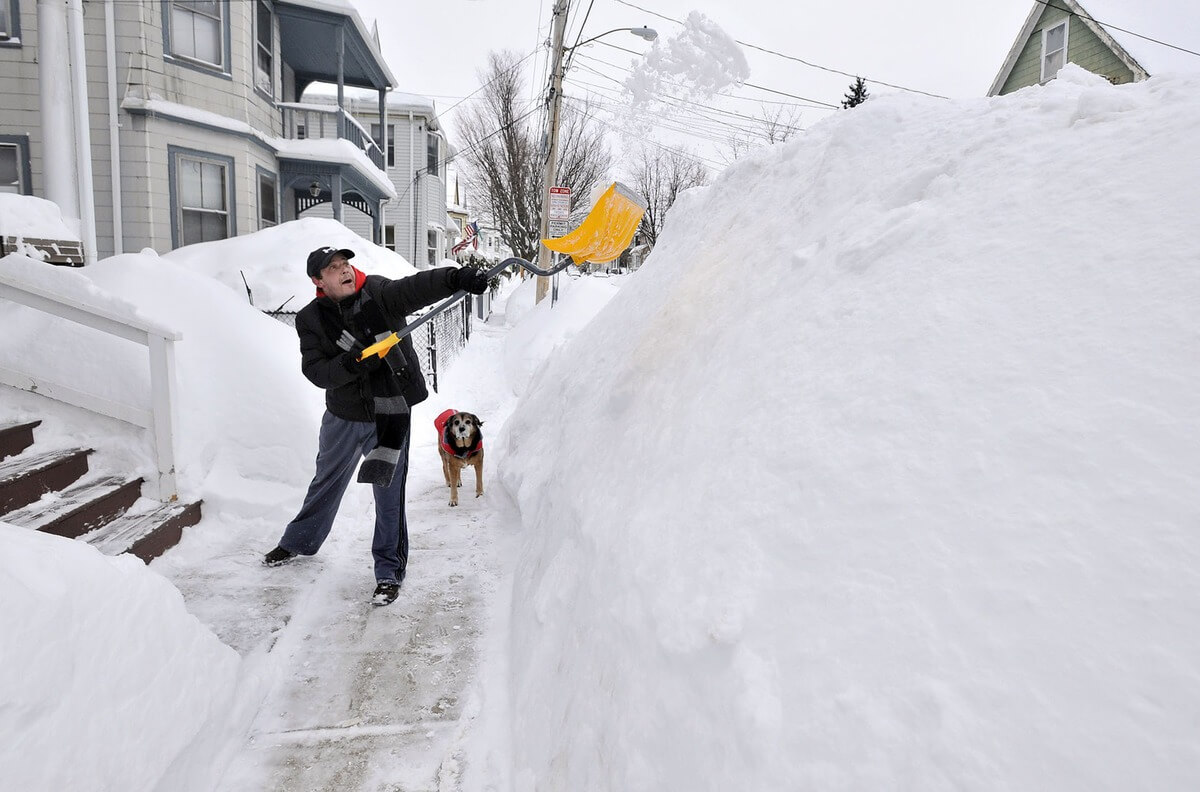
Navigating Boston during or after a snowfall can present challenges, but the city is well-equipped to handle it. The Massachusetts Bay Transportation Authority (MBTA) (affectionately known as the “T”) operates subway, bus, and commuter rail services that are generally reliable, even in snowy conditions. However, buses might face delays due to road conditions, and certain subway lines (especially above-ground sections) can experience disruptions during severe storms. Always check the MBTA website or app for real-time updates.
Driving in Boston during snow is not recommended for visitors unfamiliar with the city or winter driving conditions. Streets can become narrow due to snowbanks, and parking can be severely restricted. Taxis and ride-sharing services are available but might have surge pricing and longer wait times during peak snow events. Walking, especially through cleared paths in downtown areas like Downtown Crossing or Quincy Market, is often the most enjoyable way to experience the city’s winter charm, provided you have the right footwear.
Experiencing Boston’s Snow-Kissed Attractions and Activities
Boston’s character changes with the snow, offering unique opportunities for exploration and enjoyment that differ from its warmer seasons. The city’s historic landscape truly shines under a blanket of white.
Iconic Landmarks Under a Blanket of White
Many of Boston’s most famous attractions take on an enchanting quality when dusted with snow. The Boston Common and Public Garden become idyllic landscapes, perfect for a crisp winter stroll or even impromptu snowball fights. The trees, often laden with snow, create stunning photographic opportunities. The historic Freedom Trail, while requiring more careful navigation, offers a quieter, more reflective journey through American history, with sites like Faneuil Hall and the Old State House standing majestically against the snowy backdrop.
Even areas like Beacon Hill become even more picturesque, with its gas lamps casting a warm glow on freshly fallen snow. A walk along the Charles River Esplanade can be breathtaking, offering serene views of the frozen river and the Boston skyline. These experiences, while colder, offer a unique perspective on Boston’s timeless beauty.
Winter Activities and Events
Beyond sightseeing, Boston offers a range of activities tailored for the winter season. Ice skating is a quintessential Bostonian winter experience; the Frog Pond on Boston Common is a beloved outdoor rink that attracts locals and visitors alike. Several other rinks, both indoor and outdoor, pop up throughout the city and surrounding areas.
For those seeking indoor warmth, Boston boasts world-class museums such as the Museum of Fine Arts and the Isabella Stewart Gardner Museum, offering hours of exploration. The New England Aquarium provides a captivating escape from the cold. Performing arts venues, including the Boston Opera House and the Wang Theatre, host a variety of shows. Winter festivals and events, such as holiday markets and light displays in December, extend the festive spirit. For sports enthusiasts, catching a Boston Bruins game at the TD Garden offers an authentic local experience.
Culinary Delights and Cozy Retreats
Snowy weather naturally lends itself to seeking warmth and comfort, and Boston’s culinary scene rises to the occasion. Indulge in hearty New England classics like clam chowder, lobster bisque, or a rich pot roast at one of the city’s many acclaimed restaurants. Cozy cafes, particularly in neighborhoods like Beacon Hill or the North End, offer perfect spots for a warm drink and pastry. Many hotels, ranging from boutique establishments in the Back Bay to historic inns, feature inviting fireplaces and comfortable lounges, providing a perfect retreat after a day of exploring. Consider booking a hotel with amenities like an indoor pool or spa for added relaxation.
Navigating Potential Challenges and Maximizing Your Enjoyment
While a snowy Boston trip can be magical, it’s wise to be prepared for potential disruptions and to approach the experience with a flexible mindset.
Managing Travel Delays and Cancellations
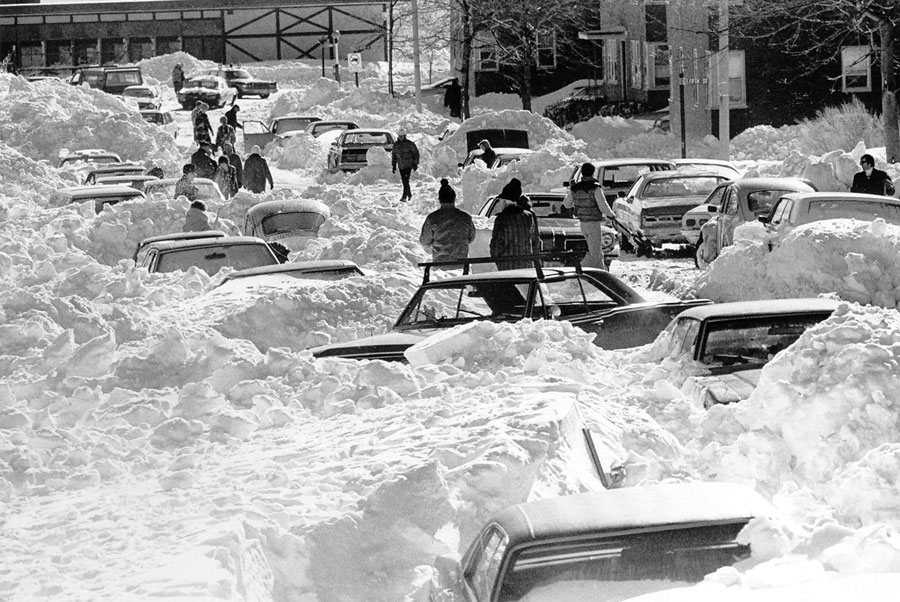
Heavy snowfall, especially from Nor’easters, can lead to significant travel disruptions. Logan International Airport may experience flight delays or cancellations, and road conditions can impact ground transportation. It’s crucial to monitor weather forecasts closely in the days leading up to your trip and during your stay. Consider purchasing travel insurance, especially if traveling during peak snow months. Maintain flexibility with your itinerary and have backup plans for activities. Airlines often offer waivers for changing flights during major weather events, so check with your carrier.
Staying Safe and Warm
Beyond packing warm clothing, prioritize safety. Icy patches can form quickly, especially in shaded areas or after freeze-thaw cycles. Walk cautiously, paying attention to your footing. Stay hydrated, even in cold weather, and be mindful of exposure to the cold, taking breaks indoors to warm up. If driving, ensure your vehicle is equipped for winter conditions and drive slowly. Always inform someone of your plans if venturing into less populated areas.
Embracing the Winter Vibe
Perhaps the most important tip for a winter trip to Boston is to embrace the season. Don’t let the cold deter you; instead, view it as an integral part of the experience. The quiet beauty of snow-covered parks, the warmth of a bustling pub, and the festive atmosphere that often accompanies the season contribute to a unique and memorable visit. Be prepared to slow down, savor the moments, and appreciate the distinct charm that only a snowy Boston can offer.
Boston’s snowfall is a significant characteristic of its winter identity. While it brings challenges, it also creates an undeniably beautiful and unique travel experience. By understanding its patterns, preparing adequately, and embracing the winter spirit, travelers can discover a side of Boston that is both enchanting and unforgettable.
LifeOutOfTheBox is a participant in the Amazon Services LLC Associates Program, an affiliate advertising program designed to provide a means for sites to earn advertising fees by advertising and linking to Amazon.com. Amazon, the Amazon logo, AmazonSupply, and the AmazonSupply logo are trademarks of Amazon.com, Inc. or its affiliates. As an Amazon Associate we earn affiliate commissions from qualifying purchases.