
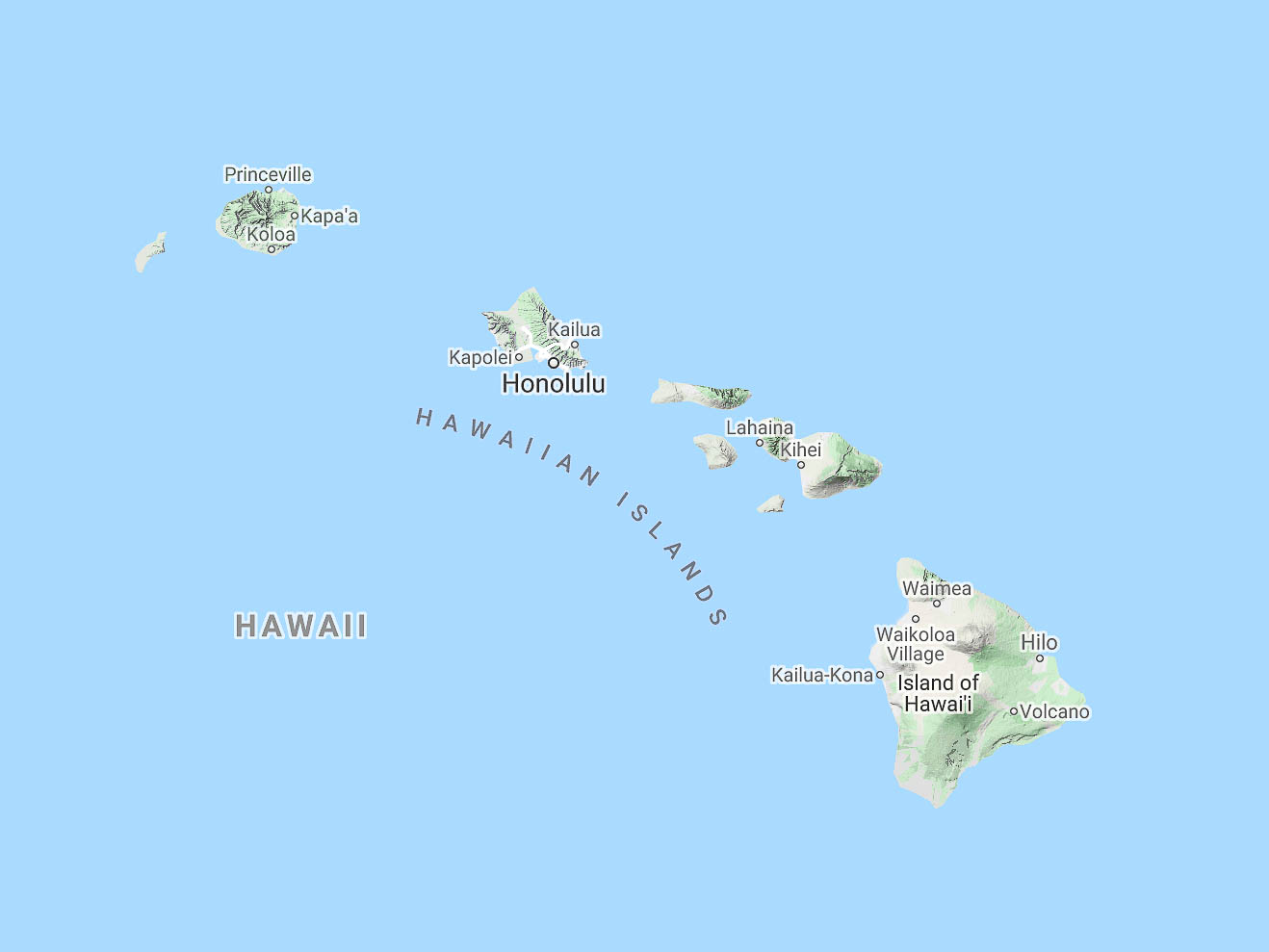
When travelers plan a journey to the archipelago of Hawaii, located in the heart of the Pacific Ocean, they are often struck by the diverse personalities of each island. However, one landmass stands out significantly due to its sheer scale and geological dynamism. The answer to the question of which is the largest island is found in the Island of Hawaii, more commonly and affectionately known as the Big Island. This island is not just the largest in the chain; it is larger than all the other Hawaiian islands combined, offering a vast playground for explorers, nature enthusiasts, and those seeking a profound connection with the earth’s raw power.
Understanding the Scale and Geography of the Big Island
The Big Island covers approximately 4,028 square miles, a figure that continues to fluctuate due to active volcanic activity. To put its size into perspective for those visiting from the United States mainland, it is roughly the size of Connecticut. Its massive footprint allows for a staggering variety of ecosystems, ranging from tropical rainforests and arid deserts to volcanic tundras and even subarctic climates.
The Volcanic Origins of the Island of Hawaii
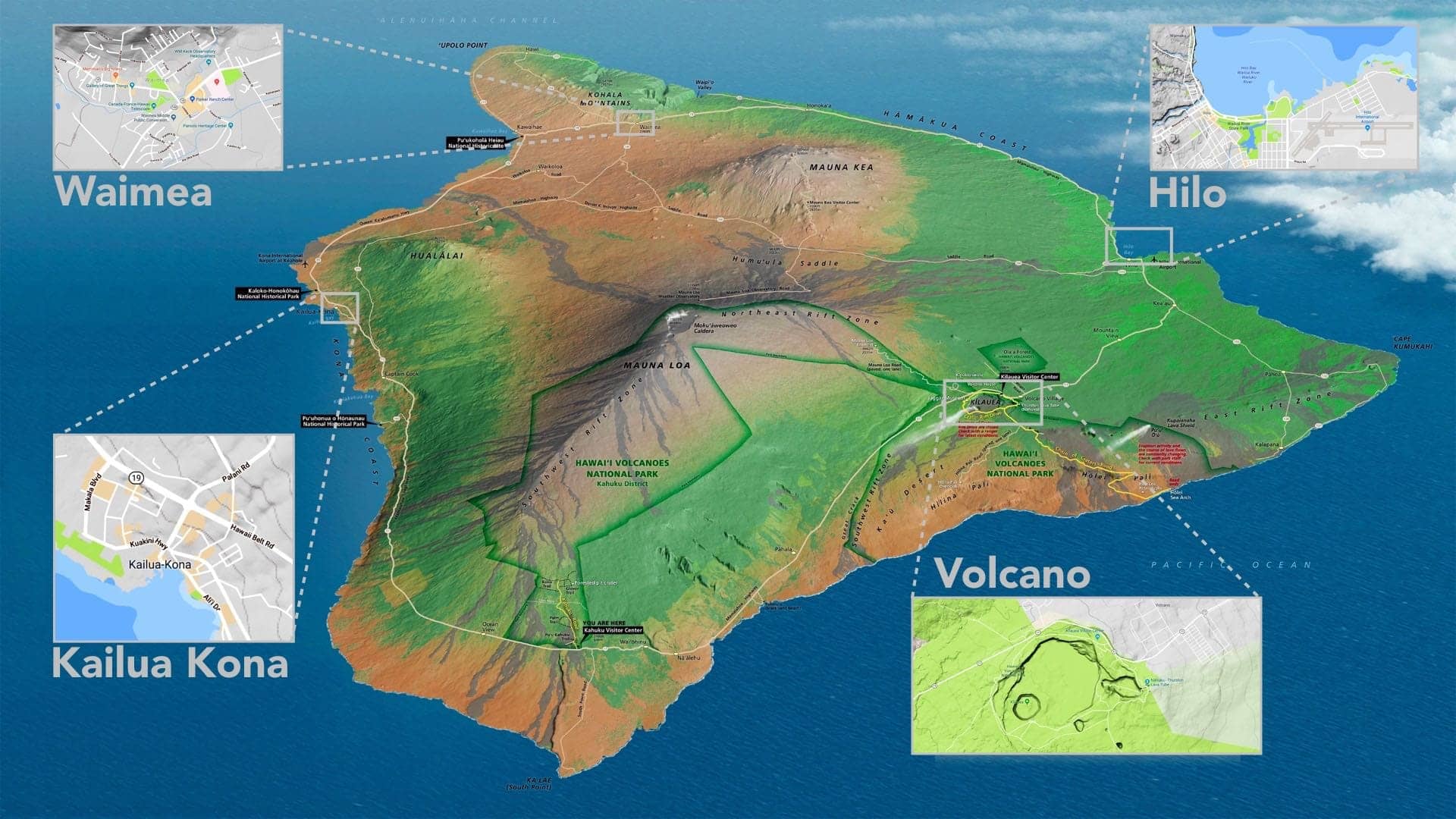
The geography of the Island of Hawaii is defined by five major volcanoes: Kohala, Mauna Kea, Hualalai, Mauna Loa, and Kilauea. While Kohala is extinct and Mauna Kea is dormant, Mauna Loa and Kilauea remain among the most active volcanoes on the planet. Mauna Loa is particularly noteworthy as the largest subaerial volcano in the world by both mass and volume.
The constant activity of Kilauea has historically added hundreds of acres of new land to the island since the 1980s. This ongoing creation makes the Big Island the youngest in the Hawaiian chain, estimated at only about 400,000 to 800,000 years old. For travelers, this means witnessing geography in the making—a rare opportunity to see the literal expansion of a landmass.
Climate Diversity: From Snow to Tropical Shores
One of the most fascinating aspects of the Big Island is its climatic range. According to the Koppen Climate Classification system, the island contains 8 to 10 of the world’s 13 climate zones. You can start your morning at the snow-capped summit of Mauna Kea and finish your afternoon snorkeling in the warm waters of Kealakekua Bay.
The windward side of the island, centered around Hilo, is characterized by lush, verdant rainforests and high annual rainfall. In contrast, the leeward side, featuring the Kohala Coast and Kailua-Kona, is significantly drier, often resembling a desert landscape with ancient lava flows meeting the turquoise ocean. This diversity ensures that no two days on the island ever feel the same.
Top Natural Attractions and Outdoor Adventures
Because the island is so large, the attractions are spread out, requiring a well-planned itinerary to truly appreciate the landscape. From the depths of the ocean to the highest peaks, the Big Island offers experiences that are unique even within Hawaii.
Exploring Hawaii Volcanoes National Park
The crown jewel of the island’s natural attractions is Hawaii Volcanoes National Park. This UNESCO World Heritage Site allows visitors to walk through the Thurston Lava Tube, a massive underground tunnel formed by ancient rivers of molten rock.
Driving along the Chain of Craters Road is a must-do experience. The road descends 3,700 feet to the coast, passing numerous pit craters and vast fields of frozen lava. At the end of the road, the Holei Sea Arch provides a dramatic view of the Pacific Ocean crashing against basalt cliffs. For those who enjoy hiking, the Kilauea Iki Trail offers the surreal experience of walking across a solidified lava lake that still vents steam from the heat trapped deep below.
Reaching the Summit of Mauna Kea
Mauna Kea is a sacred site in Native Hawaiian culture and a world-renowned destination for astronomy. Rising 13,803 feet above sea level—and over 33,000 feet from the ocean floor—it is technically the tallest mountain in the world when measured from its base.
Travelers often visit the Onizuka Center for International Astronomy for stargazing programs. The lack of light pollution and the high altitude make it one of the best places on Earth to view the cosmos. However, visitors must be mindful of the rapid altitude gain and the significantly colder temperatures, which often drop below freezing even in the summer.
The Lush Beauty of Waipio Valley
Located on the northern Hamakua Coast, the Waipio Valley is often called the “Valley of the Kings.” This stunning emerald valley is surrounded by cliffs rising 2,000 feet high, with cascading waterfalls like Hiilawe Falls plummeting into the valley floor. Historically, it was a center for political and religious life for ancient Hawaiians. Today, it remains a place of quiet beauty, accessible by steep hiking trails or guided tours that respect the local community living within the valley.
Cultural and Coastal Destinations
While the volcanic landscapes are a primary draw, the Big Island is also home to vibrant communities and significant historical sites that tell the story of the Hawaiian people.
The Sunny Shores of Kailua-Kona
Kailua-Kona, often simply called Kona, is the bustling hub of the island’s west side. This area is famous for its history, coffee, and water sports. Walking down Alii Drive, visitors can explore Hulihee Palace, a former vacation home for Hawaiian royalty, and Mokuaikaua Church, the oldest Christian church in the state.
Just south of the town lies Kealakekua Bay, a marine life conservation district. It is the site where Captain Cook first landed on the island and where a monument now stands in his honor. The bay offers some of the best snorkeling in the state, with crystal-clear waters teeming with tropical fish and frequent appearances by spinner dolphins.
The Historic Charm of Hilo
On the opposite side of the island, Hilo offers a completely different vibe. As the oldest city in the Hawaiian Islands, it retains a charming, old-world feel with its plantation-era architecture and waterfront parks.
Nature is never far away in Hilo. Rainbow Falls, located within the city limits, is famous for the rainbows that appear in its mist on sunny mornings. Further north, Akaka Falls State Park features a paved loop trail through a lush rainforest leading to the breathtaking 442-foot Akaka Falls. For those interested in local flora and fauna, the Panaewa Rainforest Zoo is the only tropical rainforest zoo in the United States.
Sacred Sites: Puuhonua o Honaunau National Historical Park
To understand the ancient Hawaiian legal system, a visit to Puuhonua o Honaunau National Historical Park is essential. This “Place of Refuge” was a sanctuary for those who had broken a “kapu” (sacred law). If a person could reach this sacred ground, they would be spared from the death penalty and allowed to return to society after a purification ceremony. The park features restored temples, wooden images of gods (kii), and a massive “Great Wall” built of dry-stack lava rock.
Practical Travel Planning for the Big Island
Due to its size, navigating the Big Island requires more logistical planning than the smaller islands like Kauai or Lanai.
Navigating the Island: Rental Cars and Scenic Drives
A rental car is virtually mandatory on the Big Island. Public transportation is limited, and the distances between major sites can be vast. For instance, driving from Kailua-Kona to Hilo via the Saddle Road takes about 90 minutes, while the coastal route can take much longer.
The Saddle Road, which cuts between Mauna Kea and Mauna Loa, provides an otherworldly driving experience through high-altitude lava fields. Another scenic route is the drive along the Hamakua Coast, which offers detours to Onomea Bay and the Hawaii Tropical Botanical Garden.

Best Times to Visit for Weather and Wildlife
While the Big Island is a year-round destination, certain times of year offer unique advantages. Winter months, from December through April, are prime time for whale watching, as humpback whales migrate to the warm Hawaiian waters to breed.
For beach lovers, the Kohala Coast offers consistent sunshine. Hapuna Beach State Recreation Area, one of the largest white sand beaches on the island, is a favorite for swimming and bodyboarding. Conversely, those seeking the unique experience of a black sand beach should head to Punaluu Black Sand Beach on the southern coast, where Hawaiian Green Sea Turtles are often found basking on the dark volcanic sands.
When flying into the island, travelers have two main options: Kona International Airport on the west side or Hilo International Airport on the east side. Most visitors choose to arrive in Kona for the sunny weather and proximity to major resorts, but flying into one and out of the other is a popular strategy to minimize backtracking.
By embracing the scale of the Island of Hawaii, travelers discover a land of extremes. Whether you are trekking across a desolate volcanic crater, sipping world-class coffee at the Kona Coffee Living History Farm, or honoring the past at Puukohola Heiau National Historic Site, the biggest island in the chain offers an unmatched depth of experience. Its size is not just a geographical fact; it is an invitation to endless discovery.
LifeOutOfTheBox is a participant in the Amazon Services LLC Associates Program, an affiliate advertising program designed to provide a means for sites to earn advertising fees by advertising and linking to Amazon.com. Amazon, the Amazon logo, AmazonSupply, and the AmazonSupply logo are trademarks of Amazon.com, Inc. or its affiliates. As an Amazon Associate we earn affiliate commissions from qualifying purchases.