
Embarking on a journey from the vibrant metropolis of New York City to the historic charm of Boston is a popular venture for tourists and business travelers alike. Whether you’re drawn by Boston’s revolutionary past, its world-class universities, or its burgeoning culinary scene, understanding the best way to traverse the approximately 200-mile distance is key to a smooth and enjoyable trip. This guide will meticulously break down your transportation options, offering insights into efficiency, cost, comfort, and overall travel experience, ensuring you can make an informed decision that perfectly aligns with your travel preferences and budget.

The journey between these two iconic East Coast cities offers a diverse range of choices, each with its own advantages and considerations. From the speedy rails of Amtrak to the budget-friendly convenience of bus lines, the quick (yet sometimes complex) option of flying, or the flexibility of driving your own route, there’s a mode of transport for every traveler. We’ll delve into the specifics of each, helping you navigate the logistics and choose the path that best suits your adventure from the Big Apple to Beantown.
Rail Travel: A Scenic and Convenient Choice
For many, train travel offers an ideal blend of comfort, convenience, and scenic beauty, making it one of the most favored ways to get from New York City to Boston. Amtrak is the sole provider for this route, offering a reliable and relatively quick service that allows passengers to avoid the stresses of traffic and airport security.
Understanding Amtrak Services
Amtrak operates two primary services between these cities: the Northeast Regional and the Acela Express. Both depart from Moynihan Train Hall, adjacent to Penn Station in New York City, and arrive at either South Station or Back Bay Station in Boston, both conveniently located for public transport and city exploration.
- Northeast Regional: This service is the more economical option, with a journey time typically ranging from 3 hours and 45 minutes to 4 hours and 30 minutes. It makes more stops along the way, offering a glimpse into various towns and cities in Connecticut and Rhode Island. Passengers can enjoy comfortable seating, Wi-Fi, and a cafe car. Prices are generally lower and can be particularly attractive when booked in advance.
- Acela Express: As Amtrak’s high-speed service, the Acela Express significantly cuts down travel time, with journeys lasting between 3 hours and 30 minutes to 3 hours and 50 minutes. It offers a premium experience with larger seats, more legroom, power outlets, complimentary Wi-Fi, and a first-class option with at-seat meal service. While faster and more luxurious, it comes at a higher price point. This is often the preferred choice for business travelers or those prioritizing speed and comfort.
Benefits and Tips for Rail Travel
One of the significant advantages of train travel is the ability to relax and enjoy the journey without the hassles of driving or air travel. You can read, work, or simply watch the New England landscape pass by. The stations are typically centrally located, making onward travel in both cities straightforward. It’s advisable to book your tickets in advance, especially for peak travel times or if you’re aiming for specific seats or services, as prices tend to increase closer to the departure date. Arriving at the station about 30 minutes before departure is usually sufficient, as boarding is generally quicker than flying.
Bus Travel: The Budget-Friendly and Flexible Alternative
For travelers prioritizing cost savings and frequent departure options, bus services present an excellent choice for getting from New York City to Boston. Several reputable bus companies operate this route, offering competitive pricing and a relatively comfortable journey.
Major Bus Operators and Services
The primary bus companies servicing this corridor include Greyhound, FlixBus, and Peter Pan Bus Lines. All typically depart from the Port Authority Bus Terminal in New York City and arrive at South Station in Boston.
- Greyhound: A long-standing name in intercity bus travel, Greyhound offers frequent departures throughout the day and night. Their buses come equipped with amenities like Wi-Fi, power outlets, and reclining seats, though the quality can vary by bus.
- FlixBus: Known for its bright green buses, FlixBus has gained popularity for its modern fleet, often equipped with more reliable Wi-Fi, comfortable seating, and onboard restrooms. They also offer competitive pricing, especially when booked ahead.
- Peter Pan Bus Lines: Another well-established regional carrier, Peter Pan Bus Lines provides direct service and often code-shares with Greyhound. They maintain a good reputation for punctuality and comfort on their routes.
Journey Duration and Cost-Effectiveness
Bus travel between New York City and Boston generally takes between 4 to 5 hours, depending on traffic conditions, particularly when departing or arriving in the cities themselves. While it can be slightly longer than the train, the significant cost savings often make it an attractive option for budget-conscious travelers. Tickets can sometimes be found for as low as $15-$25 if booked well in advance, though prices typically range from $30-$60. It’s always a good idea to compare prices across the different operators for your specific travel dates. Look out for promotional deals and consider traveling during off-peak hours for even greater savings.
Air Travel: The Fastest (But Not Always Easiest) Route
While the flight duration between New York City and Boston is remarkably short – often less than an hour – the overall air travel experience can be more time-consuming and complex than a direct train or bus journey. This option is typically best for those with connecting flights or specific time constraints.
Airports and Airlines
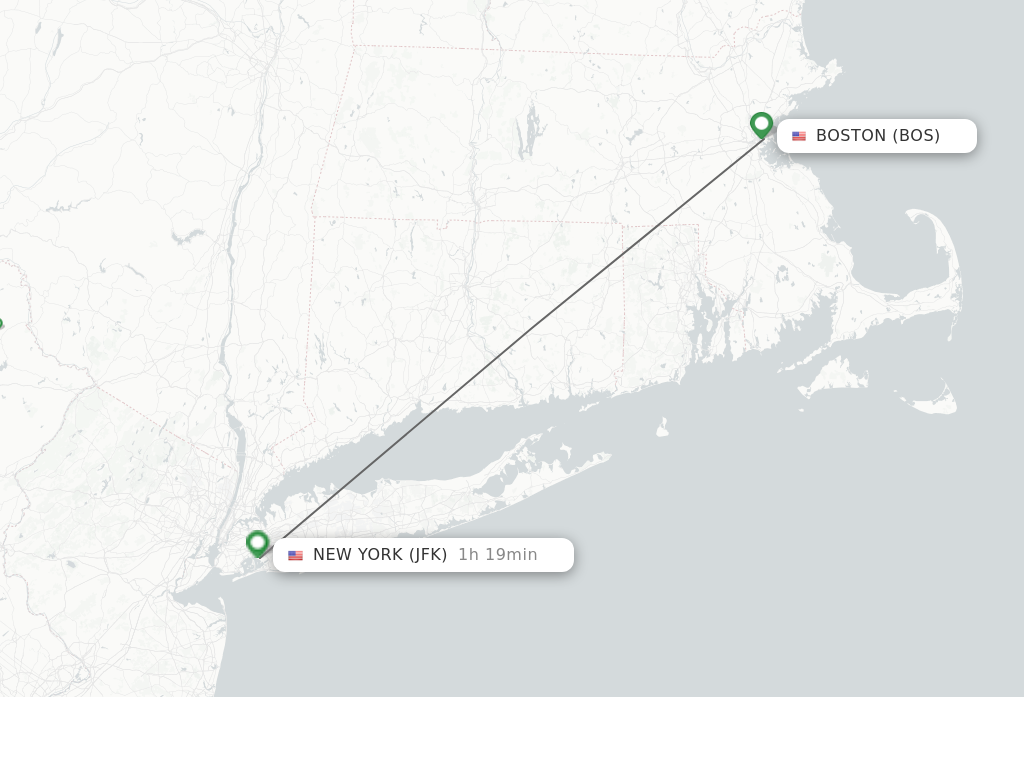
Travelers departing from New York City have three major airports to choose from: John F. Kennedy International Airport (JFK Airport), LaGuardia Airport, and Newark Liberty International Airport. All three offer multiple daily flights to Boston’s Logan International Airport. Major airlines operating this route include JetBlue, Delta Air Lines, and American Airlines.
Considerations for Flying
The “door-to-door” travel time for flying can easily exceed that of train travel. Here’s why:
- Airport Commute: Reaching any of New York City’s airports can take 45 minutes to 1.5 hours from Manhattan, often involving taxis, shuttles, or public transport. Similarly, getting from Logan International Airport into downtown Boston adds additional time.
- Security and Waiting Times: Passengers must arrive at the airport well in advance for security checks and boarding, typically 1.5 to 2 hours before departure for domestic flights.
- Cost: While flight deals can sometimes be found, airfare can often be more expensive than bus or even Amtrak tickets, especially when factoring in potential baggage fees and airport transfer costs.
Flying is most efficient when you are already at an airport for another connecting flight, or if you have specific reasons that make air travel the only viable option. For most point-to-point travel between the city centers of New York City and Boston, the train or bus often proves more convenient and less stressful.
Driving: The Flexible Road Trip
For those who value independence, flexibility, and the option to explore stops along the way, driving from New York City to Boston is a compelling choice. The journey typically takes about 3.5 to 4 hours without significant traffic, though this can easily extend to 5-6 hours or more during peak times.
The Route and Road Conditions
The most direct route largely follows Interstate 95 (I-95) northeast through Connecticut and Rhode Island before entering Massachusetts and heading into Boston.
- Traffic: Be prepared for potential heavy traffic, especially when departing New York City or approaching Boston, and at choke points along I-95 in Connecticut. Weekend afternoons and holiday periods are particularly prone to congestion.
- Tolls: There are tolls along I-95 in both New York and Massachusetts. Consider acquiring an E-ZPass transponder if you’re a frequent toll road user, or be prepared with cash/credit for specific toll booths. Many tolls are now cashless, relying on license plate recognition.
- Scenic Alternatives: While I-95 is the quickest, alternative routes might offer more scenic drives through coastal towns in Connecticut and Rhode Island, albeit adding significant time to your journey.
Car Rental and Parking
If you don’t have your own vehicle, renting a car is straightforward in New York City from major agencies like Enterprise Rent-A-Car, Hertz, or Avis. However, factor in the cost of the rental itself, fuel, and especially parking in Boston, which can be expensive and challenging to find. If your destination in Boston is primarily downtown, relying on public transport within the city after parking your car at a less central, cheaper garage or hotel might be a more economical approach.
Driving offers unparalleled freedom to stop at charming towns, outlet malls, or roadside attractions along the way, making it an excellent choice for those who view the journey itself as part of the adventure.
Making Your Decision: Factors to Consider
Choosing the best way to travel from New York City to Boston ultimately depends on your individual priorities. By weighing several key factors, you can determine the mode of transport that will provide the most efficient, enjoyable, or cost-effective experience for your trip.
Cost vs. Time vs. Comfort
- Cost: If budget is your primary concern, bus travel will almost always be the most economical option, particularly if you book well in advance. Amtrak’s Northeast Regional can also be quite competitive with buses when tickets are purchased early. Flying and driving (when factoring in rental, gas, and tolls/parking) tend to be more expensive.
- Time: The fastest point-to-point journey (city center to city center) is often by Amtrak’s Acela Express, followed closely by the Northeast Regional. While a flight is short, the total time spent getting to and from airports, and through security, often makes it longer than the train. Driving time is highly variable due to traffic.
- Comfort: Train travel, especially on the Acela Express, generally offers the most comfortable experience with spacious seating, room to move around, and amenities like Wi-Fi and dining cars. Buses have improved significantly, but trains still offer a superior comfort level for many. Driving comfort depends entirely on your vehicle and passenger load.

Luggage, Flexibility, and Experience
- Luggage: Trains and buses generally have generous luggage policies, allowing passengers to bring standard suitcases without extra fees, which is often not the case with airlines. When driving, you’re only limited by your car’s capacity.
- Flexibility: Driving offers the ultimate flexibility for impromptu stops and schedule changes. Trains and buses operate on fixed schedules but offer numerous daily departures. Flying, while seemingly flexible due to frequent flights, is constrained by airport procedures.
- Travel Experience: If you enjoy relaxing, reading, or working while gazing at landscapes, train travel is ideal. Bus travel is practical and efficient. Flying is a quick means to an end. Driving allows for a personal road trip adventure.
In conclusion, for most travelers moving directly between the city centers of New York City and Boston, train travel via Amtrak is often the optimal balance of speed, comfort, and convenience. If budget is paramount, bus travel is your best bet. If you cherish autonomy and plan to explore beyond the urban core, driving offers unparalleled freedom. Whichever mode you choose, a fantastic experience awaits you in the historic city of Boston. Plan ahead, book early, and enjoy your journey!
LifeOutOfTheBox is a participant in the Amazon Services LLC Associates Program, an affiliate advertising program designed to provide a means for sites to earn advertising fees by advertising and linking to Amazon.com. Amazon, the Amazon logo, AmazonSupply, and the AmazonSupply logo are trademarks of Amazon.com, Inc. or its affiliates. As an Amazon Associate we earn affiliate commissions from qualifying purchases.