
Navigating the legal landscape of firearms, particularly concerning open carry, is a complex undertaking that often varies significantly from one jurisdiction to another. For travelers planning a visit to or residents within the state of California, understanding the specific regulations surrounding open carry is paramount to ensure compliance and avoid unintended legal entanglements. This guide aims to demystify the laws, providing clarity on what is permissible and what is not when it comes to visibly carrying a firearm.
Understanding California’s Open Carry Laws
California, unlike some other states in the United States, does not have a statewide right to open carry for handguns. The regulations are intricate and heavily dependent on specific circumstances, local ordinances, and the type of firearm in question. It is crucial to differentiate between open carry of handguns and long guns, as well as to acknowledge the restricted nature of handgun open carry for the vast majority of individuals.
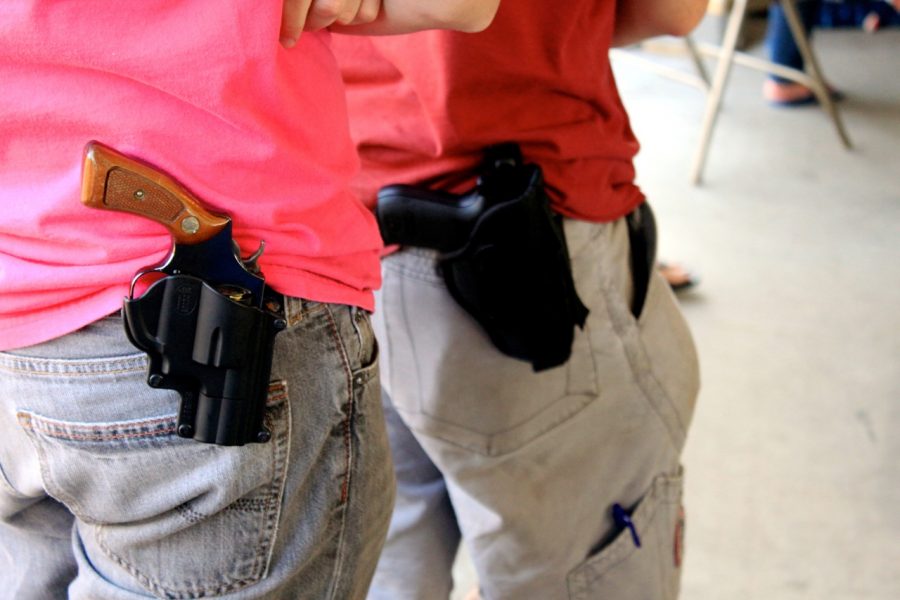
Handgun Open Carry: A Highly Restricted Practice
In California, the general rule is that it is illegal to openly carry a loaded or unloaded handgun in public. This prohibition applies to most citizens, regardless of whether they possess a firearm permit. The state has a “may issue” policy for concealed carry permits, meaning that the decision to issue such a permit rests with local law enforcement agencies, and they are not required to issue them. Even for those who possess a concealed carry permit, open carrying a handgun is generally not permitted. The permit specifically authorizes concealed carry, not open display.
There are very limited exceptions to this broad prohibition. These typically involve:
- Law Enforcement Officers and Peace Officers: Actively engaged in their official duties, sworn peace officers are exempt from many firearm regulations, including open carry restrictions. This is a critical distinction that ensures public safety and the efficacy of law enforcement operations.
- Carrying Firearms While Engaged in Lawful Sporting Activities: In certain rural or designated areas, individuals may be permitted to open carry unloaded long guns while engaged in activities such as hunting or target shooting. However, this exception is specific and does not extend to handguns or carrying firearms in populated urban areas. The firearm must be unloaded and in a secure case.
- Carrying Firearms While Engaged in the Business of Firing Range or Gun Shop: Individuals operating or employed by licensed firearm businesses may have specific allowances for carrying firearms as part of their professional responsibilities, often under strict safety protocols.
The strict limitations on handgun open carry are a cornerstone of California’s approach to firearm regulation, emphasizing a preference for concealed carriage for those who are legally permitted to carry.
Long Gun Open Carry: Different Rules Apply
The regulations for open carrying long guns, such as rifles and shotguns, differ from those for handguns. While also subject to certain restrictions, the outright prohibition is not as absolute as it is for handguns in many public spaces.
- Unloaded and Cased: In many areas of California, it is legal to openly carry an unloaded long gun, provided it is in a proper gun case. This allows for transportation to and from shooting ranges or hunting grounds. However, the specifics can vary by county and city.
- Loaded Long Guns in Public: Generally, it is illegal to openly carry a loaded long gun in public places, including cities and incorporated areas. Exceptions may exist for specific circumstances, such as agricultural pest control under strict supervision, but these are narrowly defined.
- Local Ordinances: It is critically important to be aware of local ordinances. Many cities and counties in California have their own specific regulations that may further restrict or prohibit the open carry of long guns, even when unloaded and cased. Ignoring these local rules can lead to serious legal consequences.
Travelers who intend to transport long guns for recreational purposes, such as visiting a shooting range in or near Los Angeles or exploring hunting opportunities, must thoroughly research the laws of the specific counties and cities they will be visiting.
Understanding Definitions: Loaded vs. Unloaded Firearms
A key distinction in California firearm law is the definition of a “loaded” firearm.
- Loaded Firearm: A firearm is generally considered loaded if there is a live round of ammunition in the chamber or cylinder, or in a magazine that is attached to the firearm.
- Unloaded Firearm: An unloaded firearm typically means that there is no ammunition in the chamber or cylinder, and the magazine, if detachable, is either removed from the firearm or does not contain any ammunition.
The legal implications of carrying a loaded versus an unloaded firearm are significantly different, with carrying a loaded firearm in public almost universally illegal outside of specific law enforcement or very narrow self-defense scenarios that require a permit.
Key Considerations for Travelers and Residents
For anyone planning a trip to California, or for residents seeking to understand their rights and responsibilities, adherence to firearm laws is non-negotiable.
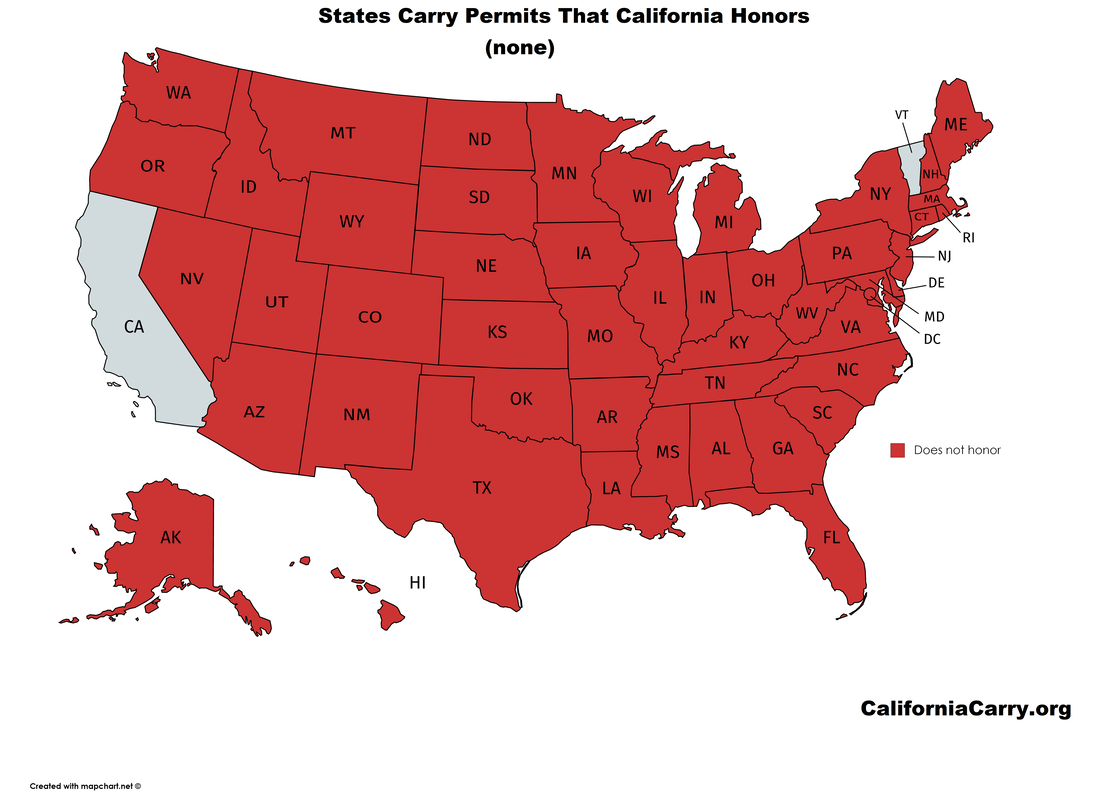
Concealed Carry Permits: The Primary Pathway
For individuals who wish to carry a handgun for self-defense, the primary legal avenue in California is to obtain a concealed carry permit. The process is rigorous and involves:
- Application: Submitting an application to the local law enforcement agency (sheriff’s department or police department) in your county of residence.
- Background Checks: Extensive background checks, including fingerprinting and a review of criminal history.
- Training: Completing a firearms safety course and demonstrating proficiency.
- Good Cause: Historically, California required applicants to demonstrate “good cause” for needing a concealed carry permit. However, following legal challenges, the requirement for “good cause” has been significantly altered, making it more challenging for issuing agencies to deny permits solely on this basis, though discretion still exists.
- Interview: Often, an interview with a licensing officer is part of the process.
It is crucial to understand that even with a concealed carry permit, open carry of a handgun is generally prohibited. The permit is specifically for concealed carry.
Transportation of Firearms
The rules for transporting firearms, even if not carried openly, are also strict.
- Handguns: When transporting handguns, they must generally be unloaded and in a locked container. The handgun cannot be readily accessible to the occupant of the vehicle.
- Long Guns: As mentioned, long guns can often be transported openly if unloaded and in a case, but again, local ordinances are critical.
Failing to adhere to these transportation laws can result in severe penalties, even if the individual is legally permitted to own the firearm.
Local Ordinances: A Critical Layer of Law
It cannot be stressed enough: local ordinances in California can and do add layers of restriction beyond state law. Cities like San Francisco, Oakland, and even smaller towns may have specific prohibitions or requirements regarding firearms that are more stringent than state statutes.
For instance, while state law might permit the open carry of an unloaded long gun in a case in certain rural settings, a specific city ordinance might ban it entirely within city limits. Travelers should always consult the specific laws of the cities and counties they plan to visit. This research might involve checking the official websites of local law enforcement agencies or municipal governments.
Recommendations for Responsible Firearm Handling
Given the complex and often restrictive nature of firearm laws in California, responsible handling and absolute adherence to legal requirements are paramount.
Education and Awareness
- Stay Informed: Firearm laws are subject to change. It is the responsibility of every firearm owner and carrier to stay updated on the latest legislation at both the state and local levels. Reliable sources include official government websites, reputable legal resources, and legal counsel specializing in firearms law.
- Understand the Nuances: Do not rely on general information or assumptions. Understand the specific definitions of “loaded,” “unloaded,” “open carry,” and “concealed carry” as they apply in California.
Seeking Legal Counsel
When in doubt, consulting with a qualified attorney who specializes in firearm law in California is the most prudent course of action. They can provide tailored advice based on individual circumstances and clarify any ambiguities in the law. This is particularly important for individuals who are not residents of California and are unfamiliar with its specific regulations.
Prioritizing Safety
Ultimately, safety is the most important consideration. Understanding and complying with all firearm laws is not just about avoiding legal trouble; it is about ensuring the safety of oneself and the public. For those planning travel to or residing in California, a thorough understanding of its firearm regulations, especially regarding open carry, is essential for a safe and lawful experience. The state’s approach emphasizes a cautious and regulated environment for firearms, and navigating it successfully requires diligence and respect for the law.
LifeOutOfTheBox is a participant in the Amazon Services LLC Associates Program, an affiliate advertising program designed to provide a means for sites to earn advertising fees by advertising and linking to Amazon.com. Amazon, the Amazon logo, AmazonSupply, and the AmazonSupply logo are trademarks of Amazon.com, Inc. or its affiliates. As an Amazon Associate we earn affiliate commissions from qualifying purchases.