
Nestled in the heart of the American Southwest, Arizona stands as a beacon of natural splendor, from the awe-inspiring depths of the Grand Canyon National Park to the vibrant red rocks of Sedona and the bustling metropolises of Phoenix and Tucson. Renowned for its unique landscapes, rich Native American heritage, and unparalleled outdoor adventures, the Grand Canyon State offers an experience like no other. Yet, for travelers, residents, and businesses alike, Arizona presents a peculiar anomaly: it largely opts out of Daylight Saving Time (DST). This distinctive choice impacts everything from daily routines to travel planning and offers a fascinating insight into the state’s approach to lifestyle and energy consumption.
For those planning a trip, booking accommodation, or simply curious about this desert phenomenon, understanding why Arizona maintains its timeless rhythm is key to navigating its wonders seamlessly. It’s a decision rooted in a confluence of geographical realities, historical precedents, and a practical approach to energy management that sets it apart from nearly every other state in the United States.
A Timeless Anomaly: Arizona’s Unique Approach to Time
The practice of Daylight Saving Time, originally conceived to conserve energy during wartime and maximize daylight hours for agriculture, sees most states “spring forward” in March and “fall back” in November. However, Arizona remains a notable exception, adhering to Mountain Standard Time (MST) year-round. This means that for nearly half the year, from March to November, Arizona aligns with Pacific Daylight Time (PDT), making it three hours behind the East Coast instead of two. During the other half of the year, it’s consistent with other Mountain Time Zone states like Colorado and New Mexico. This unique scheduling choice wasn’t accidental but a deliberate policy decision made decades ago.
The Desert’s Logic: Battling the Heat
The primary and most compelling reason for Arizona’s eschewal of DST lies in its extreme climate. The state is largely defined by the Sonoran Desert, which experiences scorching temperatures that can soar above 100°F (38°C) for extended periods during the summer months. The thought of adding an extra hour of daylight in the evening during these peak heat periods is, understandably, unappealing to residents.
Imagine the sun beating down until 9 or 10 PM in Phoenix or Tucson. This would exacerbate the already intense heat, driving up the need for air conditioning and consequently, energy consumption. While DST was initially intended to save energy by reducing the need for artificial lighting in the evenings, in Arizona’s context, it would achieve the exact opposite. People would simply postpone their outdoor activities until later, needing to cool their homes and businesses for an additional hour into the night. By sticking to Mountain Standard Time year-round, the sun sets earlier in the evening, providing a much-needed reprieve from the day’s heat and allowing temperatures to drop sooner. This makes evenings more comfortable for outdoor recreation, dining, and simply enjoying the cooler desert air.
A Historical Precedent: The Uniform Time Act
The legal framework that allows Arizona to opt out of DST is the Uniform Time Act of 1966. This federal law standardized the beginning and end dates of DST across the nation, but it also included a crucial provision: states could choose to exempt themselves from observing it, provided they did so statewide. Arizona initially experimented with DST in 1967, but the experiment was short-lived. The overwhelming public sentiment, largely driven by the climate concerns mentioned above, led the state legislature to quickly vote against its observance. Since then, with the exception of the Navajo Nation (which we’ll explore shortly), Arizona has proudly marched to its own temporal drum, offering a consistent schedule that aligns with its unique environmental demands.
Impact on Travel and Tourism in the Grand Canyon State
For a state so heavily reliant on tourism, Arizona’s time zone quirk presents both minor challenges and distinct advantages for visitors. From meticulously planning routes through the Grand Canyon to ensuring timely arrivals for guided tours of Antelope Canyon, understanding the local time is paramount.
Navigating Time Zones for Visitors
Travelers arriving in Arizona during the spring and summer months often experience a momentary confusion. If flying in from California or Nevada, they’ll find themselves on the same time as Phoenix or Tucson, as Arizona effectively shifts to Pacific Daylight Time during this period. However, those arriving from states that observe DST in the Mountain Time Zone, like Utah or Colorado, will find themselves an hour “behind” Arizona during those months.
This can be particularly tricky for cross-state travel or when visiting attractions near the border. For instance, if you’re planning a trip from Las Vegas to the Grand Canyon’s West Rim or the iconic Hoover Dam, which straddles the Arizona-Nevada border, you need to be mindful of the time difference. Tour operators and hotels like the luxurious Hyatt Regency Scottsdale Resort & Spa at Gainey Ranch or the boutique Enchantment Resort in Sedona are well-versed in this unique aspect and often provide clear guidance. Many tourist guides and travel websites for Arizona will prominently display reminders about the state’s non-observance of DST. This ensures that visitors can make timely reservations for activities like hot air balloon rides over Sedona’s red rocks, river rafting tours in Page, or sunset hikes on Camelback Mountain near Scottsdale.
Embracing Arizona’s Unique Rhythm
Once understood, Arizona’s consistent time can actually simplify travel planning. There’s no need to adjust watches or device settings twice a year, providing a predictable schedule. This consistency fosters a distinctive lifestyle for both residents and long-term visitors. The earlier sunset during summer means cooler evenings arrive sooner, making it more pleasant for outdoor dining, evening strolls, or enjoying the vibrant nightlife in areas like Old Town Scottsdale.
Many attractions and landmarks, such as the Desert Botanical Garden in Phoenix or the historic mission at Tumacácori National Historical Park south of Tucson, schedule their hours to maximize visitor comfort, often opening earlier in the morning and closing before the peak evening heat. This also allows for stunning sunset experiences to be enjoyed at a more reasonable hour, whether from Horseshoe Bend or a luxury suite at The Phoenician.
Lifestyle and Local Culture: Life Without DST
Beyond tourism logistics, Arizona’s decision profoundly shapes the daily lifestyle and local culture of its residents. It’s a choice that reflects a broader philosophy of adapting to the environment rather than trying to bend it to human convenience.
Daily Routines and Energy Consumption
In Arizona, the rhythm of life, particularly during the blistering summer, is intrinsically linked to the sun’s trajectory. Without DST, mornings arrive with light earlier, encouraging an early start to the day. Many Arizonans begin their workdays, exercise routines, or outdoor chores before the mercury truly begins its climb. By mid-afternoon, as temperatures peak, activities shift indoors or to shaded areas. The early evening, with its relatively quicker descent into twilight, becomes a highly anticipated time for outdoor enjoyment, family gatherings, or heading out for dinner at popular destinations like Downtown Tempe or Glendale’s Westgate Entertainment District.
This pattern directly translates into energy savings. By not extending daylight into the hottest parts of the evening, the reliance on air conditioning during the most expensive peak utility hours is reduced. While individual savings might seem marginal, across millions of households and businesses throughout the state, the cumulative effect is substantial. This sensible approach to resource management is a quiet but significant aspect of Arizona’s commitment to sustainable living in a challenging climate.
The Navajo Nation Exception
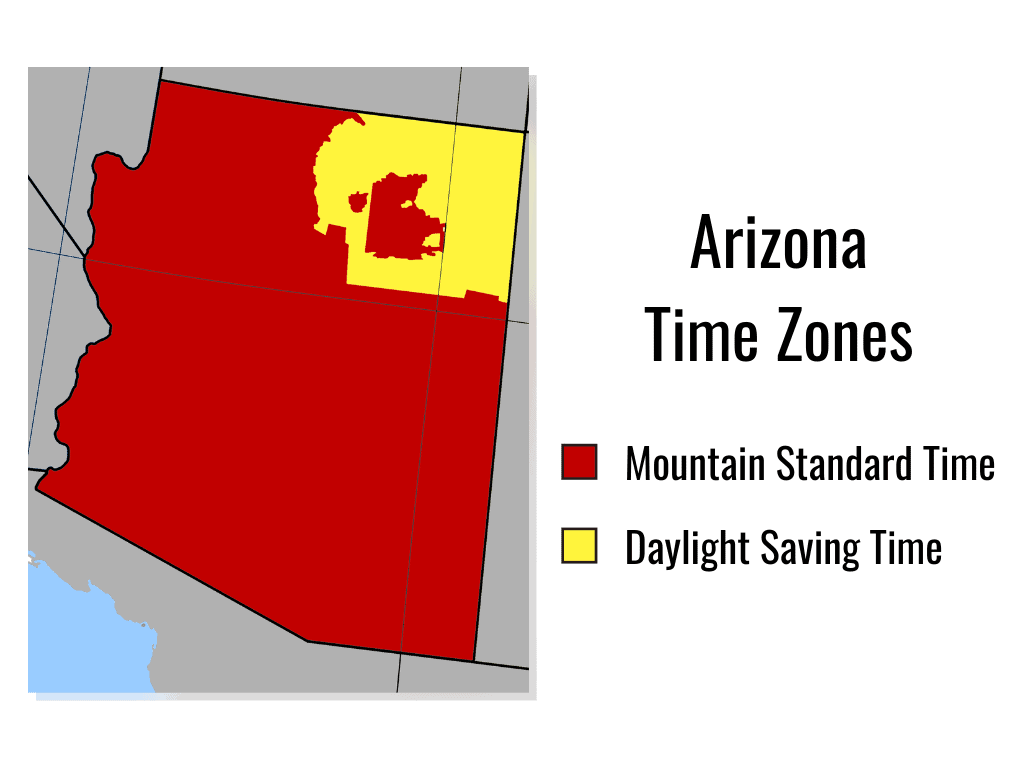
An interesting and important nuance to Arizona’s time policy is the exception of the Navajo Nation. This sovereign tribal land, which is the largest Native American reservation in the United States, sprawls across northeastern Arizona and extends into New Mexico and Utah. Unlike the rest of Arizona, the Navajo Nation does observe Daylight Saving Time.
This decision is primarily practical, aimed at maintaining time consistency with the portions of the reservation that fall within New Mexico and Utah, both of which observe DST. For the Navajo people, whose communities and administrative centers often cross state lines, adhering to DST simplifies coordination for schools, businesses, and government functions. This means that if you’re traveling through the Navajo Nation in Arizona during DST months, you’ll need to adjust your clock forward an hour compared to the rest of the state. This unique situation highlights the complexities of time regulation and the varied needs of different communities, particularly those with vast, multi-state territories like the Navajo Nation, a rich tapestry of local culture and history.
The Broader Implications: A Model for Other States?
Arizona’s steadfast refusal to adopt Daylight Saving Time often sparks debate about its potential as a model for other states, particularly those grappling with similar climate challenges or simply questioning the efficacy of the practice. With discussions periodically resurfacing about whether DST truly provides the benefits it promises, Arizona’s long-standing exemption serves as a real-world case study.
For many Arizonans, the consistency of year-round Mountain Standard Time offers a sense of stability, avoiding the disruptions to sleep patterns and daily routines that are often associated with the bi-annual time change. This appeals to a pragmatic lifestyle that values predictability. While the unique climate of the Sonoran Desert is a significant factor in Arizona’s decision, the arguments around energy conservation, health impacts, and the simple convenience of not changing clocks resonate with a broader audience.
As global discussions about time zones and energy efficiency evolve, Arizona’s experience continues to provide valuable insights. It demonstrates that a departure from the norm, when carefully considered and aligned with a region’s specific needs, can lead to a more harmonious and energy-efficient way of life. For anyone visiting this remarkable state, whether for a luxurious stay at the Arizona Biltmore, exploring the Petrified Forest National Park, or simply enjoying a sunset from a resort in Mesa, remembering Arizona’s unique stance on time is part of embracing the full experience of this vibrant desert jewel. Its timeless approach not only shapes its tourism landscape but also defines a pragmatic and enduring aspect of its identity.
LifeOutOfTheBox is a participant in the Amazon Services LLC Associates Program, an affiliate advertising program designed to provide a means for sites to earn advertising fees by advertising and linking to Amazon.com. Amazon, the Amazon logo, AmazonSupply, and the AmazonSupply logo are trademarks of Amazon.com, Inc. or its affiliates. As an Amazon Associate we earn affiliate commissions from qualifying purchases.