
Boston, the historic capital of Massachusetts, is a city steeped in revolutionary history, vibrant culture, and an undeniable charm that extends deep into its culinary landscape. Often celebrated for its role in shaping a nation, Boston also holds a cherished place in the hearts of food lovers, offering a delectable journey through traditional New England flavors and innovative modern cuisine. From the briny depths of the Atlantic Ocean to the charming, cobblestone streets of the North End, the city’s food scene is a testament to its diverse heritage, maritime roots, and evolving palate. To truly experience Boston is to savor its iconic dishes, each telling a story of tradition, community, and the enduring spirit of this remarkable city. This exploration delves into the must-try foods that define Boston’s gastronomic identity, providing an insightful guide to the flavors that make this destination a true culinary delight for any visitor interested in local culture and authentic experiences.

Seafood Staples: The Bounty of the Atlantic
Given its prime location on the Atlantic seaboard, it comes as no surprise that seafood forms the cornerstone of Boston’s culinary reputation. The city’s proximity to rich fishing grounds ensures an abundance of fresh, high-quality seafood, prepared with a reverence for tradition that has been passed down through generations. For many, a trip to Boston is synonymous with indulging in its oceanic delights, which range from humble, comforting bowls to extravagant, celebratory dishes.
Clam Chowder: A Creamy Classic
Perhaps no dish is more emblematic of Boston’s food scene than New England Clam Chowder. This hearty, creamy soup, brimming with tender clams, diced potatoes, salted pork or bacon, and onions, is a comforting embrace in a bowl. Unlike its Manhattan counterpart, the New England version eschews tomatoes, focusing instead on a rich, milk or cream-based broth that gives it a velvety texture. Every restaurant in Boston seems to have its own secret recipe, yet the fundamental elements remain: fresh ingredients, careful preparation, and a commitment to warmth and satisfaction. It’s a dish that speaks of maritime history, the sustenance of sailors, and the enduring appeal of simple, robust flavors. Enjoying a bowl of Clam Chowder, ideally served with a side of oyster crackers, is an essential Boston experience, offering a taste of the city’s soul.
Lobster Rolls: Simplicity and Decadence
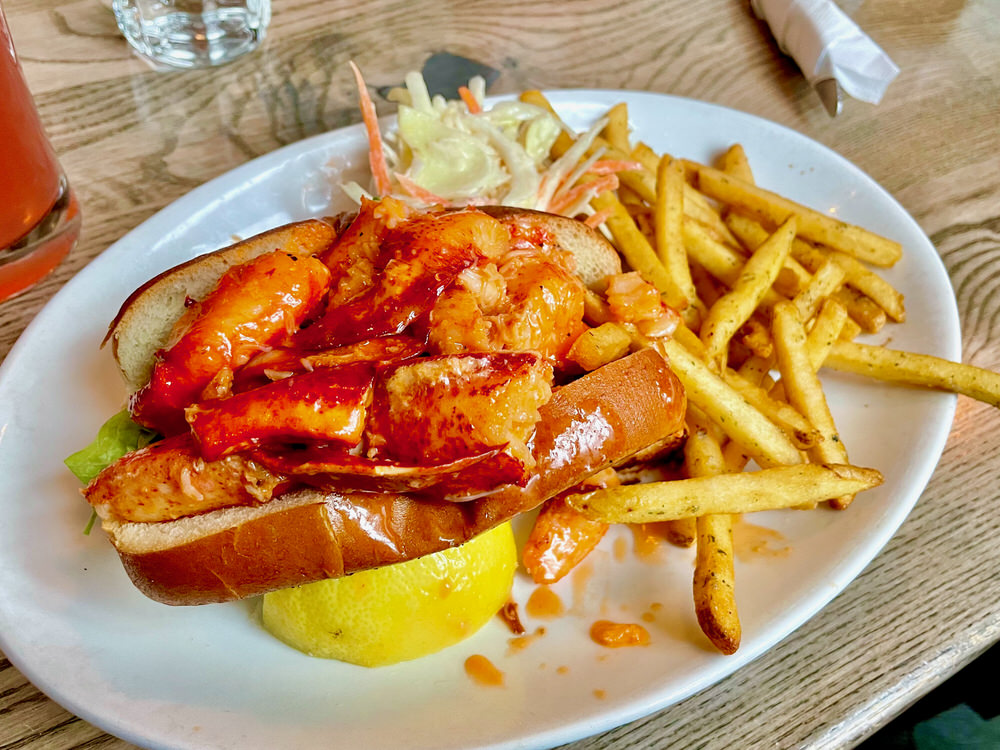
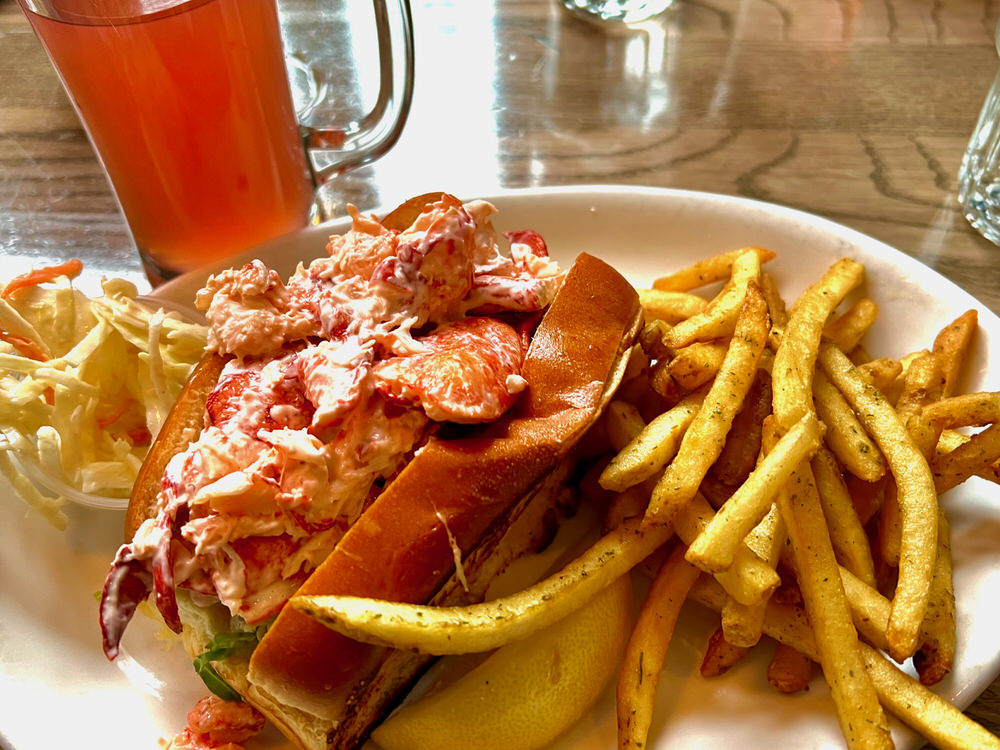
Another undisputed star of Boston’s seafood offerings is the Lobster Roll. This deceptively simple dish elevates the humble lobster to a culinary art form. There are two primary schools of thought when it comes to Lobster Rolls: the “Maine style,” served cold with mayonnaise, and the “Connecticut style,” served warm with melted butter. While both are widely available, Boston typically offers variations of the cold, mayonnaise-based version, often enhanced with a touch of celery or chives, nestled within a buttered, toasted hot dog bun. The key to a truly exceptional Lobster Roll lies in the freshness and generous quantity of the lobster meat, allowing its sweet, delicate flavor to shine. It’s a dish that embodies both luxury and casual enjoyment, perfect for a leisurely lunch by the waterfront or a quick, satisfying bite from a local seafood shack.
Fresh Oysters and Clams: Raw Bar Delights
For those who appreciate the unadulterated taste of the ocean, Boston’s raw bars are a must-visit. The city boasts an impressive array of fresh oysters and clams, often sourced from local waters and beyond. Varietals like Island Creek Oysters, from nearby Duxbury Bay, are particularly renowned for their briny sweetness. Served on a bed of ice with traditional accompaniments like mignonette, cocktail sauce, and lemon wedges, these bivalves offer a pure, invigorating taste of the Atlantic. Exploring the nuanced flavors of different oyster types becomes an engaging activity in itself, highlighting the diversity and quality of New England’s marine harvest.
Historic Sweet Treats and Baked Goods
Boston’s culinary heritage is not solely savory; its sweet treats and baked goods hold a significant place in the city’s gastronomic identity. These desserts often carry a rich history, reflecting both colonial traditions and the vibrant contributions of immigrant communities. From iconic cakes to European-inspired pastries, Boston offers a delightful array of options for those with a sweet tooth.
Boston Cream Pie: The Official State Dessert
Despite its name, the Boston Cream Pie is, in fact, a cake – a delicious point of pride for the city, and the official state dessert of Massachusetts. Invented in the mid-19th century at the Parker House Hotel (now the Omni Parker House), this iconic dessert features two layers of golden sponge cake generously filled with rich vanilla custard, all topped with a glossy chocolate glaze. It’s a testament to timeless elegance and simple indulgence, showcasing a perfect balance of textures and flavors. Each bite offers a harmonious blend of light cake, creamy filling, and decadent chocolate, making it an essential experience for any visitor exploring Boston’s culinary past and present.
Cannoli and Italian Pastries: North End Legacy
A stroll through Boston’s historic North End, the city’s oldest residential neighborhood, is incomplete without indulging in its renowned Italian pastries. This vibrant district, deeply rooted in Italian immigrant culture, is famous for its bakeries, where the aroma of freshly baked goods fills the air. Foremost among these is the Cannoli, a Sicilian specialty consisting of a fried pastry shell filled with a creamy, sweetened ricotta cheese mixture, often enhanced with candied fruit or chocolate chips. Alongside Cannoli, visitors can savor other delights like sfogliatelle, tiramisu, and biscotti, each offering an authentic taste of Italy right in the heart of Boston. The tradition, craftsmanship, and sheer deliciousness of these pastries make them a cornerstone of the North End’s culinary appeal.
Hearty and Traditional New England Fare
Beyond its celebrated seafood and sugary delights, Boston also prides itself on hearty, traditional New England fare. These dishes often reflect the region’s colonial past, its agricultural roots, and the need for substantial, warming meals to combat chilly winters. They embody a sense of comfort, history, and the simple, robust flavors that characterize the region.
New England Boiled Dinner: Comfort Food at Its Best
The New England Boiled Dinner is a quintessential example of regional comfort food. While not as universally available in restaurants as clam chowder, it remains a beloved staple in many Boston homes and traditional eateries. This one-pot meal typically features corned beef (or sometimes ham), cabbage, carrots, potatoes, and turnips, all slowly boiled together until tender and infused with rich, savory flavors. It’s a dish that evokes a sense of home, tradition, and the practical ingenuity of early American cooking. The ingredients are simple, but the slow cooking process yields a deeply flavorful and satisfying meal, particularly comforting during the colder months, making it a true taste of New England heritage.
Baked Beans: A Saturday Night Tradition
No discussion of Boston’s traditional foods is complete without mentioning Boston Baked Beans. This iconic dish gave the city one of its most endearing nicknames, “Beantown.” Historically prepared on Saturdays and left to slowly bake overnight, ensuring a warm meal ready for Sunday, these beans are made with navy beans, molasses, salt pork or bacon, and sometimes brown sugar or maple syrup. The long, slow baking process transforms the humble beans into a deeply caramelized, sweet, and savory delight. Often served with brown bread, Boston Baked Beans represent a significant piece of the city’s culinary past, reflecting its mercantile history with the molasses trade and its puritanical customs of preparing food for the Sabbath.
Brown Bread: The Perfect Accompaniment
Traditionally, Boston Baked Beans are served alongside Boston Brown Bread. This dense, moist, and slightly sweet bread is typically steamed rather than baked, giving it a unique texture and flavor. Made with a mixture of flours, molasses, and often raisins, it’s a wonderfully comforting and historical accompaniment. The cylindrical shape of the bread, often achieved by steaming it in a coffee can, is instantly recognizable. Together, Boston Baked Beans and Brown Bread create a harmonious pairing that harks back to simpler times and remains a cherished part of Boston’s culinary narrative.
Modern Twists and Emerging Flavors
While Boston deeply respects its culinary traditions, it is also a dynamic and evolving city, constantly embracing new trends and global influences. The city’s food scene is not static; it continually reinvents itself, offering innovative takes on classic dishes and introducing entirely new flavors that cater to a diverse and cosmopolitan population.
Craft Beer and Microbreweries: A Thriving Scene
Beyond its food, Boston has become a significant hub for craft beer. The city and its surrounding areas boast a thriving scene of microbreweries and brewpubs, offering an impressive variety of innovative beers, from hoppy IPAs to rich stouts and refreshing lagers. Places like Samuel Adams Brewery (though now a large-scale operation, it started here) have put Boston on the brewing map, and numerous smaller, independent breweries continue to push the boundaries of flavor. Exploring these establishments offers a different kind of taste experience, one that pairs perfectly with the city’s casual eateries and vibrant social scene, reflecting a modern aspect of Boston’s local culture.
Global Cuisine: Reflecting a Diverse City
Boston’s status as an international city, home to numerous universities and a diverse population, has led to a rich tapestry of global cuisines. While the North End is famous for its Italian fare, other neighborhoods offer authentic dishes from across the globe. From vibrant Vietnamese pho in Dorchester to savory Ethiopian stews in the South End, and a burgeoning array of pan-Asian and Latin American restaurants, Boston’s culinary landscape truly reflects its multicultural character. These establishments add layers of flavor and cultural depth, allowing visitors to embark on a worldwide gastronomic journey without ever leaving the city limits.
Food Trucks and Culinary Innovation
The rise of food trucks and innovative culinary pop-ups has also injected a fresh burst of creativity into Boston’s food scene. These mobile eateries offer everything from gourmet grilled cheese sandwiches and inventive tacos to globally inspired street food, often showcasing local ingredients with a modern twist. They provide accessible, exciting options for locals and tourists alike, adding a dynamic and spontaneous element to the city’s dining experience. This segment of the food industry highlights Boston’s adaptability and willingness to embrace new culinary formats, proving that while tradition is revered, innovation is always on the menu.
In conclusion, Boston’s culinary identity is a captivating blend of deep-rooted traditions and exciting contemporary trends. From the creamy comfort of Clam Chowder and the decadent simplicity of a Lobster Roll to the sweet charm of Boston Cream Pie and the historical richness of Baked Beans, each dish tells a story. The city not only honors its New England heritage but also enthusiastically embraces the diverse flavors brought by its global communities and the cutting-edge creations of its modern chefs and brewers. For any traveler exploring Boston, savoring these iconic foods is more than just dining; it’s an immersive journey into the heart and soul of this unforgettable destination, offering a delicious insight into its local culture and enduring appeal.
LifeOutOfTheBox is a participant in the Amazon Services LLC Associates Program, an affiliate advertising program designed to provide a means for sites to earn advertising fees by advertising and linking to Amazon.com. Amazon, the Amazon logo, AmazonSupply, and the AmazonSupply logo are trademarks of Amazon.com, Inc. or its affiliates. As an Amazon Associate we earn affiliate commissions from qualifying purchases.