
For any traveler, the validity of their identification is paramount. From boarding a flight to checking into a hotel or renting a car, a reliable ID is the cornerstone of seamless travel. For residents of Colorado, a common question arises: “Are Colorado IDs ‘Real IDs’?” This query delves into the federal REAL ID Act and its implications for domestic air travel and access to federal facilities across the United States. Understanding the nuances of Colorado’s compliance with this federal mandate is crucial for ensuring your travel plans remain uninterrupted. This article will provide a comprehensive guide for Colorado travelers, dissecting the requirements, benefits, and practical considerations of possessing a REAL ID compliant identification.
Navigating the REAL ID Landscape: What It Means for Travelers
The concept of a “REAL ID” emerged from a significant piece of federal legislation designed to enhance national security. Understanding its origins and how to identify a compliant document is the first step for any traveler.
The Genesis of REAL ID: Post-9/11 Security Enhancements
The REAL ID Act was passed by the United States Congress in 2005, following the recommendations of the 9/11 Commission. This landmark legislation established minimum security standards for state-issued driver’s licenses and identification cards, aiming to make it harder for terrorists and criminals to obtain fraudulent identification documents. The Act mandates that federal agencies, including the Transportation Security Administration (TSA) and the Department of Homeland Security (DHS), cannot accept driver’s licenses and identification cards from states that do not meet these federal standards for certain official purposes. Primarily, this affects domestic air travel and entry into federal facilities, nuclear power plants, and military bases. The gradual implementation of the REAL ID Act has seen several extensions, leading to the current enforcement date where all individuals 18 years and older will need a REAL ID compliant driver’s license or another acceptable form of identification to fly domestically or access federal facilities. This transition has required states to update their processes for issuing driver’s licenses and ID cards, ensuring they incorporate advanced security features and stringent verification protocols.
Identifying a REAL ID: Key Features and Markers
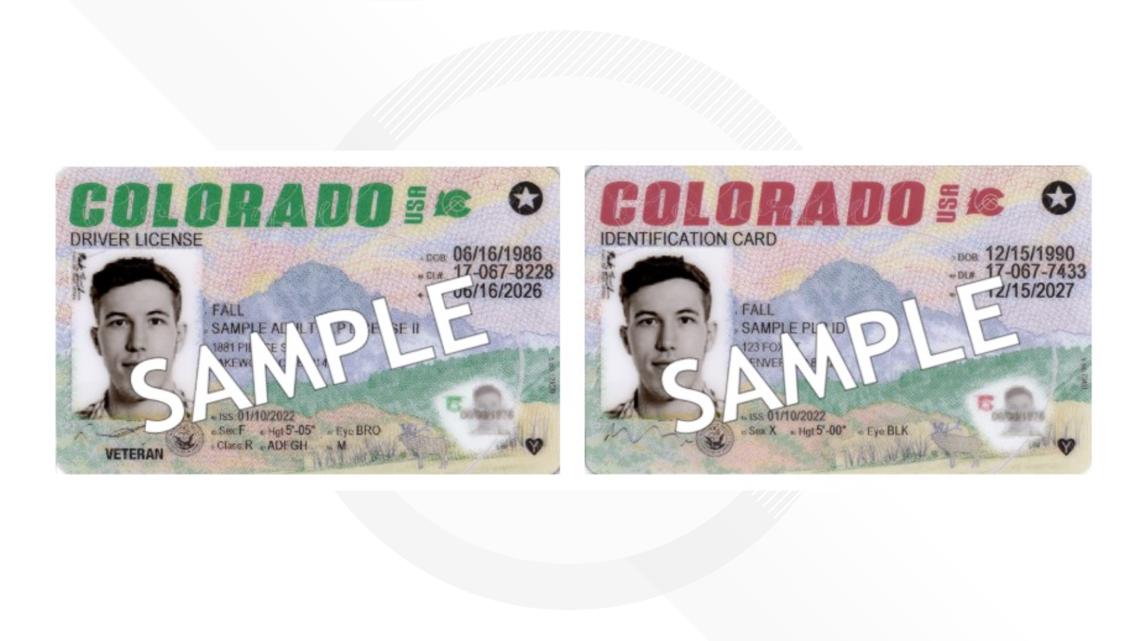
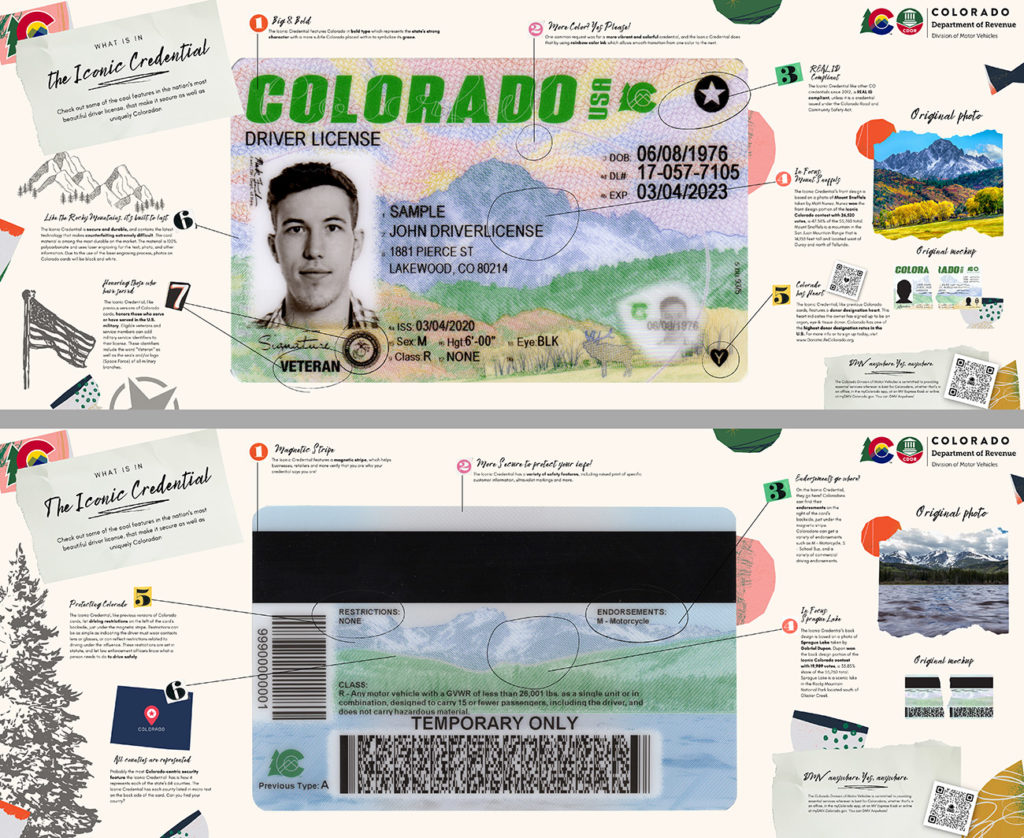
Distinguishing a REAL ID compliant card from a standard one is relatively straightforward once you know what to look for. A REAL ID compliant driver’s license or identification card will typically feature a star in the upper right-hand corner. This star can be gold or black, depending on the state, but its presence is the universal indicator of compliance. For instance, in Colorado, compliant cards display a gold star. Cards issued prior to a state’s compliance with the REAL ID Act, or those issued specifically as non-REAL ID options (often for individuals who do not require them for federal purposes), will either lack this star or explicitly state “NOT FOR FEDERAL IDENTIFICATION” or “FEDERAL LIMITS APPLY.” It is crucial for travelers to visually inspect their ID to confirm its status, especially as the enforcement date approaches. The design and security features, beyond the star, are also enhanced to prevent counterfeiting and tampering, ensuring a higher level of trust in the document’s authenticity.
Colorado’s Path to REAL ID Compliance and Your Driver’s License
Colorado, like all other states and territories in the United States, has undergone a significant process to align its identification issuance procedures with federal REAL ID standards. Understanding this journey is key to knowing the status of your Colorado ID.
The Timeline of Colorado’s Adoption
Colorado officially began issuing REAL ID-compliant driver’s licenses and identification cards in August 2012. This proactive approach allowed the state to meet the federal guidelines well in advance of the initial enforcement deadlines. However, the implementation was phased, meaning that not all Colorado residents automatically received a REAL ID compliant card immediately. Residents had the option to choose between a standard driver’s license or a REAL ID compliant one upon renewal or initial application. This choice required applicants for a REAL ID to present additional documentation, a standard practice across all compliant states. Colorado’s Department of Motor Vehicles (DMV), now known as the Division of Motor Vehicles (DMV), has since streamlined the process to make it as efficient as possible for residents to obtain the necessary identification.
Differentiating Standard vs. REAL ID-Compliant Colorado IDs
When you look at your Colorado driver’s license or ID card, its status as a REAL ID compliant document is clearly marked. As mentioned, a gold star in the upper right-hand corner signifies that your card meets federal REAL ID standards. If your card lacks this star, it is considered a standard Colorado ID. While a standard Colorado ID is perfectly valid for driving, voting, and most other everyday identification purposes within the state, it will not be accepted by the TSA for domestic air travel or for entry into restricted federal facilities once the REAL ID Act is fully enforced. It’s important for travelers, especially those who obtained their Colorado IDs before the state’s full compliance or chose a non-REAL ID option, to recognize this distinction to avoid potential disruptions to their travel plans.
The Application Process for a REAL ID in Colorado
Obtaining a REAL ID compliant driver’s license or ID in Colorado involves a visit to a DMV office and presenting specific documentation. Unlike renewals for standard IDs that might be completed online, a REAL ID requires an in-person application to ensure proper identity verification. Applicants must generally provide:
- Proof of identity (e.g., U.S. birth certificate or valid U.S. passport).
- Proof of Social Security number (e.g., Social Security card, W-2 form).
- Proof of Colorado residency (two documents, e.g., utility bill, bank statement, lease agreement).
- Proof of signature (e.g., credit card, previous driver’s license).
For individuals who have undergone a name change, additional legal documents such as marriage certificates or court orders will also be required. It is highly recommended to check the official Colorado DMV website or contact them directly for the most current and complete list of acceptable documents before visiting an office, as requirements can sometimes be updated. This meticulous process ensures the integrity and security of the REAL ID system, reinforcing its purpose as a reliable form of identification for federal purposes.

Essential Travel Scenarios: Where Your Colorado ID Matters
The implications of the REAL ID Act extend directly to various aspects of travel, making the status of your Colorado ID a critical consideration for many journeys.
Domestic Air Travel: The Most Critical Application
The most significant impact of the REAL ID Act for the average person is on domestic air travel. Once the enforcement date arrives (which has been extended multiple times, so always check the latest TSA guidelines), a REAL ID compliant driver’s license or state-issued ID card will be required by the TSA to board federally regulated commercial aircraft. Without a REAL ID compliant Colorado ID, travelers will need to present an alternative, acceptable form of identification, such as a valid U.S. passport, a permanent resident card, or another DHS-approved identity document. Passengers who fail to present an acceptable form of identification will be denied entry to the security checkpoint and consequently, will not be permitted to fly. This mandate underscores the importance for Colorado residents who plan to fly within the United States to ensure their primary ID is REAL ID compliant or to carry an alternative form of identification.
Accessing Federal Facilities and Military Bases
Beyond air travel, a REAL ID compliant Colorado ID is also required for entry into certain federal facilities, including many government buildings, nuclear power plants, and military bases. This requirement is in place to enhance security at these sensitive locations, ensuring that only properly vetted individuals gain access. For Colorado residents who work in or frequently visit such facilities, or who have family members on military bases, obtaining a REAL ID is not just a convenience but a necessity for seamless entry. Without it, additional security screening might be required, or entry could be denied, leading to significant inconvenience or missed appointments.
Other Travel-Related Identification Needs (Hotels, Car Rentals)
While the REAL ID Act primarily targets federal purposes, having a REAL ID compliant Colorado ID can indirectly simplify other travel-related transactions. For instance, when checking into a hotel, renting a car, or even purchasing age-restricted items, a universally recognized and federally compliant ID often streamlines the verification process. Although a standard Colorado ID is generally accepted for these purposes, a REAL ID card, with its enhanced security features and federal backing, can instill greater confidence and potentially lead to quicker processing, particularly in states or establishments that might be less familiar with out-of-state identification documents. It minimizes any potential questions or delays, contributing to a smoother overall travel experience.
Ensuring a Smooth Journey: Tips for Colorado Travelers
Preparation is key to avoiding any travel hiccups, especially concerning identification. For Colorado travelers, a few proactive steps can ensure a seamless journey.
Verifying Your ID’s Status Before You Go
Before planning any travel that involves domestic flights or access to federal facilities, it is paramount to verify the status of your Colorado ID. Simply check for the gold star in the upper right-hand corner of your driver’s license or identification card. If the star is present, your ID is REAL ID compliant. If it’s missing, you will need to apply for a REAL ID or use an alternative form of acceptable identification for federal purposes. Do not wait until the last minute, as DMV appointments can be limited, and processing times can vary. Planning ahead will save you stress and potential travel disruptions.
Alternative Forms of Identification
Should your Colorado ID not be REAL ID compliant, or if you prefer to carry multiple forms of ID while traveling, there are several alternative documents accepted by the TSA for domestic air travel. These include:
- A valid U.S. passport or passport card.
- A U.S. military ID (for active duty and veterans).
- A permanent resident card (Green Card).
- A DHS trusted traveler card (Global Entry, NEXUS, SENTRI, FAST).
- Foreign government-issued passport.
- Canadian provincial driver’s license or Indian and Northern Affairs Canada card.
Always carry an acceptable backup ID, especially if your primary ID is nearing its expiration date or if there’s any uncertainty about its REAL ID compliance. For international travel, a valid passport is always required.
Keeping Up-to-Date with TSA and DMV Guidelines
The REAL ID Act and its implementation have seen several changes and extensions since its inception. Therefore, it is crucial for Colorado travelers to stay informed about the latest guidelines from both the TSA and the Colorado DMV. Official websites (tsa.gov and Colorado.gov/DMV) are the most reliable sources for up-to-date information regarding enforcement dates, acceptable documents, and application procedures. Subscribing to travel alerts or periodically checking these sites can help ensure you’re always prepared for your next adventure. Being well-informed is your best defense against unexpected travel complications, allowing you to enjoy your journeys with peace of mind.
LifeOutOfTheBox is a participant in the Amazon Services LLC Associates Program, an affiliate advertising program designed to provide a means for sites to earn advertising fees by advertising and linking to Amazon.com. Amazon, the Amazon logo, AmazonSupply, and the AmazonSupply logo are trademarks of Amazon.com, Inc. or its affiliates. As an Amazon Associate we earn affiliate commissions from qualifying purchases.