
For many, the name “Boston Cream Pie” conjures images of a classic American dessert, a staple in bakeries and at family gatherings. Yet, beyond its immediate appeal as a sweet treat, this iconic creation holds a significant place in the culinary landscape of Boston, serving as a delightful ambassador for the city’s rich history and vibrant culture. Far from being just another dessert, understanding what a Boston Cream Pie truly is delves into a narrative of innovation, tradition, and local pride, making it an essential experience for any tourist exploring the gastronomic heart of Massachusetts. This isn’t merely about indulging a sweet tooth; it’s about tasting a piece of Boston’s legacy.

A Sweet Icon of Boston’s Culinary Heritage
The Boston Cream Pie, in its essence, is more than just a dessert; it is a culinary landmark, deeply woven into the fabric of the city’s identity. Its story is one of serendipitous creation and enduring popularity, a testament to the simple elegance that defines many classic American dishes. For tourists, encountering this dessert offers a tangible connection to Boston’s past, bridging the gap between historical sites and sensory experiences.
The Origins and Evolution of a Classic
The genesis of the Boston Cream Pie can be traced back to 1856, credited to the chef at the historic Parker House Hotel (now known as the Omni Parker House) in downtown Boston. Originally known as “Parker House Chocolate Cream Pie,” it was conceived as a light and elegant alternative to the heavier desserts prevalent at the time. This innovation quickly captured the hearts and palates of diners, establishing itself as a local favorite. Its creation marks a pivotal moment in American culinary history, showcasing the inventiveness that characterized 19th-century hotel kitchens. Over the decades, the recipe has remained remarkably consistent, a testament to its timeless appeal and perfect balance of flavors and textures. Its journey from a hotel specialty to a nationally recognized symbol of Boston highlights its significant cultural impact, making a visit to its birthplace a pilgrimage for food enthusiasts.
Not a Pie, But a Cake: Understanding the Misnomer
One of the most common curiosities surrounding the Boston Cream Pie is its name itself. Despite “pie” being in its title, it is unequivocally a cake. This charming misnomer is often attributed to the fact that early American desserts were frequently baked in pie plates, blurring the lines between what we now strictly define as cakes and pies. In the 19th century, cakes often referred to items baked in loaf pans or bundt molds, while round, layered desserts might still be termed “pies,” especially if they featured a custard filling. This semantic quirk adds to the unique character of the dessert, making it a point of interest and a conversational starter for those learning about Boston’s culinary lexicon. Understanding this historical context enriches the experience of tasting it, offering a deeper appreciation for the culinary practices of yesteryear that shaped its nomenclature.
The Anatomy of a Boston Cream Pie
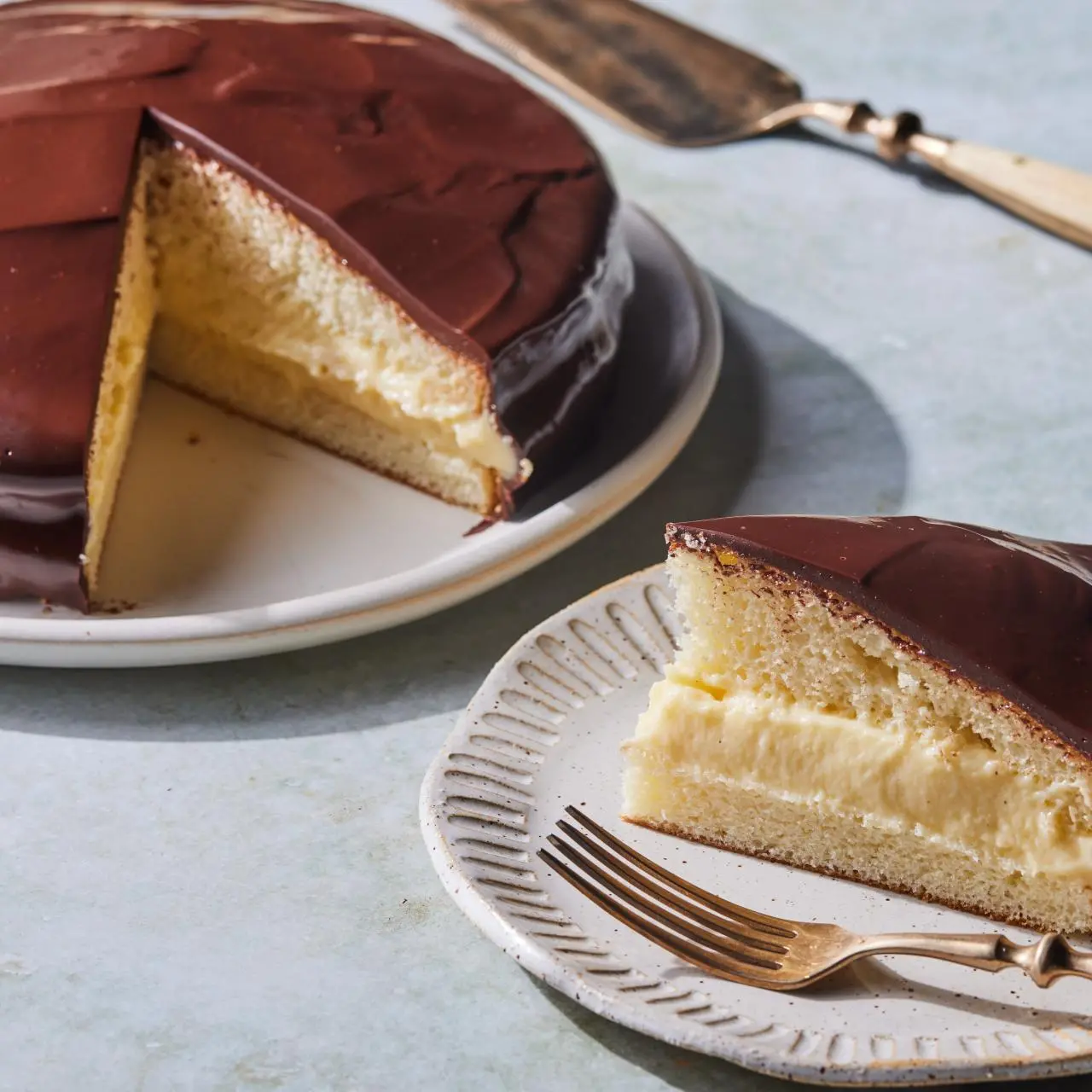
At its heart, the Boston Cream Pie is a masterclass in balance and simplicity. It’s the harmonious interplay of three distinct components that elevates it from a mere dessert to a celebrated icon. For tourists exploring Boston’s food scene, understanding these layers provides a framework for appreciating the craftsmanship behind each slice.
The Golden Sponge Cake Base
The foundation of the Boston Cream Pie is a delicate, often golden, sponge cake. Unlike heavier butter cakes, the sponge cake is light, airy, and moist, providing the perfect counterpoint to the rich fillings. It’s typically a genoise or a similar type of European-style sponge, known for its ability to absorb moisture without becoming soggy, thus remaining tender. This choice of cake ensures that the dessert, despite its multiple layers, feels refined and not overly dense. The subtle sweetness of the cake allows the other components to shine, creating a sophisticated base that speaks volumes about the original chef’s understanding of texture and flavor.
The Rich Custard Filling
Nestled between the two layers of sponge cake is a generous spread of rich, velvety vanilla custard. This custard is the true “cream” of the Boston Cream Pie, made from egg yolks, sugar, milk, and vanilla, slowly cooked to a thick, luscious consistency. It’s smooth, intensely flavorful, and provides a delightful coolness that contrasts beautifully with the cake. The quality of the custard is paramount, as it forms the creamy, indulgent core of the dessert. Its rich mouthfeel and aromatic vanilla notes are what many consider to be the defining characteristic of an authentic Boston Cream Pie, offering a comforting and luxurious experience.
The Signature Chocolate Glaze
Crowning the entire creation is a glistening, dark chocolate glaze. This isn’t a heavy ganache or a thick frosting, but rather a pourable glaze that sets with a slight sheen. Traditionally, it’s a simple concoction of melted chocolate, butter, sugar, and sometimes a touch of cream or corn syrup, carefully applied to create a smooth, even layer. The chocolate provides a welcome bitterness and depth that cuts through the sweetness of the custard and cake, preventing the dessert from being cloying. Its visual appeal is undeniable, providing a striking contrast to the pale cake and custard, making it instantly recognizable and irresistibly appealing.
The Art of Layering and Presentation
The true artistry of the Boston Cream Pie lies not just in its individual components, but in their meticulous assembly and elegant presentation. The two cake layers, the thick band of custard, and the smooth blanket of chocolate glaze are carefully stacked to create a dessert that is both visually appealing and structurally sound. The precision in layering ensures that each forkful offers a perfect medley of all three elements – the tender cake, the creamy custard, and the bittersweet chocolate. This careful construction underscores the attention to detail that went into its original creation and continues to be a hallmark of a properly made Boston Cream Pie, embodying a culinary tradition that values both taste and aesthetics.

Where to Savor Authentic Boston Cream Pie
For visitors to Boston, tasting an authentic Boston Cream Pie isn’t just about satisfying a craving; it’s an immersive cultural experience. Knowing where to find the best examples allows for a deeper appreciation of this iconic dessert, connecting tourists directly to its heritage.
Omni Parker House: The Birthplace Legend
No discussion of where to find the Boston Cream Pie is complete without mentioning its birthplace, the Omni Parker House. Located in the heart of downtown Boston, this historic hotel continues to serve the original, time-honored recipe that was first created within its walls over a century and a half ago. Dining at the Omni Parker House offers more than just a slice of cake; it’s a journey back in time, surrounded by the elegance and history of one of America‘s oldest continuously operating hotels. Savoring the pie here provides an unparalleled sense of authenticity, allowing visitors to taste the very tradition that has captivated generations. It’s a culinary pilgrimage that truly completes the Boston Cream Pie experience.
Local Bakeries and Pastry Shops
Beyond its historic birthplace, numerous local bakeries and pastry shops throughout Boston take immense pride in crafting their own versions of the Boston Cream Pie. These establishments often offer slight variations, perhaps in the richness of the chocolate glaze, the lightness of the sponge, or the intensity of the vanilla custard, each adding their unique signature to the classic. Exploring these local spots provides tourists with an opportunity to compare and contrast, discovering their personal favorite rendition. From small, neighborhood bakeries known for their artisanal approach to larger, more established patisseries, the search for the perfect slice can be a delightful adventure in itself, showcasing the diverse culinary talent within the city.
Upscale Restaurants and Modern Interpretations
In addition to traditional settings, many of Boston’s upscale restaurants and contemporary eateries feature Boston Cream Pie on their dessert menus, often with sophisticated twists. Chefs might reinterpret the classic components, perhaps using high-quality single-origin chocolates, infusing the custard with unique flavors, or presenting the dessert in deconstructed forms. These modern interpretations offer a fresh perspective on the iconic pie, appealing to palates seeking both tradition and innovation. Experiencing the Boston Cream Pie in such a setting highlights its enduring relevance and adaptability, proving that a classic can always be reimagined while still honoring its roots.
Boston Cream Pie as a Cultural Emblem
The Boston Cream Pie transcends its identity as a mere dessert to become a significant cultural emblem, deeply intertwined with the social and historical narrative of Boston and, to some extent, the culinary heritage of the United States. Its presence on menus and in discussions reflects its status not just as food, but as a symbol of identity and tradition.
A Taste of Boston’s History
To consume a Boston Cream Pie is, in many ways, to partake in a living piece of Boston’s history. It embodies the ingenuity and refined tastes of the city’s past, reflecting a period when culinary innovation was flourishing in grand hotel kitchens. The dessert’s enduring popularity speaks to the lasting appeal of well-crafted, comforting foods that evoke a sense of nostalgia and place. For tourists, it offers a tangible, delicious connection to the historical figures and daily life of old Boston, an edible artifact that tells a story as rich as its custard filling.
Its Place in American Gastronomy
The Boston Cream Pie holds a distinguished place within American gastronomy. In 1996, it was officially designated the state dessert of Massachusetts, solidifying its iconic status. This recognition underscores its significance beyond local borders, positioning it as a beloved national classic. It represents a particular style of American dessert — one that values wholesome ingredients, balanced flavors, and an approachable elegance. Its widespread recognition makes it a point of pride for Bostonians and a quintessential experience for anyone exploring the culinary landscape of the United States, reflecting a heritage of dessert making that continues to evolve.
DIY: Recreating the Classic at Home
For those inspired by their culinary journey through Boston, recreating the Boston Cream Pie at home can be a rewarding experience. Numerous recipes are available, ranging from traditional renditions that closely follow the Omni Parker House’s original formula to simplified versions for the home baker. This engagement with the dessert extends the tourism experience beyond the city limits, allowing individuals to bring a piece of Boston’s culture into their own kitchens. It encourages a deeper understanding of the ingredients and techniques involved, further appreciating the craftsmanship that goes into producing this beloved classic, and perhaps even inspiring a return visit to savor it once more in its authentic setting.
Conclusion: More Than Just Dessert – An Experience
The question “What is Boston Cream Pie?” ultimately leads to an answer far more profound than a simple recipe description. It is a symbol of Boston’s enduring culinary legacy, a testament to the power of tradition, and an essential component of the city’s tourism appeal. From its historic origins at the Omni Parker House to its careful construction of sponge cake, custard, and chocolate glaze, every aspect of the Boston Cream Pie tells a story. For visitors, indulging in a slice is not merely about enjoying a sweet treat; it’s about engaging with Boston’s vibrant culture, tasting its history, and connecting with a culinary icon that continues to delight and define. It’s a reminder that sometimes, the most memorable travel experiences are found in the simplest, most delicious traditions.
LifeOutOfTheBox is a participant in the Amazon Services LLC Associates Program, an affiliate advertising program designed to provide a means for sites to earn advertising fees by advertising and linking to Amazon.com. Amazon, the Amazon logo, AmazonSupply, and the AmazonSupply logo are trademarks of Amazon.com, Inc. or its affiliates. As an Amazon Associate we earn affiliate commissions from qualifying purchases.