
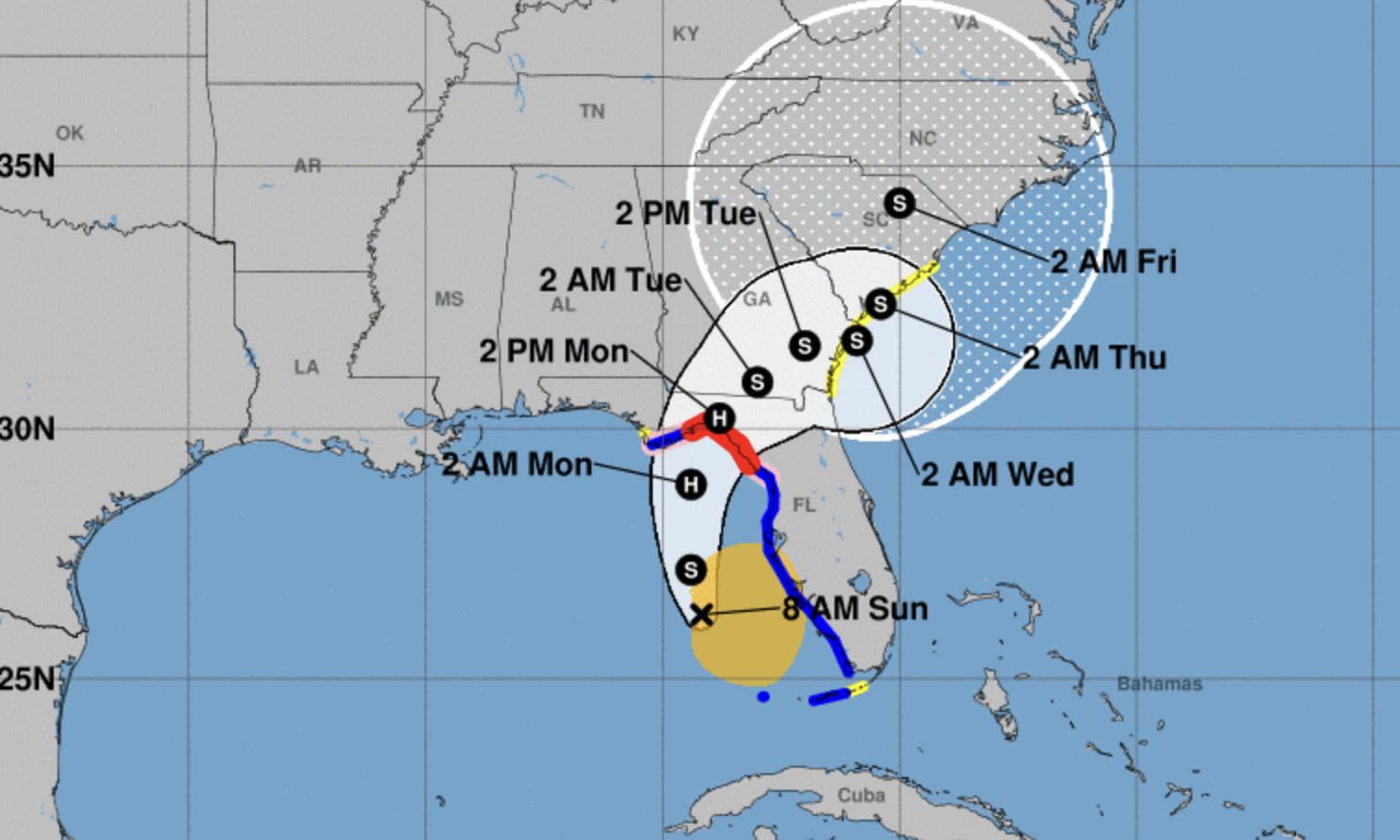
The anticipation of a named storm like Tropical Storm Debby approaching the coast of Florida can send shivers down the spine of even the most seasoned traveler. Florida, a perennial magnet for tourists seeking sun-drenched beaches, vibrant cities, and world-class attractions, is also uniquely positioned in a region prone to tropical weather systems. For anyone planning a trip to the Sunshine State, understanding the implications of hurricane season, and how a storm like Debby might impact their travel experience, is paramount. This guide delves into proactive planning, what to expect, and how to navigate the complexities of travel when severe weather looms or has recently passed, ensuring your focus remains on safety and informed decision-making.
Understanding Florida’s Hurricane Season and Storm Forecasting
Florida’s allure is undeniable, but a critical aspect of travel planning for this vibrant destination involves acknowledging its geographic reality during specific months of the year. The state, bordered by the Atlantic Ocean to the east and the Gulf of Mexico to the west, lies squarely in the path of potential tropical cyclones.
The Annual Cycle: June 1st to November 30th
Hurricane season officially spans from June 1st to November 30th each year. While storms can form outside this window, these six months represent the period of highest activity. For Florida, the peak months for hurricane activity typically fall between August and October, with September historically being the busiest. During these times, warm ocean waters provide the energy needed for tropical waves to develop into depressions, then tropical storms, and potentially powerful hurricanes. Travelers planning trips during these months should remain vigilant and proactively monitor weather forecasts. Historically, Florida has experienced its share of significant landfalls, from devastating major hurricanes to less severe, but still disruptive, tropical storms. Understanding this annual cycle is the first step in responsible travel planning. It’s not about avoiding Florida entirely during this period, but rather about preparing for eventualities and making informed decisions.
Decoding Storm Terminology: From Tropical Depression to Major Hurricane
When news outlets begin tracking a system like Tropical Storm Debby, it’s crucial for travelers to understand the terminology used by meteorologists. A “tropical depression” is an organized system of clouds and thunderstorms with a defined surface circulation and maximum sustained winds less than 39 mph (62 km/h). When winds intensify to 39-73 mph (63-118 km/h), it becomes a “tropical storm” and is assigned a name, like Debby. Should winds exceed 74 mph (119 km/h), the system is classified as a “hurricane,” further categorized from Category 1 to 5 on the Saffir-Simpson Hurricane Wind Scale. A “major hurricane” is Category 3 or higher, signifying winds of 111 mph (178 km/h) or greater, capable of causing devastating damage. Each classification comes with different levels of risk and potential impact, affecting everything from travel advisories to evacuation orders. Staying abreast of these classifications and the projected path from reputable sources like the National Hurricane Center (NHC) is critical for anyone with travel plans. The difference between a tropical storm and a major hurricane can mean the difference between minor delays and a complete disruption of your trip, including potential danger.
The Potential Impact of Tropical Storm Debby on Travel Plans
The emergence of a named storm like Tropical Storm Debby poses a direct and immediate threat to travel plans. Even if a direct hit is uncertain, the anticipation alone can trigger a cascade of disruptions across the travel industry.
Pre-Storm Preparations and Travel Disruptions
As a storm like Debby approaches, airlines, cruise lines, and accommodation providers often activate their severe weather policies. Airlines may issue travel waivers allowing passengers to change flights without penalty, or cancel flights to affected airports in cities like Miami, Orlando, or Tampa. Cruise ships may divert their routes or delay departures. Hotels and resorts might offer free cancellations or rebooking options, though this isn’t always guaranteed, especially if you booked through a third party. Ground transportation can also be severely impacted; rental car availability may plummet as residents evacuate, and interstates may face heavy congestion or even closures if conditions deteriorate. Travelers must actively monitor their bookings and communicate with their providers, understanding that flexibility will be key. Having alternative plans, or at least understanding cancellation policies, can mitigate significant financial loss and stress. The window for making changes before fees apply or options disappear is often very narrow once a storm’s trajectory becomes clearer.
Safety First: During the Storm
If you find yourself in Florida as Tropical Storm Debby makes landfall, your priorities shift from travel logistics to personal safety. Local authorities issue evacuation orders based on surge risk, structural integrity of buildings, and proximity to flood zones. These orders are not suggestions; they are directives aimed at saving lives. If an evacuation order is issued for your area, you must comply immediately and follow designated evacuation routes. For those in non-evacuation zones, “shelter-in-place” guidelines will be provided, often involving securing your location, staying indoors away from windows, and monitoring local news. Emergency services, while valiant, may be overwhelmed or unable to respond during peak storm conditions. Access to clean water, food, and electricity can be severely compromised. Travelers should have a personal emergency kit and understand their hotel’s or rental property’s emergency procedures. Making critical decisions based on official guidance, rather than rumors or social media, is paramount for ensuring your safety and the safety of those around you.
Attraction and Destination Closures
One of the most immediate impacts for tourists will be the closure of popular attractions and destinations. Theme parks like Walt Disney World and Universal Studios Florida in Orlando, often seen as impervious to anything but magic, have strict protocols for severe weather, typically closing well in advance of a storm’s arrival. Beaches along both coasts, from South Florida to the Panhandle, will be cleared and closed due to dangerous rip currents and storm surge. State parks, national parks like Everglades National Park, and other outdoor recreational areas will also close. Iconic destinations such as Key West often initiate mandatory evacuations for visitors and sometimes residents due to their low elevation and susceptibility to storm surge. For travelers, this means a complete halt to planned activities and sightseeing. It’s essential to check the official websites and social media channels of specific attractions for real-time updates rather than relying on outdated information. Closures are implemented for safety, and attempting to circumvent them puts both visitors and emergency responders at risk.

Essential Pre-Trip Planning and On-the-Ground Preparedness
When traveling during hurricane season, proactive planning is not merely advisable—it’s essential. For a destination like Florida, expecting the unexpected is part of the journey.
Comprehensive Travel Insurance: A Non-Negotiable
For any trip to Florida between June and November, comprehensive travel insurance should be considered a mandatory expense, not an optional add-on. Crucially, travelers should understand the difference between standard policies and “Cancel For Any Reason” (CFAR) insurance. Standard travel insurance typically covers trip cancellation, interruption, medical emergencies, and lost luggage, but often has specific clauses regarding natural disasters. For a weather event like Tropical Storm Debby, a standard policy might cover cancellations or interruptions if the storm is named and your destination is under an advisory before you depart, or if your transportation provider cancels. However, if you simply decide to cancel due to anxiety about the weather, a standard policy may not apply. CFAR policies offer much greater flexibility, allowing you to cancel for virtually any reason and recoup a significant percentage (usually 50-75%) of your non-refundable trip costs. It is vital to purchase insurance well in advance of a storm being named or even forming, as policies typically do not cover events that are already “known” or “foreseeable” at the time of purchase. Read the fine print meticulously to understand what is and isn’t covered regarding weather-related disruptions.
Building an Emergency Travel Kit and Communication Plan
Even with comprehensive insurance and flexible bookings, personal preparedness is key. Every traveler to Florida during hurricane season should assemble a small, personal emergency kit. This includes essentials like bottled water, non-perishable snacks, a basic first-aid kit, any necessary prescription medications (with extra doses), and a battery-powered or hand-crank radio. Don’t forget portable chargers or power banks for your mobile devices. Keep important documents—identification, passports, insurance policies, booking confirmations—in waterproof bags and have digital copies stored securely. Equally important is a communication plan. Establish a designated out-of-state contact who can serve as a central point for family and friends to check in. Inform your travel companions of this contact and ensure everyone has their information. Familiarize yourself with local emergency alerts and notifications, and consider purchasing a local SIM card if you’re traveling internationally, or ensuring your phone plan has roaming capabilities. Knowing what to do and how to communicate if power or cell service is lost can make a critical difference.
Staying Informed: Reliable Resources for Travelers
Information is your most valuable asset during hurricane season. Rely exclusively on official, reputable sources for weather updates and emergency guidance. The National Hurricane Center (NHC) is the primary source for tropical weather forecasts and advisories. Local emergency management agencies (e.g., Florida Division of Emergency Management, county-specific emergency services) provide localized information, evacuation orders, and shelter locations. Official tourism boards for specific cities or regions, as well as major hotel chains and airline websites, will often provide direct updates relevant to travelers. Avoid relying solely on social media or unofficial news sources, which can spread misinformation rapidly during stressful situations. Download relevant weather apps and bookmark key websites. Before and during your trip, check these sources frequently, especially if a system like Tropical Storm Debby is being monitored. Being informed allows you to make timely decisions, whether that means adjusting your itinerary, moving to a safer location, or sheltering in place.
Post-Storm Travel: Navigating Recovery and Rebuilding
Once a storm like Debby has passed, the immediate threat may subside, but its aftermath can profoundly impact travel. Florida is resilient, but recovery is a process that requires patience and understanding from visitors.
Assessing Conditions and Phased Reopening
Immediately after a storm, parts of Florida may be grappling with significant infrastructure damage, widespread power outages, and impassable roads due to flooding or debris. Major airports might experience closures or reduced operations, and seaports could be impacted. It’s crucial to understand that not all areas recover at the same pace. While one part of the state might be back to normal relatively quickly, another might be facing a long and challenging cleanup. Attraction openings, hotel availability, and local business operations will be on a phased schedule. Travelers with plans to visit Florida shortly after a storm should diligently check the status of their specific destination, including transportation routes, power grids, and service availability. Do not attempt to travel to a heavily impacted area unless you are part of a recognized relief effort, as you could hinder recovery operations and put yourself at risk. Patience and thorough research are indispensable during this phase.
Supporting Florida’s Tourism Recovery
When it is safe to return, traveling to Florida can play a vital role in its recovery. Tourism is a cornerstone of the state’s economy, and respectful, informed visitors help local communities rebuild by supporting local businesses, restaurants, and attraction staff. Focus your visits on areas that are actively welcoming tourists and are not overburdened by recovery efforts. This might mean adjusting your original itinerary to visit destinations that were less affected or have already completed their initial cleanup. Look for opportunities to support local economies directly, perhaps by choosing locally owned restaurants or shops. Some organizations may even offer “voluntourism” opportunities, though these should be approached with caution and only through reputable, established charities once an area is stable enough to accept external aid. Your presence, when appropriate and well-considered, contributes significantly to the morale and economic vitality of affected regions.

Flexibility and Patience: The Keys to Post-Storm Travel
Post-storm travel in Florida demands a high degree of flexibility and patience. You should anticipate potential delays, altered itineraries, and perhaps limited services compared to what you might typically expect. Road conditions might still be recovering, leading to longer travel times. Some smaller businesses may remain closed, and certain amenities at hotels or resorts might not be fully operational. The landscape itself, especially natural areas like beaches or parks, might look different due to erosion or debris. Adjusting your expectations for a potentially different kind of experience is crucial. Instead of focusing on what might be unavailable, embrace the resilience of the local communities and the unique perspective of visiting a destination in recovery. This period can offer a profound travel experience, highlighting community spirit and the enduring beauty of Florida, even as it heals. Always prioritize safety, follow local guidance, and be prepared for spontaneous changes to your plans.
LifeOutOfTheBox is a participant in the Amazon Services LLC Associates Program, an affiliate advertising program designed to provide a means for sites to earn advertising fees by advertising and linking to Amazon.com. Amazon, the Amazon logo, AmazonSupply, and the AmazonSupply logo are trademarks of Amazon.com, Inc. or its affiliates. As an Amazon Associate we earn affiliate commissions from qualifying purchases.