
The Boston Marathon bombing, a tragic and pivotal event in modern American history, occurred on April 15, 2013. This date marks a moment of profound sorrow and, ultimately, remarkable resilience for the city of Boston and the global community. The incident irrevocably altered the landscape of this historic race and left an indelible mark on the collective consciousness, transforming specific urban locations into sites of solemn remembrance and historical significance. Understanding the events of that day, its aftermath, and its enduring legacy is crucial for anyone seeking to grasp the full historical tapestry of Boston.
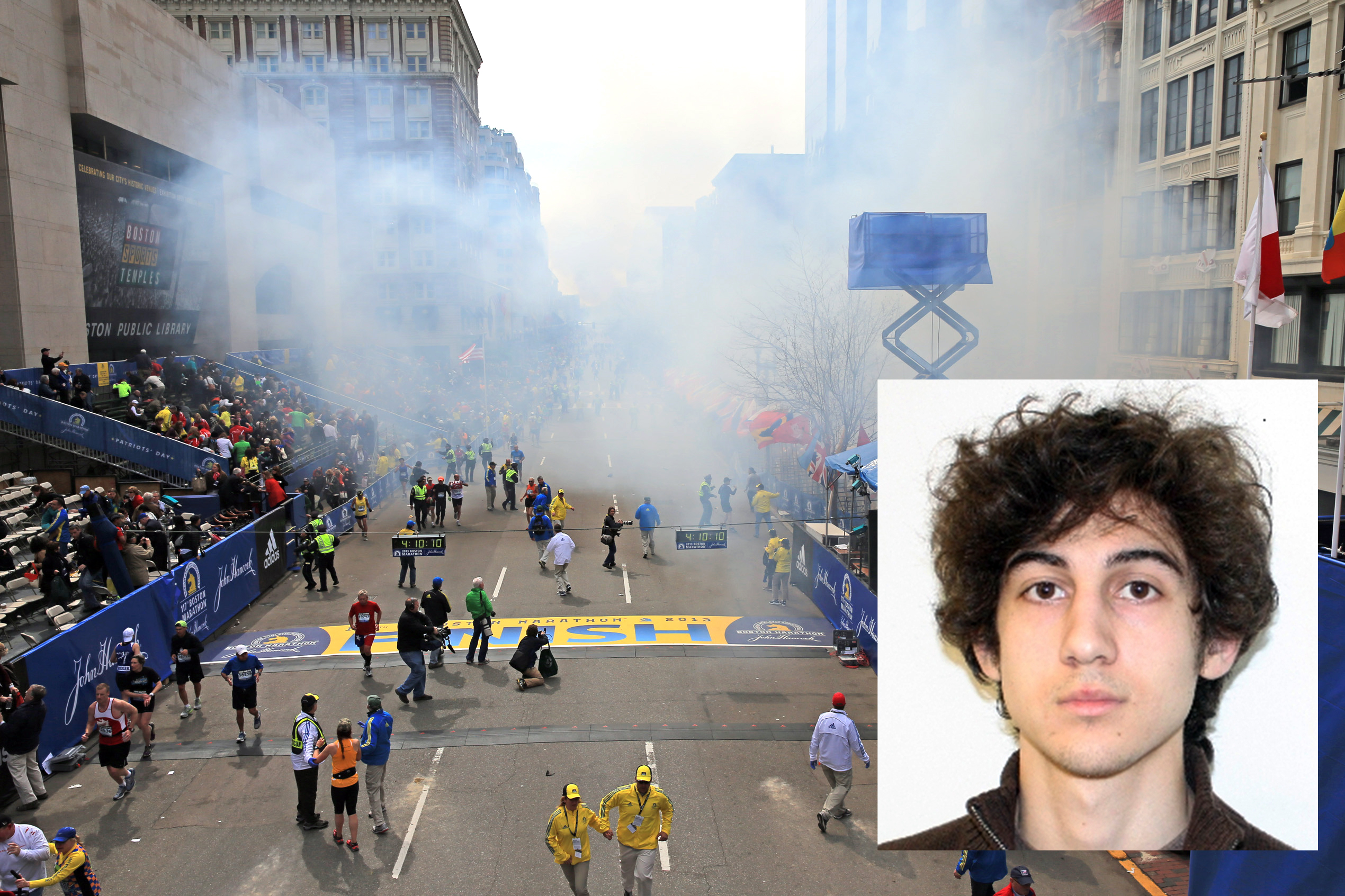
The Day That Shook Boston: April 15, 2013
Patriots’ Day, a unique state holiday in Massachusetts, has long been synonymous with the Boston Marathon. This annual rite of spring draws hundreds of thousands of spectators to line the 26.2-mile course, cheering on athletes from around the world. The day is traditionally a vibrant celebration of athleticism, community spirit, and the arrival of spring in New England. However, in 2013, this joyous occasion was shattered by an act of terror.
A Celebration Interrupted
April 15, 2013, was, for most of the day, typical of any Patriots’ Day in Boston. The marathon, one of the oldest and most prestigious road races in the world, was in full swing, with elite runners having already crossed the finish line and thousands more recreational participants continuing their arduous journey towards Copley Square. Families gathered, friends cheered, and the atmosphere was electric with shared anticipation and pride. The finish line area on Boylston Street, nestled in the heart of Boston’s historic Back Bay neighborhood, was a particularly dense hub of activity, packed with jubilant finishers, exhausted runners, and their supportive onlookers. It was a picture of human achievement and communal celebration, set against the backdrop of iconic urban architecture. This vibrant scene made the subsequent events all the more jarring and horrific. The Boston Marathon is not just a race; it is an integral part of Boston’s identity, a landmark event that brings the city to life each year.
The Attack on Boylston Street
At approximately 2:49 PM EDT, the celebratory atmosphere abruptly transformed into one of chaos and terror. Two homemade pressure-cooker bombs detonated just seconds apart, roughly 210 yards from each other, near the finish line on Boylston Street. The first explosion occurred outside the Marathon Sports store at 671 Boylston Street, and the second exploded a block away, outside the Forum Restaurant at 755 Boylston Street. The bombs were strategically placed amidst the thickest crowds, designed to inflict maximum casualties.
The immediate aftermath was horrific. The air was filled with smoke, the smell of explosives, and the screams of the injured. Debris was scattered across the street, and a scene of vibrant celebration turned into a war zone. First responders, including police officers, firefighters, and paramedics, alongside countless civilian bystanders, rushed into the plumes of smoke without hesitation, demonstrating extraordinary bravery and selflessness. They administered aid, applied tourniquets, and helped evacuate the critically injured. Three spectators—Krystle Campbell, Lingzi Lu, and Martin Richard—were killed, and an estimated 264 others were injured, many suffering life-altering trauma, including amputations. The sheer scale of the human impact reverberated far beyond the physical blast radius, touching hearts and minds across the globe. The sites of these detonations, now marked by solemn memorials, became permanent landmarks of historical significance.
The Lingering Aftermath and Search for Justice
The immediate hours and days following the bombing plunged Boston into an unprecedented state of emergency. The attack launched a massive, coordinated response from law enforcement agencies at local, state, and federal levels, aimed at identifying and apprehending those responsible.
City on Lockdown: The Manhunt
The investigation quickly identified two brothers, Dzhokhar and Tamerlan Tsarnaev, as the perpetrators. This discovery ignited an intense manhunt that captivated the nation and culminated in a dramatic 24-hour period of suspense and action. On the night of April 18, 2013, just three days after the bombing, the Tsarnaev brothers ambushed and murdered MIT Police Officer Sean Collier at the Massachusetts Institute of Technology in neighboring Cambridge. This brutal act was followed by a carjacking and a violent shootout with police in Watertown, a suburban community just west of Boston.
During the Watertown confrontation, Tamerlan Tsarnaev was killed, and Dzhokhar Tsarnaev managed to escape, triggering an extraordinary “shelter-in-place” order for the entire city of Boston and several surrounding communities. Public transportation was shut down, businesses closed, and millions of residents were asked to remain indoors, creating an eerie, silent stillness across a usually bustling metropolitan area. The streets of Boston, typically teeming with activity, became stark reminders of the gravity of the situation. The lockdown eventually concluded on the evening of April 19 when Dzhokhar Tsarnaev was found hiding in a boat in a Watertown backyard, severely wounded but alive, bringing an end to the harrowing search. The sheer scale and coordination of this manhunt showcased the collaborative power of multiple law enforcement agencies and the remarkable patience and cooperation of the public.
Trials and Convictions
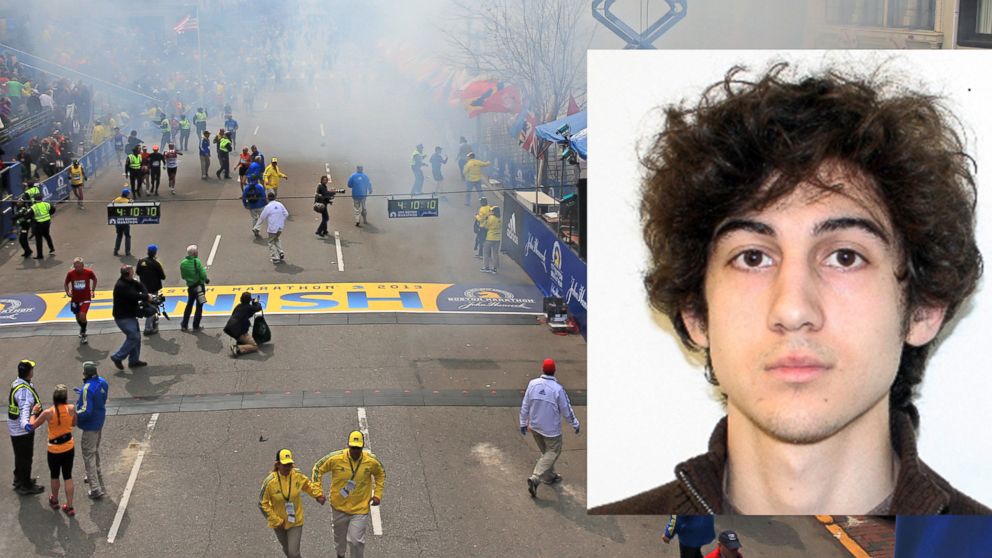
The legal process that followed the apprehension of Dzhokhar Tsarnaev was extensive and emotionally charged. He was charged with 30 federal counts, including use of a weapon of mass destruction resulting in death. The trial, held in Boston, garnered significant national and international attention. In April 2015, a jury found him guilty on all counts, and in May 2015, he was sentenced to death. While the appeals process has been lengthy, Dzhokhar Tsarnaev remains incarcerated, serving his sentence in a supermax prison. The court proceedings were a painful, yet necessary, chapter in Boston’s journey toward justice and healing, a testament to the legal system’s pursuit of accountability for such a heinous act.
Boston’s Resilience: Commemoration and Legacy
In the wake of such a devastating event, Boston demonstrated an unparalleled spirit of unity and resilience, giving rise to a powerful new identity.
The Spirit of “Boston Strong”
The phrase “Boston Strong” emerged organically in the days immediately following the bombing, quickly becoming a rallying cry for the city and a symbol of its indomitable spirit. It encapsulated the collective determination of Boston residents, first responders, medical professionals, and ordinary citizens to heal, rebuild, and overcome the trauma. The phrase appeared on banners, T-shirts, social media, and in countless public pronouncements, signifying solidarity with victims, defiance against terror, and an unwavering commitment to community. It reflected a profound sense of pride and unity that permeated every corner of the city, demonstrating how a community can come together in the face of adversity. This powerful message resonated globally, transforming a local tragedy into an international symbol of perseverance.
Memorials and Remembrance
The desire to honor the victims and to acknowledge the enduring impact of the bombing led to the creation of permanent memorials and ongoing traditions. The most prominent memorial stands on Boylston Street, directly at the sites of the two explosions. These twin memorials consist of engraved granite markers, each bearing the names of those who died, surrounded by flowering trees and lit at night. They are designed to be reflective spaces, offering a place for quiet contemplation and remembrance amidst the bustling city. Visitors often leave flowers, notes, and other tokens of respect, making them living memorials that continually evolve with public grief and gratitude.
Beyond these physical structures, the Boston Marathon itself has become an annual act of remembrance and triumph. Each year, on Patriots’ Day, the city observes a moment of silence at 2:49 PM. The Boston Athletic Association, which organizes the marathon, established the One Fund Boston to provide financial assistance to victims and their families, showcasing a direct, tangible commitment to support those most affected. The resilience of the marathon runners and the crowds that line the route in subsequent years has sent a clear message: the spirit of Boston cannot be broken. The race, more than ever, symbolizes endurance, freedom, and the power of the human spirit to move forward.
Visiting the Historic Sites and Understanding the Impact
For those interested in understanding the historical depth and enduring legacy of the Boston Marathon bombing, visiting the key sites offers a powerful and poignant experience.
The Boston Marathon Finish Line
The finish line of the Boston Marathon on Boylston Street remains a vibrant and bustling part of Boston’s Back Bay neighborhood. It is a landmark in its own right, signifying decades of athletic achievement. On any given day, visitors can see the iconic blue-and-yellow line painted across the asphalt, alongside the grandstands and banners that are erected annually for the race. While the atmosphere is generally lively with shoppers and diners, a solemn awareness underlies the experience for many. Standing at this location allows one to reflect on the joy and determination that define the marathon, as well as the tragic events that momentarily overshadowed it. It serves as a powerful reminder of how everyday urban spaces can become sites of profound historical significance.
The Permanent Memorial on Boylston Street
Adjacent to the finish line, the permanent memorials are essential stops for those wishing to pay their respects. These thoughtfully designed installations provide a solemn counterpoint to the vibrant commercial street. The granite markers, trees, and subtle lighting create a respectful space for reflection. Visitors are encouraged to approach these sites with reverence, recognizing them not just as physical landmarks but as sacred ground where lives were lost and irrevocably changed. Observing moments of quiet contemplation here helps to internalize the gravity of April 15, 2013, and appreciate the subsequent unity and strength exhibited by the city. It’s a testament to the fact that even in tragedy, beauty and remembrance can emerge.

Beyond the Immediate Sites
The historical impact of the Boston Marathon bombing extends beyond the finish line. The Massachusetts Institute of Technology in Cambridge hosts a memorial for Officer Sean Collier, a testament to his sacrifice. The entire city of Boston, and indeed the wider metropolitan area, carries the memory of those days. This event fundamentally reshaped emergency preparedness, public safety protocols, and the very way large public gatherings are secured. It cemented the historical narrative of Boston as a city that faces adversity with courage and compassion. Understanding these landmarks and their associated history provides a deeper appreciation for Boston’s character and its enduring legacy of resilience. The story of the Boston Marathon bombing is not merely about a tragic date; it’s about the transformation of urban spaces into profound historical markers, symbolizing a city’s pain, healing, and unwavering spirit.
LifeOutOfTheBox is a participant in the Amazon Services LLC Associates Program, an affiliate advertising program designed to provide a means for sites to earn advertising fees by advertising and linking to Amazon.com. Amazon, the Amazon logo, AmazonSupply, and the AmazonSupply logo are trademarks of Amazon.com, Inc. or its affiliates. As an Amazon Associate we earn affiliate commissions from qualifying purchases.