
The question “What happened in Boston?” is not a simple query seeking a singular event, but rather an invitation to delve into a city steeped in history, pulsating with innovation, and brimming with a distinctive character. Boston, often referred to as the “Cradle of Liberty,” is a mosaic of revolutionary spirit, academic prowess, culinary delights, and vibrant neighborhoods, each contributing to an unfolding narrative. For the discerning traveler, understanding “what happened” in Boston is to embark on a journey through time, culture, and experience, offering insights into one of America’s most iconic destinations. This article will guide you through the pivotal facets that define Boston as a premier tourism destination, from its foundational role in American history to its contemporary cultural landscape and gastronomic adventures.

Echoes of Revolution: Boston’s Historic Core
At the heart of Boston’s allure lies its unparalleled historical significance, particularly its central role in the American Revolution. The city’s streets and buildings bear witness to the defining moments that shaped a nation, offering visitors a tangible connection to the past. Exploring Boston’s historic core is not just sightseeing; it’s an immersive experience that brings history to life.
The Freedom Trail: A Walk Through History
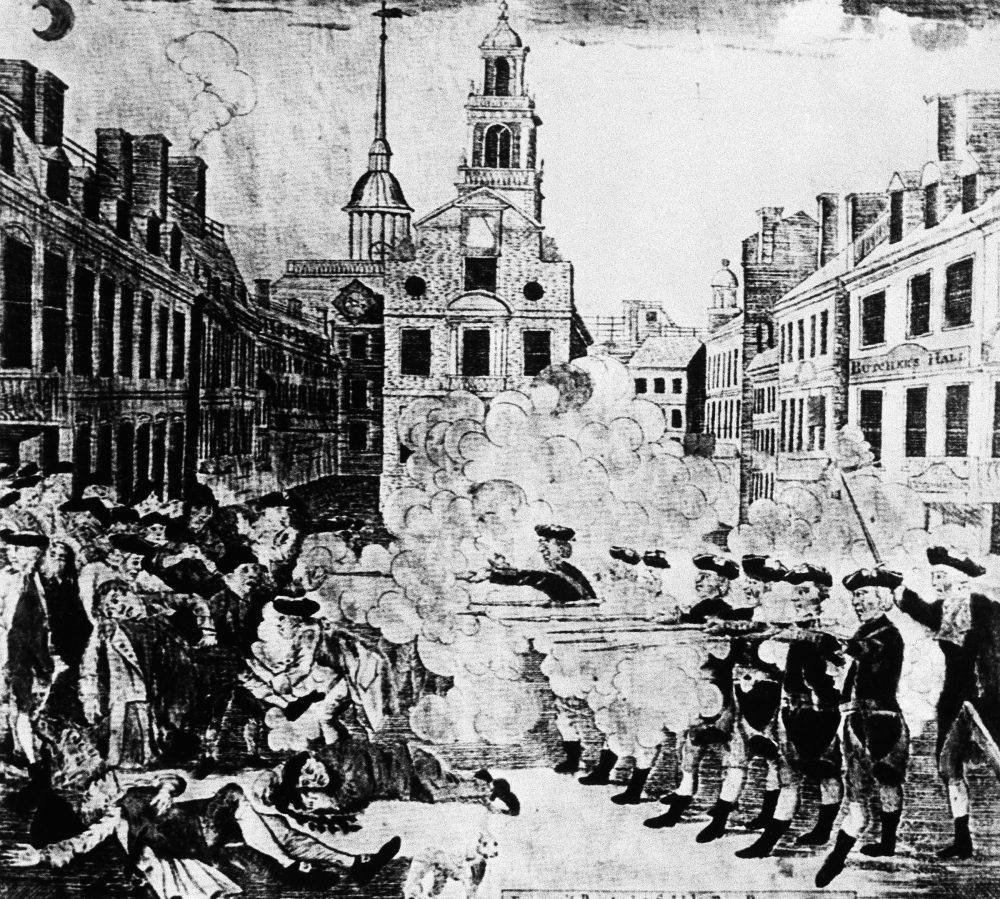
No visit to Boston is complete without traversing the Freedom Trail, a 2.5-mile red-lined path that weaves through 16 historically significant sites. This self-guided or guided walking tour offers a chronological journey from the city’s colonial beginnings to the birth of American independence. Starting at Boston Common, America’s oldest park, the trail leads visitors past significant landmarks such as the Massachusetts State House with its distinctive golden dome, the Granary Burying Ground, where luminaries like Paul Revere, John Hancock, and Samuel Adams are interred, and the site of the Boston Massacre. Each stop along the Freedom Trail contributes a crucial piece to the historical puzzle, allowing tourists to literally walk in the footsteps of patriots and revolutionaries. The engaging narratives provided by knowledgeable guides, or through audio tours, enrich the experience, painting vivid pictures of pivotal events and the figures who shaped them. This direct engagement with the physical spaces where history unfolded is a profound way to understand “what happened” in this critical period.
Iconic Landmarks and Their Stories
Beyond the immediate path of the Freedom Trail, Boston boasts a wealth of individual landmarks, each with its own captivating story. The Old North Church, famously known for the “one if by land, two if by sea” signal that launched Paul Revere’s midnight ride, stands as a testament to colonial ingenuity and defiance. Its interior offers a glimpse into 18th-century religious life and architecture. Nearby, the Paul Revere House, the oldest building in downtown Boston, provides a window into the daily life of the legendary silversmith and patriot. The Faneuil Hall, known as the “Cradle of Liberty,” has served as a marketplace and a meeting place for revolutionary discourse since 1742. Its significance as a forum for impassioned speeches by Adams and Hancock underscores its enduring role in the pursuit of freedom. Further afield in Charlestown, the majestic USS Constitution, “Old Ironsides,” the oldest commissioned warship afloat in the world, and the towering Bunker Hill Monument commemorate key battles and naval prowess, allowing visitors to appreciate the sacrifices made during the nation’s formative years. These landmarks are more than just old buildings; they are living testaments to the spirit and resilience that forged a new nation.
Revolutionary Spirit: Museums and Memorials
To further immerse oneself in the revolutionary era, Boston offers an array of museums and memorials that contextualize its dramatic past. The Boston Tea Party Ships and Museum offers a theatrical and interactive experience, transporting visitors back to the fateful night of December 16, 1773. Reenactments, authentic ships, and engaging exhibits bring the seminal event to life, allowing participants to throw tea overboard and learn about its profound implications. These institutions serve not only as repositories of artifacts but also as vibrant educational centers that encourage reflection on the ideals and struggles of the past. The meticulous preservation of these sites ensures that the revolutionary spirit continues to inspire and inform, reminding visitors of the fundamental principles upon which the United States was founded. The storytelling within these museums helps to fill in the gaps, explaining the motivations, the context, and the long-term consequences of “what happened” in Boston during these transformative times.
A Melting Pot of Culture and Innovation
While its historical roots run deep, Boston is far from a city dwelling solely in the past. It is a dynamic hub of intellectual pursuit, artistic expression, and technological advancement, constantly evolving while honoring its heritage. This blend of tradition and modernity creates a unique cultural tapestry that captivates tourists.
Academic Excellence and Artistic Flair
Boston and its greater metropolitan area are synonymous with world-renowned academic institutions. Harvard University in Cambridge, the oldest institution of higher learning in the United States, and the Massachusetts Institute of Technology (MIT), a global leader in science and technology, draw scholars and visitors alike. Walking through their historic campuses offers a glimpse into intellectual powerhouses that have shaped minds for centuries. Beyond academia, Boston is a vibrant center for arts and culture. The Museum of Fine Arts houses an encyclopedic collection spanning continents and millennia, while the exquisite Isabella Stewart Gardner Museum, designed as a Venetian palazzo, offers an intimate and eclectic art experience. Performing arts thrive here, with the Boston Symphony Orchestra and numerous theaters staging world-class productions. This rich cultural landscape ensures that there is always something to engage the mind and spirit, contributing significantly to “what happened” in terms of intellectual and artistic development within the city.
Diverse Neighborhoods, Unique Experiences
Boston’s character is also defined by its distinct neighborhoods, each offering a unique atmosphere and set of experiences. Beacon Hill, with its gas-lit streets, federal-style rowhouses, and charming boutiques, exudes old-world elegance. Strolling down Acorn Street, often cited as one of America’s most picturesque streets, feels like stepping back in time. The Back Bay neighborhood, characterized by its Victorian brownstones, grand boulevards like Commonwealth Avenue, and high-end shopping on Newbury Street, offers a more cosmopolitan flair. The North End, Boston’s oldest residential community, is a vibrant Italian-American enclave known for its incredible food and festive atmosphere, where narrow streets are lined with trattorias and pastry shops. In contrast, the rapidly developing Seaport District showcases Boston’s modern side with sleek architecture, innovative restaurants, and waterfront views. Exploring these diverse districts allows visitors to appreciate the multifaceted identity of Boston and understand how various communities have contributed to its rich cultural tapestry, constantly shaping “what happened” as the city grew.
Modern Day Boston: Innovation and Progress
Beyond its historical and cultural foundations, Boston is a leading hub for innovation, particularly in the fields of biotechnology, healthcare, and technology. This forward-looking spirit is evident in institutions like the Massachusetts General Hospital and the bustling startup scene that thrives around its universities. The city’s commitment to progress is also reflected in its sustainable urban planning and its vibrant public spaces. The blend of historic preservation with modern development creates a compelling environment where the past informs the future. For tourists, this means witnessing a city that is not only proud of its heritage but also actively shaping the next chapter of human endeavor. From cutting-edge research to smart city initiatives, the ongoing evolution of Boston is a significant part of “what happened” and continues to happen, making it a place of continuous discovery.

Culinary Journey Through the Hub
“What happened” in Boston also extends to its delectable culinary scene, which offers a delightful blend of traditional New England flavors and sophisticated contemporary cuisine. Food is an integral part of understanding a city’s culture and heritage, and Boston’s offerings are no exception.
Seafood Delights: From Clam Chowder to Lobster Rolls
Given its coastal location, it’s no surprise that Boston is a paradise for seafood lovers. The quintessential New England Clam Chowder, a creamy, hearty concoction, is a must-try, available in countless establishments from casual diners to upscale restaurants. Fresh lobster, served steamed, baked, or most famously in a lobster roll, is another staple that embodies the region’s culinary identity. Oysters, scallops, and fresh fish are abundant, often served straight from the Atlantic Ocean. Places like Neptune Oyster in the North End or the historic Union Oyster House, America’s oldest continuously operating restaurant, offer authentic tastes of Boston’s maritime heritage. Dining on fresh seafood is a direct connection to Boston’s historical role as a bustling port city, where fishing was a cornerstone of its economy and identity, truly capturing a taste of “what happened” culturally.
North End: Boston’s Little Italy
The North End offers a distinct culinary experience, transporting visitors to the heart of Italy. This historic neighborhood is famed for its authentic Italian restaurants, trattorias, and pastry shops. From traditional pasta dishes and wood-fired pizzas to cannoli and espresso, the flavors of Italy are richly present. Iconic establishments like Mike’s Pastry and Modern Pastry draw crowds eager to savor their delectable Italian sweets. Walking through the North End, with its vibrant street life and the aroma of garlic and tomato sauce wafting from open doorways, provides a cultural immersion that speaks volumes about the diverse influences that have shaped Boston’s identity. It’s a testament to the immigrant stories and contributions that have made Boston the rich cultural tapestry it is today.
Beyond the Classics: Contemporary Dining
While Boston proudly upholds its culinary traditions, its dining scene is also marked by a vibrant contemporary edge. World-class chefs are constantly innovating, offering farm-to-table experiences, fusion cuisine, and avant-garde gastronomic creations. The Seaport District, in particular, has emerged as a culinary hotspot with a plethora of trendy restaurants, showcasing modern American cuisine and global influences. From high-end dining experiences to casual gastropubs, Boston caters to every palate and preference. This dynamic culinary evolution reflects the city’s ongoing growth and its embrace of diverse influences, adding another fascinating layer to “what happened” and continues to happen in Boston’s cultural narrative.
Activities and Experiences: Beyond the Beaten Path
“What happened” in Boston isn’t just about its past or its food; it’s also about the vibrant experiences and activities that define daily life and recreation for both residents and visitors. The city offers a myriad of ways to engage, from thrilling sports to serene natural escapes.
Sporting Legacy: Fenway’s Roar
Boston is a city of passionate sports fans, and its sporting legacy is deeply ingrained in its identity. Fenway Park, the oldest ballpark in Major League Baseball, is a hallowed ground for baseball enthusiasts and home to the beloved Boston Red Sox. Attending a game at Fenway is an iconic Boston experience, offering a glimpse into the city’s collective spirit and enduring love for its teams. Beyond baseball, Boston is home to other championship teams like the New England Patriots (NFL), Boston Celtics (NBA), and Boston Bruins (NHL), making it a true sports mecca. Experiencing the roar of the crowd and the palpable energy of a game is an unforgettable part of “what happened” in Boston’s cultural development. Even outside of game day, stadium tours offer insights into the history and legends that have graced these fields.
Parks, Waterways, and Urban Escapes
Despite its urban density, Boston offers numerous green spaces and access to picturesque waterways, providing tranquil escapes from city life. The Boston Common, America’s oldest park, and the adjacent Public Garden, with its iconic swan boats and vibrant floral displays, are perfect for leisurely strolls and relaxation. The Charles River Esplanade, stretching along the Charles River, offers scenic pathways for jogging, cycling, or simply enjoying panoramic views of the city skyline. Boat tours on the Charles River or whale watching excursions from the harbor provide different perspectives of Boston’s beauty and its connection to the sea. These natural havens are a vital part of the city’s fabric, offering balance to its historical gravitas and urban dynamism.
Shopping and Entertainment
From luxury boutiques on Newbury Street and artisan shops in Beacon Hill to the bustling marketplace of Faneuil Hall Marketplace, Boston provides diverse shopping experiences. For entertainment, the Theater District offers a wide array of Broadway shows, concerts, and live performances. The New England Aquarium is a popular attraction for families, showcasing marine life from around the world. Whether seeking retail therapy, cultural performances, or family-friendly adventures, Boston’s entertainment options ensure there’s always something engaging to do, allowing visitors to create their own answers to “what happened” during their trip.
Conclusion: Boston’s Enduring Allure
So, “What happened in Boston?” The answer is not singular but multifaceted, a continuously unfolding story of revolution, innovation, culture, and community. From its pivotal role in shaping American democracy to its vibrant contemporary arts scene, from its iconic seafood to its world-class academic institutions, Boston offers a rich tapestry of experiences for every visitor. It is a city that meticulously preserves its past while boldly embracing its future, creating a destination that is both deeply historic and remarkably modern. For tourists, Boston promises an insightful and engaging journey, inviting them to explore its cobblestone streets, savor its distinctive flavors, and discover their own personal answer to the enduring question of what makes this remarkable city so special.
LifeOutOfTheBox is a participant in the Amazon Services LLC Associates Program, an affiliate advertising program designed to provide a means for sites to earn advertising fees by advertising and linking to Amazon.com. Amazon, the Amazon logo, AmazonSupply, and the AmazonSupply logo are trademarks of Amazon.com, Inc. or its affiliates. As an Amazon Associate we earn affiliate commissions from qualifying purchases.