
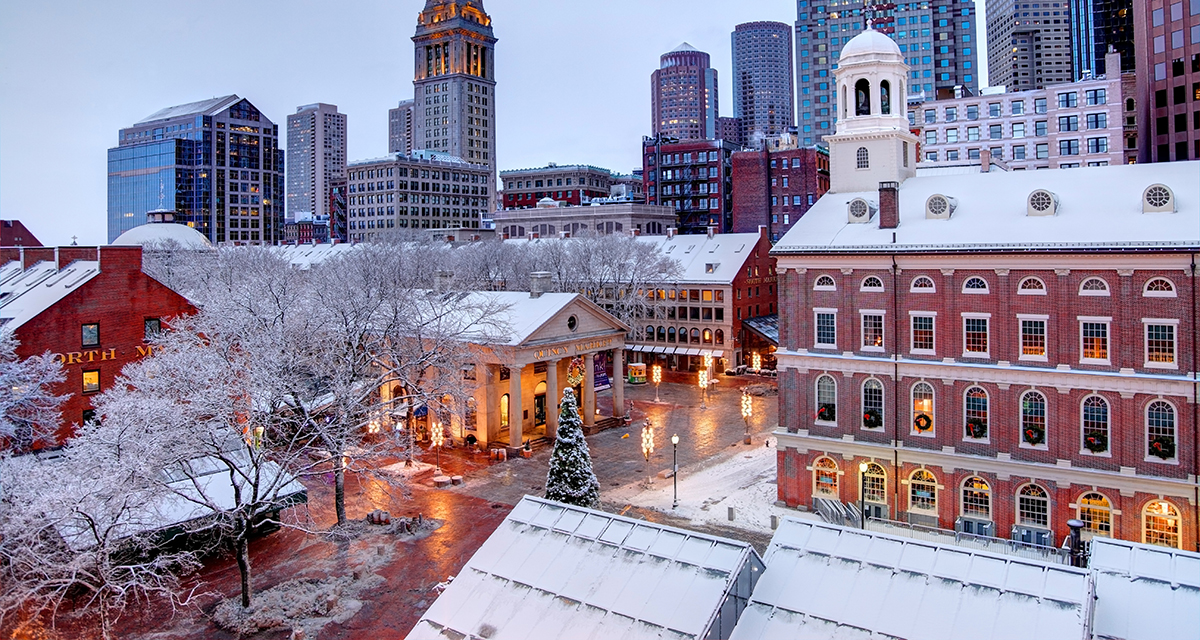
For many travelers, the allure of a crisp, snow-covered cityscape is an undeniable draw, transforming familiar urban landscapes into breathtaking winter wonderlands. Few cities encapsulate this magical transformation quite like Boston, Massachusetts. With its historic cobblestone streets, charming brownstones, and iconic parks, Boston draped in a blanket of white is a sight to behold, offering a unique travel experience that combines history, culture, and natural beauty. If you’re dreaming of a snowy Boston getaway, the burning question is: when will it snow? Understanding Boston’s winter weather patterns, typical snowfall timelines, and how to prepare for them is essential for planning the perfect trip.

Understanding Boston’s Winter Weather Patterns
Boston’s position in New England, hugging the Atlantic coast, subjects it to a classic humid continental climate characterized by distinct seasons. Winters here are cold, often windy, and frequently snowy, a reputation earned through decades of significant snow events. The region’s weather is a complex interplay of cold arctic air masses descending from Canada and moisture-laden storms tracking up the East Coast. This dynamic combination is what sets the stage for memorable snowfalls.
Average Snowfall and Temperatures
While no two winters are exactly alike, historical data provides a robust framework for anticipating when snow is most likely. Boston typically receives an average of 40-50 inches of snow annually, though this figure can fluctuate wildly from year to year. The snow season generally spans from early December to late March, with the peak occurring in the heart of winter.
- December: The first significant snowfalls often arrive in December. While light dustings are common, major storms are less frequent than in later months. Average temperatures hover around the low 30s Fahrenheit (0 to -1 Celsius), making it cold enough for snow to stick. A pre-Christmas snowfall can turn the city into a festive postcard, an experience highly sought after by holiday travelers.
- January: As the coldest month, January presents the highest probability for substantial snow accumulation. Average temperatures drop to the mid-20s Fahrenheit (-4 Celsius), ensuring that precipitation often falls as snow. It’s during January that Boston truly transforms into a winter wonderland, with multiple snow events often blanketing the city.
- February: Following January closely, February remains a prime month for significant snow. Temperatures remain frigid, mirroring January’s averages. This month has historically seen some of Boston’s heaviest individual snowstorms. The extended cold ensures that snow cover can persist for longer periods, enhancing the winter aesthetic for travelers.
- March: While spring officially begins in March, Boston can still experience significant winter weather. Early March often sees a continuation of snowy conditions, and late-season Nor’easters are not uncommon. However, as the month progresses, the chances of warmer temperatures leading to rain or quick melting increase.
The Science Behind a Nor’easter
The most dramatic snowfalls in Boston are often attributed to Nor’easters – powerful coastal storms that develop along the eastern seaboard. These low-pressure systems derive their name from the strong northeasterly winds they bring to the New England coast. For a Nor’easter to produce heavy snow in Boston, a precise combination of factors is required: a robust cold air mass in place, ample moisture from the Atlantic, and the storm track hugging the coast. When these elements align, Boston can experience blizzard conditions, several feet of snow, and travel disruptions, but also unparalleled scenic beauty. Understanding these meteorological marvels is key to appreciating the winter dynamics of the region.
The Prime Window for Snow in Boston
For travelers specifically seeking a snowy experience, timing your visit is crucial. While snow can technically fall from late November through April, the period of highest probability for significant, picturesque snowfall is more concentrated.
December: The Start of Winter Magic
December marks the official onset of winter’s embrace in Boston. Early flurries might dance through the air, dusting the festive decorations, but major snowstorms are less common than in the deep winter months. If you’re hoping for a light, romantic snowfall for a holiday visit, December offers a decent chance. The holiday season adds another layer of charm, with markets, twinkling lights, and seasonal events complementing any potential snow. However, those dreaming of a truly snow-blanketed city might find December’s snowfall a bit more sporadic.
January and February: The Heart of Winter
Without a doubt, late January through mid-February represents the absolute sweet spot for travelers yearning for a definitive snowy Boston experience. This two-month window consistently records the highest average snowfall and the coldest temperatures, ensuring that precipitation arrives as snow and lingers on the ground. During this period, the city is frequently transformed by multiple snow events, ranging from gentle, continuous flurries to powerful Nor’easters. Historical patterns reveal that some of Boston’s’s most iconic “snow days” have fallen within these months, covering landmarks like Beacon Hill and the Public Garden in a pristine white. If your primary goal is to witness Boston at its most wintry and snow-laden, this is the optimal time to plan your visit.
March: Lingering Winter or Early Spring?
As the calendar turns to March, the winter narrative begins to shift. While the early weeks of March can still deliver substantial snow, especially from late-season Nor’easters, the increasing daylight hours and gradually warming temperatures mean that snow is less likely to accumulate and persist as long. A “March miracle” blizzard is certainly within the realm of possibility, offering a final dramatic flourish to the winter season. However, by late March, the odds swing more towards milder weather and the first hints of spring. If you visit in March, be prepared for a mix of possibilities – from snow-covered streets to slushy puddles and even mild, sunny days. It’s a transitional month that keeps travelers on their toes, yet still offers the chance for a truly memorable snowy experience.

Planning Your Snowy Boston Getaway
Visiting Boston in winter, especially with the intention of experiencing snow, requires a bit more preparation than a summer trip, but the rewards are well worth it.
Best Time to Visit for a Winter Wonderland Experience
For the highest likelihood of a truly immersive winter wonderland, targeting late January to mid-February is your best bet. This period maximizes your chances of experiencing significant snowfall and seeing the city adorned in its purest white. The cold temperatures ensure that snow, once fallen, tends to stick around for longer, allowing you more time to enjoy the scenic beauty. While late December offers festive charm, the consistent, deep snow cover is more characteristic of the deeper winter months. Planning for this peak window allows you to truly embrace Boston’s winter character.
Preparing for a Boston Winter
Proper preparation is paramount for a comfortable and enjoyable snowy Boston trip.
- Packing Essentials: Layers are your best friend. Start with moisture-wicking base layers, add insulating middle layers like fleece or wool, and top it off with a waterproof and windproof outer shell. A warm hat, gloves or mittens, and a scarf are non-negotiable. Crucially, invest in waterproof, insulated boots with good traction – you’ll be thankful for them when navigating snowy and icy sidewalks.
- Transportation Considerations: Boston’s public transportation system, the MBTA, is generally reliable even during snow events, though delays are possible. The subway (“the T”) is often the most dependable option for getting around the city center. Driving can be challenging due to snow-clogged streets and parking restrictions, so relying on public transport, ride-shares, or taxis is often advisable.
- Weather Forecasting Resources: Stay informed by checking reliable local weather forecasts in the days leading up to and during your trip. Local news channels (Boston has several excellent ones), reputable weather apps, and the National Weather Service website can provide accurate and timely updates on snow predictions and storm warnings.
Winter Activities and Attractions in the Snow
A snowy Boston opens up a host of unique activities, blending outdoor adventure with cozy indoor escapes.
- Outdoor Wonders:
- Ice Skating: Glide across the iconic Boston Common Frog Pond, a quintessential winter experience, with the stunning backdrop of the State House and surrounding cityscape.
- Scenic Strolls: Bundle up and wander through the historic gas-lit streets of Beacon Hill or the serene pathways of the Public Garden, transformed into a silent, picturesque wonderland. The crisp air and hushed atmosphere are magical.
- Sledding: If there’s enough snow, local parks like Boston Common or Larz Anderson Park offer popular sledding hills for all ages.
- Cozy Indoor Escapes:
- Museums: Boston boasts world-class museums, perfect for a snowy day. Explore the vast collections at the Museum of Fine Arts or immerse yourself in the unique atmosphere of the Isabella Stewart Gardner Museum, a Venetian palace transplanted to Boston.
- Historic Sites: Delve into history at indoor attractions like Faneuil Hall’s marketplace and halls, or the Old State House, delving into the city’s revolutionary past.
- Culinary Delights: Warm up in one of Boston’s many cozy cafes, historic taverns, or acclaimed restaurants. Enjoy hot chocolate, clam chowder, or hearty New England fare.
- Winter Events: Keep an eye out for seasonal events like the Boston Winter market (if held in the specific year), holiday shows, or ice sculpture festivals that add to the city’s winter appeal.
Navigating the Unpredictability of New England Weather
While historical averages provide a strong guide, New England weather is famously unpredictable. A winter can be mild with little snow, or it can be record-breaking. Embracing this variability is part of the charm of a winter Boston trip.
Flexibility is Key
When planning a trip centered around experiencing snow, it’s wise to build in some flexibility. Have alternative indoor activities planned in case of unexpected warmth or extreme storm conditions that might limit outdoor exploration. Acknowledging that nature has its own schedule will help manage expectations and ensure a more relaxed trip. Sometimes, the most memorable snow experiences are the unexpected ones – a sudden blizzard that forces you to duck into a charming pub, or a quiet morning walk after an overnight dusting.
Staying Informed
Beyond initial planning, staying current with hyper-local weather reports is essential. Use reliable sources that offer real-time updates for Boston, not just broader regional forecasts. Pay attention to winter storm watches and warnings, which can impact travel plans and local services. Local news outlets often provide detailed information on road conditions, public transport status, and potential closures, ensuring you can navigate your snowy adventure safely and smoothly.
In conclusion, for travelers dreaming of seeing Boston blanketed in snow, the sweet spot for planning your visit is generally from late January through mid-February. This period offers the highest probability for significant snowfall, transforming the historic cityscape into a truly enchanting winter wonderland. By preparing for the cold, staying informed about weather conditions, and embracing the unique charm of a snowy Boston, you’re set to create unforgettable travel memories. So pack your warmest gear and get ready to experience the magic of winter in this iconic New England city.
LifeOutOfTheBox is a participant in the Amazon Services LLC Associates Program, an affiliate advertising program designed to provide a means for sites to earn advertising fees by advertising and linking to Amazon.com. Amazon, the Amazon logo, AmazonSupply, and the AmazonSupply logo are trademarks of Amazon.com, Inc. or its affiliates. As an Amazon Associate we earn affiliate commissions from qualifying purchases.