
For anyone considering a journey between two of Central Florida’s most dynamic cities, a common question arises: “How far is Lakeland from Tampa, Florida?” The answer is relatively straightforward, yet the nuances of travel, including routes, transportation options, and factors affecting journey time, paint a richer picture. While these cities are close enough for a convenient day trip or daily commute, understanding the specifics can significantly enhance your travel planning. Situated roughly halfway between Tampa on the Gulf Coast and Orlando in the interior, Lakeland serves as a vital hub, bridging the vibrant metropolitan experiences of Tampa with the theme park capital of the world. This guide delves into the distances, travel methods, and time considerations, ensuring you’re well-prepared for your trip, whether for business or leisure.
The Proximity and the Journey: Unpacking the Distance
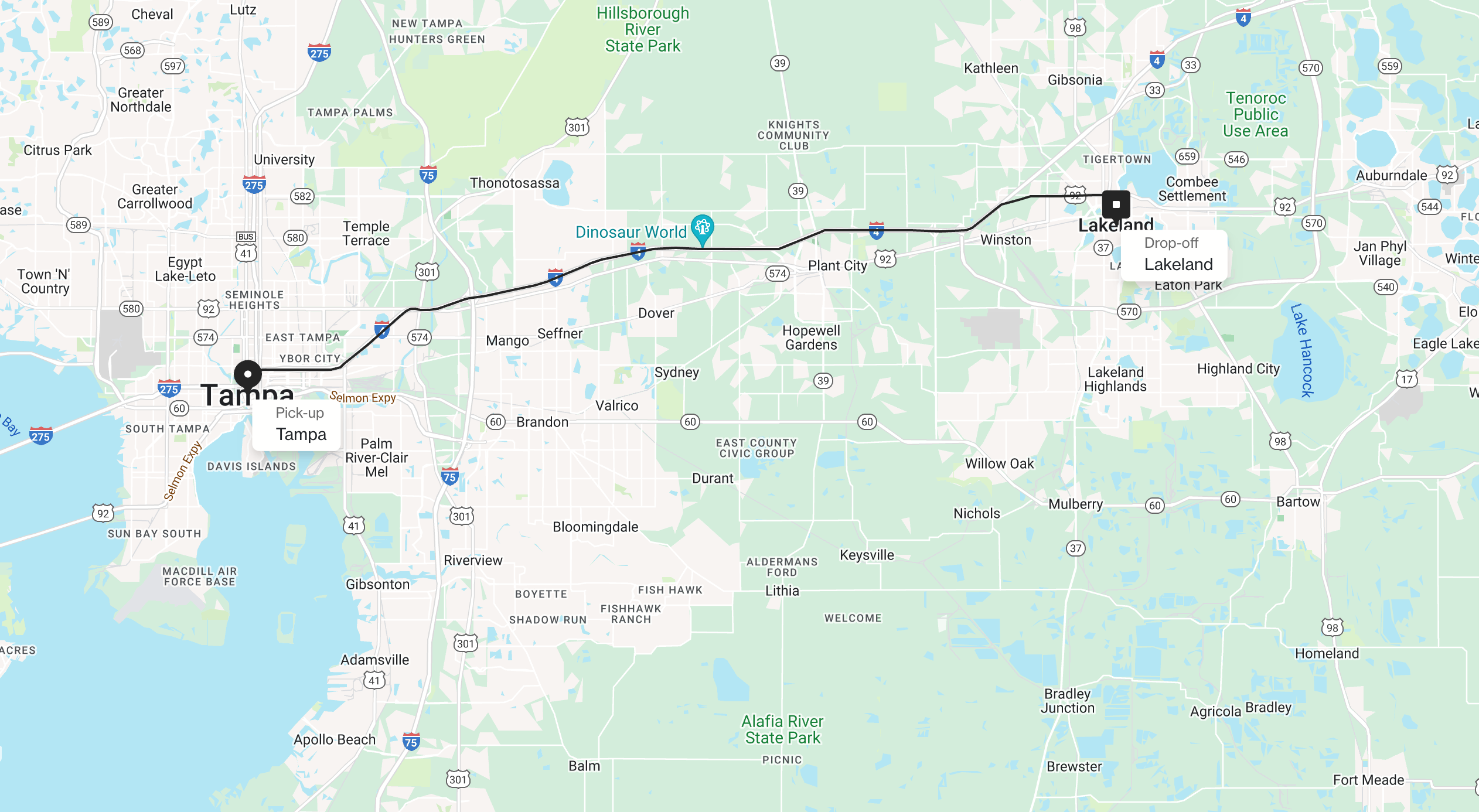
The distance between Lakeland and Tampa is comfortably short, making it an accessible route for various travelers. This proximity is a significant advantage for commuters, tourists exploring the region, and residents traveling between the two urban centers. Understanding both the direct “as the crow flies” distance and the practical driving distance is crucial for realistic travel planning.
Direct Distance vs. Driving Distance
While the geographical straight-line distance between Lakeland and Tampa might be approximately 30-35 miles (48-56 kilometers), the actual driving distance is slightly longer due to the necessary road networks. Typically, the driving distance ranges from about 32 to 35 miles (51 to 56 kilometers), depending on your exact starting point in Lakeland and your destination within Tampa. This relatively short distance means that the journey can often be completed within an hour under optimal driving conditions, offering seamless connectivity between these two significant Florida cities. It’s a testament to the well-developed infrastructure of the region that such a quick transit is possible, allowing individuals to easily experience the unique offerings of each locale.
Key Routes and Highways Connecting the Cities
The primary artery connecting Lakeland and Tampa is Interstate 4 (I-4). This major east-west highway is the backbone of central Florida’s transportation network, linking Tampa on the west coast to Daytona Beach on the east coast, passing directly through Lakeland and Orlando in between. For the Lakeland-Tampa stretch, I-4 is the most direct and fastest route for most travelers.
In addition to I-4, other routes offer alternative, albeit often slower, options. US Highway 92 (US-92) runs roughly parallel to I-4 and provides a scenic, more local drive through towns like Plant City. While US-92 typically involves more traffic lights and lower speed limits, it can be a good choice for those who prefer to avoid the interstate or want to explore some of the communities along the way. Another relevant road is the Polk Parkway (SR 570), a toll road that loops around the southern side of Lakeland and connects back to I-4, offering a bypass for certain parts of the city and potentially easing congestion for those coming from or going to specific areas of Polk County. Choosing the right route often depends on the time of day, current traffic conditions, and your desired travel experience.
Navigating the Journey: Transportation Options
Travelers between Lakeland and Tampa have several transportation methods at their disposal, each offering distinct advantages in terms of cost, convenience, and flexibility. From the independence of driving to the economy of public transport, there’s an option to suit nearly every preference.
Driving Yourself: Freedom and Flexibility
Driving remains the most popular and often the most convenient way to travel between Lakeland and Tampa. The roughly 30-35 mile journey via Interstate 4 (I-4) typically takes between 40 minutes to an hour, assuming smooth traffic conditions. The primary benefits of driving include:
- Flexibility: You can depart and arrive on your own schedule, without being tied to public transport timetables.
- Convenience: Door-to-door service, especially useful if you have luggage or are traveling with family.
- Accessibility: Allows you to easily reach destinations not directly served by public transport, both in Lakeland and Tampa.
- Cost-Effectiveness (for groups): When traveling with multiple passengers, sharing fuel costs can make driving more economical than individual bus or train tickets.
However, be mindful of potential traffic congestion, especially during peak commute hours, and parking availability and costs in Tampa’s downtown or popular areas.
Public Transportation: Bus and Train Services
For those without a car or who prefer to avoid driving, public transportation provides a viable alternative:
- Bus Services: Greyhound offers intercity bus services connecting Lakeland and Tampa. Buses typically run multiple times a day, with journey times ranging from 45 minutes to over an hour, depending on the number of stops. This is generally the most budget-friendly option, making it accessible for a wide range of travelers. The main bus terminals are conveniently located, though local transit might be needed to reach your final destination.
- Train Services: Amtrak provides passenger rail service between Lakeland and Tampa. The Lakeland station and Tampa Union Station are historic and offer a more relaxed travel experience compared to driving. Amtrak routes like the Silver Star and Silver Meteor pass through both cities. While train travel offers comfort and scenic views, it typically has fewer daily departures and can sometimes be more expensive than bus travel, depending on how far in advance you book. The journey duration is usually comparable to driving, around 45-60 minutes, without traffic concerns.
Rideshares and Taxis: Convenience on Demand
For quick, on-demand travel, rideshare services like Uber and Lyft, as well as traditional taxi services, are readily available in both cities. These options offer:
- Door-to-Door Service: Similar to driving your own car, but without the hassle of navigating or parking.
- Flexibility: You can request a ride whenever you’re ready to depart.
- Comfort: Private transport, often in modern vehicles.
The cost of a rideshare or taxi from Lakeland to Tampa can vary significantly based on demand (surge pricing), time of day, and specific service level requested. It is generally a more expensive option than public transportation but offers unparalleled convenience, especially for those with specific time constraints or who prefer not to drive.
Estimating Travel Time and Factors Affecting It
While the physical distance between Lakeland and Tampa is constant, the actual time it takes to traverse this distance can fluctuate significantly. Several factors play a crucial role in determining your overall travel duration, and being aware of them can help in planning a smoother journey.
Peak Hours and Traffic Congestion
The most significant factor influencing travel time on Interstate 4 (I-4) is traffic congestion, particularly during peak commuting hours. The stretch of I-4 between Lakeland and Tampa is a busy corridor for commuters traveling to and from Tampa’s metropolitan area.
- Morning Rush: Typically from 7:00 AM to 9:30 AM on weekdays, eastbound traffic towards Lakeland might be heavier with commuters heading further east, while westbound traffic towards Tampa will be intense.
- Evening Rush: From 4:00 PM to 6:30 PM on weekdays, the pattern reverses, with heavy traffic flowing eastbound out of Tampa towards Lakeland and beyond.
During these peak times, a journey that might otherwise take 40-45 minutes could easily extend to an hour or even 90 minutes. It’s advisable to check real-time traffic updates through navigation apps before you depart.
Road Construction and Detours
Central Florida is a rapidly growing region, and infrastructure projects, particularly along I-4, are common. Road construction, lane closures, and detours can significantly impact travel times. While these projects aim to improve long-term traffic flow, they can cause temporary delays. It’s wise to consult local traffic advisories or use GPS apps that provide up-to-date information on construction zones and suggested alternative routes to mitigate potential disruptions.
Time of Day and Day of Week
Beyond the daily commute, the overall day of the week and specific time of day outside of rush hour also play a role.
- Mid-day (10:00 AM – 3:00 PM) on weekdays: Generally offers the smoothest travel conditions.
- Weekends: While weekend traffic can sometimes be lighter, special events in either Lakeland or Tampa (e.g., sports games at Raymond James Stadium or Amalie Arena, concerts, festivals) can significantly increase traffic, especially on Saturdays. Sunday evenings often see increased traffic as people return home from weekend excursions.
- Late Night/Early Morning: For the quickest journey, traveling very late at night or very early in the morning (outside of 6-7 AM) typically offers the least congestion.
Stops Along the Way
Your travel time estimate must also account for any planned or unplanned stops. A quick stop for gas, a restroom break, or a meal can add 15-30 minutes or more to your journey. If you’re on a leisurely drive, consider exploring nearby areas like Plant City, famous for its annual Strawberry Festival, or the numerous natural springs and parks located slightly off the main route. These detours, while extending travel time, can enrich your overall experience.
Why Make the Trip? Connecting Two Vibrant Florida Cities
The ease of travel between Lakeland and Tampa isn’t just about commuting; it’s about connecting two distinct yet equally vibrant Florida cities, each offering a unique array of attractions, cultural experiences, and economic opportunities. Understanding what each city has to offer enhances the motivation for making the trip.
What Awaits in Lakeland
Lakeland, nestled in Polk County, presents a charming blend of natural beauty, historic architecture, and a burgeoning arts scene. It’s often seen as a quieter, more relaxed alternative to the larger metropolitan areas, yet it holds its own with unique appeal:
- Lakes and Swans: True to its name, Lakeland is dotted with numerous beautiful lakes, most notably Lake Mirror in the downtown area. These lakes are famously home to a population of elegant royal mute swans, originally imported from England, which have become symbols of the city.
- Architecture and Arts: Lakeland boasts the largest collection of Frank Lloyd Wright architecture in the world at Florida Southern College, a UNESCO World Heritage Tentative Site. Visitors can take guided tours to admire these stunning structures. The city also offers vibrant public art installations, galleries, and performance venues.
- Outdoor Recreation: Beyond the lakes, Hollis Garden offers a stunning botanical experience. For sports enthusiasts, Lakeland is the spring training home of the Detroit Tigers at Joker Marchant Stadium, attracting baseball fans annually.
- Innovation: Florida Polytechnic University highlights the city’s commitment to technological advancement and education.
- Proximity to Theme Parks: Lakeland’s central location also means it’s a convenient base for exploring attractions like LEGOLAND Florida Resort in nearby Winter Haven, making it an ideal stop for family travel.
Exploring Tampa’s Diverse Appeal
Tampa is a bustling metropolis known for its dynamic downtown, rich history, and diverse entertainment options. It’s a city that effortlessly blends business with pleasure, offering something for every type of traveler:
- Waterfront Wonders: The Tampa Riverwalk is a scenic promenade along the Hillsborough River, connecting many of the city’s key attractions, including the Straz Center for the Performing Arts, The Florida Aquarium, and Armature Works.
- World-Class Attractions: Adrenaline junkies and animal lovers alike will appreciate Busch Gardens Tampa Bay, a sprawling African-themed park with thrilling rides and exotic animals. ZooTampa at Lowry Park offers another fantastic opportunity to get up close with wildlife.
- Historic Charm: The historic Ybor City neighborhood, once the “Cigar Capital of the World,” is now a National Historic Landmark District, famous for its vibrant nightlife, Cuban culture, and delicious food.
- Sports and Entertainment: Tampa is a major sports city, home to the NFL’s Tampa Bay Buccaneers at Raymond James Stadium, the NHL’s Tampa Bay Lightning at Amalie Arena, and the MLB’s Tampa Bay Rays (though their stadium is in St. Petersburg, it’s still a local team reference).
- Dining and Shopping: From upscale dining to casual eateries, Tampa’s culinary scene is diverse and thriving. Expansive shopping districts like International Plaza and Bay Street offer premier retail experiences.
In essence, the short distance between Lakeland and Tampa facilitates access to a broad spectrum of experiences, making the journey well worth the effort for those looking to explore the rich tapestry of central Florida.
The journey between Lakeland and Tampa, Florida, is a relatively short and straightforward one, typically spanning about 32-35 miles. Whether you opt for the independence of driving via Interstate 4 (I-4), the economy of a Greyhound bus, the comfort of an Amtrak train, or the convenience of a rideshare service, you can expect to reach your destination within an hour under normal conditions. While traffic, especially during peak hours or due to construction, can influence travel times, planning ahead ensures a smooth trip. This accessible proximity allows travelers to effortlessly transition between Lakeland’s serene lakes and unique architecture to Tampa’s bustling urban landscape, world-class attractions, and vibrant cultural scenes. So, pack your bags and prepare to explore the best of both these dynamic Florida cities.# How Far Is Lakeland From Tampa, Florida?
For anyone considering a journey between two of Central Florida’s most dynamic cities, a common question arises: “How far is Lakeland from Tampa, Florida?” The answer is relatively straightforward, yet the nuances of travel, including routes, transportation options, and factors affecting journey time, paint a richer picture. While these cities are close enough for a convenient day trip or daily commute, understanding the specifics can significantly enhance your travel planning. Situated roughly halfway between Tampa on the Gulf Coast and Orlando in the interior, Lakeland serves as a vital hub, bridging the vibrant metropolitan experiences of Tampa with the theme park capital of the world. This guide delves into the distances, travel methods, and time considerations, ensuring you’re well-prepared for your trip, whether for business or leisure.
The Proximity and the Journey: Unpacking the Distance
The distance between Lakeland and Tampa is comfortably short, making it an accessible route for various travelers. This proximity is a significant advantage for commuters, tourists exploring the region, and residents traveling between the two urban centers. Understanding both the direct “as the crow flies” distance and the practical driving distance is crucial for realistic travel planning.
Direct Distance vs. Driving Distance
While the geographical straight-line distance between Lakeland and Tampa might be approximately 30-35 miles (48-56 kilometers), the actual driving distance is slightly longer due to the necessary road networks. Typically, the driving distance ranges from about 32 to 35 miles (51 to 56 kilometers), depending on your exact starting point in Lakeland and your destination within Tampa. This relatively short distance means that the journey can often be completed within an hour under optimal driving conditions, offering seamless connectivity between these two significant Florida cities. It’s a testament to the well-developed infrastructure of the region that such a quick transit is possible, allowing individuals to easily experience the unique offerings of each locale.
Key Routes and Highways Connecting the Cities
The primary artery connecting Lakeland and Tampa is Interstate 4 (I-4). This major east-west highway is the backbone of Central Florida’s transportation network, linking Tampa on the west coast to Daytona Beach on the east coast, passing directly through Lakeland and Orlando in between. For the Lakeland-Tampa stretch, I-4 is the most direct and fastest route for most travelers.
In addition to I-4, other routes offer alternative, albeit often slower, options. US Highway 92 (US-92) runs roughly parallel to I-4 and provides a scenic, more local drive through towns like Plant City. While US-92 typically involves more traffic lights and lower speed limits, it can be a good choice for those who prefer to avoid the interstate or want to explore some of the communities along the way. Another relevant road is the Polk Parkway (SR 570), a toll road that loops around the southern side of Lakeland and connects back to I-4, offering a bypass for certain parts of the city and potentially easing congestion for those coming from or going to specific areas of Polk County. Choosing the right route often depends on the time of day, current traffic conditions, and your desired travel experience.
Navigating the Journey: Transportation Options
Travelers between Lakeland and Tampa have several transportation methods at their disposal, each offering distinct advantages in terms of cost, convenience, and flexibility. From the independence of driving to the economy of public transport, there’s an option to suit nearly every preference.
Driving Yourself: Freedom and Flexibility
Driving remains the most popular and often the most convenient way to travel between Lakeland and Tampa. The roughly 30-35 mile journey via Interstate 4 (I-4) typically takes between 40 minutes to an hour, assuming smooth traffic conditions. The primary benefits of driving include:
- Flexibility: You can depart and arrive on your own schedule, without being tied to public transport timetables.
- Convenience: Door-to-door service, especially useful if you have luggage or are traveling with family.
- Accessibility: Allows you to easily reach destinations not directly served by public transport, both in Lakeland and Tampa.
- Cost-Effectiveness (for groups): When traveling with multiple passengers, sharing fuel costs can make driving more economical than individual bus or train tickets.
However, be mindful of potential traffic congestion, especially during peak commute hours, and parking availability and costs in Tampa’s downtown or popular areas.
Public Transportation: Bus and Train Services
For those without a car or who prefer to avoid driving, public transportation provides a viable alternative:
- Bus Services: Greyhound offers intercity bus services connecting Lakeland and Tampa. Buses typically run multiple times a day, with journey times ranging from 45 minutes to over an hour, depending on the number of stops. This is generally the most budget-friendly option, making it accessible for a wide range of travelers. The main bus terminals are conveniently located, though local transit might be needed to reach your final destination.
- Train Services: Amtrak provides passenger rail service between Lakeland and Tampa. The Lakeland station and Tampa Union Station are historic and offer a more relaxed travel experience compared to driving. Amtrak routes like the Silver Star and Silver Meteor pass through both cities. While train travel offers comfort and scenic views, it typically has fewer daily departures and can sometimes be more expensive than bus travel, depending on how far in advance you book. The journey duration is usually comparable to driving, around 45-60 minutes, without traffic concerns.
Rideshares and Taxis: Convenience on Demand
For quick, on-demand travel, rideshare services like Uber and Lyft, as well as traditional taxi services, are readily available in both cities. These options offer:
- Door-to-Door Service: Similar to driving your own car, but without the hassle of navigating or parking.
- Flexibility: You can request a ride whenever you’re ready to depart.
- Comfort: Private transport, often in modern vehicles.
The cost of a rideshare or taxi from Lakeland to Tampa can vary significantly based on demand (surge pricing), time of day, and specific service level requested. It is generally a more expensive option than public transportation but offers unparalleled convenience, especially for those with specific time constraints or who prefer not to drive.
Estimating Travel Time and Factors Affecting It
While the physical distance between Lakeland and Tampa is constant, the actual time it takes to traverse this distance can fluctuate significantly. Several factors play a crucial role in determining your overall travel duration, and being aware of them can help in planning a smoother journey.
Peak Hours and Traffic Congestion
The most significant factor influencing travel time on Interstate 4 (I-4) is traffic congestion, particularly during peak commuting hours. The stretch of I-4 between Lakeland and Tampa is a busy corridor for commuters traveling to and from Tampa’s metropolitan area.
- Morning Rush: Typically from 7:00 AM to 9:30 AM on weekdays, eastbound traffic towards Lakeland might be heavier with commuters heading further east, while westbound traffic towards Tampa will be intense.
- Evening Rush: From 4:00 PM to 6:30 PM on weekdays, the pattern reverses, with heavy traffic flowing eastbound out of Tampa towards Lakeland and beyond.
During these peak times, a journey that might otherwise take 40-45 minutes could easily extend to an hour or even 90 minutes. It’s advisable to check real-time traffic updates through navigation apps before you depart.
Road Construction and Detours
Central Florida is a rapidly growing region, and infrastructure projects, particularly along I-4, are common. Road construction, lane closures, and detours can significantly impact travel times. While these projects aim to improve long-term traffic flow, they can cause temporary delays. It’s wise to consult local traffic advisories or use GPS apps that provide up-to-date information on construction zones and suggested alternative routes to mitigate potential disruptions.
Time of Day and Day of Week
Beyond the daily commute, the overall day of the week and specific time of day outside of rush hour also play a role.
- Mid-day (10:00 AM – 3:00 PM) on weekdays: Generally offers the smoothest travel conditions.
- Weekends: While weekend traffic can sometimes be lighter, special events in either Lakeland or Tampa (e.g., sports games at Raymond James Stadium or Amalie Arena, concerts, festivals) can significantly increase traffic, especially on Saturdays. Sunday evenings often see increased traffic as people return home from weekend excursions.
- Late Night/Early Morning: For the quickest journey, traveling very late at night or very early in the morning (outside of 6-7 AM) typically offers the least congestion.
Stops Along the Way
Your travel time estimate must also account for any planned or unplanned stops. A quick stop for gas, a restroom break, or a meal can add 15-30 minutes or more to your journey. If you’re on a leisurely drive, consider exploring nearby areas like Plant City, famous for its annual Strawberry Festival, or the numerous natural springs and parks located slightly off the main route. These detours, while extending travel time, can enrich your overall experience.

Why Make the Trip? Connecting Two Vibrant Florida Cities
The ease of travel between Lakeland and Tampa isn’t just about commuting; it’s about connecting two distinct yet equally vibrant Florida cities, each offering a unique array
LifeOutOfTheBox is a participant in the Amazon Services LLC Associates Program, an affiliate advertising program designed to provide a means for sites to earn advertising fees by advertising and linking to Amazon.com. Amazon, the Amazon logo, AmazonSupply, and the AmazonSupply logo are trademarks of Amazon.com, Inc. or its affiliates. As an Amazon Associate we earn affiliate commissions from qualifying purchases.