
For anyone visiting Boston, whether for its revolutionary history, vibrant arts scene, world-class educational institutions, or delectable culinary offerings, understanding the pulse of the city goes beyond merely navigating its cobblestone streets. It involves appreciating the local culture, the community spirit, and the leadership that steers its direction. At the heart of Boston’s civic life, shaping its present and future, is its mayor. This pivotal role influences everything from public safety and infrastructure to cultural events and urban development, directly impacting the visitor experience and the quality of life for its residents. Delving into “Who is Boston’s Mayor?” is not just a question of identifying a name; it’s an exploration of the vision and governance that define one of America‘s most historic and dynamic cities, offering a deeper insight into its local culture and unique charm for any discerning traveler.

Understanding Boston’s Leadership: The Role of the Mayor
The mayor of Boston holds a position of immense responsibility and influence, serving as the chief executive officer of the city. This role is far more extensive than a mere figurehead; it involves direct oversight of a vast municipal bureaucracy, managing public services, and setting the strategic agenda for urban development and community well-being. For tourists and those interested in local culture, understanding the scope of the mayor’s office provides crucial context for the city’s atmosphere, its public spaces, and the events that animate its year-round calendar.
Executive Power and City Management
As the head of the executive branch of Boston’s city government, the mayor is responsible for enforcing city laws and ordinances, managing the city’s budget, and overseeing all municipal departments and agencies. This includes the police and fire departments, public works, parks and recreation, health services, and housing authorities. The mayor appoints department heads and commissioners, ensuring that the city’s operations run smoothly and efficiently. The ability to allocate resources and guide administrative actions means that the mayor directly impacts the city’s cleanliness, safety, and the efficiency of its public services—factors that are paramount to a positive tourism experience. A well-managed city means better infrastructure, safer streets, and more enjoyable public spaces for everyone, from long-time residents to first-time visitors exploring Faneuil Hall or walking the Freedom Trail.
Shaping Urban Development and Policy
Beyond day-to-day management, the mayor plays a critical role in long-term urban planning and policy-making. This involves initiating and overseeing major development projects, addressing housing affordability, improving public transportation, and championing environmental sustainability. The mayor’s office works closely with the Boston City Council to propose and enact legislation that shapes the city’s future. For instance, policies related to zoning can determine the character of neighborhoods, influencing everything from the construction of new hotels to the preservation of historic districts. Initiatives to expand green spaces or improve pedestrian infrastructure directly enhance the city’s appeal as a destination. By understanding the mayor’s vision for Boston’s growth and development, visitors can gain a deeper appreciation for how the city balances its rich historical legacy with a dynamic, forward-looking approach to urban life. This includes decisions on cultural funding, support for local artists, and the promotion of diverse community events, all of which enrich Boston’s local culture.
Meet Boston’s Current Mayor: Michelle Wu
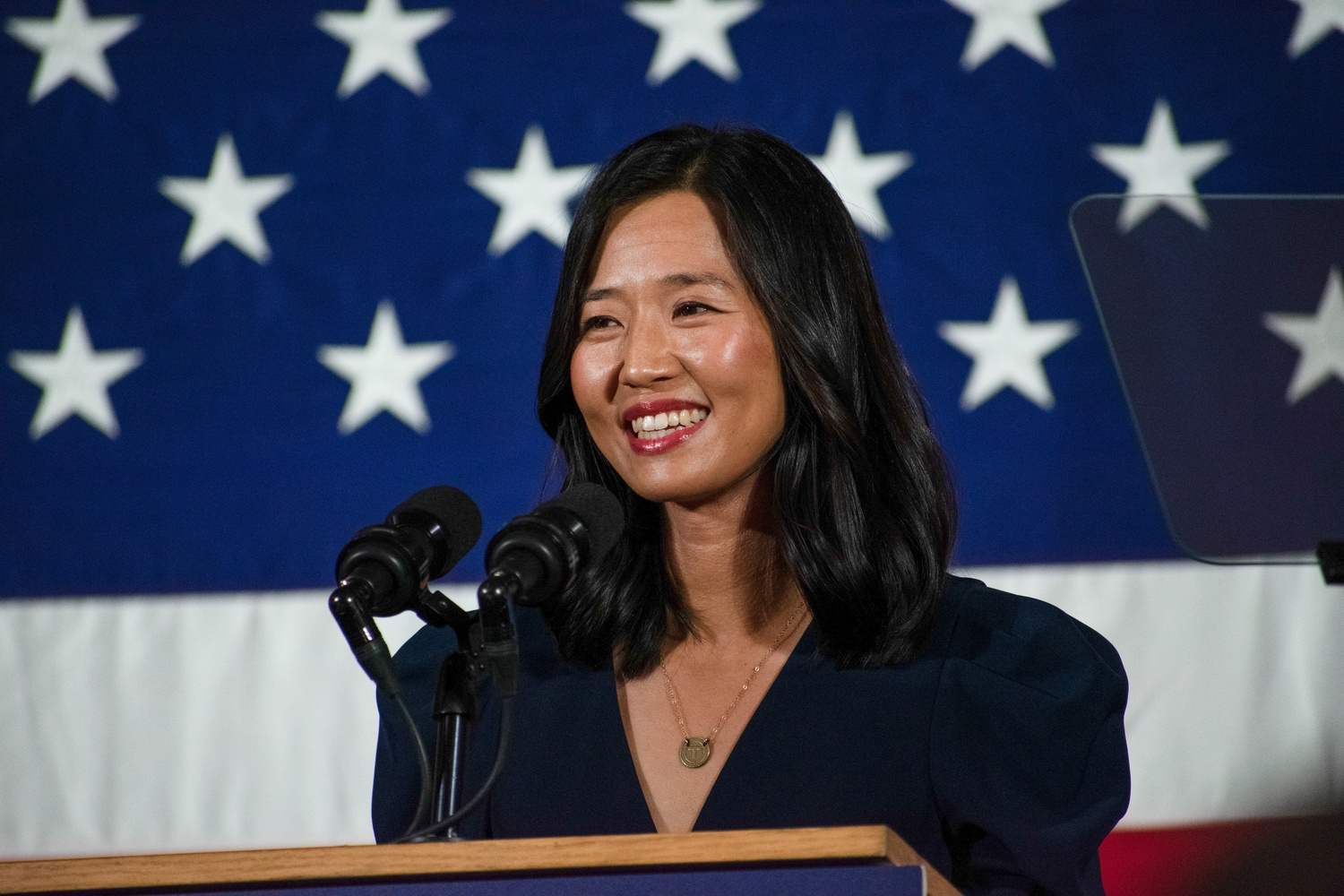
As of the time of this writing, the Mayor of Boston is Michelle Wu. Her election in 2021 marked a significant moment in the city’s history, as she became the first woman and the first person of color to hold the office. Her tenure has been characterized by a proactive approach to addressing some of Boston’s most pressing challenges and a clear vision for its future. Understanding her background and key policy initiatives provides invaluable insight into the city’s current direction and evolving local culture.
A Brief Biography and Political Ascent
Michelle Wu was born in Chicago, Illinois, to Taiwanese immigrant parents. She moved to Massachusetts to attend Harvard University and later Harvard Law School. Her journey into public service began early, inspired by her experiences caring for her family. Before becoming mayor, Wu served on the Boston City Council for eight years, including a term as its president. During her time on the council, she became known for her progressive policies and her commitment to community engagement. Her campaign for mayor resonated with a broad coalition of voters, promising transformative change and a more equitable city. Her ascent from a city councilor to the mayor’s office reflects a growing desire among Boston residents for innovative leadership that addresses modern urban challenges with bold solutions.
Key Policy Initiatives and Their Impact on the City
Mayor Wu’s administration has focused on a range of ambitious policy initiatives designed to improve the lives of Boston residents and enhance the city’s overall appeal. One of her flagship proposals has been “Fare-Free MBTA,” advocating for free public transit to alleviate financial burdens, reduce traffic congestion, and promote environmental sustainability. While full implementation requires state approval and funding, several bus routes have already been made free, impacting how both residents and tourists navigate the city. This initiative, if fully realized, would significantly alter the experience of moving around Boston for visitors, making its diverse neighborhoods more accessible.
Another critical area of focus for Mayor Wu is housing affordability. Boston faces a severe housing crisis, and her administration is working on policies to increase the supply of affordable housing and protect tenants. These efforts aim to preserve Boston’s diverse communities, ensuring that the city remains welcoming and accessible to people from all walks of life—a vital aspect of its local culture.

Furthermore, Mayor Wu has championed climate action, setting aggressive goals for carbon neutrality and investing in green infrastructure. This includes expanding parks, promoting renewable energy, and enhancing Boston’s resilience against climate change impacts. These environmental initiatives not only contribute to a healthier city but also make Boston a more pleasant and attractive place to visit, with improved air quality and expanded recreational green spaces. Her commitment to a greener city directly enhances the tourist experience, especially for those who appreciate sustainable travel.
The Mayor’s Influence on Boston’s Tourism Landscape
The mayor’s policies and priorities have a tangible and significant impact on Boston’s tourism landscape. From the upkeep of iconic landmarks to the vibrancy of local festivals, the city’s leadership plays a direct role in shaping the visitor experience. For a city like Boston, which heavily relies on tourism for its economy and cultural exchange, a mayor’s vision for public spaces, safety, and cultural programming is paramount.
Enhancing Public Spaces and Cultural Events
One of the most immediate ways a mayor influences tourism is through the development and maintenance of public spaces and the support of cultural events. Mayor Wu’s focus on expanding green spaces, improving parks, and investing in community centers directly benefits tourists who seek to experience Boston’s outdoor charm. Well-maintained parks like the Boston Common and the Public Garden become more inviting, while beautified waterfronts attract more visitors.
Moreover, the mayor’s administration often provides funding and logistical support for city-wide cultural festivals, parades, and art installations. These events, ranging from the Boston Marathon to neighborhood-specific cultural celebrations, are major draws for tourists looking to immerse themselves in Boston’s unique local culture and vibrant community life. A proactive mayor understands the economic and social benefits of a rich cultural calendar and works to foster an environment where such events can thrive, ensuring there’s always something engaging for visitors to experience. Her support for local artists and small businesses also contributes to the authenticity and diversity of Boston’s offerings, moving beyond generic tourist traps.
Infrastructure, Safety, and Visitor Experience
A city’s infrastructure and public safety are foundational to a positive tourism experience, and these areas fall squarely under the mayor’s purview. Investments in public transportation, road maintenance, and pedestrian-friendly initiatives make it easier and more pleasant for visitors to explore the city. Mayor Wu’s efforts to enhance public transit, for example, directly influence how tourists move between attractions like the Museum of Fine Arts and the North End for an authentic Italian meal.
Equally important is public safety. A mayor’s commitment to effective policing, emergency services, and community engagement helps ensure that Boston remains a safe and welcoming city for all. When visitors feel secure, they are more likely to explore, dine out, and engage with local businesses, contributing positively to the tourism economy. The mayor’s ability to foster a sense of security and order throughout the city’s diverse neighborhoods is critical for maintaining Boston’s reputation as a top-tier destination. Furthermore, the mayor’s approach to issues like homelessness and public health directly impacts the perception of the city’s overall well-being and the comfort of visitors.
Engaging with Boston’s Civic Life: Beyond the Tourist Trail
Understanding who Boston’s Mayor is, and the role she plays, encourages a deeper engagement with the city’s civic life. For many visitors, a trip to Boston is an opportunity not just to see historical sites but to connect with a living, breathing urban environment. A mayor serves as a focal point for this connection, embodying the city’s values and aspirations. By looking beyond the typical tourist attractions and paying attention to local governance, travelers can gain a more nuanced and enriching understanding of Boston’s local culture.
Exploring Local Neighborhoods and Community Initiatives
While sites like the Boston Tea Party Ships & Museum are essential, exploring Boston’s diverse neighborhoods offers a more intimate glimpse into its local culture. Mayor Wu’s administration often supports neighborhood-specific initiatives, community development projects, and local business ecosystems. By venturing into areas like Roxbury, Dorchester, or East Boston, tourists can witness the direct impact of these policies. They might discover thriving local markets, community art projects, or independently owned restaurants that reflect the city’s multicultural fabric. These experiences go beyond the curated tourist paths, offering authentic interactions and insights into how Boston’s communities are shaped and supported by their local government. Understanding the mayor’s commitment to equitable development across all neighborhoods helps visitors appreciate the city’s comprehensive approach to fostering a cohesive urban environment.
The Future Vision for Boston: A Mayor’s Legacy
Every mayor leaves a legacy, and Michelle Wu’s administration is actively working to define hers. Her vision for Boston includes a more equitable, sustainable, and accessible city for all its residents and future generations. For visitors, this means experiencing a city that is constantly evolving, striving for progress while respecting its deep historical roots. Observing ongoing projects, new developments, or policy changes—even subtly—provides a sense of Boston’s trajectory. Whether it’s encountering new bike lanes, seeing revitalized public spaces, or noticing efforts to support small businesses, these are all reflections of the current administration’s goals. By understanding the mayor’s forward-looking agenda, tourists can gain a richer perspective on Boston not just as a historical monument but as a vibrant, living city actively shaping its own future. This insight allows for a more profound connection to the city’s spirit and its ongoing narrative, making the visit truly insightful into its unique local culture.
In conclusion, knowing “Who is Boston’s Mayor?” is more than a trivial fact; it’s a key to unlocking a deeper understanding of the city. Mayor Michelle Wu’s leadership profoundly influences Boston’s local culture, its tourism appeal, and the everyday experiences of both residents and visitors. Her policies on transit, housing, and climate change, coupled with her commitment to public spaces and cultural events, directly shape the environment that travelers encounter. By recognizing the critical role of the mayor, tourists can move beyond surface-level sightseeing and engage with Boston on a more insightful level, appreciating the concerted efforts that go into making it a welcoming, dynamic, and unforgettable global destination.
LifeOutOfTheBox is a participant in the Amazon Services LLC Associates Program, an affiliate advertising program designed to provide a means for sites to earn advertising fees by advertising and linking to Amazon.com. Amazon, the Amazon logo, AmazonSupply, and the AmazonSupply logo are trademarks of Amazon.com, Inc. or its affiliates. As an Amazon Associate we earn affiliate commissions from qualifying purchases.