
Embarking on a journey to the Golden State, whether for its sun-drenched beaches, iconic national parks, or vibrant urban centers, often involves a great deal of planning. Travelers meticulously research accommodations, attractions, and local customs to ensure a smooth and enjoyable experience. However, for a specific segment of visitors or those considering relocation, a more nuanced set of questions arises, particularly concerning the unique legal landscape surrounding firearms. One of the most common inquiries, especially for firearm owners, is: “Are Glocks legal in California?”
Navigating California’s complex and often stringent firearm laws can be a daunting task, even for seasoned residents, let alone for those visiting from other states or countries. For travelers accustomed to different regulations, understanding the specifics before packing or making assumptions is not just recommended, but essential for a hassle-free trip. This guide aims to demystify the legality of Glocks in California, framing the discussion within the context of travel and what visitors need to know to remain compliant and informed. A deep dive into these regulations is crucial for anyone planning to bring a firearm into the state or considering acquiring one while there, ensuring their travel experience remains focused on enjoyment rather than unforeseen legal complications.

Understanding California’s Unique Firearm Landscape for Travelers
California stands distinct from many other U.S. states due to its comprehensive and often pioneering firearm legislation. For travelers, this means that assumptions based on laws in their home state or federal regulations might not apply. The state’s approach is characterized by a strong emphasis on public safety, leading to a myriad of specific requirements that impact everything from firearm sales to possession and transportation. Understanding these foundational differences is the first step for any visitor contemplating firearm-related questions. The regulations are designed to control the types of firearms available to civilians, how they are sold, and under what conditions they can be possessed. This intricate web of laws can be particularly perplexing for those unfamiliar with California’s unique legal framework, highlighting the importance of thorough preparation before entering the state.
The Roster of Approved Handguns: A Gateway for Sales
At the heart of California’s handgun regulations is the “Roster of Certified Handguns,” often simply referred to as “the Roster.” Maintained by the California Department of Justice, this list dictates which handgun models are permissible for sale by licensed firearm dealers to civilians within the state. For a handgun to be added to or remain on this Roster, it must pass a series of safety tests and incorporate specific design features mandated by California law. The critical implication for travelers or prospective residents is that if a handgun model is not on this Roster, it generally cannot be purchased new from a licensed dealer in California. This is a primary hurdle for many modern firearm designs, including a vast majority of newer Glock models, as the requirements for certification have evolved over time, making it increasingly difficult for manufacturers to comply with new iterations of their products.
“Safe Handgun” Requirements and Microstamping
Beyond merely passing drop tests, California’s Roster requirements have advanced to include more sophisticated technological mandates, particularly the “safe handgun” requirements. These include features like a loaded chamber indicator and a magazine disconnect mechanism. However, the most significant barrier for modern handguns, especially Glock models, has been the microstamping requirement. This law mandates that semi-automatic pistols introduced to the Roster must incorporate microstamping technology, which imprints a unique code onto spent cartridge casings each time the firearm is fired. The intent is to aid law enforcement in forensic investigations.
Despite the law being enacted, the technology’s practical implementation has been a point of contention, and firearm manufacturers, including Glock, have largely stated that commercially viable and reliable microstamping technology does not exist or meet the state’s specifications without significant design changes. As a result, very few new handgun models have been added to the Roster since the microstamping requirement became effective, effectively freezing the list. This explains why most contemporary Glock models, despite being popular nationwide, are not available for direct purchase by civilians in California via licensed dealers.
Glock Models and Their Status in California
The popularity of Glock pistols nationwide makes their restricted availability in California a frequent source of confusion and frustration for many. The brand’s reputation for reliability and simplicity has made it a favorite for personal defense, sport shooting, and law enforcement. However, California’s unique regulatory environment means that a traveler arriving in the state will encounter a significantly different market than in most other places. It’s not a blanket ban on the Glock brand itself, but rather a prohibition on the sale of specific models that do not meet the evolving safety and technological requirements for the state’s “Roster of Certified Handguns.” This distinction is critical for understanding what a traveler can and cannot legally do concerning Glocks in California.
What Glocks Are Currently on the Roster?
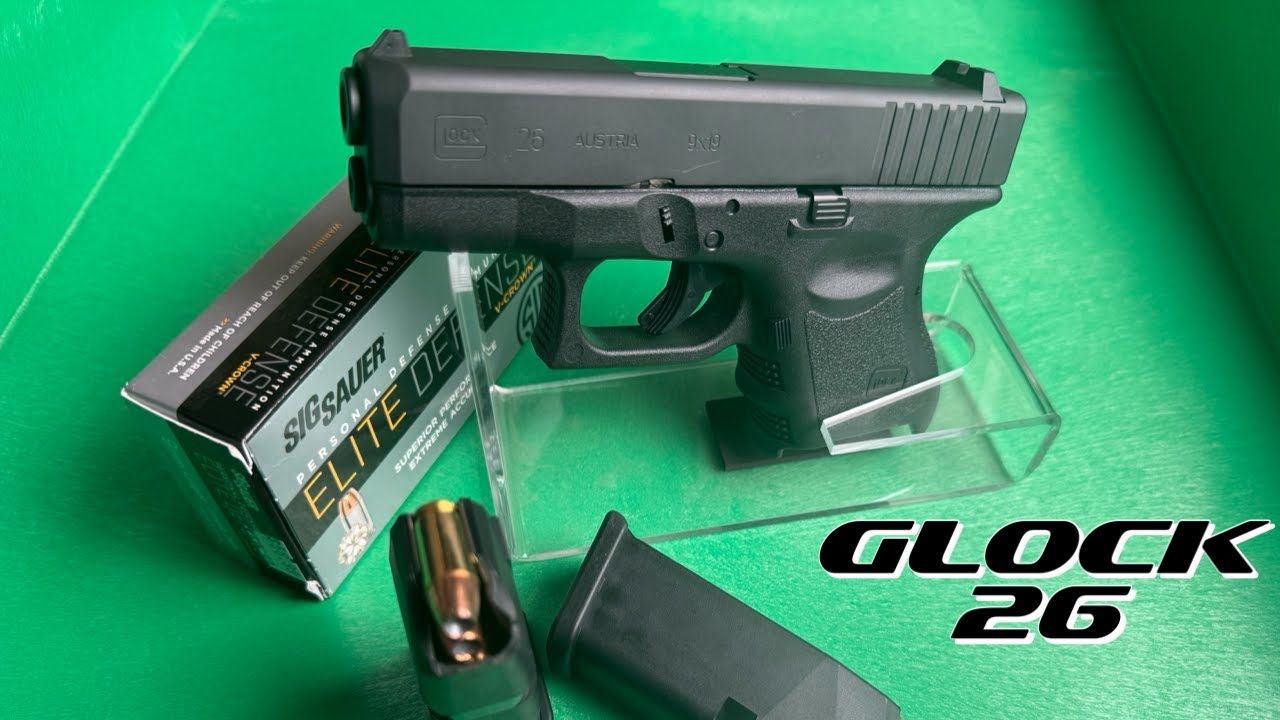
Due to the stringent and evolving “safe handgun” and microstamping requirements, the number of Glock models actively on California’s Roster is extremely limited. The Glock models that remain on the Roster are generally older “Gen 3” models (e.g., Glock 17 Gen3, Glock 19 Gen3, Glock 26 Gen3, Glock 22 Gen3, Glock 23 Gen3, Glock 27 Gen3). These models were certified before the most recent and most demanding microstamping requirements came into full effect. This means that if a traveler were a California resident and wanted to purchase a new Glock from a licensed dealer, their options would be restricted to these few older generation pistols. It’s a common misconception that all Glocks are illegal; rather, only a handful of specific, older models can be sold new to the general public.
The Challenge for Newer Glock Models
The vast majority of modern Glock models, including the popular “Gen 4” and “Gen 5” pistols, as well as compact and subcompact variants not on the older Roster, are not available for sale to the general public by licensed dealers in California. This is primarily due to the manufacturers’ inability or unwillingness to incorporate the mandated microstamping technology and other “safe handgun” features into their designs specifically for the California market. For a traveler, this means that even if they are accustomed to carrying or using a newer Glock model in their home state, they cannot legally purchase a similar model from a dealer if they were to move to or establish residency in California. This creates a significant disparity between what is available elsewhere and what is permitted for direct retail sale in the state.
Exceptions: Law Enforcement and Private Party Transfers
While the Roster largely limits what the general public can purchase, there are specific exemptions. Law enforcement officers are often exempt from the Roster requirements, allowing them to purchase or be issued off-Roster firearms, including newer Glock models, directly from dealers. This exception acknowledges their unique operational needs. For civilians, the most common avenue to legally acquire an off-Roster Glock is through a “Private Party Transfer” (PPT). A PPT allows a California resident to sell an off-Roster handgun that they already legally own (perhaps they owned it before moving to California or acquired it through a previous PPT) to another California resident. This transfer must be facilitated through a licensed California firearm dealer, who handles the background check and paperwork. However, for a traveler simply visiting California, participating in a PPT to acquire an off-Roster Glock is generally not an option, as it typically requires established California residency and adherence to specific intra-state transfer rules.
Implications for Travelers and Visitors to California
For those planning a trip to California, understanding these firearm laws is paramount, especially if you are a firearm owner. The implications extend beyond just purchasing a Glock; they also affect how you transport, possess, and store any firearms you bring into the state. California’s laws are not designed to be intuitive for visitors, and ignorance of the law is not a valid defense. Therefore, proactive research and adherence to state statutes are critical to avoid legal complications that could quickly derail a pleasant travel experience.
Bringing Your Glock to California: Rules for Temporary Visitors
If you are a temporary visitor to California and already own a Glock (or any other firearm) that is legal in your home state, you generally can bring it with you, provided you adhere to both federal and California state laws regarding interstate transportation and possession. Crucially, the firearm must be legally owned by you in your state of residence. Federal law (18 U.S.C. § 926A) protects the interstate transportation of firearms from any place where a person may lawfully possess and carry such firearm to any other place where a person may lawfully possess and carry such firearm if the firearm is unloaded and stored in a locked container, inaccessible from the passenger compartment.
California law further specifies that handguns must be transported unloaded in a locked container, either in the trunk or in a locked container other than the glove compartment or console, while in the passenger compartment. Additionally, you must be legally eligible to possess the firearm, which means no felony convictions or other disqualifying factors. Be aware that magazines with capacities exceeding 10 rounds are generally prohibited for import or possession by civilians in California, even if they are standard capacity for your Glock model elsewhere. It is essential to leave high-capacity magazines at home or render them inoperable before entering the state.
Purchasing a Glock as a Visitor/New Resident
For visitors who are not yet California residents, purchasing a firearm from a licensed dealer within California is generally not permissible. Federal law requires firearms to be transferred to residents of the state where the transaction takes place. This means a traveler cannot simply walk into a California gun store and purchase a Roster-approved Glock.
If you are considering relocating to California, the rules change once you establish residency. Upon becoming a California resident, you would then be subject to all state laws, including the Roster for new handgun purchases. Any off-Roster Glock you legally owned before moving to California must be registered with the Department of Justice within 60 days of bringing it into the state, along with any standard capacity magazines that you bring. This process requires careful attention to detail and adherence to strict deadlines.
Storage and Transport Requirements
Regardless of whether you are a temporary visitor or a new resident, California has strict laws regarding the storage and transportation of firearms. When traveling, firearms must be unloaded and stored in a locked container, separate from ammunition, in your vehicle’s trunk or otherwise inaccessible from the passenger compartment. When staying at a hotel or other accommodation, the firearm should be securely stored, preferably in a safe, to prevent unauthorized access. Some local ordinances may have additional requirements, so checking specific city or county rules is always a good practice. Open carry of unloaded firearms, while technically legal in some specific, limited circumstances, is highly restricted and generally not advisable for visitors due to the complexity and potential for misunderstanding. Concealed carry is only legal with a California-issued Concealed Carry Weapon (CCW) permit, which is virtually impossible for a non-resident to obtain.
Navigating California’s Firearm Laws: Tips for Responsible Travel
Traveling to California with a firearm, or even just having questions about acquiring one while visiting, requires diligence and a commitment to legality. The state’s laws are constantly evolving, and what was true a year ago might not be true today. For the responsible traveler, the goal is to enjoy the destination without inadvertently running afoul of the law.
Prioritize Research and Local Consultation
Before embarking on your trip, conduct thorough research using official sources such as the California Department of Justice website. If you have specific, complex questions, consider consulting with a California attorney specializing in firearm law. While not always feasible for every traveler, it can provide peace of mind for those with significant concerns. Do not rely solely on information from online forums or social media, as it can often be outdated or misinterpreted.
Avoid Assumptions and Misinformation
The most common pitfall for travelers regarding firearm laws in California is making assumptions based on the laws of their home state or general federal guidelines. California operates with a distinct legal framework. This includes not only handgun rosters but also restrictions on “assault weapons” (a broad category that may include certain semi-automatic rifles and even some features on pistols), magazine capacity, and specific transportation and storage mandates. What is legal and common practice elsewhere may lead to severe penalties in California.

Focus on a Smooth, Law-Abiding Experience
Ultimately, the best approach for any traveler is to prioritize a smooth, law-abiding, and enjoyable experience. If you are a firearm owner, carefully consider whether bringing your Glock or any other firearm into California is truly necessary for your travel plans. For many, leaving firearms at home simplifies the journey and eliminates potential legal anxieties. If you must bring one, ensure every aspect of its possession, transportation, and storage meticulously adheres to California law. This proactive and informed approach will allow you to fully appreciate all that California has to offer, without the looming concern of legal repercussions related to firearm regulations.
In conclusion, while the question “Are Glocks legal in California?” has a nuanced answer, the most important takeaway for any traveler is that the state’s firearm laws are highly restrictive and require careful attention. For those visiting, existing Glocks can generally be transported through and possessed in the state under strict conditions. For those considering purchasing a Glock or becoming a resident, the options are severely limited by the Roster of Approved Handguns and the microstamping requirement. By doing your homework and respecting these unique regulations, you can ensure your visit to California is memorable for all the right reasons.
LifeOutOfTheBox is a participant in the Amazon Services LLC Associates Program, an affiliate advertising program designed to provide a means for sites to earn advertising fees by advertising and linking to Amazon.com. Amazon, the Amazon logo, AmazonSupply, and the AmazonSupply logo are trademarks of Amazon.com, Inc. or its affiliates. As an Amazon Associate we earn affiliate commissions from qualifying purchases.