
California, a state renowned for its sprawling national parks, vibrant cities like Los Angeles and San Francisco, and a rich tapestry of cultural experiences, attracts millions of tourists annually. Visitors come for the iconic landmarks, the diverse culinary scene, the world-class entertainment, and the unparalleled natural beauty. Yet, like any unique destination, California also possesses its own set of laws and regulations that might surprise even the most seasoned traveler. For those keen on exploring the Golden State responsibly, understanding these nuances is crucial for a smooth and enjoyable trip. Among the many questions that might arise, one particularly niche query occasionally surfaces, especially for martial arts enthusiasts or those simply curious about unusual legal distinctions: “Are nunchucks legal in California?”

This question, while seemingly obscure, opens a broader discussion about the importance of visitor awareness regarding local statutes. It highlights how even seemingly innocuous or specialized items can be subject to specific legal frameworks that differ significantly from one region to another. For tourists, being informed isn’t just about avoiding legal trouble; it’s about respecting the local culture and ensuring a hassle-free experience that allows them to fully immerse themselves in all that California has to offer. In this comprehensive guide, we’ll delve into the specific legality of nunchucks in California and, more importantly, frame this discussion within the essential context of responsible tourism, offering insights that extend beyond this particular item to empower every traveler with the knowledge needed for a memorable and lawful visit.
Understanding Local Ordinances: A Tourist’s Guide to California’s Unique Legal Landscape
Embarking on a journey to a new destination always comes with an element of adventure, and part of that adventure includes navigating the local way of life. For tourists visiting California, this means being prepared for a state that prides itself on progressive policies and distinct legal interpretations. From environmental protections to public health mandates and, yes, even regulations concerning specific items, California’s legal landscape can be intricate. Understanding these intricacies is not merely a formality; it is a cornerstone of responsible tourism.
The Importance of Due Diligence for Visitors
Imagine planning a perfect itinerary, only to find yourself in an unexpected legal predicament due to an oversight. Such scenarios, while rare, underscore the critical importance of performing due diligence before and during your visit. For example, laws concerning cannabis use, drone operation, or even the type of firearms visitors can bring into the state vary significantly from federal law and the laws of other states. Ignoring these local nuances can lead to fines, confiscation of property, or even more severe consequences, tarnishing an otherwise incredible vacation.
For martial arts practitioners or collectors, the question of nunchucks is a prime example of a specific item that warrants investigation. What might be permissible in one’s home state or country could be strictly regulated or outright prohibited in California. This principle extends to various aspects of tourist activity, from understanding local traffic laws, fishing permit requirements, or even regulations surrounding beach bonfires. A quick search or consultation with local resources can save a great deal of trouble and ensure that your focus remains squarely on enjoying the vibrant culture and breathtaking scenery.
General Principles of California Weapon Laws
California has a reputation for having some of the strictest gun and weapon laws in the United States. While the Second Amendment of the U.S. Constitution guarantees the right to keep and bear arms, states retain significant authority to regulate these rights within their borders. California’s approach often prioritizes public safety through comprehensive legislation. This includes prohibitions on certain types of firearms, high-capacity magazines, and various “assault weapons.”
Beyond firearms, the state also regulates other instruments that can be used as weapons, such as switchblades, certain types of knives, and, historically, martial arts weapons like nunchucks. These laws often categorize items based on their perceived potential for harm or their common use in criminal activity, rather than their intended purpose in sport or self-defense. For tourists, this means that carrying an item that might be considered an everyday tool or a sporting good elsewhere could be interpreted differently under California law. Therefore, when exploring activities that involve specialized equipment, or if simply transporting personal items, it’s wise to be aware of the state’s general stance on potentially regulated objects.
The Legality of Nunchucks in the Golden State
The question of nunchuck legality in California is a particularly interesting case study, reflecting a dynamic legal history and recent significant changes. For many years, these martial arts weapons were subject to a ban, but recent legal challenges have altered their status. Understanding this evolution is crucial for anyone interested in their possession or use in the state.
Historical Context of the Ban
For decades, nunchaku, commonly known as nunchucks, were categorized under California Penal Code 16590 as a generally prohibited weapon. This prohibition stemmed from concerns over their potential misuse in criminal activities and gang violence, despite their traditional role in martial arts. The ban meant that manufacturing, importing, selling, giving away, or possessing nunchucks was illegal for the vast majority of individuals. There were very limited exceptions, primarily for law enforcement or authorized instructors for bona fide training purposes within a recognized martial arts school, but these were narrow and strictly defined.
This ban put [California](https://lifeoutofthebox.com/california] in stark contrast to many other states where nunchucks were either legal or subject to less stringent regulations. For martial arts practitioners visiting or residing in California, this often meant leaving their equipment at home or using alternative training tools, lest they unknowingly violate state law. The prohibition aimed to reduce the availability of weapons considered dangerous, fitting into California’s broader strategy of strict weapon control.
Recent Legal Developments and Exemptions
The legal landscape concerning nunchucks in California underwent a significant transformation in 2021. In the federal case Malum v. California, the U.S. District Court for the Central District of California ruled that the state’s long-standing ban on the possession of nunchucks violated the Second Amendment rights of citizens. The court’s decision argued that nunchucks are commonly used for self-defense and martial arts training, and therefore, an outright ban infringed upon the individual’s right to bear arms for protection.
Following this landmark ruling, the prohibition on possessing nunchucks for self-defense purposes was overturned. This means that, as of late 2021, individuals in California can legally possess nunchucks. However, it is vital to understand that this does not necessarily mean they can be openly carried in public without restriction, nor does it negate all potential local ordinances or specific conditions related to their use. The ruling primarily addressed the possession for self-defense, aligning nunchucks more closely with other legal self-defense tools. Similar to other legal weapons, carrying them openly or concealed might still be subject to specific regulations that vary by location and circumstance. For instance, possession on school grounds or government buildings would likely remain prohibited.
Implications for Tourists and Enthusiasts
For tourists visiting California, especially those with an interest in martial arts or collecting, these legal changes have significant implications. Previously, bringing nunchucks into California was a clear legal risk. Now, individuals may possess them.
However, caution is still advised:
- Knowledge is Power: Be aware of the distinction between possession for self-defense and carrying in public. California maintains strict rules on how and where weapons can be carried.
- Transportation: If transporting nunchucks, ensure they are stored securely and out of immediate reach, similar to how one would transport other legal weapons. Check specific regulations for air travel if applicable.
- Purpose of Use: While legal for self-defense and martial arts training, using them aggressively or in a manner that constitutes a threat can lead to other legal charges, regardless of their legality.
- Local Ordinances: While the state-wide ban on possession for self-defense has been lifted, local cities or counties might still have specific ordinances or rules that could impact where or how they can be used or displayed. It’s always prudent to check with local authorities if you have specific plans involving nunchucks.
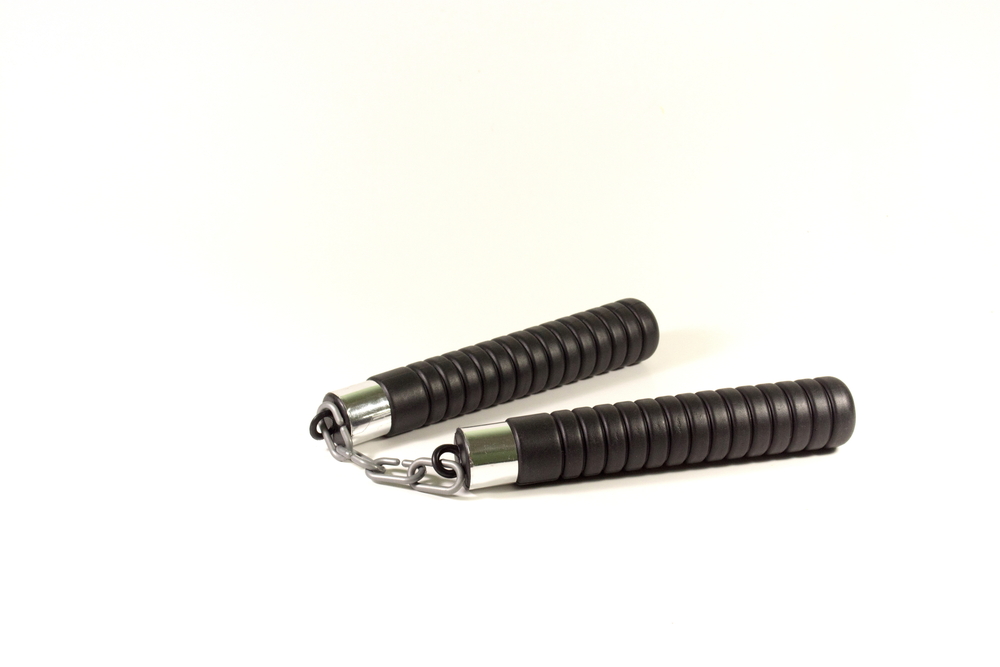
For a tourist, the safest approach is to assume that while possession is now permitted, discretion and responsible handling are paramount. Unless you are a dedicated martial artist engaging in legitimate training, it’s generally best to avoid carrying such items casually in public spaces, just as you would with other items that could be perceived as weapons.
Beyond Nunchucks: Other Considerations for Tourists in California
While the nunchuck example offers a specific illustration of California’s evolving legal landscape, it serves as a gateway to understanding broader considerations for tourists. The Golden State’s progressive laws touch upon many aspects of daily life, and being informed about them can significantly enhance your travel experience.
Open Carry vs. Concealed Carry for Other Items
California’s distinction between open and concealed carry extends beyond firearms and is a fundamental aspect of its weapon laws. For items that are legal to possess, how they are carried in public often dictates their legality. For instance, certain knives might be legal to own but illegal to carry concealed without a permit, or illegal to carry openly if their blade length exceeds a certain limit.
Tourists who engage in outdoor activities, such as hiking or camping in Yosemite National Park or the Sierra Nevada mountains, might carry utility knives or multi-tools. While generally permissible, being aware of local park regulations or city ordinances regarding blade length or display can prevent misunderstandings. The underlying principle is that items that could be perceived as weapons, even if intended for utilitarian purposes, should be carried discreetly and responsibly, especially in crowded urban areas like Los Angeles or San Francisco.
Public vs. Private Property Regulations
Another crucial distinction for tourists is the difference between regulations on public versus private property. Many laws concerning weapons, alcohol consumption, or even certain recreational activities can change dramatically depending on whether you are on public land (e.g., city streets, parks, state beaches) or private property (e.g., hotels, restaurants, private residences).
For example, while cannabis is legal for recreational use in California for adults 21 and over, its consumption is still largely prohibited in public spaces and most private businesses, including hotels. Similarly, while an item like nunchucks might be legal to possess on private property, its use or display in a public park could be subject to local disturbance laws or specific park regulations. Always respect “No Weapons” or “No Smoking” signs, as private property owners have the right to set their own rules that may be stricter than state law.
Unique Local Laws (e.g., Drone Usage, Cannabis)
California’s diverse regions also mean that local jurisdictions can impose additional unique laws.
- Drone Usage: While federal regulations govern airspace, many California cities and state parks have their own strict rules regarding drone operation, often prohibiting them entirely in certain areas (e.g., near airports, over protected wildlife habitats, or within national parks). Tourists planning to capture stunning aerial footage should always check local ordinances for their specific destination.
- Cannabis: As mentioned, recreational cannabis is legal. However, consuming it in public, driving under its influence, or transporting it across state lines remains illegal. Tourists should be aware of purchase limits and consumption rules, which are generally restricted to private residences.
- Environmental Laws: California has stringent environmental protection laws. This includes regulations on waste disposal, campfire restrictions (especially during dry seasons), and protection of natural resources. Understanding these helps preserve the very beauty that draws visitors to the state.
These examples highlight that a tourist’s legal obligations extend beyond just weapons. A proactive approach to understanding local regulations ensures a respectful and enjoyable engagement with [California](https://lifeoutofthebox.com/california]’s unique environment and culture.
Responsible Tourism and Enjoying California Safely
Navigating the legal landscape of a new destination might seem daunting, but it’s an integral part of responsible tourism. By taking a few proactive steps, visitors can ensure their trip to California is not only memorable but also free from avoidable legal complications. The underlying goal is to immerse oneself in the state’s vibrant offerings while upholding respect for its laws and communities.
Resources for Legal Information
The best defense against unintentional legal infringements is readily available, accurate information. For tourists planning a trip to California, several resources can help clarify specific laws and regulations:
- Official State Websites: The California Department of Justice website often provides information on firearm and weapon laws. Similarly, state park websites offer details on rules for recreational activities.
- City and County Websites: For specific local ordinances (e.g., in Los Angeles, San Francisco, or San Diego), consult the official websites of those cities or counties.
- Travel Guides and Forums: Reputable travel guides and online travel forums can offer practical tips and common pitfalls for tourists, often informed by the experiences of previous visitors.
- Legal Professionals: For highly specific or complex questions, especially those pertaining to items like nunchucks for professional use or unusual circumstances, consulting a California-licensed attorney specializing in criminal or weapons law is the most reliable course of action.
These resources empower tourists to make informed decisions, ensuring they comply with local laws and contribute positively to their host communities.
When in Doubt: Consult Local Authorities
Despite diligent research, situations may arise where a tourist is unsure about the legality of an action or item. In such cases, the safest approach is always to consult local authorities. This could mean asking a park ranger about drone rules, inquiring at a visitor information center about local ordinances, or, in more serious matters, contacting the local police department for clarification.
Approaching authorities with a genuine desire to comply with the law is almost always met with helpful guidance rather than suspicion. It demonstrates respect for the local system and can prevent minor misunderstandings from escalating. However, avoid putting yourself in a situation where you might be questioned while actively violating a law. Proactive inquiry is key.

Embracing California’s Diverse Activities Legally
California offers an unparalleled array of activities and experiences, from surfing along the coast, hiking in ancient redwood forests, exploring world-class museums, to indulging in innovative cuisine. The state’s unique character is a large part of its appeal, and this includes its distinctive legal framework. By taking the time to understand these laws, whether they pertain to the legality of nunchucks, the use of drones, or the responsible enjoyment of its natural wonders, tourists can ensure a worry-free and enriching visit.
Responsible tourism isn’t just about environmental sustainability; it’s also about cultural and legal respect. By being mindful of California’s laws, visitors can fully immerse themselves in the local culture, engage in activities safely and legally, and contribute to the harmonious environment that makes the Golden State such a cherished destination. So, as you plan your adventure, remember that a little legal awareness goes a long way in unlocking the full, unhindered magic of California.
LifeOutOfTheBox is a participant in the Amazon Services LLC Associates Program, an affiliate advertising program designed to provide a means for sites to earn advertising fees by advertising and linking to Amazon.com. Amazon, the Amazon logo, AmazonSupply, and the AmazonSupply logo are trademarks of Amazon.com, Inc. or its affiliates. As an Amazon Associate we earn affiliate commissions from qualifying purchases.