
For many travelers, ensuring personal safety is a paramount concern, especially when exploring new destinations. The desire to feel secure often leads individuals to consider various self-defense tools. If your travels bring you to the diverse landscapes of California, a common question that might arise pertains to the legality of carrying a stun gun for protection. Understanding the Golden State’s specific regulations is crucial for any visitor or resident. While California is known for its progressive laws, the rules surrounding personal defense devices like stun guns are nuanced and demand careful attention to avoid legal complications during your trip.
Navigating Personal Safety Laws for Travelers in California
California takes a relatively moderate stance on stun guns compared to some other U.S. states, where they might be outright banned or heavily restricted. For travelers, this means that with proper understanding and adherence to the law, carrying such a device for self-defense is generally permissible under certain conditions. However, the operative phrase here is “under certain conditions.” Disregarding these specifics can quickly turn a lawful act into a serious legal transgression, potentially impacting your travel plans and experience. Therefore, a deep dive into the regulations is essential for anyone considering a stun gun as part of their personal safety strategy while in California.
Understanding California’s Stun Gun Regulations
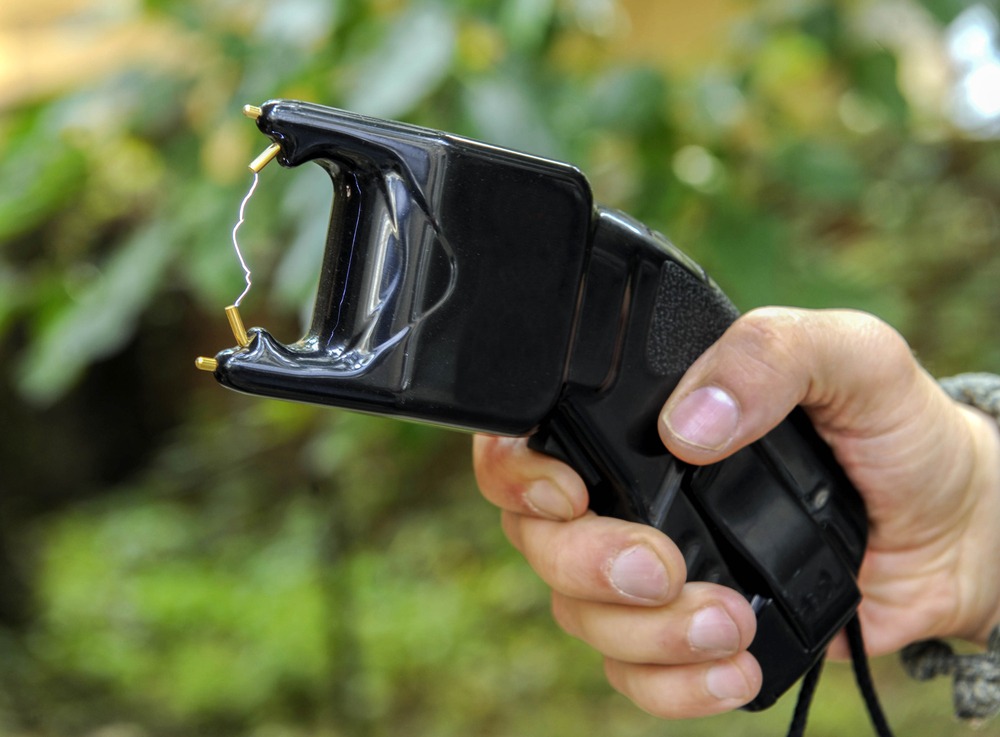
The foundational principle in California law regarding stun guns is that they are generally legal for adults aged 18 and older. Unlike some firearms, they do not require a permit or license for possession. This straightforward aspect makes them an accessible option for self-defense for many. However, this general legality is immediately followed by a series of important caveats. The law differentiates between “stun guns” and “tasers.” While both deliver an electric shock, tasers typically fire probes that can incapacitate from a distance, whereas traditional stun guns require direct contact. California law often lumps these devices together under the umbrella of “electronic control devices,” and the regulations apply broadly to both.
Furthermore, it’s vital to recognize that while adult possession is largely allowed, the intent and manner of possession are heavily scrutinized. Stun guns are explicitly for self-defense. Any indication that the device is intended for offensive use, criminal activity, or malicious purposes will lead to severe legal consequences. The law also places particular emphasis on where these devices cannot be carried or used, which is especially important for travelers who might visit various public and private venues.
Restrictions on Use and Possession
Even if you meet the age requirement and intend to use a stun gun purely for self-defense, California imposes significant restrictions on where these devices can be carried and under what circumstances they can be deployed. These restrictions are critical for travelers to understand, as inadvertently violating them can lead to serious legal issues.
For instance, stun guns are strictly prohibited in government buildings, courthouses, polling places, and public meetings. This means that if your travel itinerary includes visiting state capitol buildings, local government offices, or participating in any public gathering that falls under these categories, your stun gun must be left elsewhere. Similarly, airports, particularly within secured areas, are absolute no-go zones for stun guns. Attempting to bring one through airport security can result in confiscation, fines, and potentially criminal charges. For air travelers, this means stun guns must be stored in checked luggage, similar to firearms, and declared to the airline, often requiring specific packaging.
Beyond public facilities, schools and university campuses are also areas where stun guns are prohibited. This includes K-12 schools, community colleges, and four-year universities. Travelers visiting these institutions, perhaps for a campus tour or a sporting event, must ensure they do not carry their stun gun onto school grounds. The rationale behind these restrictions is to maintain safety and prevent potential misuse in environments frequented by vulnerable populations or where security is paramount.
The conditions for lawful use are equally stringent. A stun gun can only be used when an individual reasonably believes they are in imminent danger of bodily harm and that the use of the device is necessary to defend themselves. This is known as the “reasonable force” standard. Excessive or unprovoked use can result in assault charges, even if the device is otherwise legal to possess. Therefore, carrying a stun gun requires not just knowledge of the law but also sound judgment and an understanding of the principles of self-defense.
What Travelers Need to Know Before Carrying a Stun Gun
For those embarking on a journey through California, whether by car, plane, or other means, understanding the dynamic legal landscape surrounding stun guns is not just about California’s laws alone. The broader context of interstate travel and considering alternative safety measures becomes critically important. A device that is perfectly legal in one state might be a felony in another, creating a potential minefield for the uninformed traveler.
Interstate Travel and Varying State Laws
The legal status of stun guns varies dramatically from state to state across the United States. While California permits them with restrictions, other states like Hawaii, Massachusetts, and Rhode Island have historically imposed outright bans on civilian possession. Many other states have stricter permitting processes, require specific training, or limit the types of devices that can be carried.
For travelers driving into California from another state, or planning a multi-state road trip that includes California, it is absolutely imperative to research the laws of every single state you will pass through or visit. Unwittingly crossing a state line with a stun gun that is illegal in that jurisdiction can lead to immediate arrest and severe penalties, regardless of your intent or the legality in your home state. This due diligence is a non-negotiable step for responsible travel.
Furthermore, air travel introduces another layer of complexity. The Transportation Security Administration (TSA) and Federal Aviation Administration (FAA) have specific regulations regarding stun guns on aircraft. As mentioned, these devices are never allowed in carry-on luggage. If you must travel with a stun gun, it must be declared to the airline and placed in checked baggage, often in a hard-sided container with specific security protocols. Failure to comply can result in fines and legal action, causing significant disruption to your travel plans. Always consult the TSA website and your specific airline’s policies before flying with any self-defense device.
Alternatives and Other Safety Measures

Given the complexities and potential legal pitfalls associated with stun guns, many travelers opt for alternative self-defense tools or simply rely on heightened awareness and smart travel practices. One popular non-lethal alternative is pepper spray (also known as OC spray). In California, pepper spray is legal for adults over 18, with certain restrictions on canister size and formulation. It offers a defensive capability from a short distance and typically has fewer legal restrictions regarding its carrying locations compared to stun guns.
Personal safety alarms are another excellent, non-aggressive option. These devices emit a piercing siren intended to startle attackers and draw attention, which can be a powerful deterrent. They are legal everywhere and pose no risk of misuse or legal complications. For those seeking physical self-defense, enrolling in a basic self-defense course before traveling can provide invaluable skills and confidence, empowering you to react effectively in a dangerous situation without needing a weapon.
Beyond tools, the most effective self-defense strategy for travelers revolves around situational awareness and proactive measures. Researching your destinations, staying aware of your surroundings, avoiding dimly lit or isolated areas, securing your accommodations, and being mindful of your valuables can significantly reduce your risk. Trusting your instincts, avoiding confrontations, and having a clear plan for emergencies are often more impactful than relying solely on a device.
Legal Nuances and Local Ordinances
While California state law provides a general framework for stun gun legality, it’s essential for travelers to understand that legal landscapes can sometimes be further complicated by local ordinances. Just as with many other regulations, counties and cities within the state may have their own specific rules that either supplement or, in rare cases, even restrict state-level permissions. This can create a patchwork of regulations that requires careful navigation, particularly if your travel itinerary includes multiple stops across different jurisdictions.
County and City Specific Rules
Although California state law generally permits stun gun possession for adults, local governments retain the power to enact additional ordinances that might impact their use or sale within their boundaries. While outright bans by cities are rare given the state’s broader stance, some municipalities might have stricter rules regarding where these devices can be sold, how they must be stored, or specific areas where their possession is absolutely forbidden, even beyond the state-mandated zones like schools or government buildings.
For example, a major metropolitan area like Los Angeles or San Francisco might have city-specific regulations concerning stun guns that are more stringent than those in a smaller, rural county. These local ordinances could potentially affect public transport, specific city parks, or areas during large public events. As a traveler, it is always advisable to perform a quick search for “[City Name] stun gun laws” for each major destination on your itinerary within California. While such local restrictions on general possession are less common for stun guns than for other items, being informed is always the safest approach to avoid unintended legal issues.
Purchase and Sales Regulations
If a traveler arrives in California without a stun gun and decides they wish to acquire one during their stay, they must also be aware of the state and potential local regulations governing their purchase and sale. Generally, stun guns can be purchased from licensed retailers in California by individuals 18 years or older, who are not prohibited from possessing such devices (e.g., due to prior felony convictions or domestic violence restraining orders).
However, the proliferation of online sales adds another layer of complexity. While you might be able to order a stun gun online, sellers often have their own policies based on the shipping address’s jurisdiction. Some online retailers may refuse to ship to California if they are not fully versed in the state’s specific laws, or if their internal policies are more conservative. It’s crucial to verify the legality of both the purchase and the subsequent possession within your specific California locale before completing any transaction, especially online. Reputable local stores that specialize in self-defense equipment are often the best resource for ensuring a legal purchase and receiving accurate information about current regulations.
Expert Advice and Resources for Travelers
Navigating the complexities of self-defense laws while traveling requires more than just a cursory understanding. For those considering carrying a stun gun in California, accessing accurate and up-to-date information from reliable sources is paramount. This includes understanding the limitations of general advice and knowing when to seek professional counsel.
Consulting Legal Professionals
While this article aims to provide a comprehensive overview for travelers, it is important to reiterate that it serves as general informational guidance and not as legal advice. Laws can change, and specific situations may introduce unique legal considerations. If you have particular concerns about your individual circumstances, such as a prior legal history, or if your travel plans involve unique situations where the legality of a stun gun might be ambiguous, consulting with a qualified legal professional in California is the most prudent course of action. An attorney specializing in firearms and weapons law can provide personalized advice tailored to your specific needs, ensuring you remain compliant with all applicable state and local regulations. This proactive step can prevent significant legal headaches and ensure peace of mind during your travels.
Official Government Resources
For the most current and authoritative information, travelers should always refer directly to official government resources. The California Department of Justice website often publishes detailed guides and advisories concerning various weapons and self-defense tools. Additionally, the websites of local law enforcement agencies, such as the Los Angeles Police Department or the San Francisco Police Department, may offer specific information relevant to their jurisdictions.
Before or during your trip, taking the time to review these official sources can clarify any lingering doubts about stun gun legality, permissible carrying locations, and conditions of use. Remember, ignorance of the law is not a valid defense, and proactively seeking out accurate information is a hallmark of responsible and safe travel.
In conclusion, while stun guns are generally legal for adults in California for self-defense purposes, the nuances of the law require careful attention from travelers. Understanding the restrictions on where they can be carried, the conditions for their use, and the potential for local ordinances is crucial. Always prioritize personal safety through awareness and responsible choices, and when in doubt, consult official sources or legal professionals to ensure a safe and legally compliant journey through the Golden State.
LifeOutOfTheBox is a participant in the Amazon Services LLC Associates Program, an affiliate advertising program designed to provide a means for sites to earn advertising fees by advertising and linking to Amazon.com. Amazon, the Amazon logo, AmazonSupply, and the AmazonSupply logo are trademarks of Amazon.com, Inc. or its affiliates. As an Amazon Associate we earn affiliate commissions from qualifying purchases.