
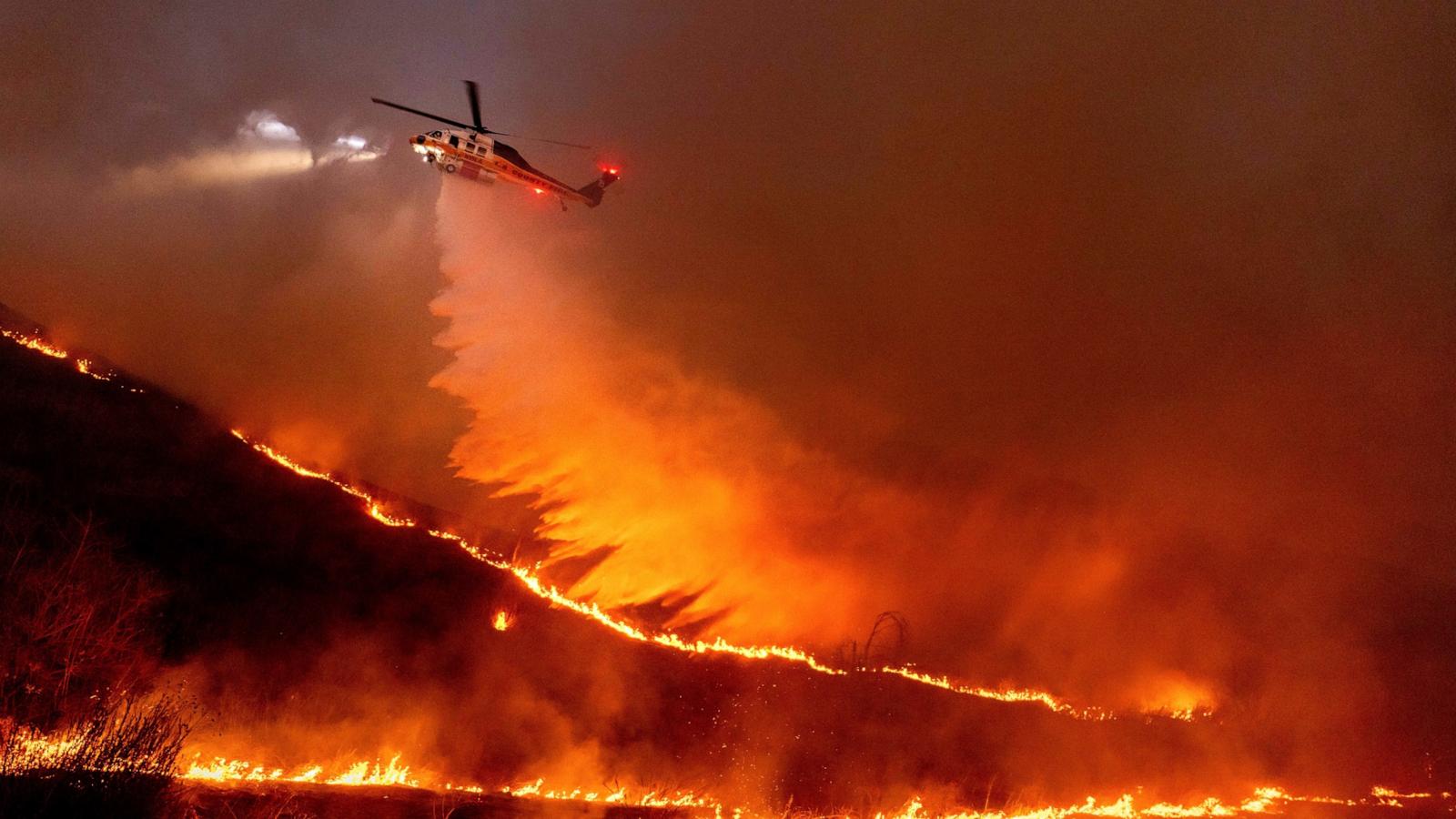
For many prospective travelers, the allure of California is undeniable. From its sun-kissed beaches and vibrant cities to its majestic national parks and world-renowned wine regions, the Golden State offers an unparalleled diversity of experiences. However, a recurring concern that often enters the minds of those planning a visit, particularly during certain times of the year, is the specter of wildfires. The question, “Are the California fires still going?” is a pragmatic one, born out of a desire for safety and an informed travel experience. The direct answer is often complex and dynamic: while fires are an annual reality in California, their presence is rarely uniform across the entire, vast state, and their impact on travel varies significantly by location and time. Understanding the nuances of California’s fire landscape is crucial for any traveler seeking to explore its wonders responsibly and safely. This guide aims to demystify the situation, providing insights into navigating travel in a state that, despite its challenges, remains an iconic global destination.

Understanding California’s Fire Landscape
California’s unique geography and climate make it inherently susceptible to wildfires. The state’s natural ecosystems, particularly its chaparral and forest lands, have evolved with fire as a natural part of their lifecycle. However, climate change, coupled with historical land management practices, has amplified the intensity and frequency of these events, extending what was once a distinct “fire season” into a more prolonged threat.
The Seasonal Nature of Wildfires
Wildfires in California typically have a peak season, usually from late spring through late autumn, often extending into winter depending on conditions. This period is characterized by dry vegetation, high temperatures, and powerful winds, such as the Santa Ana winds in Southern California and the Diablo winds further north, which can rapidly spread flames. While a fire could technically be burning at almost any time of year, the scale and destructive potential are significantly higher during these drier, windier months. Travelers planning visits during these periods should exercise heightened awareness and be prepared for potential changes to their itineraries.
Geographic Considerations
It is vital to remember that California is an enormous state, spanning over 163,000 square miles. A fire burning in one region, for example, deep in the Sierra Nevada mountains, will likely have no direct impact on travel plans in Los Angeles or San Francisco, which are hundreds of miles away. The media often reports on “the California fires” as a monolithic entity, which can be misleading. In reality, wildfires are localized events. While smoke plumes can travel long distances and affect air quality far from the actual burn area, direct threats like road closures, evacuations, and destruction of infrastructure are typically confined to the immediate vicinity of the blaze. Travelers should always pinpoint the specific location of any reported incident relative to their intended destination.
Navigating Travel During Fire Season
Traveling through California during fire season requires a proactive and informed approach. With the right preparation and mindset, a safe and enjoyable trip is entirely possible, even if you need to adjust your plans slightly.
Prioritizing Safety and Information
Your safety is paramount. Before and during your trip, make it a priority to stay informed about current conditions. Reliable sources include the official Cal Fire website, which provides real-time incident maps and updates, as well as local county fire departments and emergency services. Pay attention to local news, weather forecasts, and social media alerts from official government agencies. Many areas prone to wildfires have public alert systems; consider signing up for these if you’ll be in a high-risk region. Always heed evacuation orders and official warnings promptly.
Air Quality and Health Concerns
Even if a fire is not directly threatening your travel destination, smoke can significantly impact air quality hundreds of miles away. Smoke contains fine particulate matter that can irritate eyes and the respiratory system, posing health risks, especially for children, the elderly, and individuals with pre-existing respiratory or cardiovascular conditions. Before engaging in outdoor activities, check air quality reports using resources like AirNow.gov or local air quality management district websites. On days with poor air quality, it’s advisable to limit outdoor exertion, keep windows closed, and use N95 masks if you must be outdoors. Consider shifting plans to indoor attractions, such as museums or galleries, if conditions are unfavorable.
Flexibility and Contingency Planning
Given the dynamic nature of wildfires, flexibility is a traveler’s best asset. Have backup plans for your itinerary, especially if you’re venturing into forest areas or regions historically affected by fires. Consider booking accommodations and flights with flexible cancellation policies. Travel insurance that covers unforeseen events like natural disasters can be a wise investment, allowing you to recoup costs if your trip is disrupted or canceled due to wildfire activity. Always keep emergency contact information handy, share your itinerary with someone not traveling with you, and have a “go-bag” ready with essentials if you are staying in or near a potentially affected area.
Popular Destinations: What to Expect
California’s diverse geography means that different regions experience varying degrees of fire risk and impact. Understanding these distinctions can help tailor your travel plans.
Coastal Escapes
Major coastal cities like Los Angeles, San Francisco, and San Diego are generally less susceptible to direct wildfire threats due to their proximity to the Pacific Ocean and denser urban development. Attractions such as the Santa Monica Pier, Golden Gate Bridge, or Disneyland rarely face direct fire danger. However, these areas can still be affected by smoke plumes, which may reduce visibility and impact air quality. On days with heavy smoke, enjoying outdoor activities like beach visits or hiking might be less pleasant. When planning a city trip, monitor air quality, but generally, urban centers remain accessible and vibrant even during periods of regional fire activity.

Mountain & Forest Regions
Destinations nestled within California’s vast wilderness, such as Yosemite National Park, Lake Tahoe, Big Sur, and Redwood National and State Parks, face a higher and more direct risk. These areas are rich in dense vegetation, making them prone to fires. Park closures, trail restrictions, and road closures are more common in these regions during active fire periods. Before visiting, always check the official websites of national and state parks for current alerts and operational status. While these natural wonders are breathtaking, a visit during peak fire season requires extra vigilance and a willingness to adapt if conditions change.
Wine Country
California’s famed Napa Valley and Sonoma County have unfortunately experienced significant wildfires in recent years. These events can lead to direct damage to vineyards and wineries, as well as widespread smoke impacting the air quality and potentially the grape harvest. However, these communities are resilient and often recover quickly. If you plan a trip to Wine Country, monitor local news and winery websites. Many wineries are proactive in communicating their operational status. While an active fire may disrupt plans, the region often bounces back, and supporting local businesses post-fire can be a meaningful part of your travel experience.
Responsible Travel in Fire-Prone Areas
As a traveler, your actions can play a significant role in both preventing wildfires and supporting communities impacted by them. Responsible travel is not just about personal safety; it’s about being a considerate visitor.
Supporting Local Communities
Wildfires can devastate local economies, especially those reliant on tourism. When safe to do so, continuing with your travel plans or choosing destinations that have recovered from past fires can be incredibly beneficial. Spend your money at local shops, restaurants, and attractions. Many communities launch recovery initiatives, and supporting these efforts, whether through direct donations or by simply being a patron, can aid in their rebuilding process. Always ensure your visit does not impede recovery efforts or strain local resources.
Fire Safety Awareness for Visitors
Many wildfires are human-caused. As a visitor, it’s crucial to practice extreme fire safety:
- Campfires: Adhere strictly to campfire regulations. Many areas have fire bans during dry seasons. If permitted, always have water and a shovel nearby, and ensure fires are completely extinguished before leaving.
- Vehicles: Be mindful of where you park. Hot catalytic converters can ignite dry grass. Avoid driving or parking off paved roads in grassy areas.
- Equipment: Sparks from power tools, off-road vehicles, or even discarded cigarettes can easily start a fire. Be extremely cautious with anything that generates heat or sparks.
- Disposal: Properly dispose of all trash. Never discard cigarettes, matches, or any other flammable materials outside of designated receptacles.
- Reporting: If you spot smoke or fire, report it immediately to 911 or the local fire department. Don’t assume someone else has already done so.
Eco-Conscious Exploration
Beyond fire safety, embrace broader eco-conscious travel principles. Stick to marked trails, pack out everything you pack in, and respect wildlife. Minimizing your environmental footprint helps preserve California’s natural beauty and resilience, making it a more robust destination for future generations and potentially reducing the conditions that exacerbate wildfires.
Resources for Informed Travel Decisions
Making informed decisions is key to a safe and enjoyable trip to California. Always consult official and up-to-date sources.
Official Government Websites
- Cal Fire: The definitive source for statewide fire incident information, containment levels, and prevention resources.
- National Park Service: For updates on conditions and closures in national parks like Yosemite National Park, Redwood National and State Parks, or Death Valley National Park.
- California State Parks: For conditions and closures in state parks and beaches.
- Local County Emergency Services: Websites for specific counties (e.g., Los Angeles County Fire Department) offer localized alerts and evacuation information.
Local Tourism Boards
City and regional tourism boards often provide specific visitor information related to local conditions, including which attractions are open, alternative routes, and air quality advisories. These can be valuable resources for hyper-local details that might not be found on statewide platforms.
Weather and Air Quality Apps
Utilize smartphone applications and websites for real-time weather forecasts and air quality index (AQI) reports. Apps like AirNow.gov, PurpleAir, or your local weather app can provide crucial information for planning your day’s activities.
In conclusion, while the question “Are the California fires still going?” might prompt images of widespread devastation, the reality for travelers is far more nuanced. California remains a magnificent and welcoming destination. With diligent research, a commitment to safety, and an adaptable attitude, travelers can confidently explore the vast majority of the state’s iconic attractions and hidden gems. The key lies in staying informed, respecting local conditions, and practicing responsible travel, ensuring that your adventure in the Golden State is both memorable and safe.
LifeOutOfTheBox is a participant in the Amazon Services LLC Associates Program, an affiliate advertising program designed to provide a means for sites to earn advertising fees by advertising and linking to Amazon.com. Amazon, the Amazon logo, AmazonSupply, and the AmazonSupply logo are trademarks of Amazon.com, Inc. or its affiliates. As an Amazon Associate we earn affiliate commissions from qualifying purchases.