
For many prospective travelers, the question “Are there still wildfires in California?” looms large, often conjuring images of widespread devastation. While the state’s majestic landscapes and vibrant cities continue to beckon millions, understanding the contemporary reality of wildfires is crucial for responsible and enjoyable tourism. California is, indeed, still subject to wildfires, a phenomenon shaped by its natural environment and changing climate. However, the narrative is far more nuanced than blanket headlines suggest. This article aims to provide a comprehensive, professional, and insightful guide for tourists planning to visit the Golden State, addressing concerns, offering practical advice, and highlighting how visitors can contribute to sustainable tourism amidst these challenges.
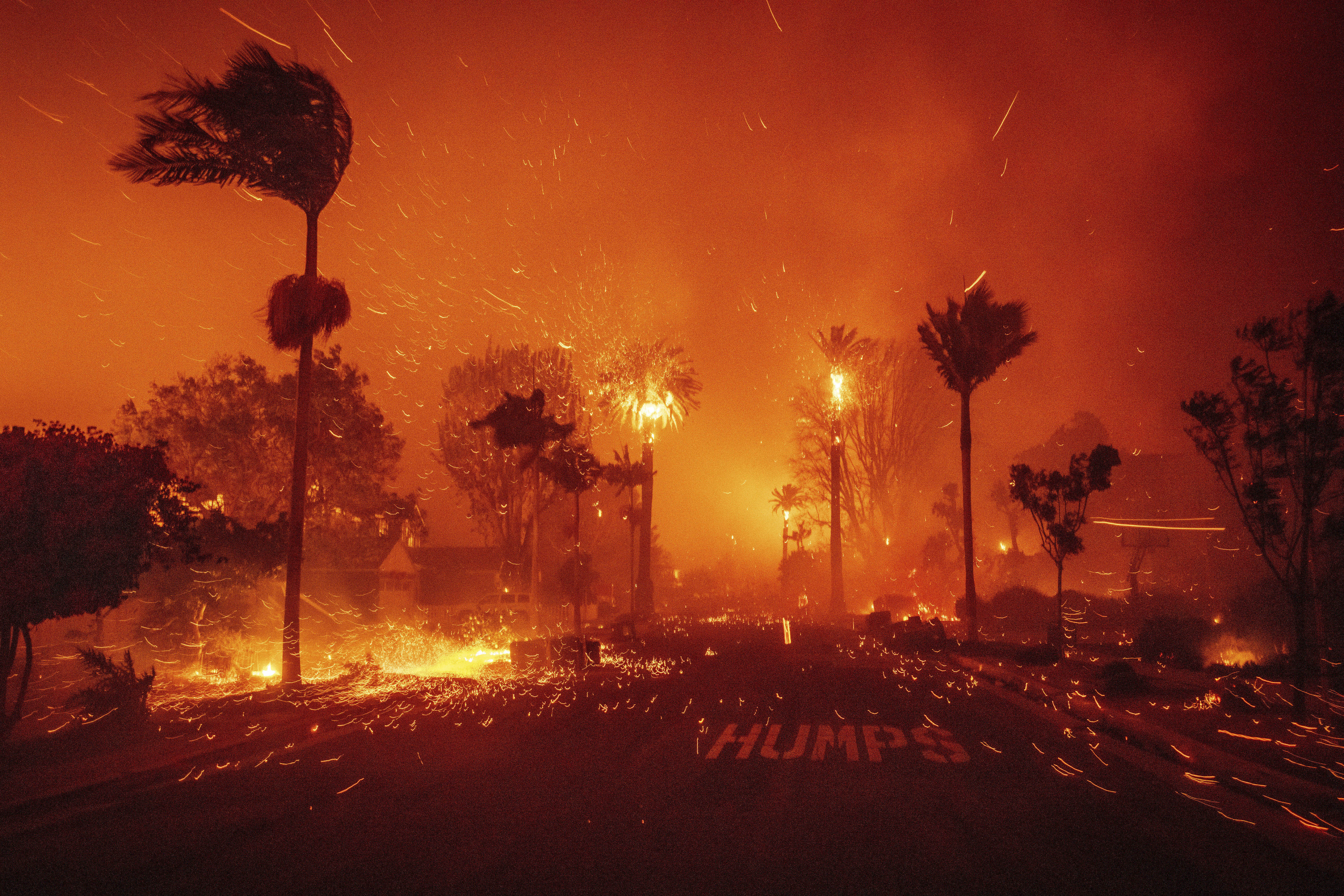
California’s Ongoing Battle with Wildfires: A Nuanced Reality
The simple answer is yes, wildfires remain a recurring feature of the California landscape. However, framing this reality requires a deeper understanding of the factors at play and the localized nature of these events. It’s not a perpetual, state-wide inferno, but rather an episodic challenge in specific regions.
Understanding the “Fire Season” Phenomenon
Historically, California has always experienced a “fire season,” typically from late spring through late autumn, often extending into winter due to a combination of dry vegetation, high temperatures, and strong winds. The Mediterranean climate, characterized by hot, dry summers and mild, wet winters, creates ideal conditions for wildfires. Native ecosystems, such as chaparral and redwood forests, have evolved with fire as a natural part of their life cycle. What has changed in recent decades is the intensity, frequency, and scale of these fires, often attributed to climate change, prolonged droughts, and historical fire suppression practices that have led to an accumulation of dense, flammable undergrowth. Understanding this cyclical nature helps demystify the impression of constant threat. While fire season is a recognized period, not every area is impacted every year, and many popular tourist destinations remain unaffected.
Key Factors Contributing to Wildfire Activity
Several critical factors converge to create the conditions conducive to wildfires in California. Prolonged droughts, exacerbated by rising global temperatures, dry out vegetation, turning forests and grasslands into tinderboxes. Strong, dry winds, such as the Santa Ana winds in Southern California and the Diablo winds in the north, can fan small fires into raging infernos, spreading embers rapidly and making containment exceedingly difficult. Furthermore, human activity plays a significant role, with many fires inadvertently started by power lines, discarded cigarettes, campfires, or arson. Urban sprawl encroaching into wildland-urban interface zones also increases the risk to communities and infrastructure, intensifying the challenges faced by emergency services like the California Department of Forestry and Fire Protection (CAL FIRE).
Beyond the Headlines: Localized Impacts
News headlines often focus on the most dramatic and widespread fires, sometimes creating an exaggerated perception of the danger across the entire state. In reality, wildfires are highly localized events. A major fire in Northern California might have zero impact on travel plans to San Diego or Los Angeles, which are hundreds of miles away. Even within a region, one side of a mountain range might be burning while a popular tourist town on the other side operates normally. The key for tourists is to understand that while wildfires are a reality, their impact is typically confined to specific areas for specific durations. Most of California’s vast attractions, from its iconic cities to its national parks, remain open and accessible throughout the year, even during designated fire seasons.
Navigating Your California Itinerary: Wildfire Impact on Tourism
For tourists, the primary concern revolves around how wildfires might affect their planned itinerary. While direct threats are relatively rare for travelers who stay informed and exercise caution, indirect impacts like air quality or temporary closures are more common considerations.
Air Quality Concerns and Health Precautions
One of the most widespread impacts of wildfires, even for those not directly in the path of a fire, is compromised air quality. Smoke from large fires can drift for hundreds of miles, causing hazy skies and elevated levels of fine particulate matter. This can be a concern for individuals with respiratory conditions like asthma, the elderly, and young children. Tourists should monitor air quality reports (often available through local health departments or apps like AirNow) and be prepared to adjust outdoor activities if air quality dips into unhealthy levels. Wearing N95 masks can provide some protection, and choosing indoor attractions like museums or galleries on smoky days is a sensible alternative. While unpleasant, smoky conditions are usually temporary and localized, rarely affecting the entire state simultaneously.
Accessibility and Closures: What to Expect
In areas directly threatened by wildfires, temporary road closures and evacuation orders are common. This can affect access to certain national parks, state parks, or scenic routes. For instance, sections of the Pacific Coast Highway or specific entrances to Yosemite National Park might close for safety reasons. It’s vital for tourists to check the status of their intended destinations before and during their trip. Websites for California State Parks, the National Park Service, and local tourism boards provide up-to-date information on closures and advisories. While inconvenient, these measures are put in place for public safety and are usually lifted once the threat subsides. Flexibility in your itinerary is paramount.
Protecting Natural Attractions and Outdoor Activities
California’s allure lies significantly in its diverse natural attractions, from the beaches of San Diego to the majestic forests of Lake Tahoe and the desert landscapes of Death Valley National Park. Wildfires can, unfortunately, damage these areas, leading to long-term recovery efforts. For tourists, this means being extra mindful when engaging in outdoor activities. Campfire bans are common during fire season, and visitors should adhere strictly to all posted regulations regarding fire safety. Hiking trails might be temporarily closed not just due to active fires, but also for safety concerns related to falling trees or unstable ground in post-fire areas. Understanding and respecting these restrictions helps protect both visitors and the fragile ecosystems.
Essential Planning for a Safe and Enjoyable California Experience
Proactive planning and adaptability are your best allies when traveling to California during fire season. Being prepared ensures that you can enjoy your trip while mitigating potential risks.
Staying Informed: Reliable Sources and Alerts

The single most important step for any traveler is to stay informed. Rely on official sources for real-time information:
- CAL FIRE: Provides up-to-the-minute information on active incidents across the state.
- National Park Service & State Parks Websites: For specific park closures and conditions.
- Local County Emergency Services Websites: Often have detailed, localized alerts.
- AirNow.gov: For comprehensive air quality data.
- NOAA Weather Radio/Apps: For critical weather alerts like Red Flag Warnings (indicating high fire danger).
Sign up for local emergency alerts if available for the specific regions you plan to visit. Avoid relying solely on social media, which can sometimes spread misinformation.
Flexibility is Key: Travel Insurance and Contingency Plans
Given the potential for unexpected closures or air quality issues, building flexibility into your travel plans is highly advisable. Consider purchasing comprehensive travel insurance that covers trip cancellations or interruptions due to natural disasters. Before booking, understand the cancellation policies for hotels, flights, and tours. Have alternative activities or destinations in mind. If your planned hike in a specific forest is impossible due to smoke, what’s your backup plan? Perhaps a visit to a museum in San Francisco or a culinary tour in Napa Valley could be an excellent alternative. Being ready to pivot ensures your vacation remains enjoyable, even if circumstances change.
Packing Smart: Essentials for Varied Conditions
While you’re likely packing for sunshine, consider adding a few items to your travel kit that address potential wildfire impacts:
- N95/KN95 Masks: For personal protection against smoke if air quality deteriorates.
- Eye Drops: To soothe irritation from smoke.
- Portable Air Purifier: A small one for your hotel room can offer peace of mind.
- Comfortable Closed-Toe Shoes: Useful if hiking trails are accessible but conditions might be dusty.
- Light Layers: To adapt to fluctuating temperatures and air conditions.
This preparation isn’t about anticipating the worst, but about being equipped for a range of possibilities, ensuring comfort and safety.
Responsible Tourism in California: Supporting Resilience and Recovery
Beyond personal safety, tourists have a vital role to play in supporting California’s resilience and recovery efforts, fostering a positive impact on the communities and environments that welcome them.
Economic Impact on Local Communities
Wildfires don’t just affect natural landscapes; they can devastate local economies, especially those heavily reliant on tourism. When fires force closures or deter visitors, hotels, restaurants, tour operators, and small businesses suffer significant losses. Choosing to visit California during fire season, while staying informed and safe, can be a powerful act of support. By spending money responsibly in unaffected areas or those that have recovered, tourists contribute directly to the economic vitality and recovery of communities. For instance, after devastating fires in parts of Napa Valley, continued tourism was crucial for local wineries and businesses to rebuild and thrive.
Volunteering and Donation Opportunities
For those who wish to go beyond economic support, there are opportunities to contribute directly. Organizations like the American Red Cross or local fire relief funds often accept donations to aid victims and support recovery efforts. In some cases, if you’re staying for an extended period, local non-profits might offer volunteering opportunities related to environmental restoration or community support. While not a primary goal for most tourists, being aware of these avenues provides a path for deeper engagement with the destination.
Eco-Tourism and Sustainable Practices
Regardless of wildfire concerns, embracing eco-tourism and sustainable practices is always beneficial. This includes minimizing your environmental footprint, respecting local wildlife and natural habitats, and supporting businesses committed to sustainability. When in California, particularly in natural areas, adhere to “Leave No Trace” principles, properly dispose of waste, and be extremely cautious with anything that could spark a fire, such as cigarettes or portable grills. By being a mindful traveler, you help preserve the beauty of California for future generations and reduce the human-caused risks of wildfires.
Looking Ahead: Adaptation and Innovation in California’s Tourism Landscape
California is not passively accepting its wildfire challenges; it is actively adapting and innovating, with significant implications for the future of tourism.
Advancements in Wildfire Prevention and Management
The state is continuously investing in advanced technologies and strategies for wildfire prevention and management. This includes sophisticated satellite monitoring systems, AI-powered predictive models for fire behavior, and enhanced early warning systems. On the ground, efforts focus on prescribed burns to reduce fuel loads, strategic forest thinning, and retrofitting infrastructure like power lines. These advancements aim to reduce the likelihood of large-scale fires and improve response times, ultimately making travel safer and more predictable. Tourists indirectly benefit from these investments through better protected destinations and clearer information.
Rebuilding and Revitalization Efforts
In areas that have been impacted by fires, the spirit of rebuilding and revitalization is strong. Communities often come together to restore homes, businesses, and natural areas. This resilience is a testament to the enduring character of [California](https://lifeoutofthebox.com/california]ns. For tourists, witnessing or even contributing to these recovery efforts can offer a profound travel experience, highlighting the strength of human and natural ecosystems to bounce back. Visiting these areas once deemed safe and reopened supports their recovery and showcases a different facet of the Golden State’s appeal.

The Enduring Appeal of the Golden State
Despite the challenges posed by wildfires, the allure of California remains undiminished. Its unparalleled diversity—from the urban dynamism of Los Angeles and San Francisco, the serene beauty of its national parks, the world-class vineyards of Napa Valley, to the stunning coastline—continues to attract visitors globally. The key is to approach travel with awareness, flexibility, and a commitment to responsible tourism. By staying informed, planning intelligently, and supporting local communities, travelers can confidently explore the vast and varied treasures of California, contributing to its resilience and enjoying an unforgettable experience, even as the state continues its ongoing dance with nature.
LifeOutOfTheBox is a participant in the Amazon Services LLC Associates Program, an affiliate advertising program designed to provide a means for sites to earn advertising fees by advertising and linking to Amazon.com. Amazon, the Amazon logo, AmazonSupply, and the AmazonSupply logo are trademarks of Amazon.com, Inc. or its affiliates. As an Amazon Associate we earn affiliate commissions from qualifying purchases.