
California, a land of diverse landscapes ranging from sun-drenched beaches to snow-capped mountains and arid deserts, consistently ranks as a top destination for travelers worldwide. Visitors flock to the Golden State for its vibrant cities like Los Angeles and San Francisco, iconic landmarks, and unparalleled natural beauty. Amidst the allure of its famous vineyards, redwood forests, and bustling urban centers, a question sometimes surfaces in the minds of the more intrepid or simply curious traveler: Are there tarantulas in California? The answer, unequivocally, is yes. Far from being a mere footnote in its extensive biodiversity, tarantulas are an integral, albeit often unseen, part of the state’s natural tapestry. For those exploring California’s wilder corners, understanding these fascinating arachnids can enhance the travel experience, transforming potential apprehension into appreciation for the state’s rich ecological heritage. This guide delves into the world of California’s tarantulas, offering insights into their habitats, behaviors, and what travelers need to know to respectfully share the landscape with them.

The Truth About Tarantulas in the Golden State
California’s vast geographical diversity creates a myriad of habitats, from the scorching plains of the Mojave Desert to the rolling hills of the Central Valley and the rugged slopes of the Sierra Nevada foothills. This environmental mosaic is ideal for various species, including several types of tarantulas. Far from being exotic imports, these spiders are native residents, playing a crucial role in their ecosystems.
California’s Diverse Ecosystems and Tarantula Presence
The presence of tarantulas in California is a testament to the state’s incredible biodiversity. These large, hairy spiders thrive in specific microclimates and soil conditions found across much of the state, particularly in its drier, warmer regions. They are fossorial creatures, meaning they live in burrows, which protects them from predators and the elements. These burrows are most commonly found in well-drained soils, often under rocks, logs, or within dense vegetation, offering insulation against both extreme heat and cold.
While not typically found in urban centers or heavily irrigated agricultural areas, tarantulas are widespread in the state’s natural and undeveloped lands. Hikers, campers, and outdoor enthusiasts exploring areas like Death Valley National Park, Joshua Tree National Park, and the vast network of state parks and wilderness areas, are more likely to encounter them. Their distribution highlights the importance of preserving California’s wild spaces, as these habitats are vital for the survival of countless species, tarantulas included.
Common California Tarantula Species
Within California, the most commonly encountered tarantulas belong to the genus Aphonopelma. These are often referred to simply as “desert tarantulas” due to their prevalence in arid and semi-arid regions. Among the various Aphonopelma species, Aphonopelma chalcodes, also known as the Arizona Blond Tarantula (though it ranges into California), and Aphonopelma eutylenum, often called the California Ebony Tarantula, are perhaps the most recognized. These species vary slightly in color, size, and specific habitat preferences, but they share general characteristics: a robust body covered in velvety hair, eight eyes, and a generally docile demeanor.
These spiders are primarily insectivores, preying on crickets, grasshoppers, beetles, and other invertebrates. They are ambush predators, patiently waiting at the entrance of their burrows for unsuspecting prey to pass by. Their slow metabolism means they can go long periods without food, making them incredibly resilient creatures perfectly adapted to the often-harsh California environment.
Where and When to Spot Them (or Avoid Them)
For travelers keen on wildlife observation or simply wishing to understand the local fauna, knowing when and where tarantulas are most active is key. Their presence is seasonal and localized, making encounters predictable for those in the know.
Preferred Habitats: Deserts, Foothills, and Coastal Regions
Tarantulas in California exhibit a preference for specific habitats. Their stronghold is undoubtedly the desert regions of Southern California, including the Mojave and Colorado Deserts. Here, the dry, sandy, or rocky soils are perfect for burrow construction, and the warm climate supports the insect populations they feed on.
Beyond the deserts, they can also be found in the chaparral and scrublands of the foothills, particularly those bordering the Central Valley and the coastal mountain ranges. Even some drier, undeveloped areas near San Diego and Los Angeles might host populations. The key is undeveloped land with suitable soil and vegetation, away from intense human activity. Travelers exploring hiking trails in these areas should keep an eye on the ground, especially during certain times of the year.
Seasonal Sightings: The Autumn Migration
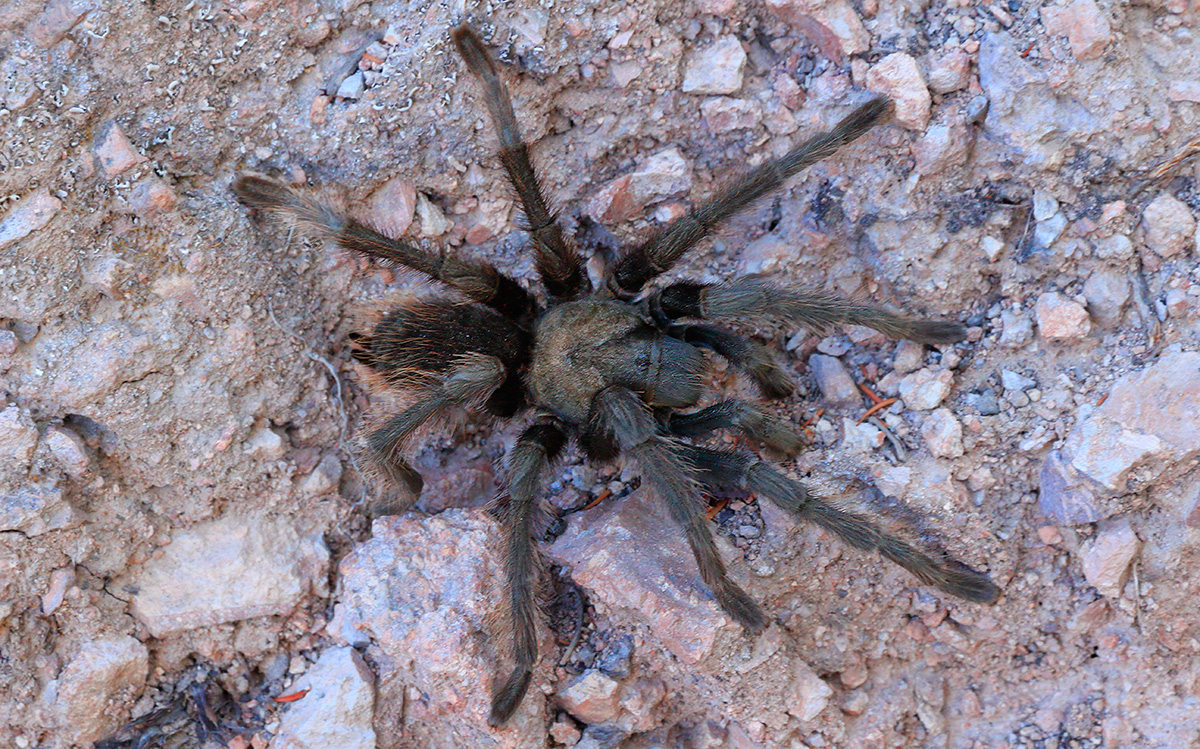
The most famous and visible aspect of California tarantula life is the annual autumn “migration” or, more accurately, the male mating season. From late August through October, particularly in September and early October, mature male tarantulas emerge from their burrows en masse and begin wandering across the landscape in search of females. These males are driven by a singular purpose: reproduction. This is when they are most likely to be seen by humans, crossing roads, trails, and open ground during the day.
This phenomenon is most pronounced in the state’s drier inland regions, such as the Carrizo Plain National Monument or areas around Mount Diablo State Park (though less common there), where they can be observed in significant numbers. Female tarantulas, on the other hand, rarely leave their burrows unless disturbed or searching for a new home. Therefore, most tarantula sightings are of these wandering males.
Nocturnal Nature: When They Are Most Active
While the autumn migration offers daytime viewing opportunities for males, tarantulas are generally nocturnal creatures. During the hotter months, they spend the daylight hours deep within their cool, humid burrows, emerging at dusk to hunt. This nocturnal behavior is a survival strategy, allowing them to avoid the peak heat of the day and encounter more active insect prey.
Travelers camping or hiking at night in tarantula habitats should be mindful of their presence. While encounters are still relatively rare, exercising caution by watching where one steps and zipping up tents is always advisable. For wildlife photographers or enthusiasts, a red-light headlamp can allow for respectful observation of their natural behaviors without disturbing them.
Are California Tarantulas Dangerous to Travelers?
The sight of a large, hairy spider can trigger primal fears in many people. However, when it comes to California tarantulas, much of this fear is unwarranted. These spiders are often misunderstood, and their reputation for being dangerous is largely unfounded.
Understanding Their Temperament
California tarantulas are remarkably docile creatures. They are not aggressive and their primary defense mechanism is to flee or remain motionless. They are more interested in avoiding confrontation than initiating it. Bites are extremely rare and almost always occur when the spider feels directly threatened, provoked, or inadvertently trapped against skin.
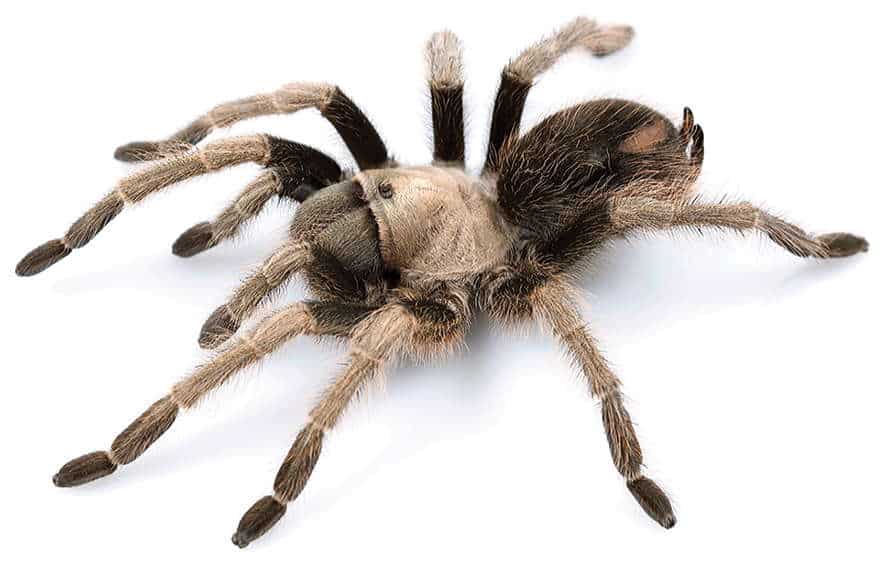
Travelers should understand that these spiders view humans as enormous, potentially dangerous predators. Their instinct is self-preservation. Given space and respect, a California tarantula poses virtually no threat. They are not known to stalk or attack humans, and any encounter is likely to be brief and uneventful if proper etiquette is followed.
The Mildness of Their Venom
For the rare occasion a bite does occur, the venom of California tarantulas is considered mild and generally harmless to humans, comparable to a bee sting. Symptoms might include localized pain, redness, and swelling at the bite site. Allergic reactions, while possible for any insect bite, are uncommon. Unlike the venom of more notorious spiders like the black widow or brown recluse (which are also found in California but are distinct from tarantulas), tarantula venom is not considered medically significant for most people.
The biggest “danger” might be the initial shock of being bitten by a large spider, rather than the physiological effects of the venom. No fatalities have been reported from California tarantula bites.
Defensive Mechanisms (Urticating Hairs)
Beyond biting, California tarantulas have another interesting defense mechanism: urticating hairs. When threatened, particularly if unable to flee, they may use their hind legs to rub barbed hairs from their abdomen and flick them towards the perceived threat. These tiny, irritating hairs can cause itching, rashes, and discomfort, especially if they get into the eyes or respiratory passages. For most people, this irritation is temporary and mild, similar to getting fiberglass dust on the skin.
Travelers should avoid handling tarantulas or cornering them to prevent triggering this defense. If exposed to urticating hairs, washing the affected area with soap and water usually provides relief. If hairs get into the eyes, flushing with water and seeking medical attention if irritation persists is recommended.
Responsible Wildlife Encounters: Tips for Travelers
Understanding and respecting local wildlife is a cornerstone of responsible travel, especially when exploring natural environments. Encounters with tarantulas in California can be a fascinating part of your trip if approached with knowledge and respect.
Staying Safe: What to Do (and Not Do) If You See One
The golden rule for encountering any wild animal, especially one that might be perceived as frightening, is to give it space. If you see a tarantula:
- Observe from a distance: Enjoy the unique sight of this creature from several feet away.
- Do not touch or provoke: Never attempt to pick up, poke, or harass a tarantula. This is when bites or flicking of urticating hairs are most likely to occur.
- Watch your step: When hiking in tarantula territory, especially during the autumn migration, pay attention to the ground in front of you.
- Check your gear: If camping, shake out shoes, sleeping bags, and other gear before use to ensure no curious critter has sought shelter.
- Do not handle them: While some people keep tarantulas as pets, they are wild animals in their natural habitat. Respect their space.
- Educate others: Share accurate information about tarantulas to dispel myths and reduce fear.
Respecting Their Habitat
As with any wildlife, minimizing your impact on their natural habitat is crucial. Stick to marked trails, avoid disturbing rocks or logs that might serve as tarantula homes, and pack out all trash. California’s ecosystems are delicate, and even small disturbances can have ripple effects. By being a mindful traveler, you contribute to the conservation of these unique environments and their inhabitants. If you see a tarantula crossing a road, and it’s safe to do so, you can briefly stop to allow it to pass, but never try to “help” it by picking it up.
Educational Opportunities and Conservation
Many of California’s state and national parks offer interpretive programs where visitors can learn about local wildlife, including tarantulas. These educational opportunities can be incredibly insightful, providing accurate information and fostering appreciation for these often-maligned creatures. Understanding their role as predators of insects helps to highlight their ecological importance in controlling pest populations.
Conservation efforts in California often focus on larger, more charismatic species, but the protection of all native wildlife, including tarantulas, is vital for maintaining healthy ecosystems. By respecting their presence and habitat, travelers inadvertently contribute to their conservation.
Debunking Myths and Misconceptions
The mystique surrounding tarantulas has led to numerous myths and misunderstandings. For a traveler, separating fact from fiction is essential for a truly informed and enjoyable experience in California’s natural areas.
Tarantulas vs. Other California Spiders
It’s important to distinguish tarantulas from other spiders found in California. While tarantulas are large and hairy, they are generally slow-moving and non-aggressive. Other spiders, such as the Western black widow (Latrodectus hesperus) or various funnel-web spiders, though much smaller, can have more potent venom and should be treated with greater caution. However, even these spiders are rarely aggressive unless their web or nest is disturbed. Recognizing the difference can alleviate undue fear and allow for appropriate reactions. Tarantulas are distinctive enough that once you’ve seen one, you’re unlikely to mistake it for another common California spider.
Common Fears vs. Reality
The fear of spiders, known as arachnophobia, is widespread. However, in the context of California tarantulas, this fear often stems from exaggerations in media and folklore rather than reality. The idea of a tarantula jumping or chasing people is entirely fictional. They are cumbersome creatures designed for burrowing and ambush, not for agile pursuit. Their slow, deliberate movements actually make them quite predictable. By understanding their true nature, travelers can overcome irrational fears and instead appreciate these unique animals.
The Role of Tarantulas in the Ecosystem
Beyond simply existing, tarantulas play an important ecological role. As predators of various insects and other invertebrates, they help to maintain the balance of their ecosystems. They also serve as a food source for other wildlife, including birds of prey, coyotes, and various reptiles. Their burrows can even provide shelter for other small animals. By being an active, albeit often hidden, component of California’s food web, tarantulas contribute to the overall health and resilience of the state’s natural environments.
In conclusion, the answer to “Are there tarantulas in California?” is a resounding yes. These fascinating arachnids are a natural and often beautiful part of the state’s diverse wildlife. For travelers exploring California’s natural parks and wilderness areas, encountering a tarantula, especially a male during its autumn wanderings, can be a memorable and educational experience. By understanding their habits, respecting their space, and debunking common myths, visitors can safely appreciate these gentle giants, adding another layer of depth to their California adventure. So, when planning your next trip to the Golden State, embrace the opportunity to learn about all its inhabitants, even the eight-legged ones.
LifeOutOfTheBox is a participant in the Amazon Services LLC Associates Program, an affiliate advertising program designed to provide a means for sites to earn advertising fees by advertising and linking to Amazon.com. Amazon, the Amazon logo, AmazonSupply, and the AmazonSupply logo are trademarks of Amazon.com, Inc. or its affiliates. As an Amazon Associate we earn affiliate commissions from qualifying purchases.