
Navigating the concrete jungle of New York City can feel like a grand adventure, a sprawling tapestry of iconic sights, bustling streets, and hidden gems. For many visitors, a crucial aspect of planning their exploration revolves around understanding the city’s unique geography, particularly its grid system. This is where the seemingly simple question, “How many New York City blocks are in a mile?” becomes surprisingly relevant, offering a practical key to unlocking a deeper appreciation of the city’s scale and layout. Understanding this metric isn’t just about distance; it’s about context, about visualizing your journey from the Statue of Liberty to Times Square, and about making informed decisions about how you’ll experience the city, whether by foot, subway, or taxi.

The answer to this question, while seemingly straightforward, is nuanced and depends heavily on which part of New York City you’re exploring. The city’s famed grid system, a marvel of urban planning, is most prominent in Manhattan, particularly north of Houston Street. Here, avenues run north-south and streets run east-west, creating a predictable, albeit sometimes overwhelming, pattern. Outside of this well-defined grid, however, the urban fabric becomes more irregular, reflecting the city’s organic growth and historical development. This article aims to demystify the block-to-mile ratio, providing practical insights for travelers looking to optimize their New York City experience.
The Manhattan Grid: A Measured Approach
When most people envision New York City blocks, they’re picturing the orderly avenues and streets of Manhattan. This meticulously planned grid, largely implemented in the early 19th century, provides a remarkably consistent framework for navigation. The prevailing wisdom states that there are approximately 20 city blocks to a mile in Manhattan, but this is a generalization that requires closer examination.
Street vs. Avenue Blocks: A Tale of Two Distances
The key to understanding the block-to-mile ratio lies in differentiating between street blocks and avenue blocks.
Street Blocks: The Short Haul
New York City street blocks, which run east-west, are generally shorter than avenue blocks. In the central and northern parts of Manhattan, you can expect to find roughly 10 to 12 street blocks within a mile. This means that if you’re walking east or west across the island, you’ll encounter a new street approximately every 440 to 528 feet. This consistent spacing makes it relatively easy to estimate your progress when traversing the city in this direction. Imagine strolling from the United Nations Headquarters towards Central Park West; you’ll be crossing a new avenue every few minutes.
Avenue Blocks: The Long Stride
Conversely, avenue blocks, which run north-south, are significantly longer. In Manhattan, there are typically only about 5 to 7 avenue blocks to a mile. This translates to a distance of roughly 704 to 1,056 feet between avenues. This substantial difference is why walking north or south in Manhattan can feel like a much longer undertaking, even if you’re covering the same number of “blocks.” For instance, walking from Battery Park up to Grand Central Terminal will involve traversing a considerable distance between avenues. This disparity is a crucial piece of information for anyone trying to gauge walking times or distances. It helps explain why a quick dash across town might be feasible on foot, while a journey from the southern tip of the island to the northern reaches requires a more strategic approach.
The Impact of Landmarks and Variations
While the grid system provides a general rule of thumb, it’s important to acknowledge that not all blocks are created equal, even within the grid. Certain avenues, like Broadway, don’t strictly adhere to the grid pattern, often cutting diagonally through the city. This can lead to variations in block lengths and distances. Furthermore, major landmarks and public spaces can interrupt the regular spacing. For example, the expansive grounds of Central Park effectively eliminate entire sections of blocks, altering the perceived distances.
The density of development also plays a role. In areas with towering skyscrapers and grand boulevards, the visual perception of block length can be distorted. Conversely, in quieter residential areas, blocks might feel more elongated. When planning a trip, whether you’re staying at the opulent The Plaza Hotel or a cozy boutique accommodation in the West Village, understanding these minor variations can enhance your navigation and overall experience. It’s the little details, like the slightly wider avenue near Rockefeller Center, that add to the unique character of New York City.
Beyond the Grid: Brooklyn, Queens, and Other Boroughs
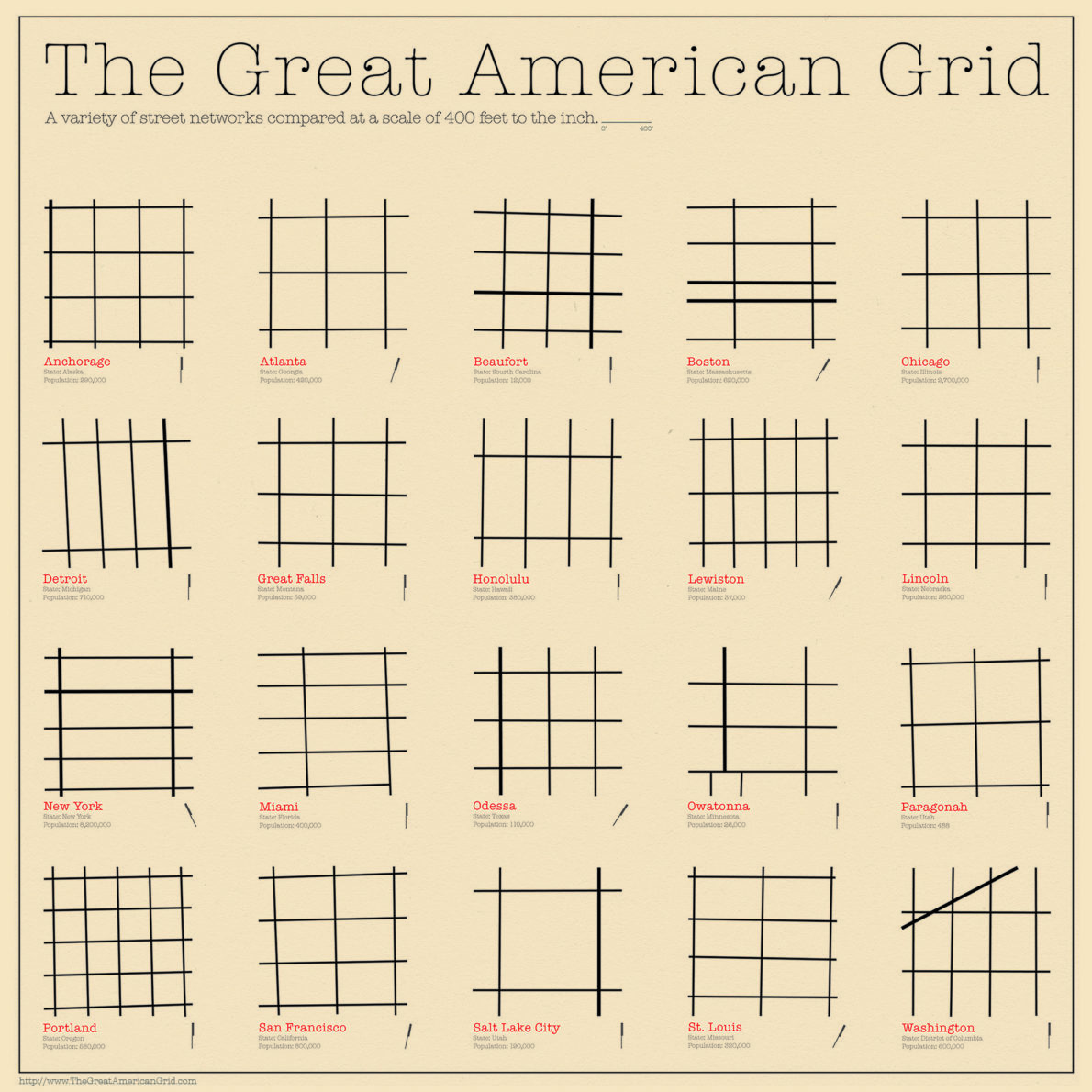
The charmingly predictable grid of Manhattan is, in many ways, the exception rather than the rule when considering the entirety of New York City. The other four boroughs—Brooklyn, Queens, the Bronx, and Staten Island—boast a more organic urban development, with streets that weave and meander according to historical settlement patterns, topography, and the dictates of original land ownership.
The Irregular Charm of Brooklyn and Queens
In boroughs like Brooklyn and Queens, the concept of a “block” becomes far less standardized. While some neighborhoods might have a semblance of a grid, particularly those developed in the late 19th and early 20th centuries, many areas feature a chaotic and charming network of streets with varying lengths and angles. You’ll find yourself navigating curved avenues, streets that abruptly change names, and blocks that are irregularly shaped. Trying to apply the Manhattan block-to-mile ratio here would be largely futile.
For instance, exploring the historic streets of DUMBO in Brooklyn presents a different navigational challenge than walking down Fifth Avenue. The cobblestone streets and industrial-era buildings create a unique atmosphere, but also a less predictable streetscape. Similarly, venturing through the diverse neighborhoods of Queens, from the vibrant streets of Flushing to the quieter enclaves, requires an understanding that street lengths are highly variable. This unpredictability, however, is also part of their allure, offering a more intimate and often surprising exploration of local culture and community.
Practical Implications for Travelers
For the intrepid traveler eager to explore beyond the well-trodden paths of Midtown Manhattan, understanding these differences is paramount. Relying solely on a block count for navigation in these outer boroughs could lead to confusion and miscalculation. Instead, it’s advisable to use digital mapping tools that provide accurate distance measurements. Apps like Google Maps or Citymapper become indispensable allies, offering real-time directions that account for the unique street configurations of each neighborhood.
When planning an itinerary that includes visits to attractions like Prospect Park in Brooklyn or a culinary adventure in Jackson Heights in Queens, it’s best to think in terms of actual distances (e.g., miles or kilometers) rather than abstract block counts. This practical approach will save you time, reduce frustration, and allow you to fully immerse yourself in the rich tapestry of experiences that New York City has to offer, from its iconic landmarks to its vibrant, less-charted territories.
Making Sense of the Distance: Tips for Exploring New York City
Understanding the block-to-mile ratio is more than just an academic exercise; it’s a practical tool that can significantly enhance your New York City adventure. Whether you’re a seasoned urban explorer or a first-time visitor, a grasp of this metric empowers you to make informed decisions about your travel, optimize your time, and truly appreciate the scale of this magnificent metropolis.
Walking vs. Public Transportation: A Strategic Choice
The most immediate application of this knowledge is in deciding whether to walk or utilize public transportation. If you’re looking to cover a few avenues in Manhattan – say, from the Empire State Building to Bryant Park – walking might be a perfectly reasonable option. A mile, roughly equivalent to 20 street blocks, is an achievable distance for most people. However, if your destination is several miles away, or if you need to traverse a significant distance north or south, relying solely on your feet might prove exhausting and time-consuming. In such cases, the New York City subway system, with its extensive network and efficient service, becomes your best friend. Understanding that 10 avenue blocks can easily be a mile or more reinforces the value of hopping on the subway for longer north-south journeys.
Estimating Walking Times: Setting Realistic Expectations
Armed with the knowledge that approximately 20 street blocks make a mile in Manhattan, you can begin to set realistic expectations for your walking times. A brisk walking pace is typically around 3 miles per hour. Therefore, covering a mile (about 20 street blocks) could take approximately 20 minutes. However, factor in city life: waiting for pedestrian signals, navigating crowds, stopping for photos of iconic architecture, or browsing the shops along Fifth Avenue, and that 20-minute estimate can easily stretch to 30 or 40 minutes. For longer distances, this estimation becomes even more crucial for itinerary planning. Knowing that a 3-mile walk could take upwards of an hour and a half (without significant stops) helps you allocate your time wisely, ensuring you don’t miss your reservation at a renowned restaurant like Per Se or your performance at the Metropolitan Opera.

Beyond the Numbers: Experiencing the City’s Scale
Ultimately, understanding the block-to-mile ratio is about more than just getting from point A to point B efficiently. It’s about developing an intuitive sense of New York City’s scale. As you walk, notice how the avenues feel grander than the streets, how certain neighborhoods have a denser feel than others, and how the city’s layout encourages different modes of exploration. It adds a layer of appreciation to your journey, allowing you to better understand the historical forces and planning decisions that shaped this dynamic urban landscape. Whether you’re enjoying a luxurious stay at a hotel like the St. Regis New York or embarking on a budget-friendly culinary tour through Chinatown, this geographical insight will undoubtedly enrich your experience of the unparalleled energy and endless discovery that defines New York City.
LifeOutOfTheBox is a participant in the Amazon Services LLC Associates Program, an affiliate advertising program designed to provide a means for sites to earn advertising fees by advertising and linking to Amazon.com. Amazon, the Amazon logo, AmazonSupply, and the AmazonSupply logo are trademarks of Amazon.com, Inc. or its affiliates. As an Amazon Associate we earn affiliate commissions from qualifying purchases.