
California, often lauded as the Golden State, conjures images of sun-drenched beaches, towering redwoods, snow-capped peaks, and vibrant metropolitan areas. It’s a destination that captivates millions with its diverse landscapes and seemingly endless attractions, from the bustling streets of Los Angeles to the iconic Golden Gate Bridge in San Francisco and the pristine coastline of San Diego. However, like any vast geographic region, California is also subject to various natural phenomena, prompting an intriguing question for many prospective visitors: are there tornadoes in California? For travelers meticulously planning their itinerary and seeking to understand every facet of their chosen destination, a comprehensive understanding of local weather patterns, including the potential for severe weather, is paramount. This article delves into the reality of tornadoes in California, contextualizing their occurrence within the state’s unique climate and offering practical insights for a safe and enjoyable travel experience.
The Golden State’s Diverse Climate: A Prelude to Weather Phenomena
California’s weather is as varied as its topography, a crucial factor when discussing the potential for severe weather events. Understanding this climatic complexity is the first step in addressing the question of tornadoes.
California’s Geographic Tapestry and Microclimates
Stretching over 800 miles from north to south, California encompasses an incredible array of ecosystems. From the arid deserts of the southeast, through the fertile Central Valley, over the majestic Sierra Nevada mountain range, and along the temperate Pacific Ocean coastline, each region boasts its own distinct microclimate. This diversity means that weather conditions can vary dramatically within short distances. Coastal areas typically enjoy mild temperatures year-round, influenced by the cool Pacific Ocean. Inland valleys, conversely, experience hotter summers and colder winters. The mountains, depending on elevation, see significant snowfall and can create their own weather systems. This complex interaction of landforms and air masses plays a significant role in shaping atmospheric conditions.
The Influence of the Pacific Ocean and Mountain Ranges
The Pacific Ocean exerts a dominant influence on California’s climate, primarily through the moderating effect of ocean currents and the formation of the marine layer. This layer of cool, moist air often creates the characteristic fog along the coast, particularly in areas like San Francisco. The extensive mountain ranges, including the Coast Ranges and the Sierra Nevada, act as formidable barriers to weather systems. They create rain shadows, leading to much drier conditions on their eastern sides, and also influence the movement and development of storm fronts. These geographic features tend to disrupt the stable atmospheric conditions typically required for the formation of powerful tornadoes, which thrive on consistent, deep moisture and strong wind shear.
Unpacking the Reality: Tornadoes in California
Despite its reputation for sunshine and mild weather, California is not entirely immune to tornadoes. However, their nature and frequency are vastly different from what one might expect in other parts of the United States.
Dispelling Myths: Frequency and Intensity
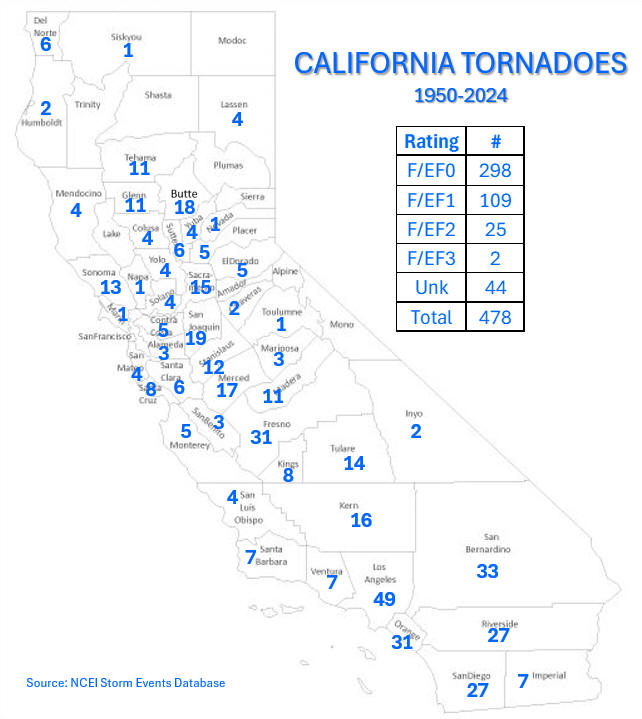
Yes, tornadoes do occur in California, but they are far less common and generally much weaker than those found in the infamous Tornado Alley of the central U.S. According to data from the National Weather Service (NWS), California experiences an average of 5 to 10 tornadoes per year. Crucially, the vast majority of these are EF0 or EF1 on the Enhanced Fujita (EF) scale, meaning they are weak, short-lived, and cause minimal damage, primarily to trees, fences, and mobile homes, rather than widespread destruction to well-built structures. Powerful, long-track tornadoes are exceedingly rare, making headlines precisely because of their unusual nature. For travelers, the risk of encountering a tornado in California is statistically negligible.
California vs. Tornado Alley: A Stark Contrast
The atmospheric conditions that foster supercell thunderstorms capable of producing powerful, long-lived tornadoes are simply not prevalent in California. Tornado Alley benefits from the convergence of warm, moist air from the Gulf of Mexico, cool, dry air from the Rockies, and a strong jet stream, creating significant atmospheric instability and shear. California, by contrast, is primarily influenced by the Pacific Ocean, which provides cooler, more stable air. While cold fronts moving in from the Pacific Ocean can occasionally generate localized instability, they rarely produce the sustained, intense conditions necessary for major tornado outbreaks. This fundamental difference in meteorological dynamics explains why California’s tornado threat remains low.
Understanding California’s Tornadoes: Weak and Short-Lived
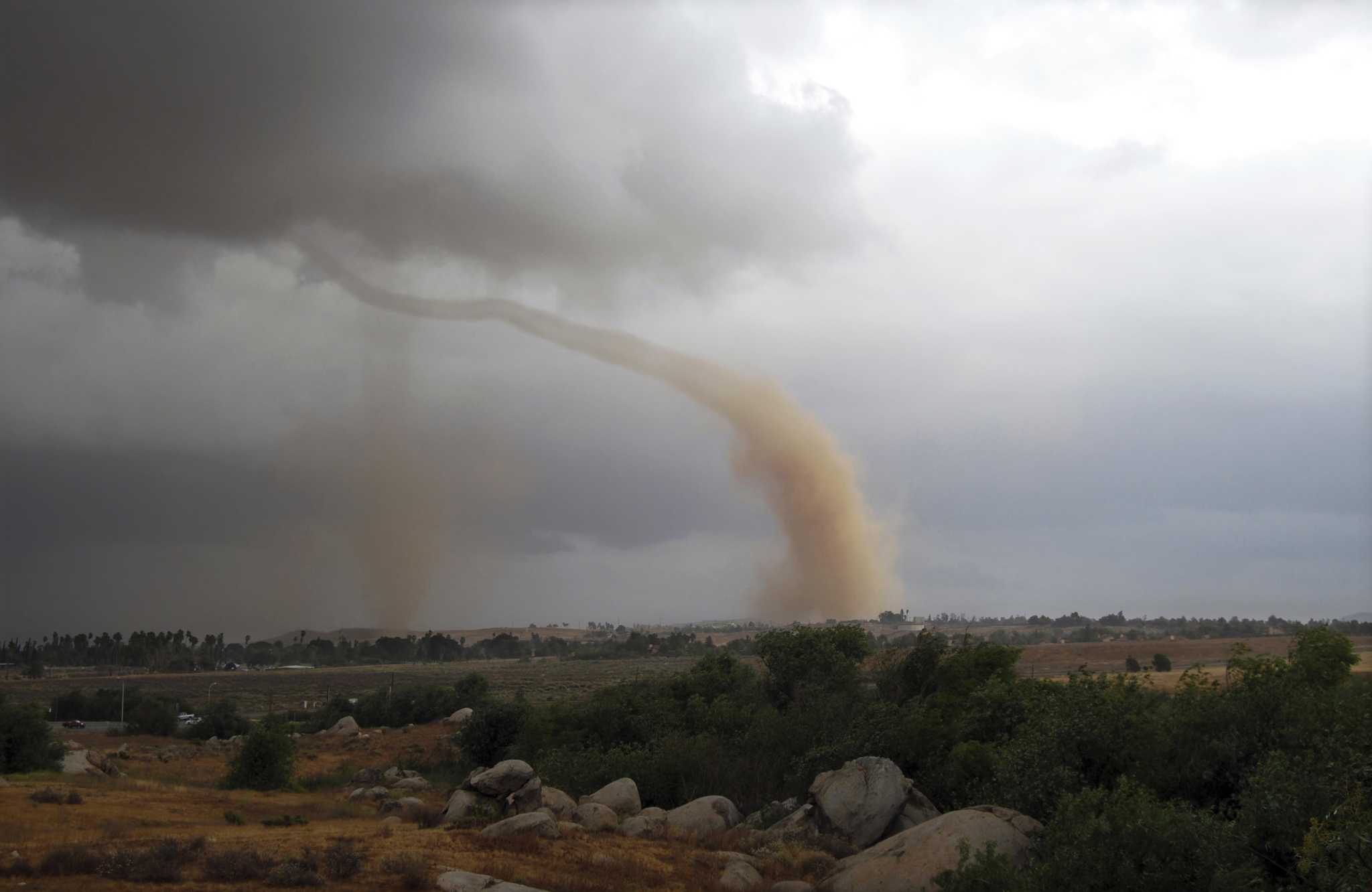
The tornadoes that do form in California are typically associated with cold-air funnel clouds or weak squall lines. These phenomena usually develop quickly, last only a few minutes, and travel short distances. They are often difficult to detect on radar due to their small size and fleeting nature, and eyewitness accounts or damage surveys are often the primary means of confirmation. The impact on infrastructure and human activity is generally minor, posing little threat to the vast majority of travelers enjoying the state’s attractions. The primary concern during these events is typically heavy rain, localized flooding, or strong straight-line winds, which are more common weather hazards in the state.
Regional Occurrences and Seasonal Trends
While tornadoes are infrequent across California as a whole, certain regions and seasons exhibit a slightly higher propensity for their formation.
Areas Most Prone to Tornado Activity
The majority of California’s reported tornadoes occur in the expansive, flat plains of the Central Valley, particularly the San Joaquin Valley and Sacramento Valley. These agricultural heartlands, while not geographically similar to the Great Plains, can occasionally experience the convergence of air masses that facilitate weak tornado development. The lack of significant terrain features in these valleys means that once a funnel forms, it can touch down with less disruption than in mountainous or highly urbanized coastal areas. Occasionally, tornadoes can also be observed in the Imperial Valley in Southern California or parts of the Inland Empire. However, even in these slightly more active zones, the overall risk remains extremely low.
When Do They Typically Occur?
Unlike the late spring and early summer peak for tornadoes in the central U.S., California’s tornado activity often coincides with the state’s rainy season. This means most tornadoes are reported between November and April, aligning with the passage of winter storm systems. These systems, originating from the Pacific Ocean, bring cold air aloft and can sometimes generate enough atmospheric instability and wind shear to produce weak tornadoes. Travelers visiting California during the spring or summer months, when tourism peaks, are even less likely to encounter such weather phenomena.
Waterspouts: A Coastal Phenomenon
A related phenomenon travelers might observe, particularly along the coast, is a waterspout. These are rotating columns of air that form over water and are essentially tornadoes over water. They are typically weaker than land-based tornadoes, though they can pose a threat to small boats and maritime activities. If a waterspout moves inland, it is then classified as a tornado. Waterspouts are most commonly observed off the coast of Southern California during periods of unstable weather, but they are generally short-lived and dissipate quickly, rarely reaching populated shorelines with significant force.
What This Means for Travelers to California
For anyone planning a trip to California, the data on tornadoes provides significant reassurance.
Minimal Risk, Maximum Enjoyment
The extremely low frequency and generally weak nature of tornadoes in California mean that they should be a negligible concern for travelers. The chances of your travel plans being disrupted by a tornado, or of you encountering one, are infinitesimally small. Focus your travel planning on enjoying California’s incredible natural beauty, cultural attractions, and diverse experiences. From hiking in Yosemite National Park to exploring the vineyards of Napa Valley or soaking up the sun on a Santa Monica beach, the true Californian experience is one of wonder and adventure, largely untroubled by severe weather of this kind.
Staying Informed: Reliable Weather Sources
While the risk is low, staying informed about local weather conditions is always a wise practice for any traveler. This is especially true given California’s propensity for other natural events like wildfires and earthquakes. Reliable sources for weather information include:
- The National Weather Service (NWS) website and mobile apps, which provide real-time alerts and forecasts.
- Local news channels and radio stations, particularly important during active weather events.
- Weather apps on your smartphone, which can be configured to provide alerts for your specific location.
- NOAA Weather Radio, a nationwide network broadcasting continuous weather information.
General Travel Safety Beyond Tornadoes
Beyond the extremely rare chance of a tornado, travelers should be more aware of other common California travel safety considerations. These include:
- Sun Protection: California’s sun can be intense. Use sunscreen, wear hats, and stay hydrated.
- Driving Safety: Be mindful of traffic, especially in metropolitan areas, and be prepared for diverse road conditions when exploring mountains or rural areas.
- Wildfire Awareness: During dry seasons, be aware of fire danger, especially in rural and forested areas. Adhere to all fire restrictions.
- Earthquake Preparedness: While unpredictable, minor earthquakes are common. Familiarize yourself with basic “drop, cover, and hold on” procedures if you are concerned.
- Water Safety: If engaging in water activities, always follow safety guidelines and be aware of ocean currents.
Practical Advice for Navigating California’s Weather
Being prepared, not panicked, is the best approach to any travel destination’s weather.
Be Prepared, Not Scared
Given the context, specific tornado preparedness for California is generally unnecessary for travelers. However, a general awareness of severe weather protocols is always a good idea, no matter where you travel. If, by an extremely remote chance, a tornado warning were issued for your immediate area:
- Seek sturdy shelter: Head to the lowest level of a building, an interior room, or an underground basement.
- Stay away from windows: Flying debris is the biggest hazard.
- Follow local emergency instructions: Authorities will provide guidance via alerts and media.
The Federal Emergency Management Agency (FEMA) offers comprehensive resources on general disaster preparedness that can be adapted to various situations.

Emergency Protocols for Hotels and Attractions
Reputable hotels and major tourist attractions in California are well-versed in emergency preparedness for a range of scenarios, including fires, earthquakes, and other localized events. In the extremely unlikely event of severe weather, they will have established protocols to ensure guest safety. Familiarize yourself with the emergency exits and procedures upon check-in to your accommodation. Staff members are typically trained to guide guests during any emergency, and following their instructions is paramount.
In conclusion, while the answer to “Are there tornadoes in California?” is technically yes, the practical implications for travelers are minimal. The Golden State offers an unparalleled array of experiences with a remarkably low risk of encountering significant tornado activity. Travelers can confidently plan their adventures, focusing on the myriad of attractions and natural wonders that define this iconic American destination, secure in the knowledge that severe weather events like powerful tornadoes are a rare exception, not the rule.
LifeOutOfTheBox is a participant in the Amazon Services LLC Associates Program, an affiliate advertising program designed to provide a means for sites to earn advertising fees by advertising and linking to Amazon.com. Amazon, the Amazon logo, AmazonSupply, and the AmazonSupply logo are trademarks of Amazon.com, Inc. or its affiliates. As an Amazon Associate we earn affiliate commissions from qualifying purchases.