
Pregnancy is a transformative journey, bringing with it a whirlwind of emotions, preparations, and, often, a keen focus on dietary choices. For many expectant mothers, navigating food safety guidelines can feel like a complex puzzle, especially when cravings for international cuisine or local delicacies arise. Among the myriad questions concerning diet during pregnancy, the safety of sushi frequently emerges, often accompanied by specific inquiries about popular options like the California roll. This article delves into the nuances of consuming California rolls during pregnancy, offering professional insights and practical tips to help you make informed decisions while embracing the culinary aspects of your travels or local explorations.
Understanding Sushi and Pregnancy Safety
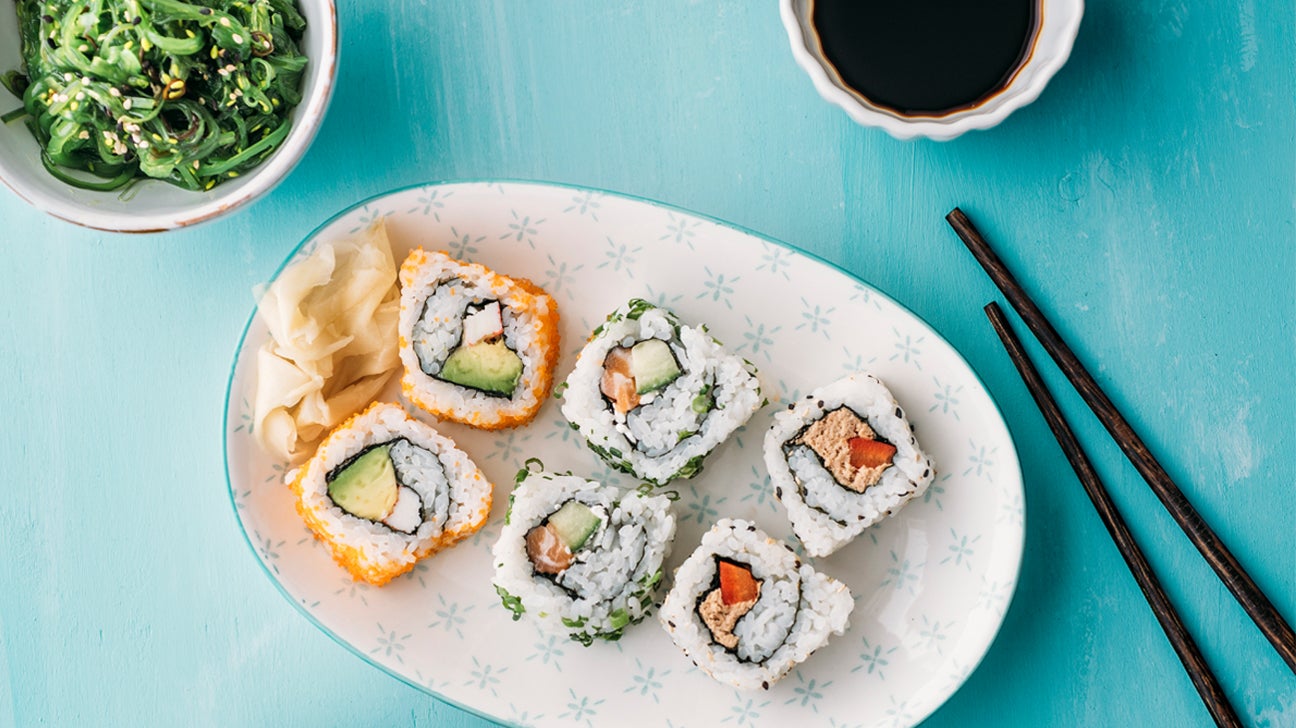
The general advice to avoid sushi during pregnancy often stems from well-founded concerns about raw fish. However, the term “sushi” encompasses a broad spectrum of dishes, not all of which involve raw ingredients. Discerning the components of your chosen sushi roll is key to understanding its safety profile.
The Core Concern: Raw Fish and Contaminants
The primary reason healthcare providers often recommend against raw or undercooked fish for pregnant women is the potential risk of bacterial contamination and parasites. Raw fish can harbor Listeria monocytogenes, a bacterium that, while generally harmless to healthy adults, can cause listeriosis, a serious infection for pregnant women. Listeriosis can lead to miscarriage, premature birth, or severe illness in newborns. Additionally, parasites like anisakid worms can be found in raw fish, leading to gastrointestinal distress. The underdeveloped immune system of a fetus makes these risks particularly concerning. Beyond bacteria and parasites, certain types of fish also pose a mercury risk, which can harm fetal neurological development. Fish high in mercury, such as swordfish, shark, king mackerel, and tilefish, should be avoided entirely during pregnancy.
What is a California Roll?
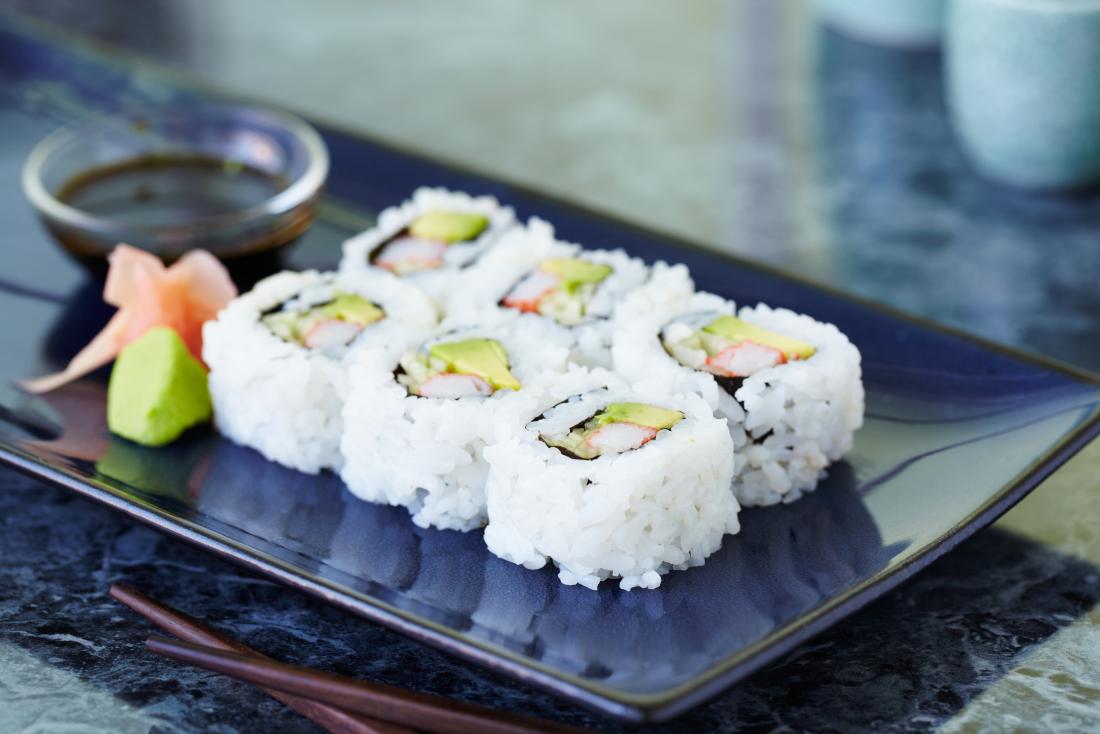
The California roll, a beloved classic in Western sushi culture, is an excellent example of a sushi variant that often deviates significantly from traditional raw fish preparations. Originating, as its name suggests, in either Los Angeles or Vancouver in the 1960s or 70s, it typically consists of imitation crab meat (surimi), avocado, and cucumber, all wrapped in nori (seaweed) and seasoned sushi rice. Crucially, the imitation crab is the central ingredient, and understanding its nature is vital for assessing the roll’s safety during pregnancy.
Dispelling Myths: Not All Sushi is Raw
It’s a common misconception that all sushi contains raw fish. In reality, sushi refers to dishes made with vinegared rice. While sashimi (slices of raw fish) and nigiri (raw fish over rice) are popular forms of sushi, many rolls, like the California roll, incorporate cooked ingredients, vegetables, or even fruit. Examples of pregnancy-safe sushi include rolls made with fully cooked shrimp tempura, grilled eel (unagi), cooked chicken, or entirely vegetarian fillings like avocado and cucumber rolls. Knowing the distinction allows pregnant individuals to enjoy sushi responsibly without unnecessary fear.
Navigating Your Cravings: Is a California Roll Safe?
With a clearer understanding of sushi components, let’s specifically evaluate the California roll’s safety for pregnant individuals. The key lies in its ingredients and how they are prepared.
Imitation Crab: The Key Ingredient
The primary protein in most California rolls is imitation crab, also known as surimi. Surimi is a paste made from various species of fish, often pollock, which is then processed, flavored, and shaped to resemble crab meat. Crucially, surimi is always cooked during its manufacturing process. This cooking step eliminates the risk of bacteria and parasites typically associated with raw seafood. Therefore, from the perspective of raw fish pathogens, imitation crab is generally considered safe for consumption during pregnancy. When ordering a California roll, it’s still wise to confirm that the establishment uses imitation crab and not real, potentially raw, crab meat, although the latter is rare for this specific roll.
Other Ingredients: Avocado, Cucumber, Nori, Rice
The remaining core ingredients of a California roll are generally very safe and even beneficial during pregnancy:
- Avocado: A fantastic source of healthy fats, folate, and potassium, which are all important nutrients for pregnant women.
- Cucumber: Provides hydration and some vitamins, and is completely safe.
- Nori (Seaweed): A good source of iodine and other minerals. While iodine is essential, excessive consumption of certain seaweeds can be a concern due to high iodine levels. However, the amount of nori in a standard sushi roll is typically not problematic.
- Sushi Rice: Cooked white rice, seasoned with vinegar, sugar, and salt. This is a staple food and perfectly safe.
These components collectively make the bulk of a California roll a low-risk option.
The Mayo Factor: Pasteurized or Not?
Some California rolls, particularly those in North America, might include a small amount of mayonnaise, often mixed with the imitation crab or drizzled on top. The primary concern with mayonnaise during pregnancy is typically raw egg, which can carry salmonella. However, commercially produced mayonnaise (the kind found in jars at supermarkets and used in most restaurants) is made with pasteurized eggs, rendering it safe. If you are eating at a high-end restaurant that might make its mayonnaise from scratch with raw eggs, it’s worth asking. For the vast majority of eateries serving California rolls, the mayonnaise used will be pasteurized and thus safe.
Cross-Contamination Risks: Where You Eat Matters
Even if the ingredients of a California roll are safe, cross-contamination is a potential concern, particularly in establishments that also handle raw fish. If knives, cutting boards, or surfaces used for raw fish are not properly cleaned before preparing your California roll, there’s a small risk of transferring bacteria. This is why choosing a reputable establishment with high hygiene standards is paramount.
Making Informed Choices While Exploring Local Cuisine
Whether you’re exploring the bustling culinary scene of Tokyo or enjoying a quiet meal in your hometown, being an informed diner is crucial, especially during pregnancy. Enjoying diverse food experiences is part of the joy of tourism, but safety should always be a priority.
Asking the Right Questions: Source and Preparation
Don’t hesitate to ask your server or the chef about the ingredients and preparation methods. A reputable restaurant will be transparent and happy to accommodate your concerns. Specifically for California rolls, you can ask:
- “Is the crab in the California roll imitation crab (surimi)?”
- “Is the imitation crab fully cooked?”
- “Are separate cutting boards and knives used for raw fish and cooked/vegetarian items?”
- “Is the mayonnaise made with pasteurized eggs?”
This proactive approach ensures clarity and peace of mind.
Reputable Establishments: Prioritizing Hygiene and Freshness
The quality of the restaurant plays a significant role in food safety. Look for establishments that:
- Have a clean and well-maintained environment.
- Are busy, indicating a high turnover of ingredients and therefore freshness.
- Have a good reputation and positive reviews regarding hygiene.
- Display food safety certifications or ratings if applicable in your region.
Choosing a sushi restaurant known for its quality and hygiene standards significantly reduces the risk of foodborne illnesses. This applies not just to sushi but to any culinary experience you seek out, from street food in Hanoi to fine dining in Paris.
Alternatives and Adaptations: Enjoying Sushi Responsibly
If, for any reason, you’re still uncomfortable with the California roll or want to diversify your sushi experience, there are many delicious and pregnancy-safe alternatives:
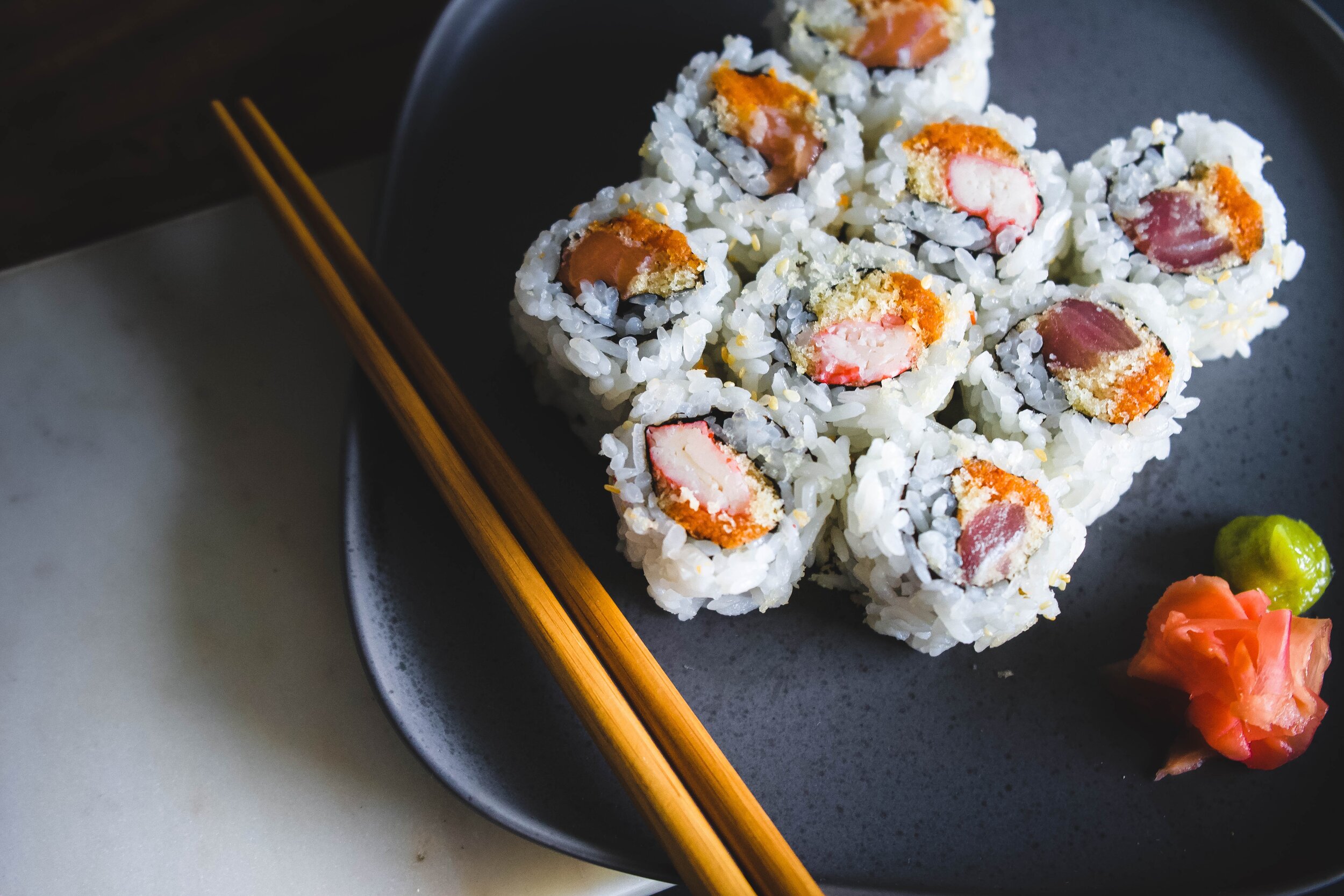
- Cooked Rolls: Look for rolls containing fully cooked ingredients like tempura shrimp, eel (unagi), cooked chicken, or smoked salmon (ensure it’s heated thoroughly).
- Vegetable Rolls: Avocado, cucumber, carrot, sweet potato, and asparagus rolls are always safe and delicious options.
- Edamame, Miso Soup, and Seaweed Salad: These are excellent appetizers that are almost universally safe and nutritious.
- Inari: Sweet fried tofu pockets filled with sushi rice, a delightful vegetarian choice.
These options allow you to partake in the sushi experience without compromising safety.
Broader Dietary Considerations During Pregnancy and Travel
While our focus has been on the California roll, it’s beneficial to broaden the perspective to general food safety during pregnancy, particularly when traveling or exploring new culinary landscapes.
Beyond Sushi: General Food Safety Tips for Pregnant Travelers
- Cook It Well: Ensure all meat, poultry, and fish are thoroughly cooked to their safe internal temperatures.
- Wash Produce: Always wash fruits and vegetables thoroughly, especially if you’re eating them raw.
- Avoid Unpasteurized Products: Steer clear of unpasteurized milk, cheeses (like soft cheeses such as brie, feta, blue cheese, unless specified as made with pasteurized milk), and juices.
- Be Wary of Buffets: Food that has sat out at room temperature for extended periods can be a breeding ground for bacteria.
- Stay Hydrated: Drink plenty of bottled or filtered water, especially when traveling.
- Limit Caffeine and Sugary Drinks: Opt for water or safe herbal teas.
These tips apply whether you are enjoying the vibrant street food scene in Bangkok or a quaint cafe in Rome.
Consulting Your Healthcare Provider
Every pregnancy is unique, and individual health conditions can vary. Before making significant dietary changes or if you have specific concerns, always consult your obstetrician or healthcare provider. They can offer personalized advice based on your health history and the specifics of your pregnancy. This professional guidance is invaluable for peace of mind.
Embracing Culinary Experiences Safely
Pregnancy doesn’t mean you have to put your culinary adventures on hold. With careful consideration and informed choices, you can continue to explore and enjoy a wide array of foods. The California roll, with its cooked imitation crab and fresh vegetables, is often a safe and satisfying option for expectant mothers craving sushi. By understanding ingredients, prioritizing hygiene, and communicating with restaurant staff, you can safely indulge in this popular dish and many other delightful meals. Embrace the joy of food, connect with local cultures through their cuisine, and savor every moment of your pregnancy journey, one delicious and safe bite at a time.
LifeOutOfTheBox is a participant in the Amazon Services LLC Associates Program, an affiliate advertising program designed to provide a means for sites to earn advertising fees by advertising and linking to Amazon.com. Amazon, the Amazon logo, AmazonSupply, and the AmazonSupply logo are trademarks of Amazon.com, Inc. or its affiliates. As an Amazon Associate we earn affiliate commissions from qualifying purchases.