
The allure of exotic pets is undeniable, often fueled by images of unique creatures forming unconventional bonds with humans. Among these, the fox stands out: a captivating canid known for its striking appearance, intelligence, and a mischievous charm that often prompts the question, “Can I own a fox?” For residents of California, a state renowned for its diverse ecosystems and progressive environmental policies, the answer to this question is deeply rooted in complex legal frameworks and ethical considerations surrounding wildlife. This article delves into the intricacies of fox ownership in the Golden State, offering a comprehensive look at the regulations, challenges, and alternatives for those drawn to these fascinating animals.
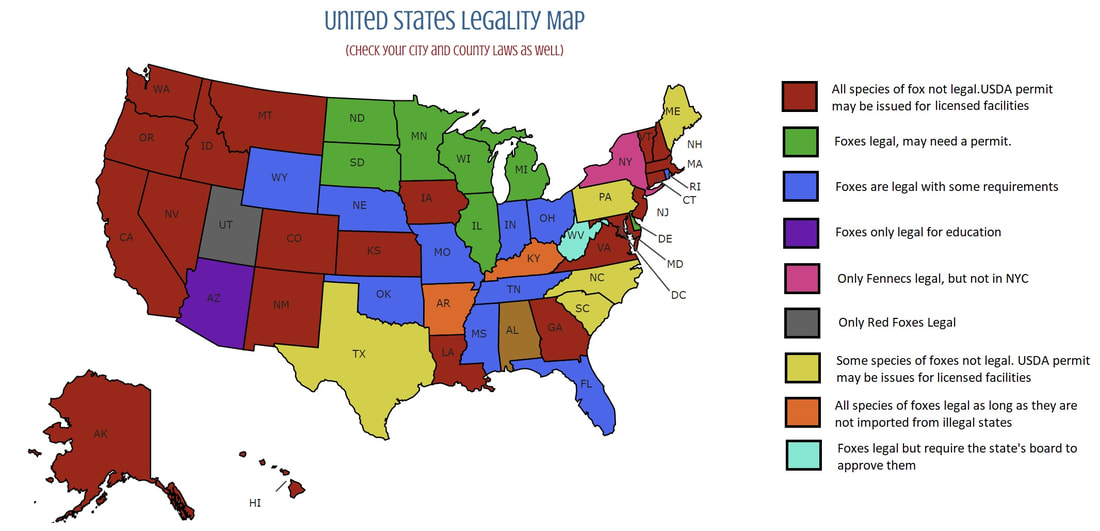
The Legal Landscape of Fox Ownership in California
California’s approach to wildlife is among the strictest in the United States, prioritizing the protection of native species and ecosystems. When it comes to exotic animals, the state maintains a firm stance, largely prohibiting their private ownership to prevent ecological damage, protect public safety, and ensure animal welfare.
California’s Strict Wildlife Laws
At the heart of California’s wildlife regulations is the California Department of Fish and Wildlife (CDFW). The CDFW is tasked with managing the state’s fish and wildlife resources, a responsibility that includes regulating the possession of wild animals. Under the California Fish and Game Code, specifically Title 14, Section 671, foxes are classified as restricted species. This categorization means they are generally prohibited from being imported, transported, or possessed without a special permit.
The rationale behind these stringent laws is multifaceted. Firstly, wild animals, even those bred in captivity, retain their wild instincts. They can pose a significant threat to public safety through bites, scratches, or the transmission of zoonotic diseases. Secondly, the escape of non-native species into California’s delicate ecosystems can have devastating consequences, introducing diseases to native wildlife, competing for resources, or preying on vulnerable populations. Thirdly, California aims to discourage the exotic pet trade, which often involves unethical breeding practices, illegal trafficking, and contributes to the decline of wild populations globally.
Exotic Animal Permits and Prohibitions
For most individuals, obtaining a permit to own a fox in California is an almost impossible feat. The CDFW issues permits only under very specific circumstances, primarily for legitimate scientific, educational, or exhibition purposes by accredited institutions like zoos, universities, or wildlife rehabilitation centers. These permits are not granted for personal pet ownership. Applicants must demonstrate extensive knowledge of the species, adequate facilities that meet stringent welfare standards, and a clear, justifiable purpose for possessing the animal that aligns with the state’s conservation goals.
Furthermore, it’s not just about owning a fox; it’s also about importing or transporting one. Even if a fox were legally acquired in another state where ownership is permitted, bringing it into California would still be subject to the CDFW’s regulations. Attempting to bypass these laws can result in severe penalties, including hefty fines, confiscation of the animal, and even imprisonment. The legal framework is designed to be a significant deterrent for anyone considering private fox ownership.
Federal Regulations and Interstate Commerce
Beyond state laws, federal regulations also play a role, particularly concerning the commercial trade and transportation of exotic animals across state lines. The United States Department of Agriculture (USDA) regulates certain aspects of animal welfare under the Animal Welfare Act (AWA), especially for facilities that breed, sell, or exhibit animals. While the AWA sets minimum standards for animal care, it primarily focuses on commercial entities rather than individual pet owners. However, any fox originating from a breeder or dealer must comply with USDA licensing requirements, adding another layer of complexity and regulation to the process, even if the destination state permitted ownership. This interplay of state and federal laws solidifies the difficulty of legally owning a fox.
Understanding the Challenges of Fox Ownership
Even in places where fox ownership is legal, prospective owners quickly discover that these animals are vastly different from domesticated dogs or cats. Their wild nature presents unique and often insurmountable challenges for private individuals.
Welfare Concerns for Captive Foxes
Ensuring the proper welfare of a captive fox is an immense undertaking. Foxes have complex needs that are difficult, if not impossible, to meet in a typical home environment. They require expansive outdoor enclosures that allow for digging, climbing, and exploration, mimicking their natural habitats. A small backyard or indoor space is entirely inadequate for their physical and mental well-being. Without proper enrichment, foxes can develop severe behavioral issues, including pacing, self-mutilation, and aggression. Their diet, too, is specialized, consisting of a variety of meats, insects, and plant matter, far beyond what can be provided by commercial pet food. A lack of appropriate nutrition can lead to serious health problems.
Behavioral Traits and Domestication
Despite the romanticized notion of a domesticated fox, these animals retain strong wild instincts. They are naturally wary of humans and can be unpredictable. Unlike dogs, which have been selectively bred over thousands of years for companionship and cooperation with humans, even hand-reared foxes can exhibit behaviors that are challenging in a domestic setting. They are nocturnal or crepuscular, meaning they are most active at dawn, dusk, or night, which can disrupt a human household. They also possess a distinctive musky odor, which can be quite potent and is difficult to eliminate. Furthermore, foxes are highly intelligent and curious, leading to destructive behaviors such as chewing furniture, digging up floors, or escaping from seemingly secure enclosures. Their powerful jaws and sharp claws can inflict considerable damage.

Veterinary Care and Specialized Needs
Finding veterinary care for a fox is another significant hurdle. Most veterinarians are trained to treat common domestic animals and lack the expertise and resources to care for exotic species like foxes. Specialized exotic animal veterinarians are rare and often costly. Foxes require specific vaccinations, parasite control, and emergency care that differs from traditional pets. The financial burden of specialized veterinary care, combined with the costs of constructing and maintaining appropriate enclosures and providing a specialized diet, can be exorbitant, often far exceeding the financial capacity of the average pet owner.
The Myth of the “Domesticated” Fox and Ethical Considerations
The idea of a “domesticated” fox often brings to mind the famous Russian Fox Experiment, which, while groundbreaking, is frequently misunderstood. This misunderstanding, coupled with ethical concerns, underscores why private ownership remains problematic.
The Russian Fox Experiment
The Russian Fox Experiment, initiated in the 1950s by Soviet geneticist Dmitry Belyayev, aimed to replicate the domestication process observed in dogs. Over decades, silver foxes were selectively bred for tameness, demonstrating that certain traits associated with domestication (like floppy ears, curly tails, and reduced fear of humans) could be achieved through focused breeding. However, it’s crucial to understand what this experiment didn’t achieve. The foxes, while tamer, are not fully domesticated in the same way a dog is. They still retain many wild instincts, require specialized care, and are not suitable for typical household pet ownership. Furthermore, the experiment was conducted under controlled scientific conditions, not for mass pet production, and obtaining one of these specific foxes is virtually impossible for a private individual, especially in California.
Ethical Sourcing and Wildlife Trafficking
The desire for exotic pets inadvertently fuels the illegal wildlife trade, a multi-billion-dollar industry that often involves horrific cruelty to animals. Many exotic pets are poached from the wild, subjected to inhumane conditions during transport, and sold to individuals who are unprepared for their complex needs. Even when foxes are captive-bred, ethical concerns persist regarding the conditions of breeding facilities, the potential for genetic defects from poor breeding practices, and the fundamental question of whether a wild animal should be kept as a pet. California’s strict laws are, in part, a response to these global ethical issues, aiming to prevent the state from becoming a market for illegally or unethically sourced animals.
The Impact on Local Ecosystems
One of the most significant ethical considerations, and a driving force behind California’s regulations, is the potential impact of escaped exotic animals on local ecosystems. An escaped fox, particularly a non-native species, can quickly become an invasive species. It could outcompete native wildlife for food and territory, disrupt food chains, or introduce diseases to vulnerable native populations. This ecological threat extends beyond foxes to any non-native species. California’s diverse and unique biodiversity makes it particularly vulnerable to such disruptions, hence the proactive approach to preventing the introduction of potentially harmful species.
Alternatives to Private Fox Ownership in California
While direct private ownership of a fox in California is largely prohibited and ethically complex, there are numerous responsible and rewarding ways to appreciate and interact with these magnificent creatures.
Supporting Wildlife Sanctuaries and Rescues
Instead of attempting to own a fox, consider supporting organizations dedicated to their welfare. Wildlife sanctuaries and rescue organizations in California and beyond provide safe, species-appropriate homes for animals that cannot be released back into the wild, often due to injury or having been illegally kept as pets. By donating, adopting (symbolically), or volunteering your time, you contribute directly to the care and rehabilitation of foxes and other wildlife, ensuring they live fulfilling lives in environments tailored to their needs.
Volunteering and Educational Programs
For those who crave a more hands-on experience, volunteering at accredited wildlife rehabilitation centers or zoos can offer invaluable opportunities. Organizations like the California Wildlife Center or others across the state often rely on volunteers to help with animal care, enclosure maintenance, and educational outreach. These roles provide a chance to learn about foxes from experts, understand their behaviors, and contribute to their well-being without the legal or ethical burdens of private ownership. Educational programs at such institutions also offer insights into native fox species, fostering appreciation and understanding.
Experiencing Foxes Responsibly
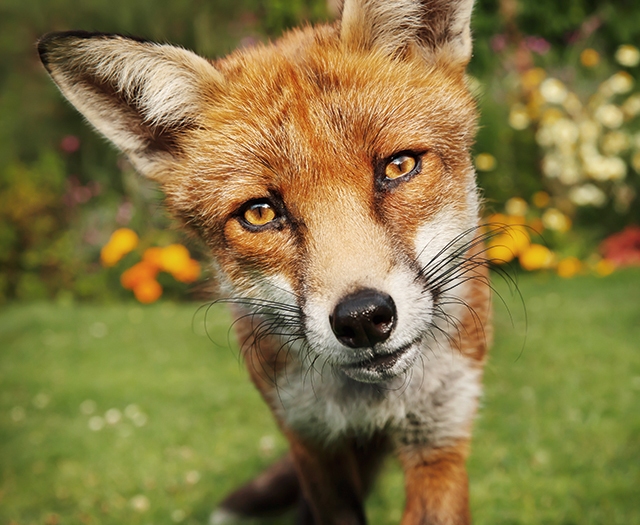
Many accredited zoos and wildlife parks across California provide opportunities to observe foxes in carefully managed environments. The San Diego Zoo, the Los Angeles Zoo, and the San Francisco Zoo often house various fox species as part of their conservation and educational efforts. Visiting these institutions allows you to see foxes up close, learn about their biology and conservation status, and support organizations that contribute to wildlife protection. These experiences offer a responsible and ethical way to engage with these captivating animals, satisfying the curiosity without compromising welfare or breaking the law.
In conclusion, while the idea of owning a fox in California might be appealing, the reality is that it is both legally prohibited and deeply problematic from an ethical and welfare standpoint. California’s stringent laws are a testament to the state’s commitment to protecting both its unique ecosystems and the animals themselves. Instead of pursuing private ownership, individuals passionate about foxes are encouraged to explore responsible avenues for appreciation and support, contributing to the well-being of these incredible creatures and the preservation of our natural world.
LifeOutOfTheBox is a participant in the Amazon Services LLC Associates Program, an affiliate advertising program designed to provide a means for sites to earn advertising fees by advertising and linking to Amazon.com. Amazon, the Amazon logo, AmazonSupply, and the AmazonSupply logo are trademarks of Amazon.com, Inc. or its affiliates. As an Amazon Associate we earn affiliate commissions from qualifying purchases.