
The idea of owning an exotic pet often conjures images of unique companionship and a touch of the wild brought into one’s home. Among the myriad of captivating creatures, otters, with their playful demeanor, sleek fur, and undeniable charm, have surged in popularity across social media platforms, leading many to ponder: “Can you own an otter in California?” This question, while seemingly simple, opens a complex discussion rooted in animal welfare, state regulations, and the fundamental responsibilities of pet ownership. For those considering integrating such a unique animal into their lifestyle, understanding the legal landscape and the profound commitment involved is paramount. This article delves into the realities of otter ownership in the Golden State, offering insights into its legalities, ethical implications, and practical challenges, firmly placing the discussion within the broader context of responsible lifestyle choices.
The Allure of Otters: Why the Fascination?
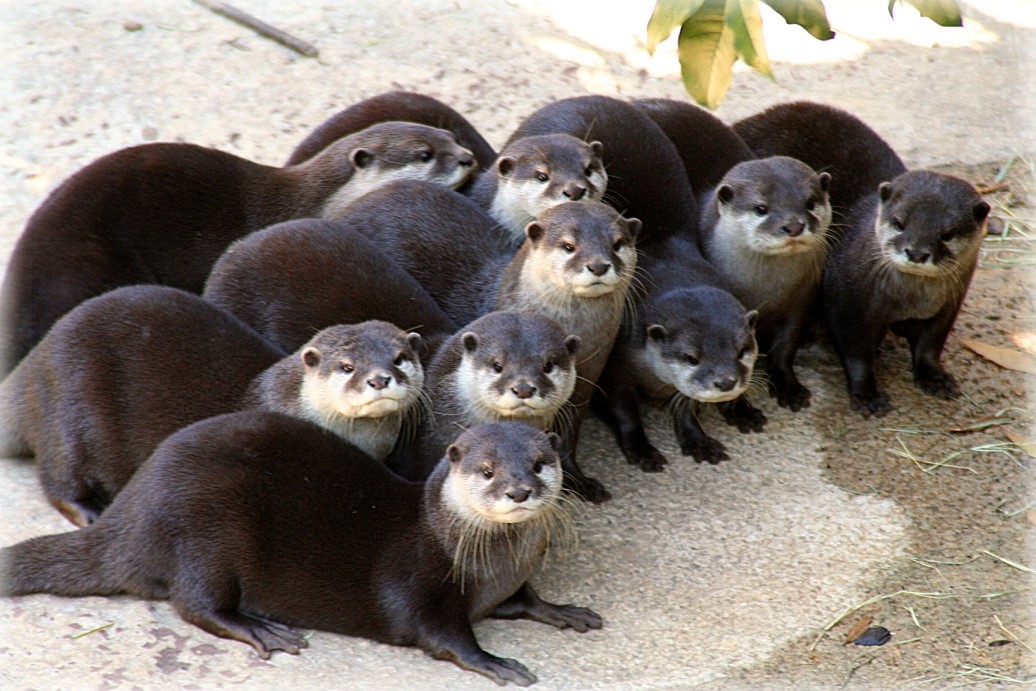
Otters are undeniably charismatic. Their aquatic acrobatics, intelligent eyes, and seemingly perpetual joy have endeared them to millions globally. From viral videos of otters holding hands to their playful antics with enrichment toys, these creatures exude a charm that makes them highly desirable as companions for many. However, the online portrayal often simplifies or misrepresents the true nature and needs of these wild animals, fostering a dream that diverges significantly from reality.
Understanding Otter Species
Globally, there are 13 species of otters, each with unique characteristics and habitat requirements. In North America, the North American River Otter (Lontra canadensis) is the most prevalent, commonly found in rivers, lakes, and coastal areas, including parts of California. Other species, such as the Asian Small-clawed Otter (Aonyx cinereus), often appear in the exotic pet trade due to their smaller size, though they are still far from “small” or “easy” pets. Each species has distinct dietary needs, social structures, and environmental preferences that are incredibly difficult, if not impossible, to replicate in a typical domestic setting. Their natural behaviors, such as scent marking, digging, and constant access to clean water, are innate and not easily suppressed or redirected.
The Myth vs. Reality of Otter Companionship
The myth of an otter as a cuddly, docile pet is largely perpetuated by filtered online content. In reality, otters are wild animals, not domesticated pets like dogs or cats. They possess strong instincts for hunting, foraging, and establishing complex social hierarchies. As they mature, their playful nipping can become painful bites, and their natural curiosity can lead to destructive behaviors within a home environment. Otters are also highly vocal, employing a range of barks, chirps, and whistles that can be disruptive in a residential setting. Their intelligence, while captivating, also means they require constant mental and physical stimulation that far exceeds what most private owners can provide. The perceived cuteness often overshadows the immense responsibility and specialized knowledge required to care for them appropriately.
Navigating California’s Strict Exotic Pet Laws
When it comes to exotic pet ownership, California is known for having some of the most stringent regulations in the United States. The state prioritizes wildlife conservation and public safety, making it exceptionally difficult, and often illegal, to own wild or exotic animals as pets. This strict approach is designed to protect both native wildlife populations from potential disease transmission or habitat disruption and to ensure the welfare of the animals themselves, preventing them from ending up in unsuitable private homes.
The California Department of Fish and Wildlife and Prohibited Species
The central authority overseeing exotic pet ownership in the state is the California Department of Fish and Wildlife (CDFW). Under California Code of Regulations, Title 14, Section 671, otters (Family Mustelidae, Genus Lontra, Enhydra, Aonyx, Lutra, Pteronura) are explicitly listed as “prohibited species.” This means it is illegal to import, transport, or possess an otter in California without a specific permit. These regulations apply equally across the state, from bustling urban centers like Los Angeles and San Francisco to more rural communities. The law makes no distinction between otter species, encompassing all of them under the prohibited category. The primary reasons for this prohibition include concerns about public safety (otters can inflict serious bites), the potential introduction of diseases to native wildlife, and the high likelihood of animal neglect due to the specialized care they require.
Permits, Exemptions, and the Role of Rehabilitation Centers
While outright private ownership of otters is generally forbidden, there are extremely limited exceptions, primarily for accredited zoological institutions, scientific research facilities, and licensed wildlife rehabilitation centers. These entities must obtain special permits from the California Department of Fish and Wildlife, demonstrating they have the necessary expertise, facilities, and resources to care for otters humanely and safely. For instance, a facility like the Marine Mammal Center in Sausalito might be permitted to rehabilitate injured wild otters, but they are not permitted for private ownership. Obtaining such a permit is an arduous process that demands rigorous adherence to federal and state standards, including those set by the Federal Animal Welfare Act (AWA). For the average individual, securing a permit to own an otter for personal reasons is virtually impossible and legally not allowed. Attempting to circumvent these laws can lead to severe penalties, including hefty fines, confiscation of the animal, and even imprisonment.
The Ethical and Practical Considerations of Otter Ownership
Beyond the legalities, prospective exotic pet owners must confront a host of ethical and practical challenges. Even if it were legal, the decision to own an otter carries significant responsibilities that extend far beyond simply providing food and shelter. It’s a lifestyle choice that demands immense dedication, resources, and a deep understanding of animal welfare.
Complex Dietary and Habitat Needs

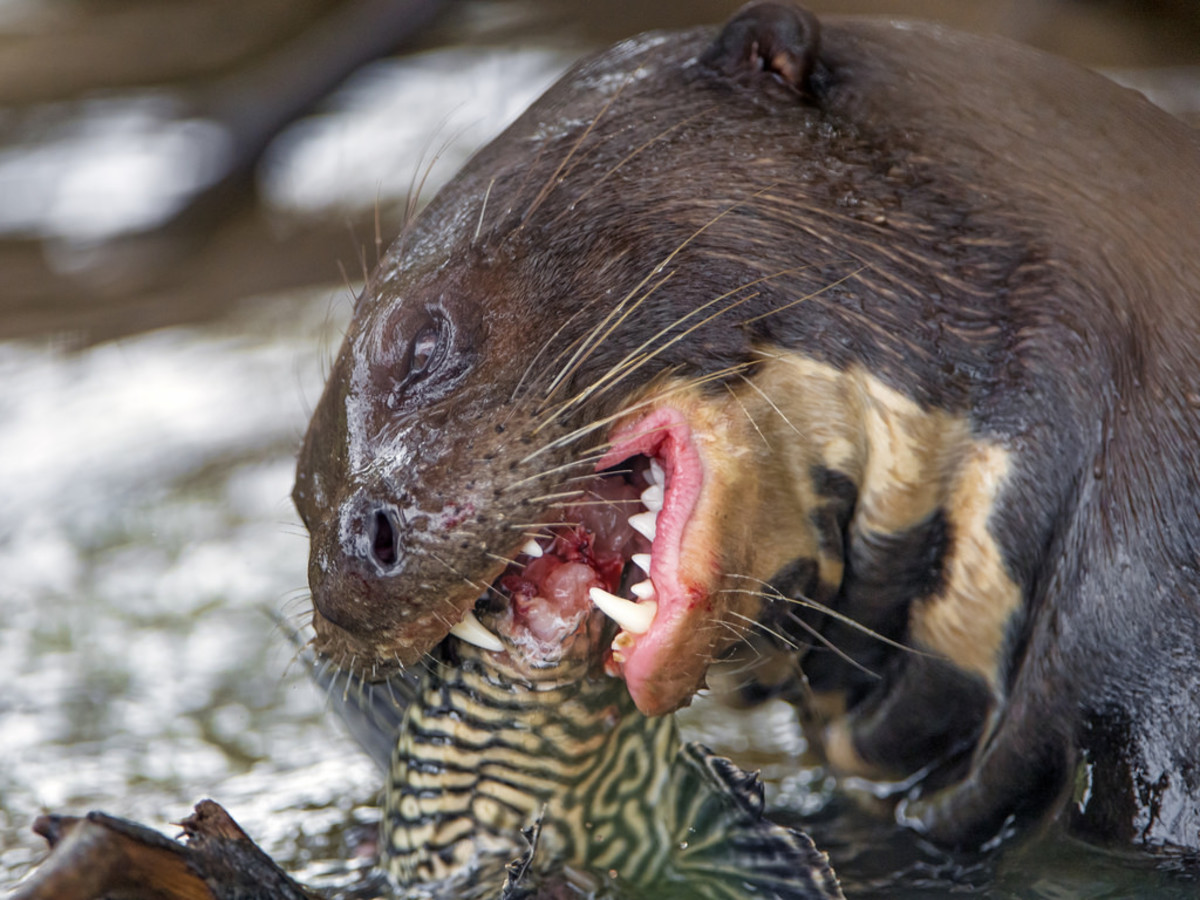
Otters are semi-aquatic carnivores with highly specialized dietary needs. Their natural diet consists primarily of fish, crustaceans, frogs, and other small aquatic animals. Replicating this diet in captivity requires a constant supply of fresh, high-quality, and varied prey, which can be expensive and difficult to source. Simply feeding them pet store kibble is inadequate and detrimental to their health. Furthermore, otters require extensive access to clean, fresh water for swimming, grooming, and defecating. A typical backyard pool is often unsuitable due to chlorine levels, and maintaining a dedicated, large, filtered aquatic environment is a costly and labor-intensive endeavor. They also need ample land area for digging, playing, and resting, as well as a den for shelter. Confining an otter to a small enclosure or a home without proper aquatic access is a form of cruelty that can lead to severe stress, illness, and behavioral issues.
Social Structures and Behavioral Challenges
Most otter species are highly social animals, living in family groups in the wild. Depriving an otter of appropriate social interaction with other otters can lead to loneliness, anxiety, and behavioral problems. While they may bond with human caregivers, this human interaction cannot fully replace the complex social dynamics they experience with their own species. Otters also have powerful scent glands, which they use to mark territory, and they are not litter-trainable in the conventional sense. Their natural instincts include scent-marking, digging, and exploring, which can be highly destructive to a typical home environment. These behaviors are not signs of defiance but rather innate expressions of their wild nature, impossible to fully suppress without causing significant distress to the animal.
Health Risks and Veterinary Care
Finding a veterinarian qualified to treat otters is another significant hurdle. Most general practice vets are not equipped or trained to handle exotic animals, let alone specialized semi-aquatic carnivores. Owners would need access to a veterinarian with extensive experience in exotic and wildlife medicine, which can be scarce and expensive, particularly in emergencies. Otters are also susceptible to various diseases, some of which can be transmitted to humans (zoonotic diseases), and vice-versa. Regular preventative care, specialized vaccinations, and prompt treatment for illnesses are crucial, yet incredibly challenging to provide without expert veterinary support.
The Long-Term Commitment and Financial Burden
Owning an otter is a commitment that can easily span 15-20 years. Throughout this time, the financial costs associated with their care are astronomical. This includes the initial (and illegal) acquisition cost, specialized enclosure construction and maintenance, continuous supply of a proper diet, frequent vet visits, enrichment items, and potential property damage. It’s not uncommon for annual costs to run into thousands or even tens of thousands of dollars. Many individuals who acquire exotic pets impulsively often find themselves overwhelmed by the financial and practical demands, leading to neglect, abandonment, or the animal being surrendered to already overburdened rescue facilities. This is a cruel outcome for any animal and a significant ethical concern.
What Are the Alternatives for Otter Enthusiasts?
For those genuinely captivated by otters and committed to their well-being, there are numerous responsible and rewarding ways to engage with these fascinating creatures without contributing to the illegal exotic pet trade or subjecting an otter to an unsuitable captive life. These alternatives promote conservation, support animal welfare, and offer enriching experiences that align with a compassionate lifestyle.
Supporting Conservation Efforts
One of the most impactful ways to express admiration for otters is to support organizations dedicated to their conservation in the wild. Many reputable non-profits work tirelessly to protect otter habitats, reduce pollution, and mitigate threats like illegal hunting. Organizations such as the International Otter Survival Fund or local wildlife trusts focusing on California’s native river otters rely on public support. Donating, participating in fundraising events, or simply spreading awareness about these organizations contributes directly to the survival and flourishing of otter populations in their natural environments.
Volunteering at Wildlife Sanctuaries
For a more hands-on experience, volunteering at accredited wildlife sanctuaries or rehabilitation centers is an excellent option. Facilities like the Monterey Bay Aquarium or specific wildlife rescue operations in California may offer opportunities to assist with animal care, habitat maintenance, or educational programs. While direct interaction with otters might be limited due to safety protocols and the focus on minimal human imprinting for wild animals, these roles provide invaluable insights into their care and contribute significantly to their welfare. It offers a unique chance to observe these animals in environments designed for their well-being, under the guidance of experienced professionals.
Educational Programs and Zoos
Visiting reputable zoos and aquariums that house otters, such as the San Diego Zoo, the Aquarium of the Pacific in Long Beach, or the Oakland Zoo, provides an opportunity to observe them up close in professionally managed environments. These institutions often participate in conservation breeding programs and offer educational initiatives that highlight the importance of protecting otters and their habitats. Engaging with these programs can deepen one’s understanding of otter biology and behavior, foster a greater appreciation for wildlife, and encourage responsible environmental stewardship, all within a legal and ethical framework. Many also offer “behind-the-scenes” tours or keeper talks that provide further insight into the daily lives of these animals and the dedicated care they receive.
Conclusion: Responsible Pet Ownership in the Golden State
The dream of owning an otter in California, while appealing to the heart, is simply not feasible or responsible. The state’s robust legal framework, championed by the California Department of Fish and Wildlife, unequivocally prohibits private ownership of otters for valid reasons rooted in animal welfare, public safety, and environmental protection. Beyond the legal barriers, the ethical and practical challenges of providing an otter with the highly specialized diet, extensive habitat, complex social interaction, and expert veterinary care it requires are immense, often insurmountable for individuals.
A truly compassionate and responsible lifestyle choice dictates that wild animals, particularly those with complex needs like otters, belong in the wild or in accredited facilities equipped to meet their specific requirements. For otter enthusiasts, channeling that passion into supporting conservation efforts, volunteering at wildlife sanctuaries, or engaging with educational programs at reputable zoos offers a much more sustainable and impactful way to appreciate these magnificent creatures. By choosing these responsible avenues, individuals can contribute to the long-term well-being and survival of otters, ensuring that their playful spirit continues to thrive in appropriate environments for generations to come.
LifeOutOfTheBox is a participant in the Amazon Services LLC Associates Program, an affiliate advertising program designed to provide a means for sites to earn advertising fees by advertising and linking to Amazon.com. Amazon, the Amazon logo, AmazonSupply, and the AmazonSupply logo are trademarks of Amazon.com, Inc. or its affiliates. As an Amazon Associate we earn affiliate commissions from qualifying purchases.