
California, a beacon of innovation and progressive policy, has long captivated the imagination of professionals seeking new opportunities and a vibrant lifestyle. From tech startups in Silicon Valley to creative industries in Los Angeles, the Golden State promises a dynamic environment. However, as cannabis laws have evolved, a critical question for many aspiring residents and current employees arises: “Do jobs still test for weed in California?” This isn’t just a legal query; it’s a lifestyle consideration that impacts career choices, professional freedom, and the overall experience of living and working in this unique state. Understanding the nuances of California’s cannabis and employment laws is essential for navigating the modern workplace and ensuring your professional journey aligns with your personal lifestyle. The landscape of drug testing for cannabis has undergone significant transformation, moving from a relatively straightforward practice to a complex legal and ethical dilemma for many employers. As the state continues to lead the charge in cannabis reform, its employment policies are reshaping what it means to be a professional in the 21st century.
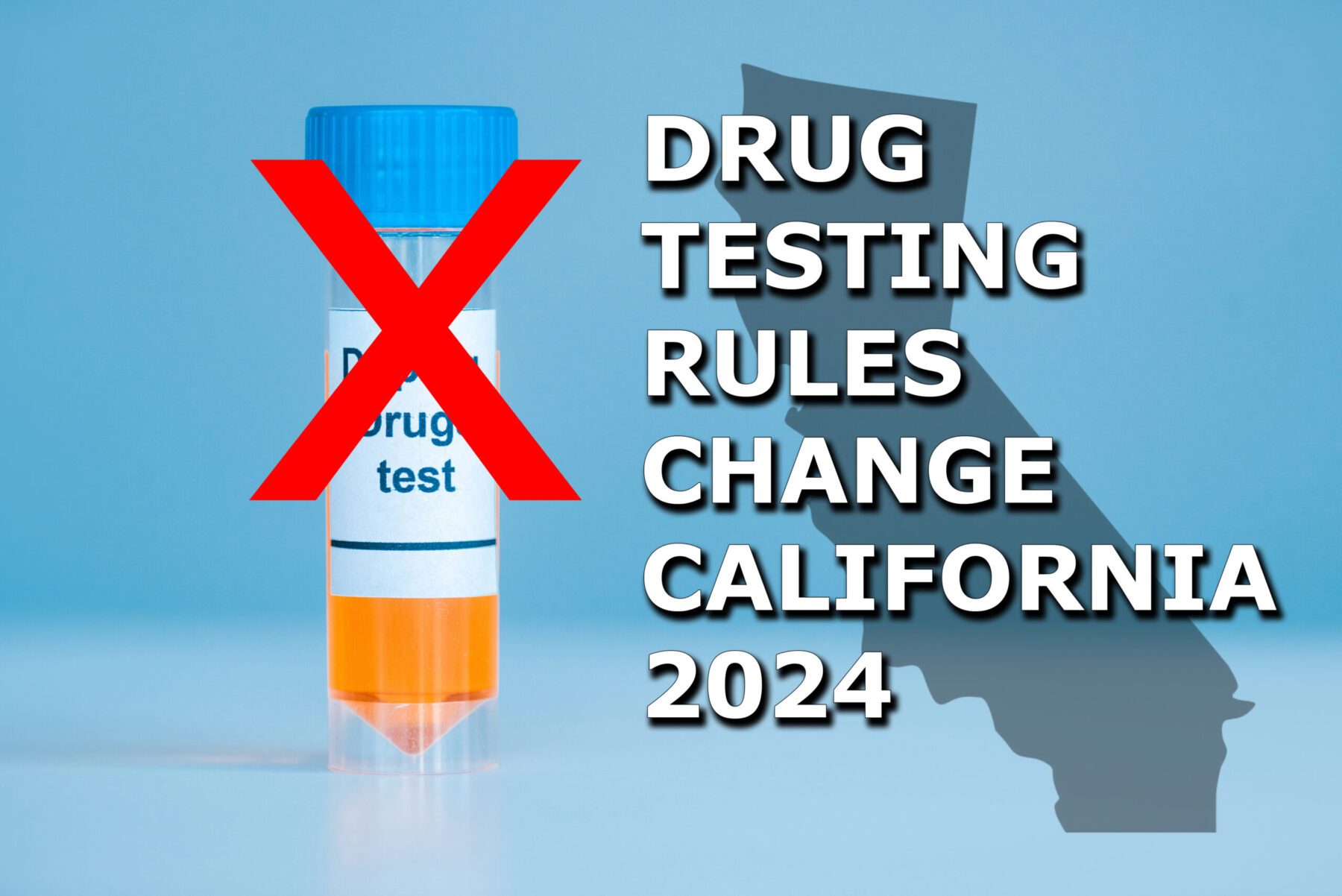
California’s Evolving Cannabis Landscape: A Shift in Lifestyle & Employment
The journey of cannabis in California is a testament to its forward-thinking ethos. From being the first state to legalize medical cannabis in 1996 with Proposition 215, to embracing recreational adult-use cannabis with Proposition 64 in 2016, California has consistently been at the forefront of cannabis reform. These legislative milestones have not only created a booming industry but have also profoundly influenced the daily lives and professional prospects of millions. The perception and acceptance of cannabis have shifted dramatically, moving from a stigmatized substance to a legally regulated product, akin to alcohol, for many adults. This cultural and legal evolution has naturally spilled over into the workplace, challenging traditional employment practices and prompting a re-evaluation of what constitutes acceptable conduct for employees outside of working hours.
From Prohibition to Permissibility
For decades, a positive cannabis test was often an automatic disqualifier for employment, regardless of when or where the consumption occurred. This strict stance was rooted in federal prohibition and widespread societal stigma. However, with the legalization of recreational cannabis, the legal framework began to create a disconnect: it was legal to consume cannabis, but doing so could still cost you your job. This paradox fueled a push for greater worker protections, arguing that off-duty, legal cannabis use should not impact employment unless it directly impaired job performance. The argument gained traction that drug tests primarily detecting non-psychoactive cannabis metabolites, which can remain in the system for weeks, do not indicate current impairment but rather past use. This distinction became central to legislative efforts aimed at safeguarding employee rights and aligning workplace policies with the state’s broader cannabis laws.
The Legislative Push for Worker Protections
The growing recognition of this disparity culminated in significant legislative action. California legislators began to address the issue head-on, aiming to harmonize employment law with the reality of legal cannabis use. These efforts sought to protect employees from adverse employment actions based solely on detecting cannabis metabolites that do not indicate active impairment. The goal was to ensure that individuals pursuing a lifestyle that includes legal, off-duty cannabis consumption would not face discrimination in the job market, fostering a more inclusive and contemporary professional environment reflective of California’s progressive values. This legislative movement signaled a significant shift, redefining the boundaries of employer oversight concerning an employee’s personal life and choices, and directly impacting the lifestyle considerations of professionals across the state.
Decoding the New Norm: What AB 2188 and SB 700 Mean for Job Seekers
The legislative landscape for cannabis testing in California underwent a monumental change with the passing of Assembly Bill 2188 and subsequently Senate Bill 700. These bills represent a significant leap forward in worker protections and have fundamentally altered how employers can screen for cannabis. Effective January 1, 2024, these laws largely prohibit employers from discriminating against job applicants or employees based on off-the-job cannabis use. This means a positive test for cannabis metabolites, which do not indicate current impairment, can no longer be the sole basis for denying employment, firing, or taking other adverse employment actions. For job seekers, this creates a new sense of security and freedom regarding their personal lifestyle choices, aligning with the broader cultural acceptance of cannabis in California. It’s crucial to understand the specifics of these laws to navigate the modern job market effectively.
Distinguishing Impairment from Prior Use
At the heart of AB 2188 and SB 700 is the distinction between detecting non-psychoactive cannabis metabolites and evidence of current impairment. Traditional drug tests, such as urine tests, detect metabolites that can remain in a person’s system for days or even weeks after use. These metabolites do not indicate that a person is currently under the influence or impaired. The new laws aim to prevent discrimination based on these historical indicators. Instead, employers are encouraged to use testing methods that actually detect the presence of tetrahydrocannabinol (THC), the psychoactive compound in cannabis, and only if it indicates recent use that could impair performance. Such methods might include oral fluid tests or hair follicle tests designed to identify recent consumption rather than residual metabolites. This shift is vital for fostering a professional lifestyle where personal choices outside of work hours are respected, provided they do not impact workplace safety or productivity.
The Limits and Loopholes for Employers
While these laws offer substantial protections, they are not without limitations. Employers are still permitted to prohibit employees from possessing, being impaired by, or using cannabis during work hours or on the job site. This means employers can still take action if an employee is demonstrably impaired at work, behaves in a manner that suggests recent use, or violates specific workplace policies regarding cannabis consumption during work time. The key is the on-the-job aspect. Furthermore, these new protections do not apply to all types of employment. Several significant exceptions exist, meaning certain sectors and positions remain subject to traditional drug testing protocols. Understanding these nuances is critical for both employees and employers to ensure compliance and avoid potential legal pitfalls. The progressive changes in California’s laws empower many professionals but also demand a clear understanding of the boundaries that still exist in the workplace.
Who is Still Testing? Exceptions to the Rule
Despite California’s progressive stance on cannabis and worker protections, the answer to whether jobs still test for weed isn’t a simple “no.” Several significant exceptions mean that certain industries and positions remain subject to cannabis testing, largely due to federal regulations or inherent safety concerns. For individuals considering a professional lifestyle in California, it’s crucial to identify these sectors, as they may require adherence to different standards. These exceptions highlight the complex interplay between state and federal law, as well as the paramount importance of public safety in specific roles. Navigating these exceptions requires careful consideration of one’s career path and the regulatory environment governing their chosen profession.
Federal Regulations and Safety-Sensitive Roles
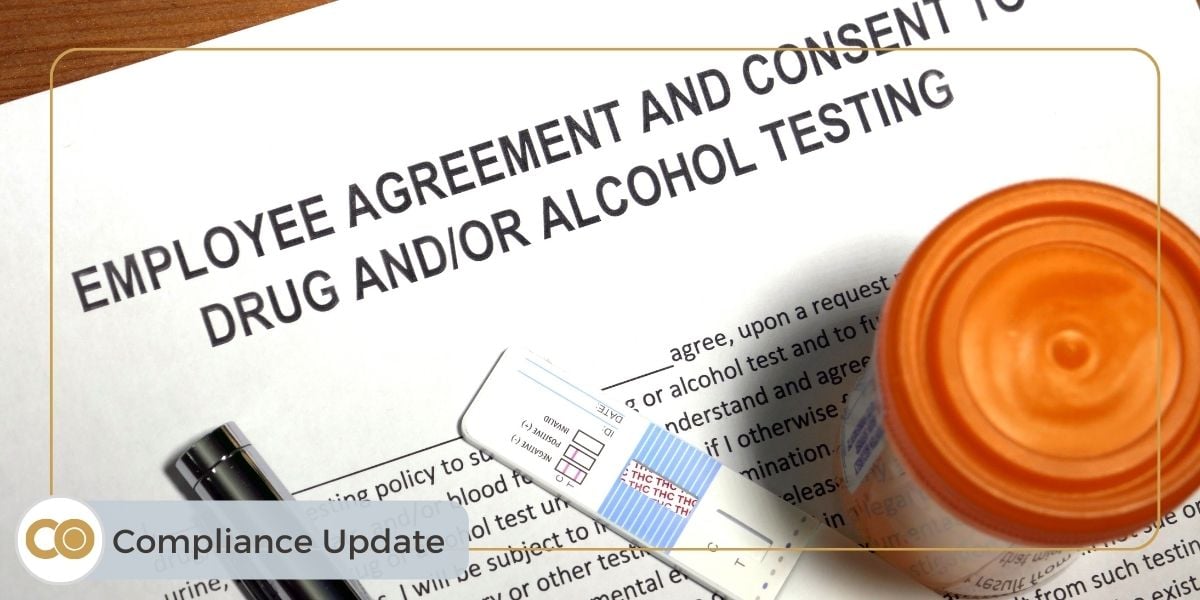
The most significant exception to California’s new laws stems from federal regulations. Cannabis remains illegal at the federal level, classified as a Schedule I controlled substance. This means that any employer subject to federal drug testing mandates, such as those governed by the U.S. Department of Transportation (DOT), must continue to test for cannabis. This applies to workers in transportation (truck drivers, pilots, bus drivers), certain government contractors, and other roles where federal law explicitly requires drug testing. These positions are often designated as “safety-sensitive” roles, where impairment could pose a direct threat to public safety. For individuals in these professions, the California state laws regarding cannabis testing offer no protection, and a positive test for cannabis can still lead to adverse employment action. This distinction is critical for anyone whose professional lifestyle involves federally regulated industries.
Employers Exempt from State Protections
Beyond federal mandates, California’s new laws also contain exemptions for specific types of employers and positions. For instance, those who require federal government background checks or security clearances may still be subject to cannabis testing. Furthermore, employees in the building and construction trades are explicitly exempted from AB 2188 and [SB 700](https://lifeoutofthebox.com/sb-700]’s protections. This exemption reflects unique safety considerations within these industries, where operating heavy machinery or working in hazardous environments necessitates a zero-tolerance policy for any potential impairment. Moreover, some employers may still implement post-accident or reasonable suspicion drug testing if there is a belief that an employee is impaired while on duty. These specific carve-outs mean that while the general rule in California has shifted, a significant portion of the workforce still operates under the traditional drug testing paradigm. Understanding these exemptions is vital for making informed career choices and adapting one’s professional lifestyle to the specific demands of their industry.
Navigating the Job Market: Advice for a Modern California Professional Lifestyle
For professionals seeking opportunities in California, understanding the nuances of the state’s cannabis testing laws is paramount. The shift in legal framework creates a more accommodating environment for many, but it also necessitates a proactive approach to job searching and career management. Adapting one’s professional lifestyle to these evolving norms involves diligent research, clear communication, and a commitment to professional conduct. Whether you’re a long-time resident or considering relocating for a “business stay” or a new career, being informed about company policies and legal protections will empower you to make confident decisions and thrive in California’s dynamic job market.
Understanding Company Policies
Even with the new state laws, company policies can vary significantly. While employers generally cannot use a pre-employment test for non-psychoactive cannabis metabolites as a basis for denying employment, they can still have policies against on-duty impairment or possession. It is always prudent for job seekers to inquire about a prospective employer’s drug testing policies, particularly for specific roles or industries that might fall under exemptions. Reviewing employee handbooks, asking discreetly during the interview process (if appropriate), or consulting HR departments can provide clarity. Understanding these policies before accepting a position ensures alignment with your personal lifestyle choices and avoids future misunderstandings. For instance, a tech company in San Francisco might have a different approach than a manufacturing plant in the Central Valley. Being informed allows you to choose an employer whose policies are compatible with your professional and personal values.
The Importance of Professional Conduct
Regardless of the legal status of cannabis, maintaining professional conduct remains non-negotiable. California’s new laws protect off-duty, off-site cannabis use, but they do not condone or protect on-duty impairment. Employers still have the right to ensure a safe and productive workplace. This means employees are expected to report to work fit for duty, free from impairment from any substance, including cannabis. Engaging in cannabis use during work hours, on company property, or arriving at work visibly impaired can still lead to disciplinary action, up to and including termination. For any professional, the core principle is to separate personal choices from professional responsibilities. Embrace the freedom these laws offer, but always prioritize your professional integrity and the safety and efficiency of your workplace. This balanced approach is key to a successful professional lifestyle in modern California.
The Broader Impact on California’s Work Culture and Economy
The legislative changes surrounding cannabis testing in California are not merely legal adjustments; they signify a profound shift in the state’s work culture and hold significant implications for its economy. By re-evaluating long-standing employment practices, California is not only protecting individual liberties but also striving to create a more inclusive, attractive, and innovative professional landscape. This progressive approach is poised to influence how businesses operate, how talent is acquired, and how the state positions itself as a global economic leader. Understanding these broader impacts provides context for why these laws are so crucial for shaping the future of professional lifestyle in California.
Attracting Talent and Fostering Innovation
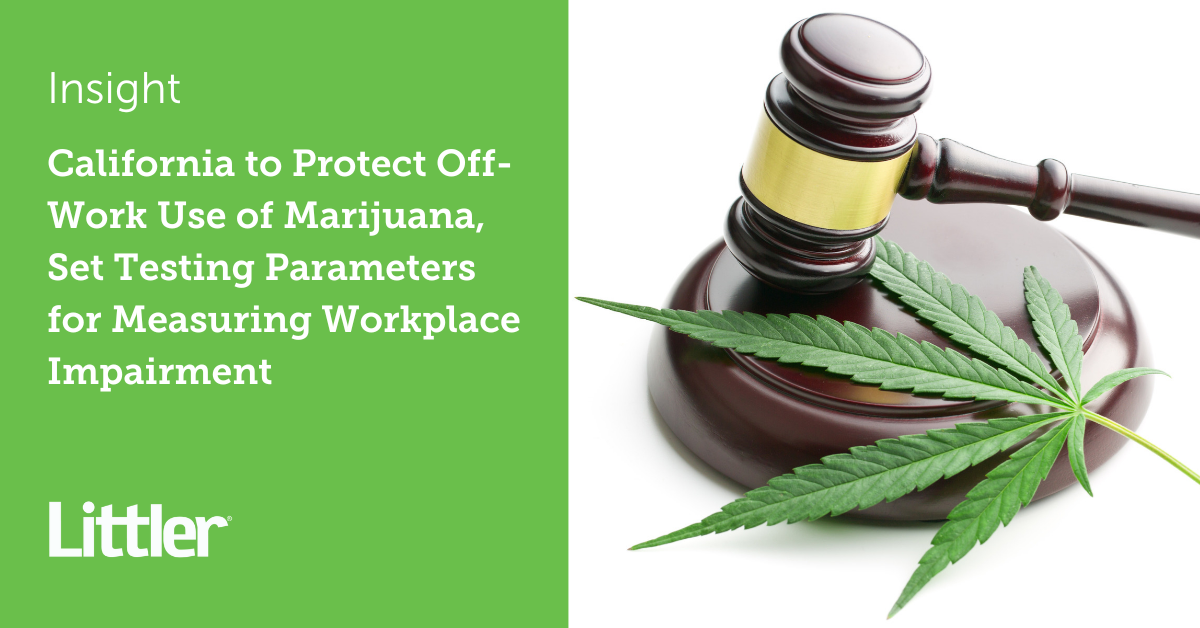
By largely eliminating cannabis metabolite testing for off-duty use, California has removed a significant barrier for many talented individuals seeking employment. This move broadens the talent pool, allowing companies to focus on a candidate’s skills, experience, and potential contribution rather than their off-duty personal choices. For industries striving for innovation and creativity, this inclusive approach can be a powerful draw. It signals a modern, forward-thinking workplace culture that values diversity and respects individual lifestyles, potentially attracting professionals who might otherwise be hesitant to apply in states with stricter drug testing policies. This can particularly benefit the burgeoning cannabis industry itself, as well as tech, media, and other sectors that thrive on progressive values and an open-minded workforce. The ability to attract a wider, more diverse talent pool ultimately strengthens California’s competitive edge on a national and international scale.
A Glimpse into the Future of Work
California’s reforms on cannabis testing are indicative of a larger trend towards more nuanced and employee-centric workplace policies. As more states legalize cannabis, others may look to California as a model for how to integrate these changes into employment law. The emphasis on impairment over mere presence of metabolites represents a more scientific and equitable approach to workplace safety and fairness. This could lead to a future where drug testing is reserved for roles where true impairment poses a direct and immediate safety risk, or when there is reasonable suspicion of on-duty impairment. For professionals, this means a professional lifestyle that offers greater personal autonomy, provided they uphold their responsibilities at work. California’s bold steps are not just about cannabis; they are about redefining the boundaries between an employee’s personal life and their professional obligations, setting a new standard for the modern workplace.
In conclusion, the answer to “Do jobs still test for weed in California?” is complex but largely positive for many professionals. With AB 2188 and SB 700, the state has significantly curtailed an employer’s ability to discriminate based on off-duty cannabis use. However, crucial exceptions exist for federally regulated positions, safety-sensitive roles, and certain industries. For anyone building a professional lifestyle in California, understanding these laws, company policies, and maintaining impeccable professional conduct remains key to success. California continues to lead the way in crafting a progressive work environment that respects individual liberties while upholding workplace safety and productivity, shaping a truly modern professional landscape.
LifeOutOfTheBox is a participant in the Amazon Services LLC Associates Program, an affiliate advertising program designed to provide a means for sites to earn advertising fees by advertising and linking to Amazon.com. Amazon, the Amazon logo, AmazonSupply, and the AmazonSupply logo are trademarks of Amazon.com, Inc. or its affiliates. As an Amazon Associate we earn affiliate commissions from qualifying purchases.