
Venturing into California, whether for a fleeting vacation or a more permanent relocation, invariably brings up questions about the cost of living and transacting within the state. Among the most common financial inquiries is, “Does California have a sales tax?” The straightforward answer is an emphatic yes. Understanding California’s sales tax is not merely a bureaucratic detail; it’s a fundamental aspect of budgeting, financial planning, and comprehending the economic landscape that shapes everyday life and travel experiences across the Golden State. For anyone considering the vibrant lifestyle California offers, from exploring its iconic cities to enjoying its diverse culinary scene, grasping the nuances of its sales tax is essential for informed financial decisions.
Understanding California’s Sales Tax Landscape
California’s sales tax system is a multi-layered structure designed to fund various public services and infrastructure projects across the state. It’s a consumption tax, meaning it’s levied on the purchase of tangible goods and certain services, paid by the consumer at the point of sale. Unlike some other states that might rely more heavily on income or property taxes, sales tax plays a significant role in California’s revenue generation, directly impacting the final price of nearly everything from groceries to luxury items.
The Statewide Rate and Its Implications
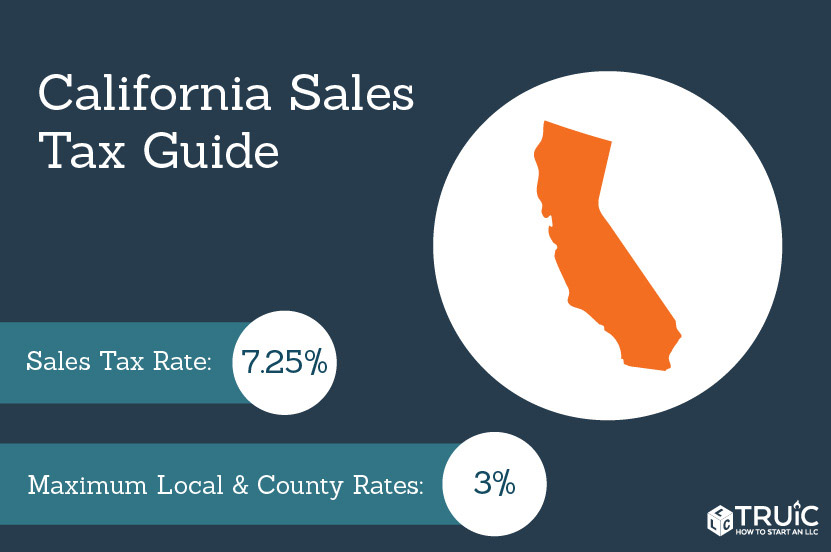
As of early 2024, the statewide base sales tax rate in California stands at 7.25%. This rate is among the highest base sales tax rates in the United States. However, it’s crucial to understand that this 7.25% is just the starting point. This base rate is comprised of several components: a statewide general fund portion, a local public safety fund, and local transportation funds.
For residents and travelers alike, this statewide rate impacts a vast array of purchases. When you buy clothing, electronics, furniture, or a new car, this 7.25% is applied to the price of the item. For businesses, accurately collecting and remitting this tax is a legal requirement, making sales tax compliance a significant operational consideration. From a budget travel perspective, a higher base rate means that every dollar spent on taxable goods will incur a substantial additional cost, requiring careful planning to avoid overspending.
How Sales Tax Differs from Other Taxes
It’s important to distinguish sales tax from other forms of taxation that travelers and residents encounter. Income tax, for instance, is levied on earnings and is a separate calculation often withheld from paychecks or paid annually. Property tax, conversely, is assessed on real estate ownership and is typically paid to local governments.
Sales tax, by contrast, is transaction-based. You pay it only when you make a purchase of a taxable item. This distinction is vital for budgeting. While you might not earn income or own property in California as a short-term visitor, you will almost certainly pay sales tax on most goods you buy. Understanding this difference helps in managing daily expenses and anticipating the true cost of items beyond their sticker price. For instance, the price tag on a souvenir in San Francisco will not include the sales tax, which will be added at checkout.
What Travelers and Residents Need to Know About Sales Tax
For anyone spending time in California, whether enjoying the beaches of Santa Monica or exploring the vineyards of Napa Valley, knowing what is and isn’t subject to sales tax is key to financial planning. This knowledge empowers consumers to make smarter purchasing decisions and accurately estimate their expenses.
Goods and Services Subject to Sales Tax
The vast majority of tangible personal property sold in California is subject to sales tax. This includes, but is not limited to:
- Retail Goods: Clothing, electronics, appliances, furniture, books, sporting goods, toys, and souvenirs.
- Prepared Food: Meals purchased at restaurants, cafes, food trucks, and even pre-made deli items from grocery stores that are intended for immediate consumption. This is a common point of confusion for travelers, as many states exempt all food. In California, “hot prepared food products” and cold prepared food products sold for consumption on the seller’s premises are generally taxable.
- Vehicles: New and used cars, motorcycles, and other vehicles are subject to sales tax, which can be a significant amount for larger purchases.
- Certain Services: While most services are generally exempt, some services are taxable if they result in the creation of a tangible product. For example, fabrication labor, repair parts, and installation charges can sometimes be subject to sales tax.
For those planning to furnish a temporary apartment or purchase items for a long-term stay, remembering to factor in the sales tax on all these goods is crucial. This is particularly relevant for individuals moving to California and setting up a new household, where multiple large purchases can accumulate significant sales tax costs.
Exemptions to Be Aware Of
While extensive, California’s sales tax is not universal. Several important exemptions exist that can impact budgeting, especially for daily necessities:
- Most Unprepared Food: The most significant exemption for daily living is most food products purchased for home consumption. This includes raw ingredients, fresh produce, packaged groceries, and non-alcoholic beverages bought from grocery stores, supermarkets, or farmers’ markets. This distinction is vital for budget travelers who might opt to cook some meals to save money, as these ingredients will not be taxed.
- Prescription Medicine: Prescription drugs and certain medical devices are exempt from sales tax.
- Periodicals: Newspapers and magazines are generally exempt.
- Resale Purchases: Businesses that purchase goods for resale are exempt from paying sales tax on those items, provided they have a valid seller’s permit. This ensures that sales tax is only applied at the final point of sale to the end consumer.
Understanding these exemptions can help both residents and visitors manage their budgets more effectively. Prioritizing home-cooked meals using untaxed groceries, for example, can lead to substantial savings over time compared to consistently dining out where prepared food is subject to sales tax.
Local Variations: Beyond the State Rate
The 7.25% statewide sales tax rate is merely the foundation. What truly impacts the final price you pay are the various local sales tax add-ons that can significantly increase the total rate depending on where in California you make your purchase. These local taxes are a critical component of California’s fiscal structure, allowing counties and cities to fund their specific needs.
City and County Add-ons
In addition to the state rate, counties and cities in California have the authority to impose their own district sales taxes. These local taxes are typically approved by voters and are designated for specific purposes, such as funding local transportation projects, public safety initiatives, or specific community improvements.
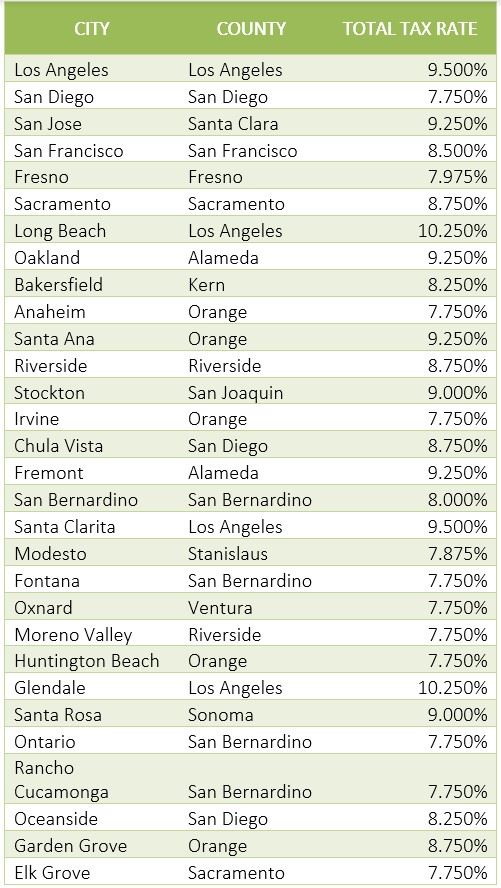
These district taxes stack on top of the statewide rate. This means that while the state’s portion remains constant, the total sales tax rate you pay will vary considerably from one city or county to another. A purchase made in one part of Los Angeles County might have a different effective sales tax rate than an identical purchase made in Orange County, even if the base price of the item is the same. This localized variation adds a layer of complexity for both consumers and businesses.
Examples of Varying Rates Across California Cities
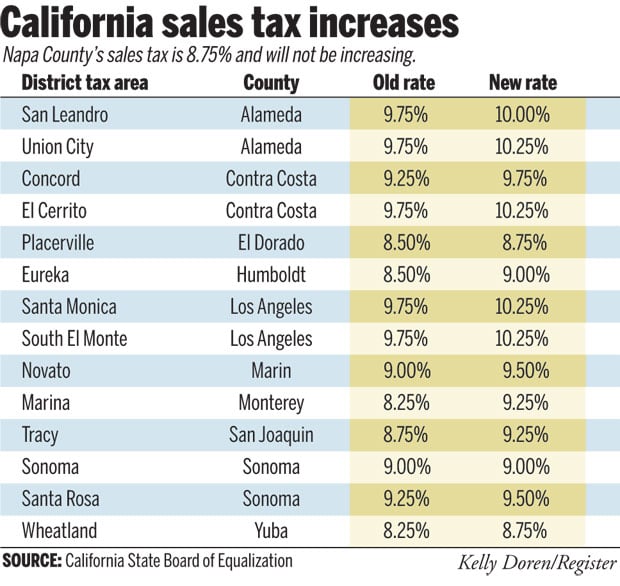
The range of total sales tax rates across California can be substantial, often fluctuating between approximately 7.25% (in areas with no local add-ons) and over 10%. Here are a few illustrative examples, keeping in mind that these rates can change due to new local measures:
- Sacramento: As the state capital, Sacramento typically has a higher combined sales tax rate due to various local measures, often around 8.75%.
- San Francisco: This major metropolitan area historically has one of the higher sales tax rates in the state, often hovering around 8.625% to 8.75%. This impacts everything from dining out to shopping in popular districts.
- Los Angeles County: The base rate for Los Angeles County is generally 9.5%, though some specific cities within the county, like Beverly Hills or Santa Monica, might have additional district taxes that push the rate even higher. This means a shopping spree in Beverly Hills could incur a significant sales tax bill.
- San Diego: As another major city, San Diego typically sees a combined rate of around 7.75% to 8.25%, depending on the specific district, making it slightly lower than Los Angeles or San Francisco in many instances.
For travelers, being aware of these local differences can influence purchasing decisions. A high-value purchase might be slightly cheaper (in terms of tax) if bought in a county with a lower combined rate, though the practicality of such a strategy depends on travel plans. For residents, it’s simply a fact of life that impacts nearly every consumer transaction.
Budgeting for Sales Tax in Your California Lifestyle
Understanding California’s sales tax is more than just knowing a number; it’s about integrating this knowledge into your financial planning. Whether you’re a tourist planning a short trip or someone considering making California your home, sales tax will be a recurring factor in your expenses.
Practical Tips for Travelers
For visitors, sales tax can be an unwelcome surprise if not accounted for. Here are some tips to manage it:
- Always Assume Tax: When looking at prices, especially for prepared food, souvenirs, or other goods, always assume that the sales tax will be added at checkout. Budget an extra 8-10% (or even higher in some cities like Los Angeles) on top of the listed price to avoid sticker shock.
- Embrace Grocery Stores: To save money, consider buying groceries for home consumption (e.g., sandwiches, snacks, beverages) from supermarkets. These items are generally exempt from sales tax, unlike prepared meals from restaurants.
- Track Major Purchases: If you plan on making any significant purchases, like electronics or designer items, remember that the sales tax will add a substantial amount to the total. Factor this into your shopping budget.
- Check Local Rates: Before visiting a specific city, a quick online search for its current combined sales tax rate can provide a more accurate picture of potential costs.
Long-term Financial Planning for Residents
For those calling California home, sales tax becomes an ongoing consideration in household budgeting:
- Factor into Monthly Spending: Sales tax isn’t just for big purchases. It adds up on daily items, from coffee to household supplies. Build it into your monthly spending estimates for various categories.
- Major Purchases: When saving for large items like a new car, furniture, or home appliances, always include the applicable sales tax in your savings goal. The tax on a $40,000 vehicle, for example, could be an additional $3,000-$4,000, depending on the local rate.
- Business Considerations: If you’re starting a business in California, understanding sales tax collection and remittance is paramount for compliance and accurate pricing of your goods.
- Stay Informed: Sales tax rates can change. Local ballot measures can introduce new district taxes or modify existing ones. Staying informed about local tax initiatives in your city or county is prudent for long-term financial stability.
In conclusion, California unequivocally has a sales tax, and it’s a significant component of the state’s financial ecosystem. From the statewide base rate to the diverse array of local add-ons, understanding these nuances is crucial for navigating the cost of living and enjoying the rich lifestyle that California offers, whether for a fleeting visit or a lifelong residency. By factoring sales tax into your financial plans, you can ensure a more predictable and enjoyable experience in the Golden State.
LifeOutOfTheBox is a participant in the Amazon Services LLC Associates Program, an affiliate advertising program designed to provide a means for sites to earn advertising fees by advertising and linking to Amazon.com. Amazon, the Amazon logo, AmazonSupply, and the AmazonSupply logo are trademarks of Amazon.com, Inc. or its affiliates. As an Amazon Associate we earn affiliate commissions from qualifying purchases.