
Understanding the legal landscape of self-defense is a fundamental aspect of informed living, impacting residents and visitors alike across the United States. For those considering a move to California, planning an extended stay, or simply seeking to comprehend the nuances of personal safety within its borders, the concept of the “Castle Doctrine” often arises. This principle, deeply rooted in the right to self-preservation, grants individuals the right to use force, including deadly force, to protect themselves or others within their home without a duty to retreat. But how does this translate into the sun-drenched, diverse state of California? Delving into California’s specific statutes reveals a nuanced approach that, while similar in spirit, operates under its own distinct legal framework. For anyone valuing their safety and peace of mind as a core aspect of their lifestyle, grasping these legal distinctions is paramount.
Understanding Self-Defense Laws in a Lifestyle Context
The concept of self-defense is a universal human right, but its legal interpretation varies significantly from one jurisdiction to another. The “Castle Doctrine” is a common law legal principle that designates a person’s abode or any legally occupied place (such as a vehicle or workplace) as a place in which that person has the right to protect themselves against intruders, free from legal prosecution for the use of force. This doctrine essentially removes the “duty to retreat” when one is confronted with a threat within their own home. Instead of having to try and escape danger, an individual is legally permitted to stand their ground and use necessary force, even deadly force, if they reasonably believe it is required to prevent serious injury or death.
From a lifestyle perspective, this doctrine profoundly influences how individuals perceive their security and autonomy within their personal space. For homeowners, renters, or even those staying in temporary accommodations in California, understanding these laws is crucial for responsible living. It informs decisions about personal safety measures, emergency preparedness, and the fundamental sense of security one feels within their dwelling. For families, individuals, and even businesses operating within their own premises, knowing the boundaries of legal self-defense is not merely a legal technicality; it’s an integral component of their daily existence and overall quality of life. Without this knowledge, individuals might either overreact or underreact in a critical situation, with potentially severe legal or personal consequences.
California’s Approach: Presumption of Reasonableness
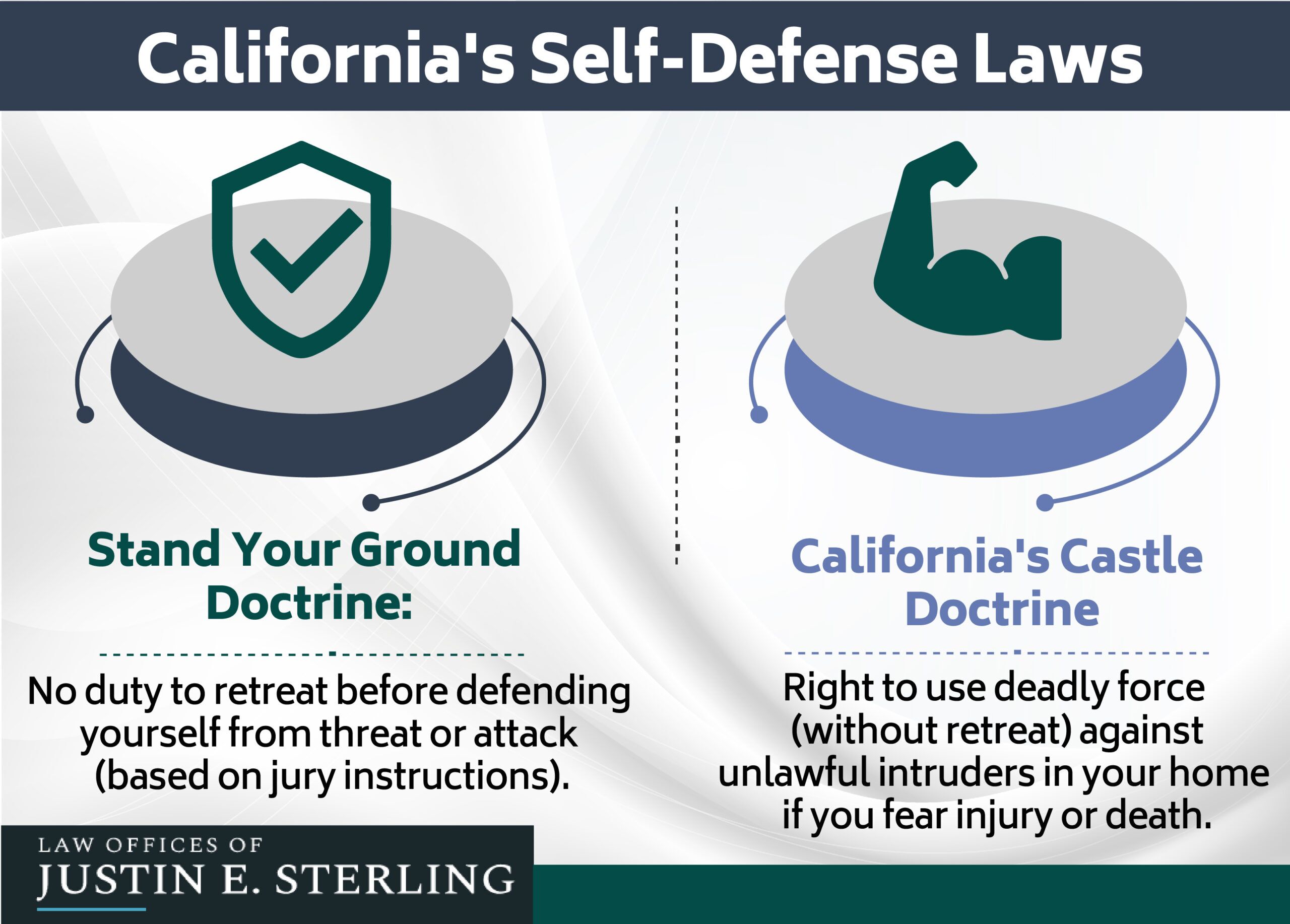
While California does not explicitly refer to a “Castle Doctrine” statute by name, its laws incorporate a similar principle known as “presumption of reasonableness.” This is often understood as California’s version of the Castle Doctrine. Under California Penal Code Sections 198.5 and 197, a person is presumed to have held a reasonable fear of imminent death or great bodily injury when they use deadly force against an intruder who unlawfully and forcibly enters their habitation. This presumption is vital because it shifts the burden: instead of the defender having to prove their fear was reasonable, the law presumes it was. This significantly strengthens the legal position of an individual defending their home.
This “presumption of reasonableness” means that if an intruder breaks into your home, you generally do not have a duty to retreat. You are legally justified in using force, up to and including deadly force, if you reasonably believe it is necessary to protect yourself or another occupant from death or serious harm. This principle extends to preventing the commission of a felony within the dwelling. It’s important to note that this is a presumption, which can, in rare circumstances, be rebutted by evidence. However, in most legitimate cases of home invasion and self-defense, it provides a strong legal shield for the defender.
Distinguishing from “Stand Your Ground”
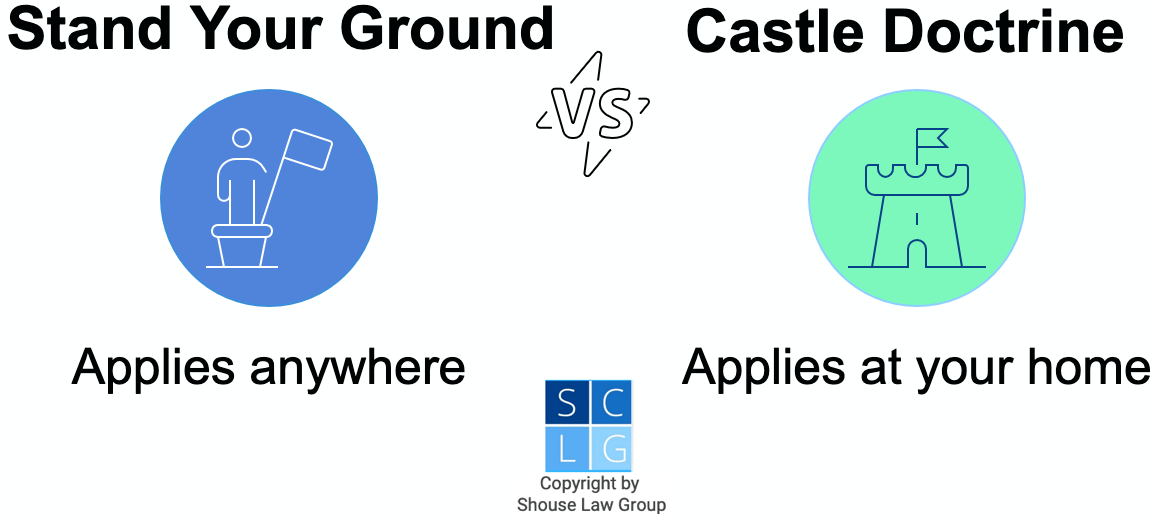
It’s also essential to differentiate California’s approach from broader “Stand Your Ground” laws found in some other states. While the Castle Doctrine specifically pertains to one’s dwelling, “Stand Your Ground” laws typically extend the right to use deadly force without a duty to retreat to any place where a person has a legal right to be, such as in public spaces. California is not generally considered a “Stand Your Ground” state in this broader sense. Outside of one’s home or certain other defined locations, if confronted with a threat in a public place, California law generally requires an individual to retreat if possible, provided that retreat can be safely accomplished. This distinction is paramount for understanding personal safety and legal responsibilities outside the home, a crucial aspect for those living an active lifestyle in California’s diverse environments, from the bustling streets of Los Angeles to the serene trails of its national parks.
When and Where Does It Apply? Interpreting “Dwelling” and “Reasonable Fear”
The scope of California’s presumption of reasonableness is primarily tied to the concept of a “habitation” or “dwelling.” This typically refers to an inhabited building, a mobile home, or even a lawfully occupied hotel room or apartment where people reside. This means that if you are traveling and staying in a hotel or a rented vacation property in California, your rights to self-defense within that temporary residence are largely protected under the same principles. The law generally recognizes that a person’s immediate living space, whether permanent or temporary, is their sanctuary.
However, the application isn’t limitless. The use of force must be based on a “reasonable fear” of imminent death or great bodily injury. This is a subjective and objective test: the defender must genuinely believe they are in danger, and a reasonable person in the same situation would also believe they are in danger. This excludes scenarios where force is used out of vengeance, anger, or a perceived threat that lacks actual danger. For instance, if an intruder is merely attempting to steal property without any threat to life, the use of deadly force might not be justified. The law is designed to protect human life, not property at all costs.
Beyond the Home: Vehicles and Workplaces
While the strongest protections are for one’s dwelling, California law also extends certain self-defense rights to other locations. In the context of a person’s vehicle, if an individual is in their car and another person attempts to carjack them or forcibly enter the vehicle with the intent to commit a felony, the driver may be justified in using reasonable force, including deadly force, without a duty to retreat. This is often referred to as the “Motor Vehicle Castle Doctrine” and is a critical consideration for daily commuters and travelers across the state. Similarly, a person’s place of business, particularly one where they reside or spend significant time, might also fall under these protections, although the legal interpretations can be more complex and depend on specific circumstances. Understanding these boundaries is crucial for anyone whose lifestyle involves significant time in these environments.
Implications for Residents and Visitors in California
For individuals who call California home, understanding the presumption of reasonableness is a foundational element of personal safety and civic responsibility. It empowers residents with the knowledge of their rights to defend themselves and their loved ones within their most personal spaces, fostering a sense of security. This knowledge can influence decisions ranging from home security systems to emergency planning for families. For those who choose a lifestyle in California, whether in bustling urban centers like San Francisco or tranquil suburban areas, awareness of these laws contributes to a more confident and informed existence.
For visitors, especially those on extended trips, business stays, or considering relocation, these laws are equally important. Renting a vacation home in Lake Tahoe or an apartment in San Diego means that your temporary dwelling is largely afforded the same protections as a permanent residence. Being aware of these legal provisions can provide peace of mind and help visitors understand their boundaries if an unforeseen security incident occurs. It’s part of being a responsible and informed traveler, ensuring that personal safety considerations are integrated into the travel planning and experience. This understanding forms a crucial part of a lifestyle that prioritizes well-being and legal awareness.

Navigating Self-Defense: Legal Counsel and Best Practices
While California’s self-defense laws offer significant protections, particularly within one’s dwelling, they are complex and subject to interpretation by law enforcement and the courts. The “presumption of reasonableness” is a powerful defense, but it is not absolute. Any use of force, especially deadly force, will inevitably lead to a thorough investigation. Factors such as the perceived threat, the actions of the intruder, and the defender’s own conduct leading up to the incident will all be scrutinized.
Therefore, while understanding these laws is crucial for an informed lifestyle, it is equally important to act responsibly and prudently. The emphasis should always be on de-escalation and avoiding confrontation when safe to do so. Deadly force should always be a last resort, used only when there is a genuine, reasonable fear of imminent death or great bodily injury.
In any situation involving self-defense, especially one leading to the use of force, seeking immediate legal counsel is highly advisable. An attorney specializing in self-defense law can provide guidance, protect your rights, and help navigate the legal aftermath. For those deeply invested in understanding their legal rights for their lifestyle in California, ongoing education on these topics and consultation with legal professionals can provide invaluable clarity and peace of mind. Ultimately, while California may not use the explicit term “Castle Doctrine,” its robust “presumption of reasonableness” within one’s habitation serves a similar purpose, reinforcing the fundamental right to self-defense within one’s sanctuary, a critical aspect of security for any lifestyle.
LifeOutOfTheBox is a participant in the Amazon Services LLC Associates Program, an affiliate advertising program designed to provide a means for sites to earn advertising fees by advertising and linking to Amazon.com. Amazon, the Amazon logo, AmazonSupply, and the AmazonSupply logo are trademarks of Amazon.com, Inc. or its affiliates. As an Amazon Associate we earn affiliate commissions from qualifying purchases.