
The concept of “Stand Your Ground” has become a pervasive, often debated, topic in American legal discourse, shaping perceptions of personal safety and the right to self-defense across the United States. As individuals navigate different states, understanding the nuances of local self-defense laws becomes paramount, not just for residents but also for visitors. The question of whether California, the most populous state known for its progressive policies and diverse communities, adheres to a “Stand Your Ground” philosophy is one that merits a detailed exploration. This article aims to demystify California’s approach to self-defense, contrasting it with the broader “Stand Your Ground” doctrine and outlining the specific legal frameworks that govern the use of force in the Golden State. For anyone living in or traveling through California, understanding these legal intricacies is essential for informed decision-making and personal safety.
Decoding “Stand Your Ground”: A National Overview
To fully grasp California’s position, it’s crucial to first understand what “Stand Your Ground” laws entail. Originating from common law principles, self-defense generally allows individuals to use reasonable force, including deadly force, to protect themselves from imminent threats of serious bodily harm or death. Historically, many jurisdictions incorporated a “duty to retreat,” meaning that if a person could safely avoid a confrontation without using force, they were obligated to do so before resorting to self-defense, especially deadly force.
The Evolution of Self-Defense Legislation
The late 20th and early 21st centuries saw a significant shift in this legal landscape with the widespread adoption of “Stand Your Ground” laws. These statutes eliminate the duty to retreat, empowering individuals to use force, including deadly force, to defend themselves anywhere they have a legal right to be, without first attempting to flee. The core premise is that a person facing a credible threat of violence does not have to sacrifice their safety or dignity by retreating. These laws vary significantly from state to state, impacting everything from permissible locations (public vs. private property) to the burden of proof in self-defense claims. Proponents argue that “Stand Your Ground” laws deter crime and uphold an individual’s right to self-preservation, while critics raise concerns about potential escalations of violence and racial disparities in their application.
Key Characteristics of Stand Your Ground Laws
States with “Stand Your Ground” laws typically share several common characteristics:
- No Duty to Retreat: The most defining feature, removing the obligation to flee from a perceived threat.
- Legal Presumption of Reasonableness: In some states, there’s a legal presumption that a person reasonably feared for their life if an intruder forcibly entered their home or vehicle.
- Immunity from Prosecution: Some “Stand Your Ground” laws provide civil or criminal immunity for individuals who use force in self-defense, preventing them from being arrested, charged, or sued, provided their actions are deemed justified.
This national backdrop sets the stage for examining California’s unique approach, which diverges from the “Stand Your Ground” model in several critical aspects, yet shares commonalities with the traditional understanding of self-defense.
California’s Distinct Stance: No Duty to Retreat in Your Castle
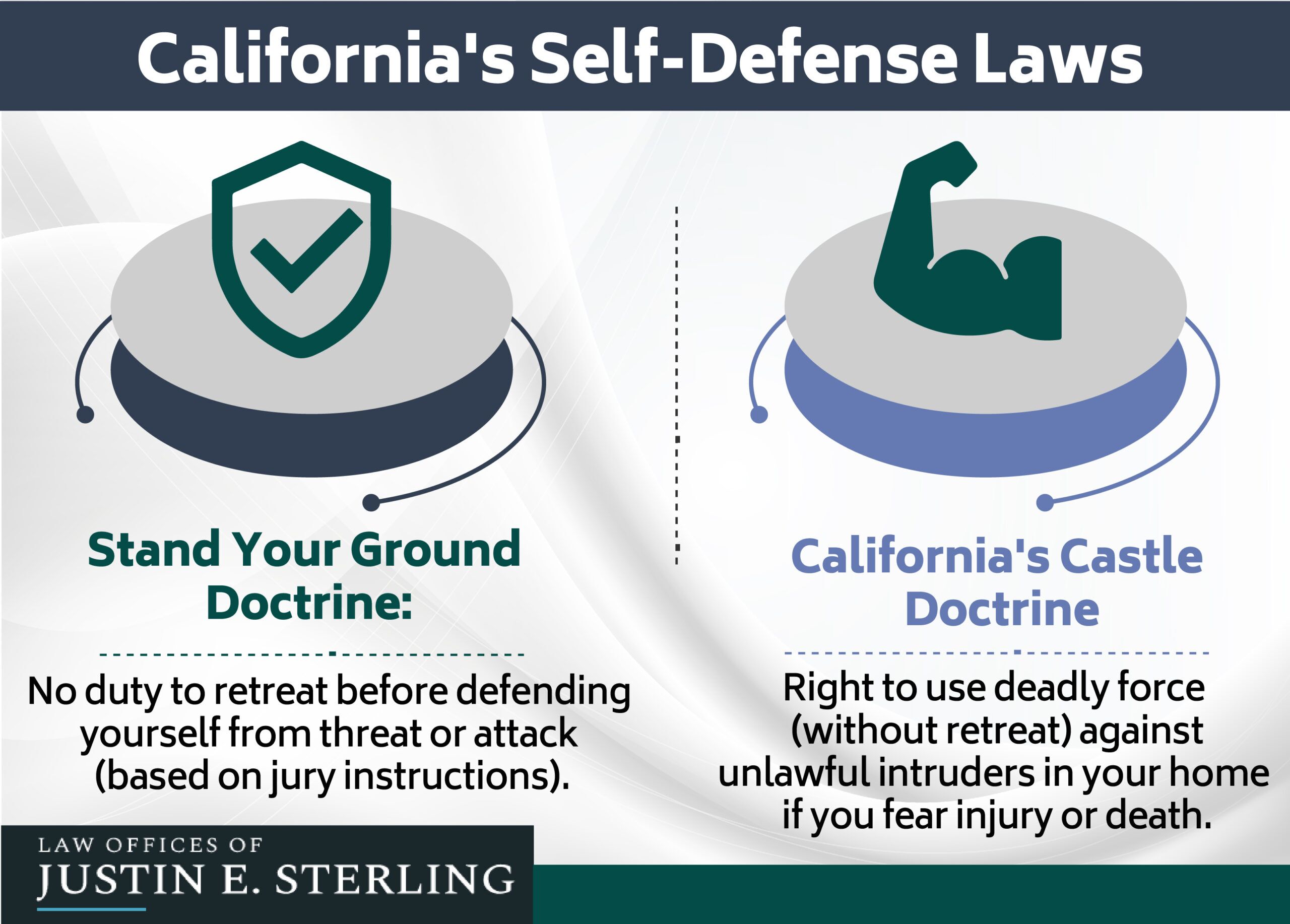
California does not have a “Stand Your Ground” law in the explicit sense that removes a universal duty to retreat in all public spaces. Instead, its self-defense laws are a nuanced combination of common law principles, statutory provisions, and judicial interpretations that emphasize the concept of “reasonable belief” and, crucially, incorporate a strong “Castle Doctrine.”
The Absence of a Universal “Stand Your Ground” Provision
Unlike states that have explicitly adopted “Stand Your Ground” statutes, California law generally implies a duty to retreat if it is safe to do so outside of one’s home. This means that if you are in a public place and faced with a threat, and you can safely escape without using force, California law generally expects you to do so. Failure to retreat when it was reasonably possible could weaken a self-defense claim in court, as the use of force might not be deemed “necessary.”
The critical distinction here is that while you are not legally obligated to retreat if retreat would put you in greater danger, the option to retreat, if safe, is a factor considered by the courts when evaluating the reasonableness of your actions. This places California closer to traditional common law self-defense principles rather than the “no duty to retreat” stance of “Stand Your Ground” states.
The Strong Presence of the Castle Doctrine
Where California significantly strengthens an individual’s right to self-defense is within the confines of their own home or “castle.” The California Penal Code, specifically Section 198.5 (known as the “Home Protection Bill of Rights” or “Castle Doctrine”), provides a legal presumption that a resident is in reasonable fear of death or great bodily injury when an intruder unlawfully and forcibly enters their habitation.
Under California’s Castle Doctrine:
- No Duty to Retreat in Your Home: If you are in your home and an intruder unlawfully and forcibly enters or attempts to enter, you have no duty to retreat and are presumed to reasonably fear for your life or safety. You are legally entitled to use necessary force, including deadly force, to defend yourself, your family, or other occupants.
- Presumption of Fear: The law presumes that if someone breaks into your home, you have a reasonable apprehension of death or great bodily injury. This shifts the burden of proof, making it more challenging for prosecutors to argue that your use of force was unreasonable or unnecessary.
- Applicability: This doctrine applies primarily to one’s residence. While courts have sometimes extended it to vehicles or workplaces in specific circumstances, its strongest application is within the home.
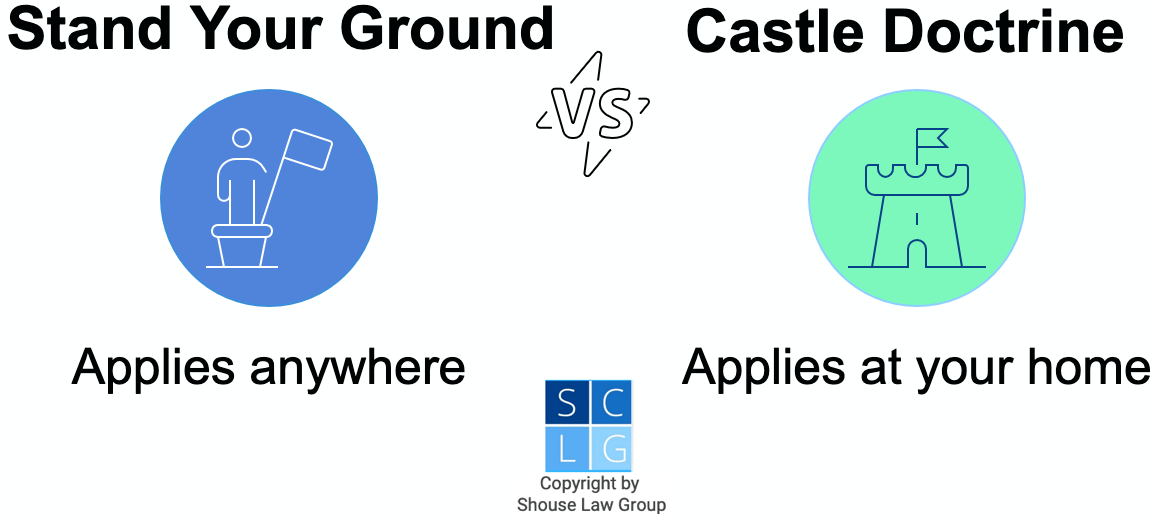
Thus, while California does not embrace a universal “Stand Your Ground” law for all public spaces, it provides robust protections for individuals defending themselves within their homes, effectively making it a “Stand Your Ground” state when it comes to one’s “castle.”
The Nuances of Self-Defense in California Law
Understanding self-defense in California requires delving into several key legal principles beyond just the duty to retreat and the Castle Doctrine. These principles determine the legality of using force and the potential legal ramifications.
Reasonable Belief and Imminent Danger

Central to any self-defense claim in California is the concept of “reasonable belief.” An individual is justified in using force in self-defense if:
- They reasonably believed that they were in imminent danger of suffering bodily injury, battery, or being touched unlawfully.
- They reasonably believed that the immediate use of force was necessary to defend against that danger.
- They used no more force than was reasonably necessary to defend against that danger.
The “reasonableness” of the belief is judged from the perspective of a reasonable person in the same situation. This is an objective standard, meaning it’s not enough for the person to subjectively believe they were in danger; an ordinary person in similar circumstances must also believe the danger was real and immediate.
Proportionate Force
California law mandates that the force used in self-defense must be proportionate to the threat. You cannot use deadly force to repel a non-lethal threat. For instance, using a firearm against someone who is merely verbally threatening you, without any overt act of physical aggression or a weapon, would likely be deemed excessive. The degree of force must be matched to the perceived threat, escalating only as the threat escalates. Using deadly force is generally reserved for situations where there is a reasonable belief of imminent death or serious bodily injury.
Initial Aggressor Rule
Another important caveat is the “initial aggressor” rule. Generally, an individual who provokes a fight or is the initial aggressor cannot claim self-defense unless they first withdraw from the conflict and communicate their intent to do so, and the other party continues the assault. This rule prevents individuals from initiating violence and then claiming self-defense when the victim retaliates.
Practical Implications for Personal Safety and Legal Awareness in the Golden State
For residents and visitors alike, understanding California’s self-defense laws has significant practical implications for personal safety and legal awareness. It shapes how individuals perceive and respond to threats, influencing their actions in potentially dangerous situations.
Understanding Your Rights and Responsibilities
Knowing that California generally expects retreat in public spaces, when safe, is a crucial piece of information. This encourages de-escalation and avoidance of confrontation as primary strategies for personal safety. Conversely, the strong Castle Doctrine provides a clear legal framework for defending oneself and loved ones within the sanctity of one’s home. This distinction guides individuals on when they might be legally justified in using force without fear of legal repercussion versus when they might need to consider other options.
The Importance of Situational Awareness
Given the legal emphasis on reasonable belief and imminent danger, situational awareness becomes paramount. Being aware of your surroundings, identifying potential threats early, and making informed decisions about how to respond can significantly impact the legal defensibility of your actions if force becomes necessary. This includes avoiding situations that could be perceived as provocative or escalatory.
Property Protection vs. Personal Protection
California law places a higher value on human life than on property. While you may use reasonable non-deadly force to protect your property, the use of deadly force solely to protect property is generally not justified. Deadly force is reserved for situations involving a threat of death or serious bodily harm to a person, not merely the loss of possessions. This distinction is vital for understanding the limits of self-defense.
Seeking Clarity: When to Consult Legal Expertise
Navigating the complexities of self-defense law, especially in the aftermath of a potentially life-altering event, requires professional guidance. The specifics of each incident are unique, and their interpretation under the law can vary significantly.
The Role of Legal Counsel
If you ever find yourself involved in a self-defense situation, whether as the person who used force or a witness, consulting with a qualified legal professional in California is imperative. An attorney can:
- Evaluate Your Case: Assess the facts of your situation against California’s self-defense statutes and judicial precedents.
- Advise on Rights: Inform you of your rights and ensure they are protected during any police investigation.
- Represent You in Court: If charges are filed, provide robust legal representation to present a compelling self-defense argument.
- Explain Nuances: Help you understand the finer points of “reasonable belief,” “proportionate force,” and the application of the “Castle Doctrine” to your specific circumstances.
Even seemingly minor details can dramatically alter the legal outcome, making expert legal advice indispensable.
Staying Informed
Laws can change, and judicial interpretations evolve. Staying informed about current self-defense statutes and relevant court decisions in California is part of responsible citizenship, especially for those who prioritize personal safety. While this article provides a general overview, it is not a substitute for legal advice tailored to individual situations.
In conclusion, California does not have a comprehensive “Stand Your Ground” law that eliminates the duty to retreat in all circumstances. However, it strongly upholds the “Castle Doctrine,” granting individuals significant self-defense rights within their homes. Outside the home, the law still generally expects retreat if safe, while always permitting the use of reasonable and proportionate force to counter an imminent threat of harm. Understanding these distinctions is fundamental to personal safety and legal compliance in the Golden State.
LifeOutOfTheBox is a participant in the Amazon Services LLC Associates Program, an affiliate advertising program designed to provide a means for sites to earn advertising fees by advertising and linking to Amazon.com. Amazon, the Amazon logo, AmazonSupply, and the AmazonSupply logo are trademarks of Amazon.com, Inc. or its affiliates. As an Amazon Associate we earn affiliate commissions from qualifying purchases.