
The story of how California transformed from a sparsely populated frontier into a powerful state within the United States is a captivating saga of discovery, conflict, and political maneuvering. More than just a tale of westward expansion, it is a crucial chapter in American history, embodying the spirit of Manifest Destiny and the tumultuous issues that defined the mid-19th century. Understanding California’s statehood journey offers profound insights into the foundational forces that shaped the nation, making it a landmark historical narrative.
Early Inhabitants and European Arrival
Before the clamor of gold seekers and the arrival of American pioneers, the land now known as California was a vibrant tapestry of indigenous cultures, followed by centuries of European influence that gradually reshaped its destiny.
Indigenous Roots
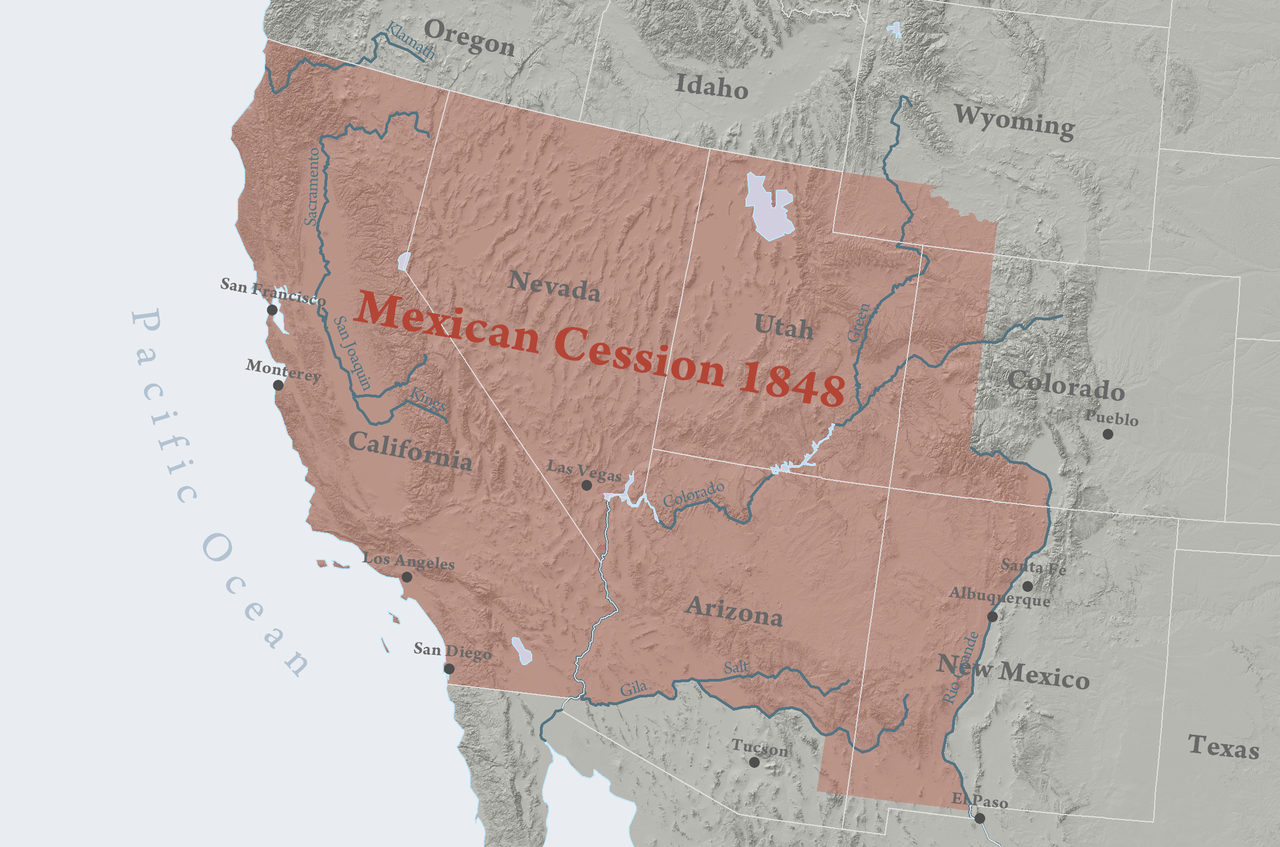
For thousands of years, California was home to a diverse array of Native American tribes, estimated to number over 300, speaking more than 100 distinct languages. These communities, including the Chumash, Miwok, Ohlone, Yokuts, and Cahuilla, developed rich cultures adapted to the region’s varied landscapes, from fertile valleys to arid deserts and rugged coastlines. They thrived through sophisticated systems of hunting, gathering, and agriculture, establishing complex social structures, spiritual beliefs, and intricate trade networks. Their stewardship of the land ensured a sustainable balance, creating an enduring legacy that, despite subsequent upheavals, remains an integral part of California’s cultural heritage.
Spanish Colonialism and Missions
The first Europeans to explore California’s coast arrived in 1542 with Juan Rodríguez Cabrillo, claiming the territory for Spain. However, sustained colonization efforts did not begin until the late 18th century. Driven by fears of Russian encroachment from the north and a desire to consolidate its imperial claims, Spain initiated the colonization of Alta California in 1769. This endeavor was primarily spearheaded by Franciscan missionaries, most notably Father Junípero Serra, who established a chain of 21 missions stretching from San Diego to Sonoma. These missions served as centers for religious conversion, agricultural production, and military outposts, profoundly impacting the indigenous populations, often leading to cultural destruction, disease, and forced labor. Alongside the missions, presidios (forts) and pueblos (civilian towns) like Los Angeles and San Jose were established, solidifying Spain’s presence and laying the groundwork for future settlements.
Mexican Independence and Ranchos
In 1821, Mexico achieved independence from Spain, and Alta California became a remote northern province of the new Mexican republic. This shift brought significant changes to the region. The Mexican government secularized the missions in the 1830s, dismantling their vast landholdings and distributing much of the property to private citizens through land grants, creating the system of ranchos. These sprawling cattle ranches became the economic and social backbone of Mexican California, dominated by Californios—descendants of Spanish and Mexican settlers—who developed a distinctive pastoral culture. Prominent families like the Vallejos and the Picos held immense influence, shaping the local governance and social hierarchy. While this era brought a degree of prosperity and a unique cultural identity, it also saw increasing friction with American trappers and settlers who began to trickle into the territory, drawn by its fertile lands and strategic Pacific ports. The Mexican period, though relatively brief, cemented the Hispanic cultural imprint that remains visible in California today.
The Lure of Gold and Manifest Destiny
The mid-19th century witnessed a dramatic turning point for California, as the discovery of gold ignited an unprecedented human migration and thrust the remote territory onto the national stage, inextricably linking its fate with the expanding ambitions of the United States.
The Gold Rush of 1848
The fateful discovery that irrevocably altered California’s trajectory occurred on January 24, 1848. James W. Marshall, an employee of John Sutter, found flakes of gold in the American River near Sutter’s Mill in Coloma. Initially, efforts were made to keep the discovery quiet, but news spread like wildfire. By the spring of 1849, word had reached the eastern United States and beyond, sparking one of the largest mass migrations in human history. The “Forty-Niners,” as these prospectors were called, came by land across treacherous trails and by sea around Cape Horn or across the Isthmus of Panama, all driven by the dream of instant wealth. This Gold Rush transformed California from a sleepy Mexican province into a bustling, chaotic frontier with an exploding population.
Influx of Population and Anarchy
The sudden influx of hundreds of thousands of people, from diverse backgrounds and nationalities, overwhelmed California’s nascent infrastructure and legal systems. Towns like San Francisco mushroomed overnight, characterized by makeshift housing, rampant inflation, and a severe lack of public services. Mining camps sprang up wherever gold was found, often becoming centers of lawlessness and vigilantism. Without a well-established government or effective law enforcement, disputes over mining claims, property, and personal conduct frequently escalated into violence. The federal military governors, who nominally held authority after the Mexican-American War, struggled to maintain order over such a vast and unruly population. This period of rapid growth and societal disruption underscored the urgent need for a stable, recognized governmental structure.
American Ambitions and Expansion
The Gold Rush coincided with and amplified the American ideal of Manifest Destiny—the belief that the United States was destined to expand its dominion across the North American continent. The acquisition of California, with its strategic deep-water ports and newfound mineral wealth, became a central component of this expansionist vision. Even before the gold discovery, American traders, whalers, and settlers had recognized California’s potential. Figures like Thomas O. Larkin, the American consul in Monterey, actively worked to encourage American settlement and influence. The prospect of immense riches and control over a Pacific gateway solidified the American resolve to incorporate California fully into the United States, moving it swiftly from a military district to a full-fledged state.
The Road to Statehood: Political Maneuvers
California’s path to statehood was not merely a natural progression but a complex series of political events, military conflicts, and diplomatic negotiations that ultimately separated it from Mexico and paved its way into the American Union.
The Bear Flag Revolt and Mexican-American War
Even before the formal outbreak of the Mexican-American War in 1846, tensions between American settlers in California and Mexican authorities were simmering. In June 1846, a small group of American settlers, fearing expulsion by Mexican forces, initiated the Bear Flag Revolt in Sonoma. They declared California an independent republic and raised the iconic “Bear Flag.” Although short-lived, as American naval forces soon arrived to claim the territory for the United States, the revolt symbolically marked the end of Mexican rule in the north. The broader Mexican-American War (1846-1848) saw American forces, including those led by Captain John C. Frémont and Commodore Robert F. Stockton, quickly occupy California’s key cities, including Monterey and Los Angeles. Battles like the Battle of San Pasqual and the Battle of La Mesa solidified American military control over the region.
The Treaty of Guadalupe Hidalgo
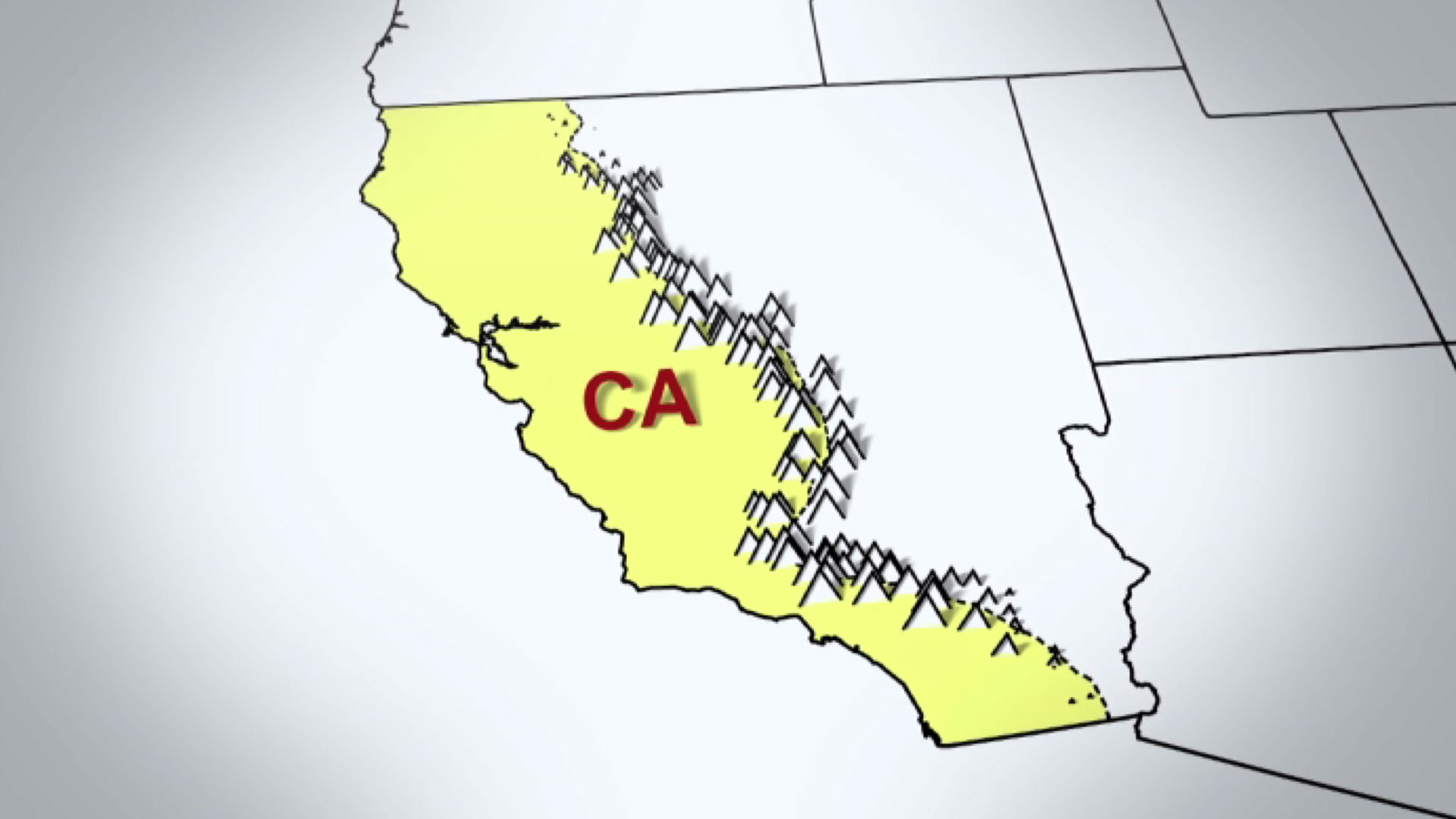
The Mexican-American War officially concluded with the signing of the Treaty of Guadalupe Hidalgo on February 2, 1848. Under the terms of this treaty, Mexico ceded vast territories, including California, to the United States in exchange for $15 million and the assumption of Mexican debts to American citizens. This monumental land acquisition, known as the Mexican Cession, expanded the United States’ territory by roughly one-third, stretching its borders to the Pacific Ocean. Crucially, the treaty was signed just days after James W. Marshall’s gold discovery, a fact unknown to the negotiators at the time, which would soon render California an immeasurably valuable acquisition.
The Need for Governance
With the formal transfer of California to American control, the territory found itself in a precarious administrative limbo. It was technically under military rule, governed by officers appointed by the president, such as General Riley. However, the sudden and dramatic population surge brought by the Gold Rush quickly rendered this interim governance inadequate. The lack of a civil government, enforceable laws, and a clear system for land titles, particularly for the original Californios and Mexican land grants, created widespread instability and disputes. The clamor for a permanent and legitimate civil government became overwhelming, pushing Congress to consider California’s future with unprecedented urgency. The question was not if California would become a state, but how and when, and under what conditions regarding the explosive national issue of slavery.
Crafting a New Identity: The Constitutional Convention
The immense pressures of the Gold Rush and the lack of a proper civil government compelled local leaders to take decisive action. The constitutional convention was a pivotal moment, shaping California’s governmental framework and its stance on the era’s most divisive national issue.
The Monterey Convention of 1849
Recognizing the urgent need for stable governance, General Bennett Riley, the acting military governor, called for a constitutional convention. Delegates, many of whom were newcomers drawn by the Gold Rush, were elected and convened in Monterey in September 1849. The convention brought together a diverse group of 48 men, including Californios like Mariano Guadalupe Vallejo, experienced lawyers, merchants, and miners. Their task was to draft a state constitution that would define California’s boundaries, establish its government, and address crucial social and political issues. The choice of Monterey as the meeting place reflected its historical significance as the former capital of Alta California.
Debates on Slavery and Borders
Two issues dominated the debates at the Monterey convention: the boundaries of the new state and the question of slavery. Regarding boundaries, some delegates advocated for a vast state encompassing present-day Nevada and parts of Utah and Arizona. However, a more moderate proposal, championed by figures like Lansford Hastings, prevailed, establishing borders largely consistent with California’s current shape. The most contentious issue, however, was slavery. Despite strong Southern representation among the delegates, an overwhelming consensus emerged to prohibit slavery within the state. This decision was driven by a combination of moral opposition, a desire to prevent competition for white miners from enslaved labor, and a pragmatic realization that adopting slavery would complicate or delay admission to the Union. By declaring California a free state, the delegates directly challenged the delicate balance of power between free and slave states in the U.S. Congress.
Drafting the Constitution
The delegates worked swiftly, completing their task in just six weeks. The new constitution drew heavily from existing state constitutions, particularly those of Iowa and New York. It established a bicameral legislature, an executive branch headed by a governor, and an independent judiciary. It also included provisions for public education and granted married women separate property rights, a progressive measure for the time influenced by Mexican legal traditions. On October 13, 1849, the constitution was approved by a vote of 31-8. It was then overwhelmingly ratified by popular vote in November 1849, with a strong mandate for California to seek immediate admission as a free state.
Admission to the Union: A Compromise
California’s application for statehood, particularly as a free state, ignited a national crisis, ultimately leading to a landmark legislative package designed to preserve the fragile peace between North and South.
The Compromise of 1850
When California’s request for admission as a free state reached Washington D.C. in 1850, it threw the U.S. Congress into turmoil. The nation was fiercely divided over the issue of slavery, with an equal number of free and slave states maintaining a delicate balance in the Senate. Admitting California as a free state would upset this equilibrium, giving the North a numerical advantage and threatening Southern interests. The ensuing deadlock led to one of the most significant legislative efforts in American history: the Compromise of 1850. Orchestrated by political giants like Henry Clay, Stephen A. Douglas, and Daniel Webster, this series of five separate bills aimed to resolve the various sectional disputes. Key provisions included admitting California as a free state, organizing the territories of New Mexico and Utah with popular sovereignty on the slavery question, settling the Texas boundary dispute, abolishing the slave trade in Washington D.C., and enacting a stricter Fugitive Slave Law.
California’s Unique Path
Unlike most states, California bypassed the traditional territorial phase, directly applying for statehood shortly after being acquired by the United States. This was a direct consequence of the Gold Rush and the urgent need for a stable government to manage the burgeoning population and chaos. The speed of its entry into the Union, coupled with its declaration as a free state, made its case particularly impactful in the national debate. On September 9, 1850, President Millard Fillmore signed the bill admitting California as the 31st state. The news reached San Francisco in October via steamer, sparking widespread celebrations across the state, particularly in its new capital, San Jose, and later Sacramento.
Lasting Legacy
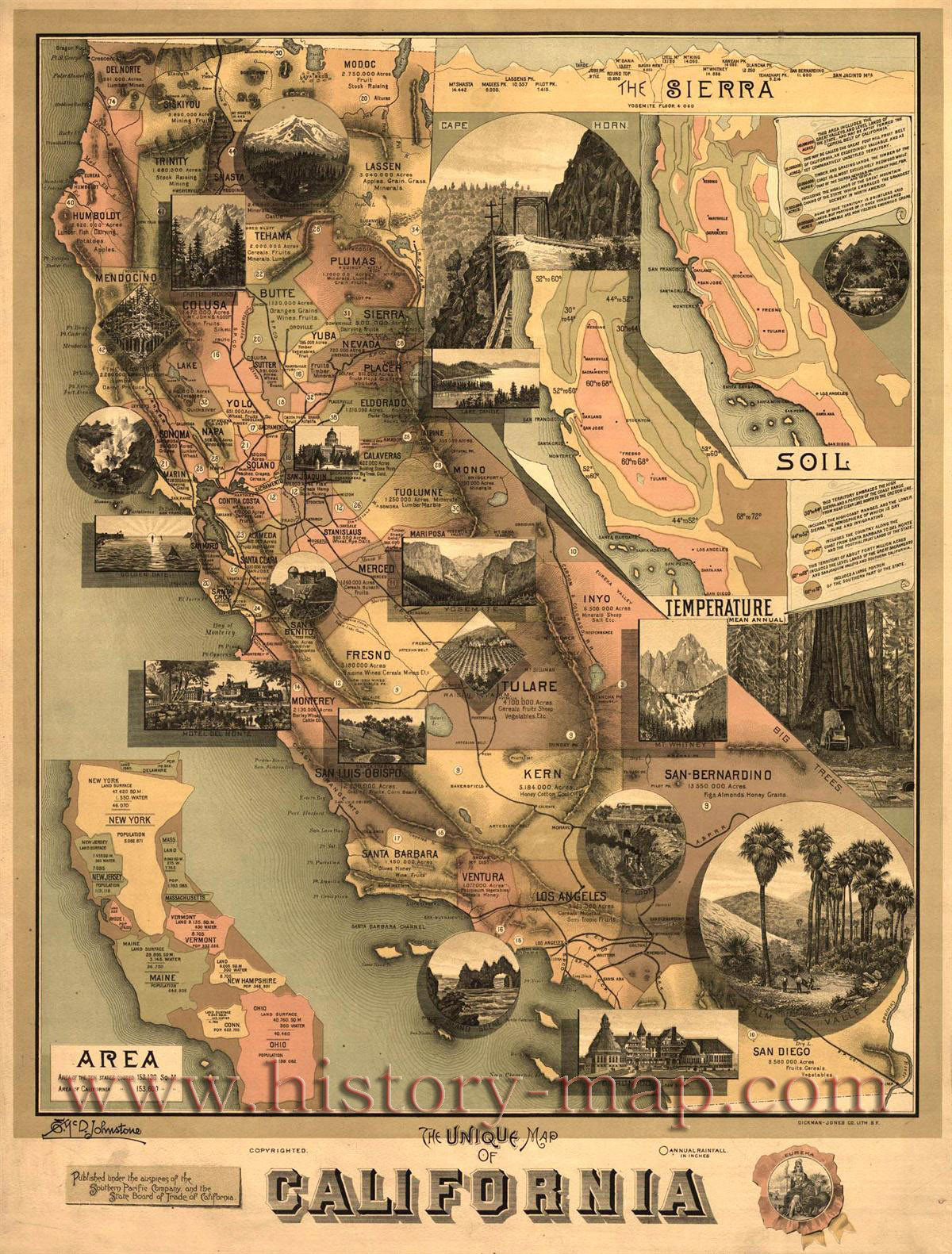
California’s journey to statehood is a testament to the transformative power of discovery and the complex interplay of human ambition, political will, and national identity. Its rapid growth and admission as a free state profoundly impacted the balance of power in the United States Senate, exacerbating tensions that would eventually lead to the Civil War just a decade later. Yet, it also cemented the nation’s westward expansion to the Pacific, creating a truly continental power. The legacy of California’s statehood is evident in its diverse population, its unique blend of cultures, its economic dynamism born from innovation and resourcefulness, and its enduring status as a land of opportunity—a “Golden State” forged in the crucible of history. Its story is not just about a geographical landmark, but about the historical forces that shaped an entire nation.
LifeOutOfTheBox is a participant in the Amazon Services LLC Associates Program, an affiliate advertising program designed to provide a means for sites to earn advertising fees by advertising and linking to Amazon.com. Amazon, the Amazon logo, AmazonSupply, and the AmazonSupply logo are trademarks of Amazon.com, Inc. or its affiliates. As an Amazon Associate we earn affiliate commissions from qualifying purchases.