
Navigating the intricacies of obtaining a license in California can seem like a daunting task, whether you’re a new resident eager to explore the Golden State’s diverse landscapes or a long-time inhabitant needing to update your credentials. As a cornerstone of personal mobility and a crucial element of daily lifestyle, a California driver’s license is often the primary focus. This comprehensive guide will demystify the process, offering insights into eligibility, required documentation, and the steps involved in securing your California driver’s license, alongside a brief overview of other common licenses vital for various aspects of life and business in the state. Our aim is to equip you with the knowledge needed to approach this bureaucratic hurdle with confidence and clarity, making your transition into or within California as smooth as possible.
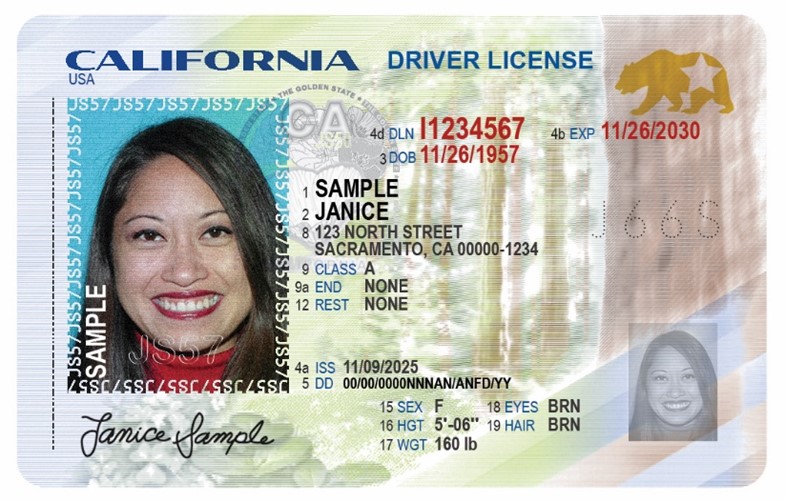
Understanding the California Driver’s License: What You Need to Know
A California driver’s license is more than just a permit to operate a vehicle; it’s a fundamental form of identification and often a prerequisite for many aspects of daily life, from renting an apartment to opening a bank account. For residents, it’s an essential document that signifies your legal residency and ability to navigate the state’s roadways.
Eligibility Requirements and License Types
To be eligible for a California driver’s license, you generally need to be at least 18 years old. Minors, however, can apply for a provisional license starting at 15 ½ years of age under specific conditions. New residents who are 18 years or older and possess a valid driver’s license from another state or country must apply for a California license within 10 days of establishing residency.
The most common license is the Class C driver’s license, which allows you to operate a regular passenger vehicle, typically a two-axle vehicle with a Gross Vehicle Weight Rating (GVWR) of 26,000 pounds or less, or a three-axle vehicle weighing 6,000 pounds or less. Other license types include:
- Commercial Driver’s License (CDL): Required for operating commercial vehicles, buses, or transporting hazardous materials. These are further categorized into Class A, Class B, and Class C with specific endorsements depending on the vehicle type and cargo.
- Motorcycle License: An M1 license permits the operation of any two-wheel motorcycle, while an M2 license is for mopeds or motorized bicycles.
- Non-Commercial Class A or B Licenses: For specific large non-commercial vehicles like RVs or house cars exceeding certain weight limits.
Understanding which license applies to your needs is the first crucial step in the application journey.
The Real ID Act Compliance
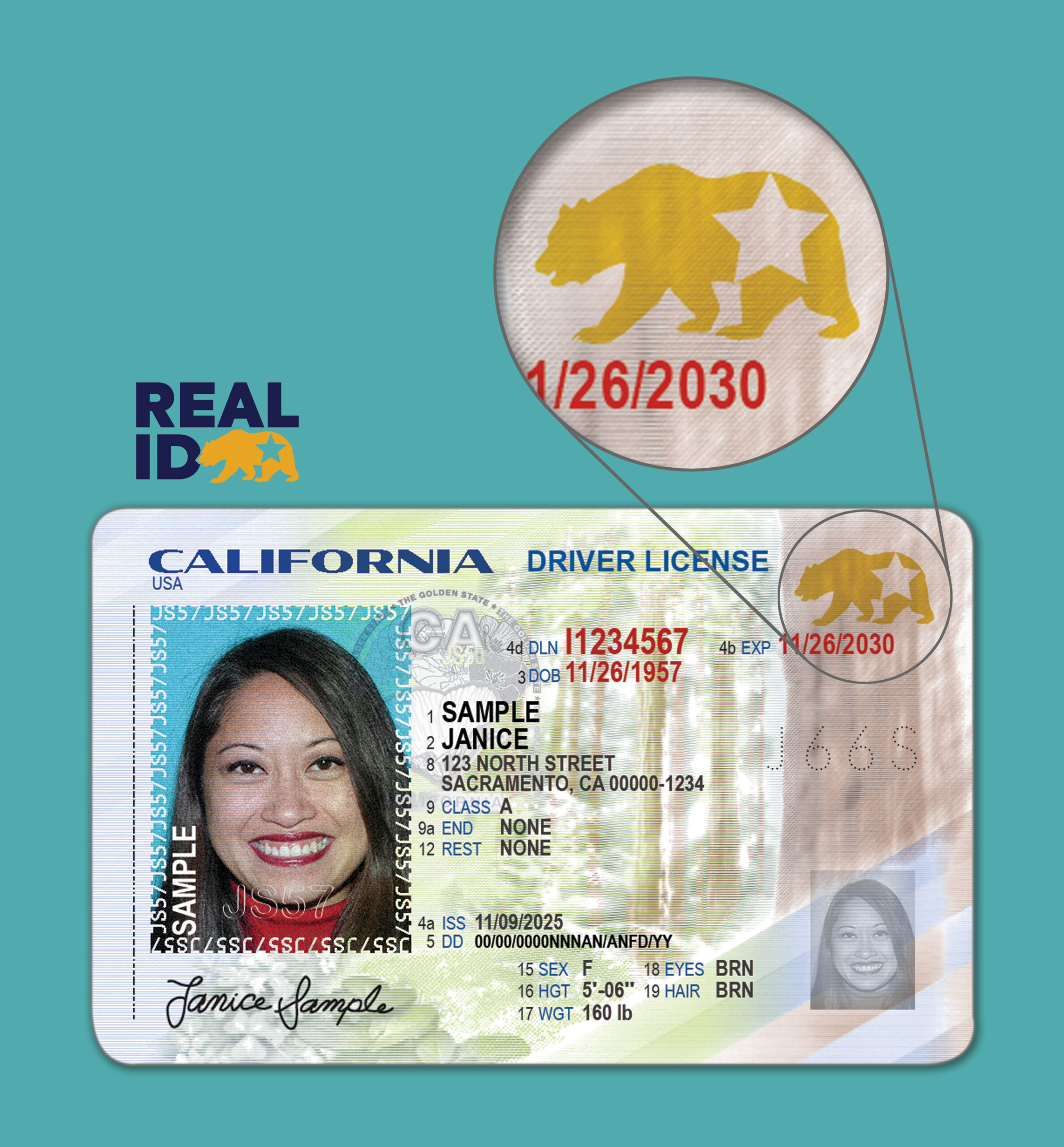
California began issuing Real ID compliant driver’s licenses and identification cards in 2018. A Real ID is distinguishable by a golden bear and star symbol, indicating it meets federal security standards. While a standard California driver’s license remains valid for driving, beginning May 7, 2025, a Real ID or other federally accepted identification (like a passport) will be required to board domestic flights and enter secure federal facilities. It is highly recommended to apply for a Real ID compliant license to ensure seamless travel and access in the future.
The Application Process: A Step-by-Step Guide
The journey to obtaining a California driver’s license involves several distinct steps, each requiring careful attention to detail. Preparing adequately will significantly streamline your experience at the California Department of Motor Vehicles (DMV).
Gathering Required Documents
The most critical step is compiling all necessary documentation. For a Real ID compliant license, you will typically need to present:
- Proof of Identity: An original or certified copy of a birth certificate, valid United States passport, or other acceptable identity documents.
- Proof of Social Security Number (SSN): Your Social Security Administration card, a W-2 form, or a pay stub with your full SSN.
- Proof of California Residency: Two different documents showing your name and California address. Examples include utility bills, rental agreements, mortgage statements, or bank statements.
- Proof of Legal Presence: For non-United States citizens, this could include a valid foreign passport with a visa, I-94, or permanent resident card. The DMV will verify your legal presence with the United States Department of Homeland Security.
It is crucial to bring original documents, as photocopies are generally not accepted. The DMV website provides a comprehensive list of acceptable documents, and it’s always wise to check the most current requirements before your visit.
Completing the Application and Scheduling Your Appointment
Before heading to the DMV, it is highly recommended to complete the online driver’s license application form on the DMV website. This saves time during your visit and allows you to upload some documents digitally. Once the online application is submitted, you’ll receive a confirmation code.
Due to high demand, walk-in appointments are often subject to long wait times. Scheduling an appointment in advance through the DMV website or by phone is strongly advised. This ensures a smoother and more efficient process. Select a DMV office convenient to your location and choose a time that works best for you.
Preparing for Your DMV Visit: Tests and Fees
Your scheduled visit to the DMV will involve several key components, including identity verification, vision and knowledge tests, and the payment of fees. Thorough preparation for these steps is essential for a successful outcome.
The Vision and Knowledge Tests
Upon arrival at your DMV appointment, your identity and documents will be reviewed. You will then undergo a vision test to ensure your eyesight meets the minimum requirements for safe driving. If you wear glasses or contact lenses, be sure to bring them.
Following the vision test, you’ll take the written knowledge test. This test evaluates your understanding of California traffic laws, road signs, and safe driving practices. The test consists of multiple-choice questions, and the number of correct answers required to pass varies depending on whether you are a new applicant or renewing. The official California Driver Handbook is your primary resource for studying. It is available online and in print, and it’s crucial to read it thoroughly. Many practice tests are also available online to help you prepare.
The Driving Skills Test
Once you pass the written knowledge test and meet all other requirements, you will be issued a provisional instruction permit. This permit allows you to practice driving with a licensed adult (25 years or older) in the passenger seat. For new drivers, particularly minors, there are specific hour requirements for supervised driving before being eligible for the driving skills test.
The driving skills test, also known as the “behind-the-wheel” test, assesses your ability to safely operate a vehicle in various traffic situations. You must schedule this test separately after obtaining your instruction permit. For the test, you must provide a safe, registered, and insured vehicle. An examiner will accompany you, evaluating your driving skills, adherence to traffic laws, lane changes, turns, parking, and overall control of the vehicle. It’s a test of your practical driving competence and confidence. Failing the driving test requires rescheduling and additional fees after a certain number of attempts.
Fees and Temporary Licenses
There are fees associated with the driver’s license application, including the application fee, which typically covers a certain number of attempts for the knowledge and driving tests. These fees are subject to change, so always check the current rates on the DMV website. Payment can usually be made by cash, check, debit card, or money order.
Once you successfully pass all tests and complete the application process, a temporary driver’s license will be issued immediately. This temporary license is valid for a specified period (usually 60-90 days) until your official, permanent photo driver’s license is mailed to your registered address. It’s essential to keep this temporary license with you while driving until your permanent card arrives.
Special Considerations: New Residents, Minors, and Commercial Licenses
While the general process remains consistent, certain applicants face unique requirements or benefit from specific advice.
Converting an Out-of-State License
If you’re a new resident with a valid driver’s license from another U.S. state, you are generally not required to take the driving skills test. You will still need to complete the application, pass the vision test, and pass the written knowledge test on California traffic laws. Remember, you have 10 days to apply for a California license after becoming a resident.
For those with a valid license from a foreign country, the process may be similar to that of a first-time applicant. You will typically need to pass all three components: the vision test, the written knowledge test, and the driving skills test. Specific requirements can vary based on your country of origin and visa status, so consulting the DMV website or contacting them directly is advisable.
First-Time Applicants and Minors
First-time applicants, particularly those under 18, follow a more structured Graduated Driver Licensing (GDL) program. Minors must complete a driver education course and 50 hours of supervised driving practice (including 10 hours at night) with a licensed adult before they can take their driving skills test. Their initial license will be a provisional one with specific restrictions on driving hours and passengers for the first year. This program is designed to provide young drivers with supervised experience, gradually increasing their driving privileges as they gain maturity and skill.
Obtaining a Commercial Driver’s License (CDL)
The process for a Commercial Driver’s License is more extensive due to the increased responsibility associated with operating large vehicles. In addition to the standard requirements, applicants must undergo specific knowledge and skills tests tailored to the class of CDL (Class A, Class B, or Class C) and any endorsements (e.g., for air brakes, hazardous materials, passenger transport). A medical examination is also mandatory. Many individuals pursue CDL training through specialized schools to ensure they are adequately prepared for the rigorous tests.
Beyond the Driver’s License: Other Essential California Licenses
While a driver’s license is paramount for personal mobility, California’s diverse economy and regulatory environment mean that various other licenses are crucial for specific professions and businesses. These licenses are integral to the professional and economic lifestyle in the state.
Professional and Business Licenses
Depending on your chosen profession, you might need a state-issued professional license. California regulates a wide array of professions, from doctors and lawyers to real estate agents, cosmetologists, and contractors. Each licensing board has specific educational, examination, and experience requirements. For example, the California Department of Consumer Affairs oversees numerous boards and bureaus responsible for licensing various professions.
Similarly, if you plan to start a business in California, you will likely need a business license. This typically involves registering your business entity with the California Secretary of State, obtaining a Federal Employer Identification Number (FEIN) from the IRS, and securing any necessary local city or county business licenses. The type and number of licenses will vary significantly based on your business structure, industry, and location within California. Researching the specific requirements for your chosen profession or business venture is a vital step to ensure legal compliance and smooth operation.
Hunting, Fishing, and Recreational Licenses
For those embracing California’s outdoor lifestyle, specific recreational licenses are necessary. The California Department of Fish and Wildlife issues licenses for hunting, fishing, and other outdoor activities. Requirements often include completing safety courses, demonstrating knowledge of regulations, and paying annual fees. These licenses are crucial for engaging in these activities legally and responsibly, contributing to conservation efforts within the state.
Navigating the licensing landscape in California requires diligence and attention to detail, but with proper preparation and understanding of the requirements, the process is manageable. Whether you’re aiming for a standard driver’s license to enjoy the freedom of the open road or a specialized professional license to advance your career, California offers clear pathways to obtaining the credentials you need for a fulfilling lifestyle in the Golden State.
LifeOutOfTheBox is a participant in the Amazon Services LLC Associates Program, an affiliate advertising program designed to provide a means for sites to earn advertising fees by advertising and linking to Amazon.com. Amazon, the Amazon logo, AmazonSupply, and the AmazonSupply logo are trademarks of Amazon.com, Inc. or its affiliates. As an Amazon Associate we earn affiliate commissions from qualifying purchases.