
Embarking on the journey of homeschooling in California can feel both exhilarating and daunting. As a state renowned for its diverse landscapes, innovative spirit, and extensive resources, California offers a vibrant backdrop for families choosing an alternative educational path. Homeschooling is more than just a method of instruction; it’s a lifestyle choice that profoundly shapes family dynamics, daily routines, and a child’s educational trajectory. This comprehensive guide aims to demystify the process, providing insights into the legal requirements, practical considerations, and lifestyle integration unique to homeschooling within the Golden State.
Choosing to homeschool in California is a decision often driven by a desire for personalized learning, flexibility, and the ability to tailor education to a child’s individual needs, interests, and pace. It allows families to integrate learning into real-world experiences, from exploring the natural wonders of Yosemite National Park to delving into history at missions across the state, or even engaging with cutting-edge technology companies in Silicon Valley. Understanding the multifaceted approach to homeschooling here is the first critical step toward creating a successful and enriching educational environment for your children.
Understanding California’s Legal Framework for Homeschooling
California offers several distinct legal pathways for families to homeschool their children, each with its own set of requirements and implications. It’s crucial to understand these options to choose the one that best aligns with your family’s philosophy, resources, and long-term educational goals. The state does not have a specific “homeschooling law” but rather allows homeschooling under broader educational statutes.
Operating as a Private School
The most common and straightforward path for many homeschooling families in California is to establish their home as a private school. This involves filing an annual Private School Affidavit (PSA) with the California Department of Education between August 1st and October 15th each year.
- Filing the PSA: By filing a PSA, parents declare their home a private school and become responsible for all aspects of their child’s education, curriculum, and record-keeping. This option offers the maximum flexibility and autonomy, as parents are free to choose their curriculum, schedule, and educational philosophy.
- Requirements for Private Schools: As a private school, even one operating from a home, you must comply with certain basic requirements. These include maintaining attendance records, course of study, and health and immunization records. While there are no state-mandated curriculum or testing requirements for private schools, it is prudent for parents to keep thorough academic records, especially for high school students, to facilitate college applications or future educational transitions. There are also minimum instructional day requirements, though how these are met is largely up to the parents.
Enrolling in a Private School Satellite Program (PSP)
For families who desire more structure, support, or a sense of community, enrolling in a Private School Satellite Program (PSP) can be an excellent option. PSPS are private schools that umbrella homeschooling families under their legal status.
- Structure and Support: PSPS vary widely in their offerings. Some provide extensive curriculum guidance, record-keeping services, enrichment activities, and social events, while others offer more minimalistic legal covering. Many PSPS act as a valuable bridge, offering compliance with state regulations while giving parents considerable freedom in educational choices.
- Benefits: This option can alleviate some administrative burdens for parents, as the PSP typically handles the PSA filing and ensures legal compliance. PSPS often foster a vibrant community, providing opportunities for field trips, classes, and social interaction, which can be particularly beneficial for children and parents alike. Researching different PSPS to find one that aligns with your family’s values and needs is key.
Participating in a Public School Independent Study Program
Another popular option, particularly for those seeking public school resources and funding, is to enroll in a public school independent study program (ISP). These programs are often offered through local school districts or public charter schools.
- Public School Affiliation: Under this model, your child is technically enrolled in a public school, which allocates funds for their education. Parents often work with a credentialed supervising teacher who oversees the child’s learning plan, reviews progress, and ensures state standards are met.
- Funding and Resources: A significant advantage of ISPs is access to public school resources, which may include curriculum materials, technology, enrichment classes, and even funds for approved educational activities or supplies. However, this comes with less autonomy, as the curriculum and educational approach must typically align with the school’s guidelines and state standards. These programs are accountable to state testing requirements. Many families in areas like Orange County or the San Francisco Bay Area find these programs to be a good hybrid solution.
Hiring a Private Tutor
While less common as a primary homeschooling method, hiring a private tutor can also fulfill California’s compulsory education requirements. If a child is taught by a tutor who holds a valid California teaching credential for the grade level being taught and is teaching for at least three hours a day for 175 days each calendar year, this satisfies the legal requirement. This option is typically reserved for unique circumstances or as supplementary support rather than a standalone homeschooling path for most families.
Charting Your Course: Getting Started with Homeschooling
Once you’ve navigated the legal landscape and chosen the pathway best suited for your family, the practical steps of getting started begin. This phase involves thoughtful planning, curriculum selection, and establishing routines that foster a positive learning environment.
Defining Your Educational Philosophy and Goals
Before diving into curriculum choices, take time to articulate your family’s educational philosophy and goals. Do you prioritize academic rigor, hands-on learning, character development, or interest-led exploration? Understanding your “why” will guide all subsequent decisions.
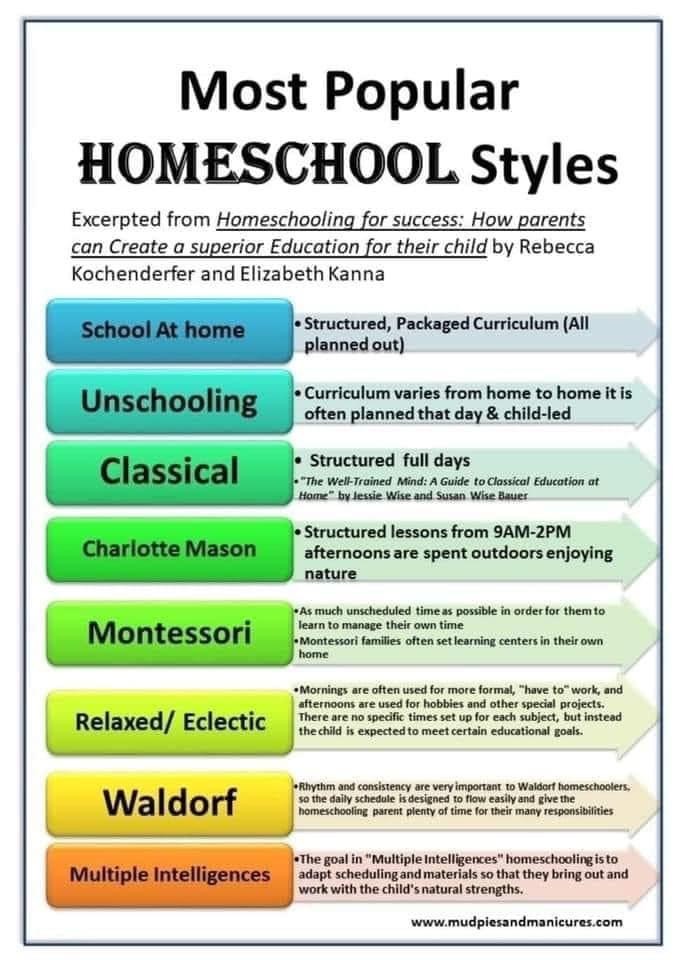
- Vision for Learning: Consider what you envision for your child’s education. Is it a classical approach, Charlotte Mason, unschooling, or an eclectic blend? California’s flexibility allows for a wide spectrum of pedagogical approaches.
- Student-Centric Approach: Tailor your goals to your child’s learning style, interests, and developmental stage. Homeschooling provides the unique opportunity to create a truly individualized education.
Selecting Curriculum and Resources
The marketplace for homeschooling curricula and resources is vast, ranging from comprehensive, all-in-one packages to subject-specific materials, online platforms, and experiential learning tools.
- Curriculum Exploration: Research various curricula, reading reviews, and attending homeschooling conventions or online webinars. Consider whether you prefer secular or faith-based materials, traditional textbooks, digital resources, or project-based learning. Many families find success with a blended approach.
- Leveraging California’s Resources: Beyond formal curricula, California offers an unparalleled wealth of educational resources. Public libraries in cities like San Diego and Los Angeles provide extensive collections and programs. Museums, historical sites, state parks, and nature centers, from the Monterey Bay Aquarium to the Griffith Observatory, are invaluable learning extensions. Local homeschooling groups often organize field trips, maximizing these opportunities.

Establishing Routines and Learning Spaces
While one of the appeals of homeschooling is flexibility, establishing a routine and a dedicated learning space can provide structure and predictability for both children and parents.
- Flexible Routines: A “school day” doesn’t have to mirror a traditional classroom. Some families thrive on a strict schedule, while others prefer a more fluid approach. Experiment to find what works best for your family’s rhythm. Incorporate breaks, outdoor time, and extracurricular activities.
- Creating a Learning Environment: This doesn’t necessarily mean a separate classroom. It could be a designated corner of a room, a well-organized bookshelf, or even a portable cart with supplies. The key is to create an inviting and functional space that supports concentration and organization.
Embracing the Lifestyle: Daily Rhythms and Resources
Homeschooling in California is not merely about academics; it’s about integrating learning into the fabric of daily life and fully leveraging the unique environment the state provides. This lifestyle choice fosters independence, critical thinking, and a love for lifelong learning.
Integrating Learning with Life Experiences
The freedom of homeschooling allows for an experiential education that extends far beyond textbooks. California’s diverse geography and cultural richness offer endless possibilities.
- Field Trips and Excursions: Utilize California’s natural beauty for science lessons – tide pooling at the coast, studying geology in the Mojave Desert, or botany in the Redwood National Park. Historical sites like the California Missions or the State Capitol in Sacramento offer immersive history lessons. Art museums, science centers (like the California Academy of Sciences in San Francisco), and cultural festivals provide rich learning opportunities.
- Community Engagement: Involve children in everyday tasks that teach practical skills – cooking, budgeting, gardening, or volunteering. These real-world applications reinforce academic concepts and build essential life skills.
Fostering Socialization and Community
A common concern about homeschooling is socialization. However, California has a robust and active homeschooling community that offers abundant opportunities for social interaction and peer learning.
- Homeschool Co-ops and Groups: Join local homeschooling groups or co-ops, which are prevalent across the state, from Ventura County to the Central Valley. These groups organize park days, classes, field trips, and events, providing invaluable social outlets for children and support networks for parents.
- Extracurricular Activities: Enroll children in sports leagues, art classes, music lessons, scout troops, or community theater. Many public and private organizations welcome homeschoolers, ensuring they have diverse opportunities to interact with peers and develop interests.
- Online Communities: Beyond local groups, online forums and social media groups dedicated to California homeschooling can provide connections, resources, and advice.
Cultivating a Love for Learning
Ultimately, the goal of homeschooling is to cultivate an intrinsic love for learning that extends beyond formal education.
- Follow Interests: Allow children to deep-dive into subjects that genuinely interest them. Whether it’s robotics, ancient Egypt, or creative writing, passion-driven learning is incredibly effective.
- Embrace Mistakes as Learning Opportunities: Create an environment where curiosity is celebrated, and mistakes are viewed as stepping stones to understanding, rather than failures. This builds resilience and a growth mindset.
Navigating the Journey: Challenges and Long-Term Vision
Homeschooling, like any educational path, comes with its own set of challenges. Understanding and preparing for these can make the journey smoother and more sustainable. Furthermore, looking ahead to high school and beyond is essential for a well-rounded educational plan.
Addressing Common Challenges
- Parental Burnout: Homeschooling demands significant time and energy. It’s crucial for parents to prioritize self-care, delegate tasks when possible, and lean on their support networks. Joining a parent support group can be invaluable for sharing experiences and strategies.
- Motivation and Engagement: Maintaining a child’s motivation, especially during challenging subjects or periods, requires creativity and adaptability. Varying teaching methods, incorporating games, and connecting learning to real-world applications can help.
- Finding the Right Balance: Striking a balance between academic rigor, unstructured play, extracurriculars, and family time is a continuous process. Regularly evaluate your schedule and make adjustments as needed.
High School and College Preparedness
For many homeschooling families, the transition to high school and subsequent college applications requires thoughtful planning and meticulous record-keeping.
- High School Credits and Transcripts: If you are operating as a private school (via PSA), you are responsible for assigning credits and creating transcripts. For students aiming for college, it’s wise to research college admission requirements early and ensure your child’s coursework aligns with those expectations. Many PSPS offer transcript services and guidance.
- Standardized Tests: While not mandatory for homeschooling, standardized tests like the SAT or ACT are often required for college admission. Familiarizing your child with these tests and considering prep courses can be beneficial.
- College Applications: Homeschoolers can and do successfully apply to colleges and universities. High school transcripts, portfolios of work, essays, and letters of recommendation from community mentors or instructors can all contribute to a compelling application. California’s public university systems, the University of California (UC) and California State University (CSU), have clear guidelines for homeschool applicants.

Embracing the Evolving Nature of Education
The homeschooling journey is dynamic. What works well in elementary school may need adjustment in middle or high school. Be prepared to adapt your methods, curriculum, and routines as your children grow and their needs evolve. Continuous learning, for both children and parents, is a cornerstone of this unique educational lifestyle.
Homeschooling in California offers an incredible opportunity to craft a truly bespoke education tailored to your family’s values and your child’s potential. By understanding the legal landscape, embracing the diverse resources of the state, and fostering a flexible, engaged learning environment, you can navigate this rewarding journey successfully, building a foundation for lifelong learning and personal growth.
LifeOutOfTheBox is a participant in the Amazon Services LLC Associates Program, an affiliate advertising program designed to provide a means for sites to earn advertising fees by advertising and linking to Amazon.com. Amazon, the Amazon logo, AmazonSupply, and the AmazonSupply logo are trademarks of Amazon.com, Inc. or its affiliates. As an Amazon Associate we earn affiliate commissions from qualifying purchases.