
Embarking on the journey to acquire a Class A Commercial Driver’s License (CDL) in California is more than just obtaining a permit; it’s opening the door to a unique and rewarding lifestyle. Whether your ambition is to navigate the open highways as a long-haul trucker, operate specialized heavy machinery, or enjoy the freedom of commanding a large recreational vehicle, the Class A CDL is your ticket. California, with its vast economic landscape, bustling ports, and diverse industries, offers a plethora of opportunities for those who possess this coveted license. This comprehensive guide will walk you through every step of the process, transforming your aspirations into a tangible skillset and a new way of life.
Understanding the Class A Commercial Driver’s License (CDL)
The Class A CDL is the highest classification of driver’s license available, signifying a driver’s capability to operate the largest and most complex vehicles on the road. It’s a fundamental requirement for numerous professional driving careers and even for personal use for those embracing a nomadic or specialized lifestyle.
What is a Class A CDL?
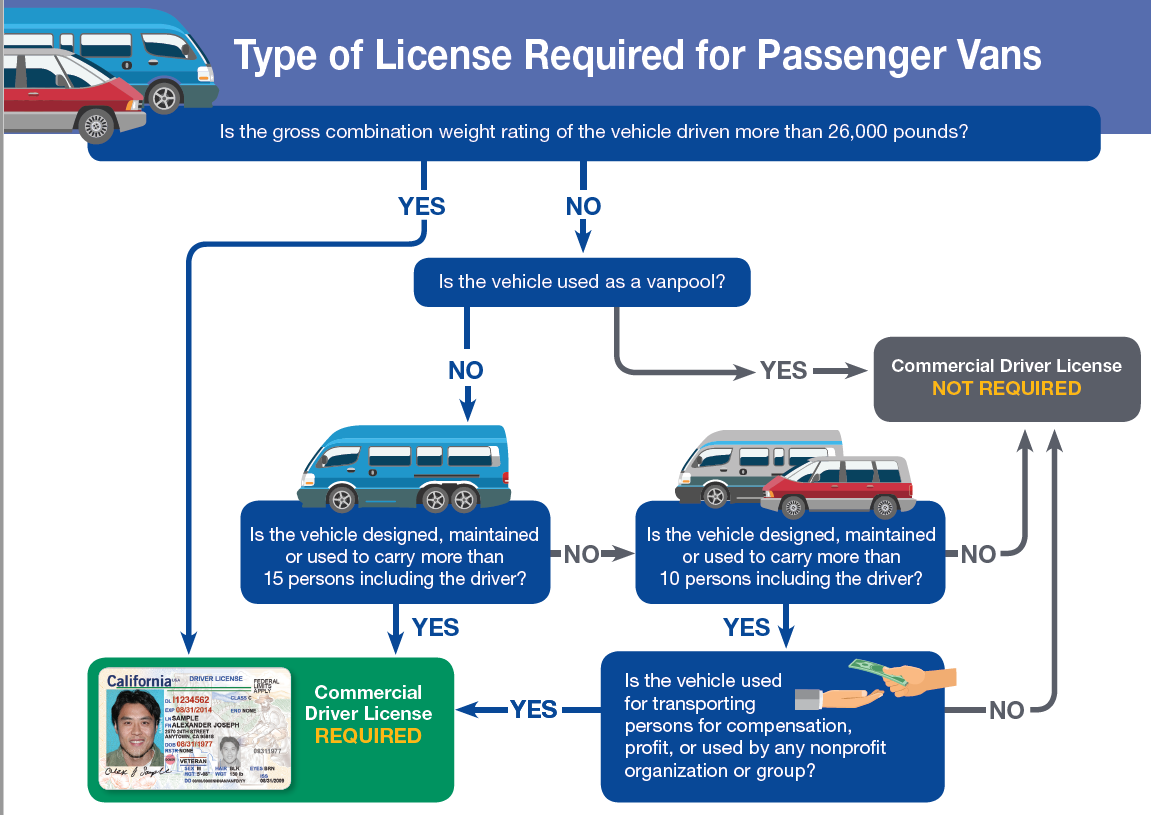
A Class A CDL authorizes an individual to operate any combination of vehicles with a Gross Combination Weight Rating (GCWR) of 26,001 pounds or more, provided the Gross Vehicle Weight Rating (GVWR) of the vehicle being towed is in excess of 10,000 pounds. This broad definition encompasses a wide array of vehicles, including the iconic tractor-trailers, large truck and trailer combinations, tank trucks, livestock carriers, and flatbeds. The distinction lies in the ability to tow heavy trailers, unlike a Class B CDL which covers single vehicles over 26,001 pounds GVWR or those towing a trailer under 10,000 pounds, or a Class C CDL which covers smaller vehicles typically designed for fewer than 16 passengers or hazardous materials transport. Understanding these differences is crucial for determining the correct path for your lifestyle and career goals.
Why Pursue a Class A CDL in California?
California’s robust economy, sprawling agricultural industry, and critical role in international trade make it a prime location for professional drivers. The demand for skilled Class A CDL holders is consistently high, offering a stable and often lucrative career path. For many, it’s a lifestyle choice, offering independence, the chance to see diverse landscapes, and a sense of purpose in contributing to the nation’s supply chain. From long-haul trucking across state lines to specialized transport of goods within the state, or even the personal freedom of maneuvering a substantial RV for extended periods, a Class A CDL in California provides unparalleled opportunities. It’s a career that can be both financially rewarding and personally fulfilling, appealing to those who thrive on the open road and appreciate the responsibility of transporting valuable cargo.
Eligibility Requirements and Initial Steps
Before you can even dream of getting behind the wheel of a commercial vehicle, there are several foundational requirements and initial steps you must complete. These ensure that only qualified and responsible individuals are considered for a Class A CDL.
Basic Qualifications
To be eligible for a Class A CDL in California, candidates must meet several fundamental criteria. First, you must be at least 18 years old to drive commercial vehicles intrastate (within California only). However, if you aspire to drive interstate (across state lines), the minimum age requirement increases to 21. You must possess a valid California non-commercial driver’s license and maintain a clean driving record, free from serious traffic violations. Lastly, you must be a legal resident or citizen of the United States. These prerequisites are in place to ensure that commercial drivers are mature, responsible, and capable of handling the significant responsibilities that come with operating large vehicles.
Obtaining Your Commercial Learner’s Permit (CLP)
The first official step towards your Class A CDL is obtaining a Commercial Learner’s Permit (CLP). This process begins at the California Department of Motor Vehicles (DMV). You’ll need to submit a completed application, provide proof of identity, California residency, and your Social Security Number. A crucial part of this stage involves passing a series of knowledge tests, which typically include General Knowledge, Air Brakes, and Combination Vehicles. These tests assess your understanding of commercial driving laws, safe operating procedures, and specific vehicle systems.
In addition to the written tests, you must undergo a Department of Transportation (DOT) physical examination by a certified medical examiner. This ensures you meet the federal physical and mental health standards required for commercial drivers. Upon passing the medical exam, you’ll receive a medical certificate, which must be submitted to the California Department of Motor Vehicles. Once all these requirements are met, and your CLP is issued, federal regulations mandate a minimum 14-day waiting period before you can proceed to the skills tests. This period is designed to allow ample time for supervised practice and preparation, reinforcing the seriousness of commercial driving.
Comprehensive Training and Endorsements
Securing a Class A CDL in California is not just about passing tests; it’s about acquiring the practical skills and knowledge necessary to safely and efficiently operate large commercial vehicles. This often involves formal training and considering specialized endorsements.
Choosing a Reputable CDL Training School
Effective training is paramount to success and safety. The federal Entry-Level Driver Training (ELDT) mandate requires all first-time CDL applicants to complete a specific program of instruction from a provider listed on the Federal Motor Carrier Safety Administration’s (FMCSA) Training Provider Registry. This ensures a standardized, high-quality education. When selecting a school in California, look for accredited institutions that offer a comprehensive curriculum covering classroom instruction on regulations and theory, yard maneuvers for mastering basic vehicle control, and extensive on-road driving experience under the guidance of certified instructors. Factors such as class size, instructor-to-student ratio, vehicle types available for training, and job placement assistance should also influence your decision. While costs can vary significantly, many schools offer financial aid options, and some trucking companies even sponsor training in exchange for a commitment to work for them. Investing in a reputable school is an investment in your future, providing the foundation for a safe and successful career or lifestyle.
Essential Endorsements for Career Flexibility
Beyond the basic Class A CDL, specific endorsements can significantly enhance your career opportunities and earning potential. These require additional knowledge tests and sometimes skills tests.
- Hazmat (H) Endorsement: This is for transporting hazardous materials, a highly specialized and well-compensated niche. It requires passing a written test and a Transportation Security Administration (TSA) background check.
- Tanker (N) Endorsement: Necessary for operating vehicles designed to transport liquid or gaseous materials in bulk. This involves understanding the unique challenges of managing shifting liquid weight.
- Doubles/Triples (T) Endorsement: Allows you to pull multiple trailers. This requires advanced driving skills and an understanding of trailer coupling and uncoupling procedures.
- Passenger (P) Endorsement: While less common for a Class A CDL (which typically focuses on cargo), it’s required for driving vehicles designed to transport 16 or more passengers, including the driver. This usually involves a skills test.
- School Bus (S) Endorsement: A specialized version of the P endorsement with additional requirements and skills tests specific to school bus operation.
Considering these endorsements early can broaden your career prospects, allowing you to take on more diverse and often higher-paying jobs, thereby offering greater flexibility in your chosen lifestyle path within the commercial driving world.
The CDL Skills Test: Proving Your Prowess
After obtaining your CLP and completing your training, the final hurdle is the CDL skills test. Administered by the California Department of Motor Vehicles or an approved third-party tester, this multi-part examination assesses your practical driving abilities and your foundational knowledge of commercial vehicle operation.
Pre-Trip Inspection
The first segment of the skills test is the Pre-Trip Inspection. This is not merely a checklist; it’s a critical demonstration of your ability to identify and articulate the function and inspection points of various vehicle components. You’ll be required to demonstrate a thorough check of the engine compartment (fluid levels, belts, hoses), undercarriage (suspension, brakes, tires), cabin (gauges, mirrors, safety equipment), and the trailer (coupling device, lights, air lines, tires). The examiner will assess your knowledge of what to look for, what might be wrong, and why it’s important for safe operation. This test emphasizes your responsibility as a commercial driver to ensure your vehicle is safe and roadworthy before every journey. A failure here can immediately end your test, highlighting its importance.
Basic Vehicle Control Skills
The second part, Basic Vehicle Control Skills, takes place on a closed course. Here, you’ll be evaluated on your ability to maneuver a large commercial vehicle in various controlled scenarios. Common exercises include:
- Straight Line Backing: Backing a vehicle in a straight line without crossing boundaries.
- Offset Backing (Left/Right): Backing into a space that is not directly behind you, requiring precise steering and mirror usage.
- Parallel Parking (Driver Side/Conventional): Parking alongside a simulated curb, demonstrating your spatial awareness.
- Alley Dock Backing: Backing into a simulated loading dock, a crucial skill for many freight operations.
These tests are designed to assess your control over the vehicle, your understanding of its dimensions, and your ability to use mirrors effectively. Errors in these maneuvers, such as hitting cones or boundaries, can result in points deductions, and too many can lead to a failure.
On-Road Driving Test
The final and arguably most critical part is the On-Road Driving Test. This simulates real-world driving conditions and assesses your ability to safely operate a commercial vehicle on public roads. An examiner will accompany you, evaluating your performance on a predetermined route that typically includes urban streets, rural roads, and highways. You’ll be tested on a wide range of skills, including:
- Lane changes and turns: Executing these smoothly and safely, with proper signaling.
- Intersections and traffic control: Observing traffic laws, signs, and signals diligently.
- Gear shifting: Demonstrating proficient manual transmission skills, if applicable.
- Braking and acceleration: Smooth, controlled application of both.
- Merging and exiting highways: Doing so safely and efficiently.
- Defensive driving: Maintaining proper following distance, scanning for hazards, and anticipating traffic.
This test is comprehensive and demands consistent attention to detail and adherence to safety protocols. Successful completion of all three segments means you’ve demonstrated the necessary competence to be granted your Class A CDL in California.
Maintaining Your Class A CDL and Future Prospects
Earning your Class A CDL is a significant achievement, but it’s just the beginning. Maintaining your license and understanding the career landscape are key to a lasting and fulfilling lifestyle on the road.
CDL Renewal and Medical Certification
Maintaining your Class A CDL involves regular renewals with the California Department of Motor Vehicles. The frequency of renewal may depend on your age and any restrictions, so it’s crucial to stay informed about California’s specific requirements. Beyond the license itself, you must maintain a valid Department of Transportation (DOT) medical card. This typically requires a physical examination every two years, or more frequently if you have certain medical conditions. Failing to keep your medical certificate current and updated with the California Department of Motor Vehicles can lead to the downgrade or suspension of your CDL. Staying compliant with all federal and state regulations is paramount to continuing your professional driving career or your chosen lifestyle.
Career Pathways and Lifestyle Advantages
A Class A CDL opens a multitude of career pathways, catering to diverse preferences and lifestyles. You could embark on a career in long-distance hauling, traversing the country and experiencing the freedom of the open road. Regional routes offer a balance between time on the road and time at home, while local deliveries provide consistent daily schedules. Specialized niches such as oversize loads, heavy haul, or car transport offer unique challenges and often higher pay. For the entrepreneurially minded, an owner-operator lifestyle provides the ultimate independence, allowing you to run your own business, set your own hours, and be your own boss.
The lifestyle advantages of a Class A CDL are numerous. It’s a career that offers a unique sense of independence and the opportunity to see diverse landscapes. Drivers are essential to the nation’s economy, contributing significantly to the supply chain and ensuring goods reach their destinations. For those who enjoy solitude, problem-solving, and a sense of purpose, the “road warrior” lifestyle enabled by a Class A CDL can be incredibly rewarding. It’s more than just a job; it’s a way of life that offers flexibility, a decent income, and the profound satisfaction of being a critical link in the nation’s commerce.
The journey to obtain a Class A CDL in California is a structured process demanding commitment, thorough training, and a dedication to safety. From understanding the initial requirements and securing your CLP to mastering the intricacies of commercial vehicle operation in your skills tests, each step builds towards a rewarding outcome. This license is not just a piece of paper; it’s a gateway to new career opportunities, personal freedom, and a lifestyle defined by the open road. Embrace the challenge, and unlock the vast potential that a Class A CDL in California offers.
LifeOutOfTheBox is a participant in the Amazon Services LLC Associates Program, an affiliate advertising program designed to provide a means for sites to earn advertising fees by advertising and linking to Amazon.com. Amazon, the Amazon logo, AmazonSupply, and the AmazonSupply logo are trademarks of Amazon.com, Inc. or its affiliates. As an Amazon Associate we earn affiliate commissions from qualifying purchases.