
Planning a trip to Southern California often involves juggling desires to explore both the sprawling metropolis of Los Angeles and the magical world of Anaheim. While Los Angeles is renowned for its entertainment industry, diverse culture, and iconic landmarks, Anaheim draws millions as the home of the world-famous Disneyland Resort. A common question for travelers is the exact distance between these two vibrant cities and, perhaps more importantly, how long it takes to traverse that distance. Understanding the logistics of travel between Anaheim and Los Angeles is crucial for an efficient and enjoyable California adventure. This comprehensive guide will delve into the various aspects of this journey, from precise distances and typical travel times to the myriad transportation options available, helping you seamlessly integrate both destinations into your itinerary.
The Core Distance: Unpacking Miles and Minutes
The journey between Anaheim and Los Angeles is more than just a number on a map; it’s a dynamic experience influenced by traffic, time of day, and your chosen mode of transport. However, having a foundational understanding of the actual distance is the first step in planning.
Straight-Line vs. Driving Distance
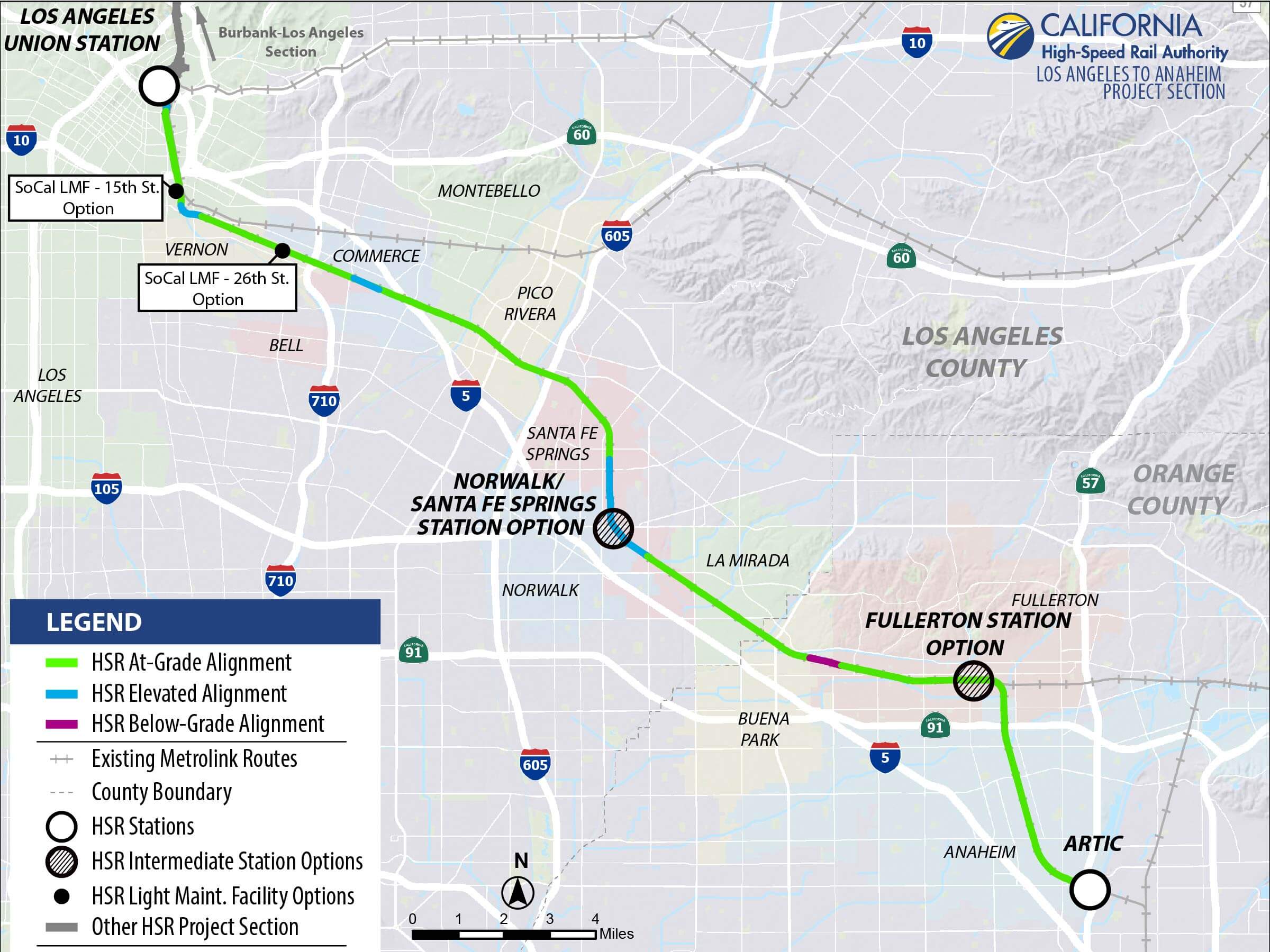
When you look at a map, the straight-line, or “as the crow flies,” distance between downtown Los Angeles and downtown Anaheim is approximately 25 miles (40 kilometers). This theoretical distance, however, rarely reflects the reality of road travel. Due to the winding nature of highways, urban sprawl, and specific points of interest within each city, the actual driving distance is slightly longer.
Typically, the driving distance between the central points of Anaheim (e.g., near the Disneyland Resort) and Los Angeles (e.g., Downtown LA or Hollywood) ranges from 26 to 30 miles (42 to 48 kilometers), depending on the exact starting and ending points and the specific route taken. The primary artery connecting these two hubs is Interstate 5 (I-5), a major freeway notorious for its traffic patterns.
Average Travel Times
This is where the “minutes” part of the equation becomes critical, and it’s also the most variable aspect. Under ideal conditions, meaning light traffic (very early morning, late night, or certain holidays), the drive between Anaheim and Los Angeles can take as little as 30 to 45 minutes.
However, “ideal conditions” are often a luxury in Southern California. During peak rush hour, which typically occurs from 6:00 AM to 10:00 AM and again from 3:00 PM to 7:00 PM on weekdays, the same journey can easily stretch to 60 to 90 minutes, or even longer if there are accidents, road closures, or special events. Weekends can also see significant traffic, especially on Saturday mornings and Sunday evenings, as people travel to and from attractions.
Factors Influencing Travel Time
Several elements contribute to the unpredictability of travel times:
- Time of Day and Day of Week: As mentioned, rush hour is the primary culprit for delays. Weekends, particularly around major holidays or when there are sporting events (e.g., at Angel Stadium or Honda Center in Anaheim, or Crypto.com Arena in Los Angeles), can also experience heavy congestion.
- Traffic Incidents: Accidents, stalled vehicles, or road construction can cause sudden and significant delays on major freeways like Interstate 5.
- Special Events: Concerts, conventions, or large sporting events in either city can overwhelm local roads and freeway exits, adding considerable time to your journey.
- Exact Destinations: Traveling from the northern edge of Anaheim to Hollywood will naturally take longer than traveling from central Anaheim to Downtown LA.
It’s always advisable to check real-time traffic updates using navigation apps before you depart.
Navigating the Journey: Transportation Options
Once you understand the distance and potential travel times, the next step is to choose your mode of transportation. Anaheim and Los Angeles offer a variety of ways to travel between them, each with its own advantages and disadvantages in terms of cost, convenience, and speed.
Driving Yourself
Driving is often the most popular choice for travelers in Southern California due to the region’s car-centric culture and the flexibility it offers.
- Pros: Unmatched flexibility to depart and arrive on your schedule, ability to stop at various points of interest along the way, and convenience for families with luggage.
- Cons: Traffic congestion can be severe, fuel costs add up, and parking can be expensive and challenging to find, especially in popular Los Angeles areas like Hollywood or Santa Monica.
- Routes: The most direct route is typically Interstate 5. Alternative routes, such as parts of I-605 or surface streets, might be suggested by navigation apps to avoid specific traffic hotspots, but they often add mileage.
- Tolls: There are no direct tolls on Interstate 5 between Anaheim and Los Angeles for general purpose lanes. However, some express lanes (“FasTrak” lanes) may be tolled, and you should be mindful of these if you don’t have a transponder.
Public Transportation
While not as direct as driving, public transport offers an eco-friendly and often more relaxing alternative, allowing you to avoid the stress of traffic.
- Metrolink: This commuter rail service is a viable option. You can take the Orange County Line or 91/Perris Valley Line from the Anaheim Regional Transportation Intermodal Center (ARTIC) directly to Los Angeles Union Station. The train ride itself can take around 45-55 minutes. From Union Station, you can connect to Metro Rail lines to reach various parts of Los Angeles, such as Hollywood, Downtown LA, or Santa Monica.
- Amtrak: The Pacific Surfliner route also connects Anaheim (ARTIC) with Los Angeles Union Station. Similar to Metrolink, the train journey is scenic and takes roughly 40-50 minutes.
- Metro Bus (Connections): While there isn’t a direct express bus route covering the entire distance, you can combine local bus services with rail connections. However, this option is generally slower and more complex, often requiring multiple transfers. It’s usually not recommended for first-time visitors covering the full distance.
Ride-Sharing Services and Taxis

Services like Uber and Lyft, along with traditional taxis, offer a convenient door-to-door experience without the hassle of driving or parking.
- Pros: Convenience, no need to navigate or find parking, flexibility in scheduling.
- Cons: Cost can be substantial, especially during peak hours (“surge pricing”) or for longer distances. A ride from Anaheim to Hollywood could easily range from $50-$80+, depending on demand.
- Availability: Generally readily available in both cities, though wait times can vary.
Shuttle Services
Several companies offer dedicated shuttle services, particularly aimed at tourists traveling between Disneyland Resort and Los Angeles International Airport (LAX) or various Los Angeles hotels.
- Pros: Often more cost-effective than a private ride-share for a single traveler, predetermined routes, and sometimes group discounts.
- Cons: Less flexible schedules, potential for multiple stops to pick up/drop off other passengers, which can extend travel time.
- Options: Look for shared-ride van services or private car services. Some hotels in Anaheim or Los Angeles may also offer their own shuttle options to popular attractions.
Strategic Planning: Maximizing Your Travel Experience
Successful travel between Anaheim and Los Angeles hinges on smart planning. By considering the practicalities, you can turn potential headaches into seamless transitions.
Best Times to Travel
To minimize time spent in traffic, strategy is key:
- Avoid Weekday Rush Hours: If driving, aim to travel between 10:00 AM and 3:00 PM on weekdays, or after 7:00 PM.
- Early Mornings: Departing before 6:00 AM can offer the quickest drive times, especially if you’re trying to get to a Disneyland Resort rope drop or an early Hollywood tour.
- Weekends: Saturday mornings can be busy heading to Orange County, and Sunday evenings can be congested returning to Los Angeles. Mid-day on weekends is often less predictable.
- Public Transit Advantage: Metrolink and Amtrak largely run on fixed schedules, making them a more predictable option during peak traffic hours, though you’ll still need to factor in connections and travel to/from stations.
Budgeting for Transit
Costs can vary widely depending on your chosen method:
- Driving: Factor in rental car fees (if applicable), gasoline (prices fluctuate), and parking fees (which can be substantial, especially in Los Angeles). Many Anaheim hotels also charge for parking.
- Public Transit: Individual train tickets are generally affordable (e.g., $10-$15 for a one-way Metrolink ticket). Consider day passes if you plan multiple rides within Los Angeles using Metro Rail and Metro Bus.
- Ride-Sharing/Taxis: While convenient, these are often the most expensive option for the full distance, particularly if you’re traveling solo or in a small group. However, they can be cost-effective if splitting the fare among several people.
- Shuttles: Can offer good value, especially if booked as part of a package or if you’re comfortable with shared rides.
Combining Attractions
Many visitors aim to experience both the magic of Disneyland Resort and the allure of Los Angeles’s diverse offerings.
- Base in One City: Some travelers choose to stay primarily in Anaheim for their Disneyland Resort visit and then take a day trip to Los Angeles. Others prefer the vibrant city life of Los Angeles and commute to Anaheim for their theme park days. Each strategy has its merits based on your priorities.
- Overnight Split: For a more relaxed pace, consider splitting your stay, spending a few nights in Anaheim and then moving to a Los Angeles hotel. This eliminates daily commutes and allows for deeper exploration of each area.
- Airport Considerations: Los Angeles International Airport (LAX) is the largest airport in the region, but John Wayne Airport (SNA) in Orange County is much closer to Anaheim. Factor in the distance from your arrival airport to your initial destination when planning.
Why the Journey Matters: Exploring Both Destinations
Understanding the distance and travel options isn’t just about logistics; it’s about unlocking the full potential of your Southern California trip by seamlessly enjoying the unique offerings of both Anaheim and Los Angeles.
Anaheim’s Allure
While Disneyland Resort (including Disneyland Park and Disney California Adventure Park) is undoubtedly the star attraction, Anaheim also offers other draws. Sports fans can catch a baseball game at Angel Stadium or an ice hockey match at Honda Center. The Anaheim Packing District provides a vibrant culinary experience with diverse food vendors. For convention-goers, the Anaheim Convention Center frequently hosts major events.
Los Angeles’s Diversity
Los Angeles is a mosaic of experiences. From the glitz and glamour of Hollywood Walk of Fame and Universal Studios Hollywood to the serene beauty of Santa Monica Pier and its beaches, there’s something for everyone. Explore world-class museums like The Getty Center, enjoy panoramic views from Griffith Observatory, or indulge in retail therapy at The Grove. The city’s diverse neighborhoods offer unique cultural experiences, from the vibrant markets of Grand Central Market to the artistic enclaves of the Arts District.
The distance between Anaheim and Los Angeles is a manageable one, often taking less than an hour under favorable conditions. By understanding the travel landscape, selecting the right transportation, and planning strategically, you can effortlessly connect these two major destinations and create a truly memorable Southern California adventure that combines theme park thrills with urban exploration.
LifeOutOfTheBox is a participant in the Amazon Services LLC Associates Program, an affiliate advertising program designed to provide a means for sites to earn advertising fees by advertising and linking to Amazon.com. Amazon, the Amazon logo, AmazonSupply, and the AmazonSupply logo are trademarks of Amazon.com, Inc. or its affiliates. As an Amazon Associate we earn affiliate commissions from qualifying purchases.