
The question of whether a place like Queens, New York can be categorized as a “ghetto” is a complex and often fraught one. The term itself carries significant historical baggage, typically evoking images of poverty, crime, neglect, and social disenfranchisement. However, to apply such a simplistic label to one of the most diverse and dynamic boroughs in New York City risks oversimplification and the erasure of its rich tapestry of cultures, vibrant communities, and burgeoning attractions. This article will delve into the multifaceted reality of Queens, moving beyond simplistic definitions to explore its diverse neighborhoods, its burgeoning tourism scene, and the lived experiences of its residents, ultimately aiming to provide a more nuanced understanding of this vital part of New York.

Decoding the Term “Ghetto”
Before we can assess Queens, it’s crucial to understand what the term “ghetto” historically and sociologically signifies. Originating from the Jewish quarter in Venice, Italy, the term evolved to describe segregated areas where minority groups were confined. In the context of urban United States, the word became synonymous with impoverished, predominantly minority neighborhoods characterized by substandard housing, limited economic opportunities, high crime rates, and social marginalization. These conditions often resulted from systemic issues like redlining, discriminatory housing policies, and disinvestment.
However, the application of this term in contemporary discourse is highly debated. Critics argue that labeling diverse urban areas as “ghettos” can perpetuate harmful stereotypes, ignore positive community resilience, and overlook gentrification and development that may be transforming these neighborhoods. It’s a term that often reflects an outsider’s perception rather than the complex internal dynamics of a community. When applied to a place as expansive and varied as Queens, it’s particularly problematic.
The Myth of Homogeneity
One of the primary reasons the “ghetto” label fails to accurately describe Queens is the sheer diversity that defines the borough. Queens is not a monolithic entity; it is a mosaic of over 100 distinct ethnic groups and more than 150 languages are spoken here. This unparalleled diversity is not just a statistic; it is the very essence of Queens, shaping its culture, its food, its festivals, and its everyday life. From the vibrant Indian community in Jackson Heights to the Korean enclaves of Flushing, and the Caribbean influences in St. Albans and Cambria Heights, each neighborhood possesses its unique identity, economy, and social fabric.
To paint all of this with the broad brush of “ghetto” ignores the thriving businesses, cultural institutions, and strong community bonds that exist across Queens. While pockets of economic hardship and challenges are present, as they are in many urban areas across the globe, they do not define the entirety of the borough. This diversity is a source of strength and a major draw for travelers seeking authentic cultural experiences.
Queens: A Hub of Culture, Cuisine, and Emerging Attractions
When considering Queens as a travel destination, the narrative shifts dramatically from any potential negative connotations of the word “ghetto.” Instead, Queens emerges as a vibrant hub offering a rich array of experiences for tourists, food enthusiasts, and culture seekers alike. The borough’s diverse population has cultivated a culinary landscape that is arguably the most exciting in all of New York City, offering authentic tastes from every corner of the globe.
Culinary Delights from Around the World
Queens’ reputation as a global food destination is well-earned. The borough is home to some of the most authentic and affordable ethnic eateries in America. In Flushing, one can embark on a culinary journey through China, with countless restaurants serving everything from delicate dim sum to fiery Sichuan specialties. Jackson Heights is a paradise for lovers of South Asian cuisine, offering an abundance of Indian, Nepalese, and Tibetan flavors. For a taste of the Caribbean, head to neighborhoods like Crown Heights (though technically in Brooklyn, its influence extends and similar vibes can be found in Queens’ Caribbean communities) or Jamaica, where you can savor jerk chicken, roti, and plantains.
Beyond these well-known enclaves, Queens offers a world of flavors in unexpected places. You can find authentic Greek food in Astoria, Italian delis in Howard Beach, and diverse Latin American fare scattered throughout the borough. This gastronomic richness is a direct result of the borough’s diverse population, offering residents and visitors alike a passport to global tastes without ever leaving New York City. The accessibility of these culinary experiences, often at more budget-friendly prices than in Manhattan, makes Queens an attractive option for lifestyle travelers seeking authentic experiences.
Exploring Queens’ Unique Landmarks and Attractions
While Manhattan may boast iconic skyscrapers and world-famous museums, Queens offers a different, yet equally compelling, set of attractions that highlight its unique history and cultural significance. The borough is home to significant landmarks, fascinating museums, and expansive green spaces that provide a refreshing contrast to the urban intensity of other parts of the city.
For sports enthusiasts, Flushing Meadows-Corona Park is a must-visit. This sprawling urban park, the site of two World’s Fairs in the mid-20th century, still boasts iconic structures like the Unisphere, a symbol of global interconnectedness. The park also houses the U.S. Open, one of the four Grand Slam tennis tournaments, drawing international crowds and showcasing athletic prowess. The New York Mets play their home games at Citi Field within the park, offering another major sporting attraction.
Queens’ cultural landscape is further enriched by institutions like the Museum of the Moving Image in Astoria, which celebrates the art, history, and technology of film, television, and digital media. The Socrates Sculpture Park, also in Astoria, offers a dynamic outdoor exhibition space for contemporary artists, set against the backdrop of the Manhattan skyline. For a glimpse into the borough’s industrial past and its transformation, the Louis Armstrong House Museum in Corona offers an intimate look at the life of the legendary jazz musician.
Furthermore, Queens’ diverse communities manifest in its vibrant streetscapes and neighborhood festivals. Exploring areas like Long Island City reveals a rapidly developing waterfront with stunning views of Manhattan, trendy art galleries, and a growing residential and business presence. This area is also home to unique accommodation options, from boutique hotels to serviced apartments, catering to a range of travelers.
Accommodation and Lifestyle in Queens
Queens offers a diverse range of accommodation options, from budget-friendly hotels and cozy apartments to more upscale stays. This variety caters to a broad spectrum of travelers, whether they are on a luxury travel adventure, a budget-conscious family trip, or a business stay. The borough’s strategic location, with excellent public transportation links to Manhattan and other parts of New York, makes it a practical and often more affordable base for exploring the entire city.
A Spectrum of Stays
When it comes to hotels, Queens has seen significant development in recent years, particularly in areas like Long Island City and near JFK International Airport and LaGuardia Airport. Travelers can find major hotel chains offering standard amenities, as well as boutique hotels with unique designs and personalized service. For those seeking a more home-like experience, serviced apartments and vacation rentals are readily available, offering the flexibility of self-catering and more space, which is ideal for family trips or longer business stays.
The cost of accommodation in Queens often presents a more attractive alternative to staying in Manhattan, allowing travelers to allocate more of their budget to experiences, dining, and attractions. This makes Queens a smart choice for budget travel without compromising on access to New York City‘s main highlights. Long-term stay options are also plentiful, catering to individuals or families relocating or working in the city for extended periods.
Lifestyle: Beyond the Stereotypes
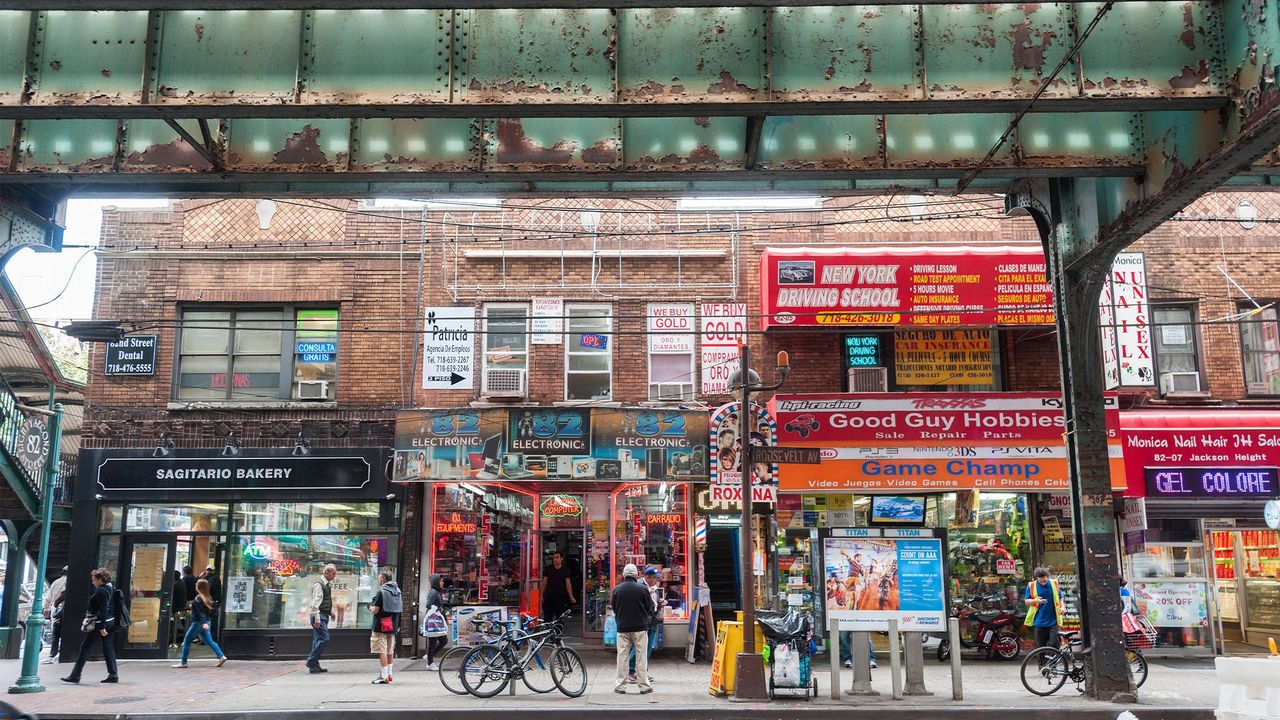
The lifestyle in Queens is as varied as its population. It is a borough where blue-collar communities thrive alongside burgeoning artistic scenes and a growing professional class. The accessibility to nature within parks like Flushing Meadows-Corona Park or Forest Park offers residents and visitors a respite from the urban environment. The vibrant street life, characterized by bustling markets, local festivals, and community events, fosters a strong sense of place and belonging.
While challenges such as income inequality and the impacts of gentrification are present, as they are in many urban areas, they do not define the collective experience of living in or visiting Queens. The narrative of Queens is one of resilience, cultural exchange, and continuous evolution. It’s a place where historic immigrant communities are deeply rooted, while new waves of residents contribute to its ever-changing dynamism.
In conclusion, to ask if Queens, New York is a “ghetto” is to fundamentally misunderstand its complex reality. It is a borough defined by its extraordinary diversity, its rich culinary heritage, its unique landmarks, and its vibrant, resilient communities. While it faces challenges common to many large urban areas, its strengths and its immense appeal as a travel destination and a place to live far outweigh any simplistic and inaccurate labels. Queens is not a ghetto; it is a world within a city, a testament to the power of diversity and the enduring spirit of human connection.
LifeOutOfTheBox is a participant in the Amazon Services LLC Associates Program, an affiliate advertising program designed to provide a means for sites to earn advertising fees by advertising and linking to Amazon.com. Amazon, the Amazon logo, AmazonSupply, and the AmazonSupply logo are trademarks of Amazon.com, Inc. or its affiliates. As an Amazon Associate we earn affiliate commissions from qualifying purchases.