
Embarking on a journey across the vast American West is an experience filled with scenic beauty, diverse landscapes, and incredible opportunities for adventure. For many travelers, the question “How far is California from Colorado?” is the crucial first step in planning an unforgettable road trip, a quick flight, or a leisurely train ride between these two iconic states. While both offer distinct charms – California’s sprawling coastlines and vibrant cities contrasting with Colorado’s majestic Rocky Mountains and outdoor adventures – understanding the geographical span separating them is essential for any well-conceived travel itinerary.
The distance between California and Colorado is not a single, fixed number; it varies significantly depending on your specific starting point in California and your intended destination in Colorado, as well as the chosen mode of transport. However, generally speaking, these two states are separated by roughly 800 to 1,200 miles as the crow flies, translating into even greater distances when traveling by road. This extensive stretch offers a rich tapestry of landscapes, from arid deserts and towering mountains to bustling urban centers, making the journey itself an integral part of the travel experience.
The Geographic Span: Understanding the Distance
The vastness of the American West means that the distance between California and Colorado is more complex than a simple measurement. Travelers must consider various factors that influence both the perceived and actual miles covered.
Direct Distance vs. Driving Distance
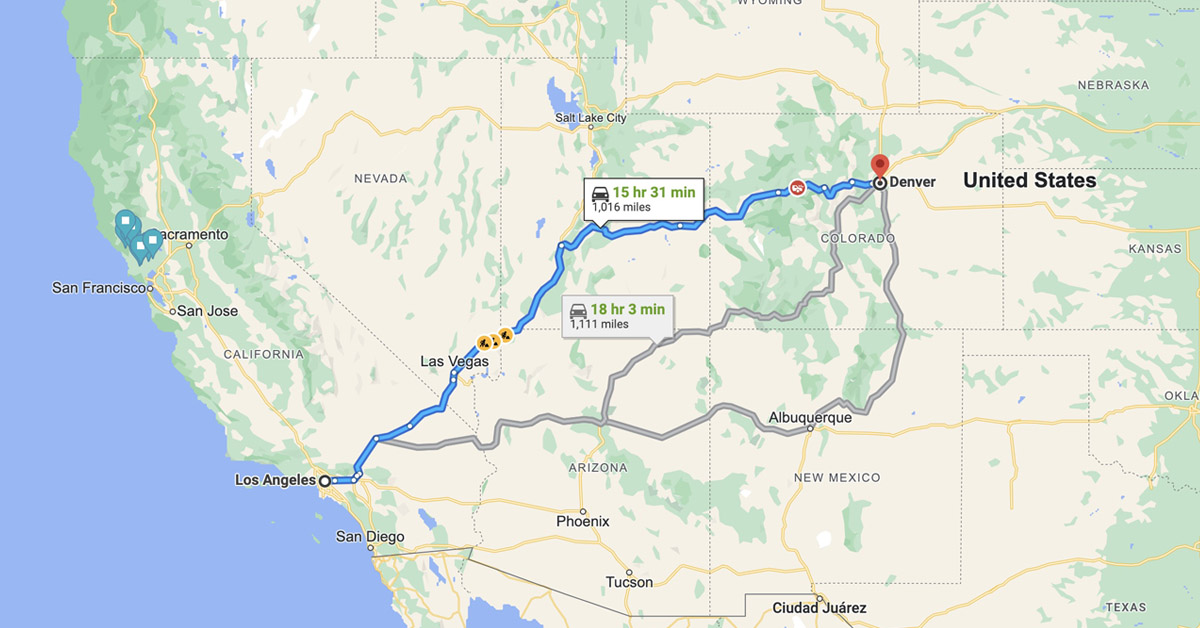
The “as the crow flies” or direct aerial distance between, say, Los Angeles, California, and Denver, Colorado, is approximately 800 miles (1,287 km). However, this direct line is rarely navigable by land. Driving distances are significantly longer due to the necessity of following established road networks, which weave around natural barriers like mountain ranges and vast desert areas, and often pass through other states. Therefore, a journey that might be 800 miles directly could easily stretch to 1,000-1,200 miles (1,600-1,900 km) or more by car.
Key Entry/Exit Points
The choice of origin and destination cities greatly impacts the total mileage. For instance, a trip from San Francisco in northern California to Denver will typically be longer than a journey from Los Angeles to Colorado Springs.
- Los Angeles to Denver: One of the most common routes, typically spanning about 1,000 to 1,050 miles (1,609-1,690 km), requiring approximately 15-17 hours of non-stop driving.
- San Francisco to Denver: A longer journey, often exceeding 1,200 miles (1,930 km) and taking 18-20 hours of continuous driving.
- San Diego to Colorado Springs: Similar to Los Angeles to Denver, often around 1,000 miles, with a driving time of 16-18 hours.
These figures represent pure driving time, not accounting for stops for fuel, food, rest, or overnight stays. Realistically, a driving trip between these states will take at least two full days, and often three, to be enjoyed safely and comfortably.
States in Between
The states bridging California and Colorado include Nevada, Arizona, and Utah. Most driving routes will traverse at least two of these, offering travelers a chance to experience the unique landscapes and attractions within them. For example, popular southern routes might take you through Nevada (including Las Vegas) and Arizona, while more northern trajectories might lead through Nevada and Utah (like Salt Lake City). Each transit state presents its own set of potential detours and attractions, enhancing the overall journey.
Navigating the Journey: Travel Modes and Times
Choosing the right mode of transportation is paramount when traveling between California and Colorado, as each offers a distinct experience in terms of time, cost, comfort, and scenic opportunity.
Driving
Driving is arguably the most popular way to traverse the distance, offering unparalleled flexibility and the chance to explore at your own pace.
- Typical Routes: The most common routes include Interstate 70 (I-70) through Utah and Colorado, connecting to Interstate 15 (I-15) which runs through Nevada to California. Another option involves U.S. Route 50 (US-50), often called “The Loneliest Road in America,” offering a more rugged and less-trafficked experience.
- Estimated Driving Time: As mentioned, 15-20 hours of pure driving, which translates to a minimum of two days. A three-day trip allows for more comfortable driving segments, sightseeing, and rest.
- Considerations: Weather can significantly impact driving conditions, particularly in winter with snow in mountain passes in Colorado and Utah. Summer heat in the deserts of Nevada and Arizona also requires planning for vehicle maintenance and hydration. Planning fuel stops in remote areas is crucial, as is accounting for time zone changes.
Flying
For those prioritizing speed, flying is the most efficient option.
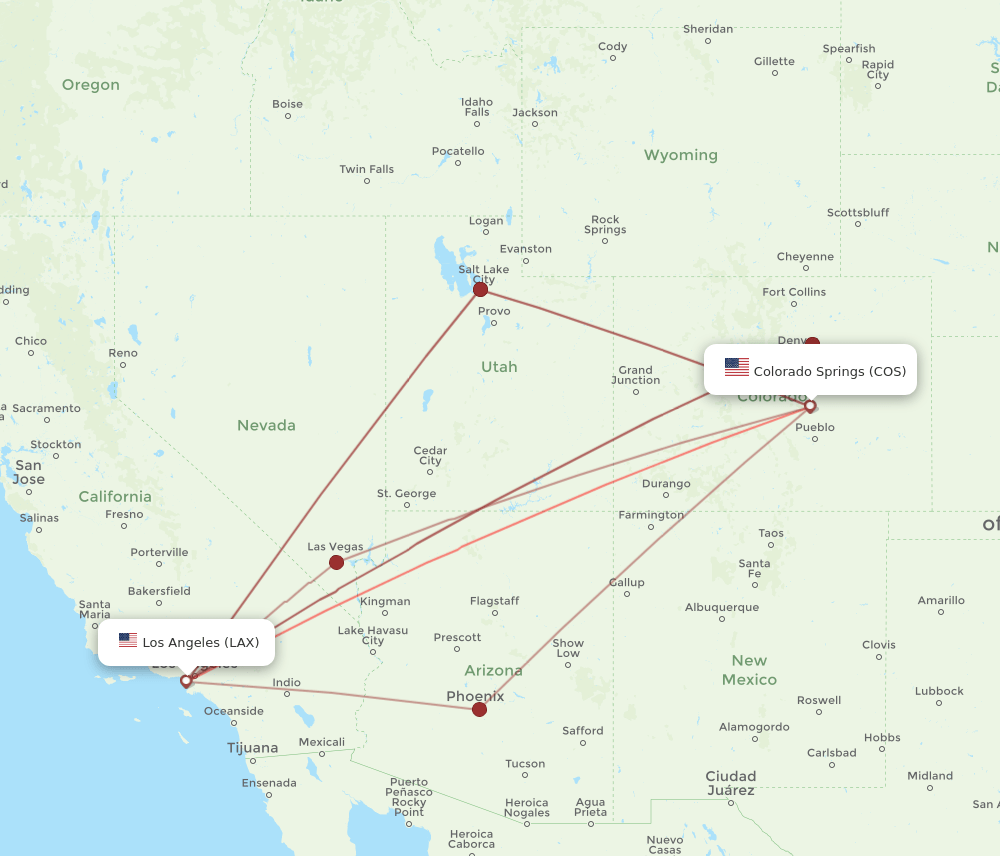
- Major Airports: California boasts major hubs like Los Angeles International Airport (LAX) and San Francisco International Airport (SFO). In Colorado, Denver International Airport (DIA) serves as a primary gateway.
- Flight Duration: Direct flights typically range from 2 to 3 hours, depending on the specific airports.
- Considerations: While the flight itself is short, travelers must factor in time for airport check-in, security, potential layovers, and travel to and from the airports. When all these elements are considered, a flight can still consume half a day or more, though it remains significantly faster than driving. Cost can vary widely based on booking in advance, time of year, and airline.
Train Travel (Amtrak)
For a more leisurely and scenic journey, Amtrak offers a unique perspective.
- Routes: The famed California Zephyr route is a highlight, offering breathtaking views of the Sierra Nevada mountains, Mojave Desert, and the Rocky Mountains. It travels between Emeryville (near San Francisco) and Chicago, with major stops in Colorado cities like Denver.
- Duration: A train journey from California to Colorado can take anywhere from 24 to 30+ hours, depending on the specific route and any delays.
- Experience: Train travel is a journey in itself, allowing passengers to relax, enjoy dining car services, and witness stunning landscapes unfold outside their window. It’s an excellent option for those not in a rush, seeking a unique travel experience.

Bus Travel (Greyhound)
Bus services like Greyhound provide a budget-friendly alternative.
- Duration: Similar to train travel, bus journeys are long, often taking 20 to 30+ hours, with multiple stops and transfers.
- Considerations: While economical, bus travel can be less comfortable than other modes, especially for such long distances. It’s often chosen by budget-conscious travelers or those without access to a personal vehicle.
Planning Your Road Trip: Essential Considerations
For those opting for the adventure of a road trip, careful planning transforms a long drive into a memorable journey.
Route Selection
The specific route you choose will define your experience. Southern routes from Southern California (Los Angeles, San Diego) typically involve passing through Las Vegas, offering an urban oasis in the desert. Further north, routes from Northern California (San Francisco, Sacramento) might take you through Reno and Salt Lake City. Each route has unique scenic attractions and practical considerations regarding services and road conditions.
Best Time to Travel
Seasonality plays a significant role in road trip planning.
- Spring and Fall: Generally considered the best times, offering pleasant temperatures and manageable crowds. The desert regions are cooler, and mountain passes are typically clear of snow.
- Summer: Popular for family vacations, but be prepared for intense heat in desert areas and potential thunderstorms in the mountains. Booking accommodations and popular attractions well in advance is essential.
- Winter: Presents challenges, especially for routes through the Rocky Mountains and Sierra Nevada, where snow and ice can lead to road closures or hazardous driving conditions. While scenic, winter travel requires extra preparation, including appropriate tires and emergency supplies.
What to Pack
Beyond personal belongings, a road trip between California and Colorado necessitates a well-stocked vehicle. Essentials include plenty of water, snacks, a first-aid kit, vehicle emergency tools (jumper cables, tire repair kit), a physical map (in case of no cell service), and entertainment for passengers. Depending on the season, warm layers, sunscreen, and hats are also crucial.
Accommodation Along the Way
With a 2-3 day driving trip, you’ll need at least one or two overnight stops. Popular stopover cities include Las Vegas, St. George or Moab in Utah, or Flagstaff in Arizona. Booking your accommodations in advance, especially during peak travel seasons, is highly recommended to secure preferred lodging and avoid last-minute stress. Options range from budget motels to luxurious resorts, depending on your preferences and travel style.
Beyond the Miles: Making the Journey Part of the Destination
The distance between California and Colorado is not just a measure of miles; it’s an invitation to explore. The states in between offer a wealth of natural wonders and unique cultural experiences that can transform a mere transit into an unforgettable part of your travel story.
Scenic Byways and National Parks
The American Southwest is home to an unparalleled concentration of National Parks and stunning landscapes. Depending on your chosen route, you could easily incorporate stops at:
- Zion National Park (Utah): Famous for its massive sandstone cliffs and narrow canyons, offering incredible hiking opportunities.
- Bryce Canyon National Park (Utah): Known for its unique geological structures called hoodoos.
- Grand Canyon National Park (Arizona): One of the world’s most iconic natural wonders, offering breathtaking vistas.
- Arches National Park (Utah): Home to over 2,000 natural sandstone arches.
- Death Valley National Park (California/Nevada): A land of extremes, offering vast salt flats, colorful badlands, and incredible stargazing.
- Mesa Verde National Park (Colorado): Showcasing ancestral Pueblo cliff dwellings.
These detours can add significant time to your journey but offer profound rewards, allowing you to immerse yourself in the natural beauty and rich history of the region.
Iconic Cities to Explore
Beyond the natural wonders, several cities along the way offer vibrant cultural experiences and amenities.
- Las Vegas (Nevada): A world-renowned entertainment hub, perfect for an overnight stop with dining, shows, and casinos.
- Salt Lake City (Utah): A city rich in history and outdoor access, offering a different urban experience.
- Flagstaff (Arizona): A charming mountain town often used as a gateway to the Grand Canyon.
Integrating these stops into your itinerary not only breaks up the driving but also adds layers of unique experiences, transforming a simple journey into a multi-destination adventure.
Ultimately, the distance between California and Colorado is more than just miles; it’s an opportunity. Whether you opt for the efficiency of a flight, the panoramic views of a train ride, or the freedom of a road trip, careful planning ensures your travel between these two magnificent states is as enriching as the destinations themselves. From the Pacific Coast to the peaks of the Rocky Mountains, the journey is ripe for discovery and adventure.
LifeOutOfTheBox is a participant in the Amazon Services LLC Associates Program, an affiliate advertising program designed to provide a means for sites to earn advertising fees by advertising and linking to Amazon.com. Amazon, the Amazon logo, AmazonSupply, and the AmazonSupply logo are trademarks of Amazon.com, Inc. or its affiliates. As an Amazon Associate we earn affiliate commissions from qualifying purchases.