
Navigating the process of obtaining a prescription for Adderall in Texas requires a thorough understanding of medical guidelines, legal frameworks, and the specific needs of patients. Adderall, a stimulant medication primarily used to treat Attention Deficit Hyperactivity Disorder (ADHD) and narcolepsy, falls under strict regulatory control due to its potential for misuse and dependence. This article aims to provide a comprehensive guide for individuals seeking a prescription in the Lone Star State, covering the essential steps, considerations, and responsible practices involved.
The journey to a prescription typically begins with a formal diagnosis. Texas follows national standards for the diagnosis of ADHD, which involves a comprehensive evaluation by a qualified healthcare professional. This evaluation goes beyond simply identifying symptoms; it delves into a person’s history, behavioral patterns, and the impact of their condition on daily life.

Understanding the Diagnostic Process in Texas
The diagnosis of ADHD in Texas is a multi-faceted process designed to ensure accuracy and appropriate treatment. It is not a diagnosis that can be made lightly or without significant evidence. Healthcare providers will typically employ several methods to gather the necessary information.
Comprehensive Medical and Psychological Evaluation
The cornerstone of obtaining an Adderall prescription is a thorough medical and psychological evaluation. This involves a detailed discussion with a physician or a qualified mental health professional, such as a psychiatrist, psychologist, or licensed clinical social worker. During this consultation, the patient will be asked about:
- Symptom History: This includes when symptoms of inattention, hyperactivity, and impulsivity first appeared, their severity, and how they have evolved over time. For adults, this often involves discussing childhood experiences and how symptoms have manifested in academic, professional, and personal life.
- Impact on Functioning: Healthcare providers need to understand how ADHD symptoms affect a person’s ability to function in various settings. This includes challenges with work or school performance, relationships, organization, time management, and emotional regulation.
- Medical History: A complete medical history is crucial. This includes any pre-existing medical conditions, current medications, allergies, and family history of mental health conditions or substance use disorders. Certain medical conditions or medications can mimic ADHD symptoms or interact negatively with stimulant medications.
- Psychological Assessment: This may involve standardized questionnaires and rating scales that help quantify the severity of ADHD symptoms. These tools are often administered to the patient and, with their consent, to individuals who know them well, such as parents, spouses, or teachers, to provide a broader perspective.
- Differential Diagnosis: It is vital to rule out other conditions that can present with similar symptoms to ADHD. These can include anxiety disorders, depression, learning disabilities, sleep disorders, and thyroid problems. A comprehensive evaluation ensures that ADHD is the correct diagnosis and that other treatable conditions are not overlooked.
The Role of Specialists
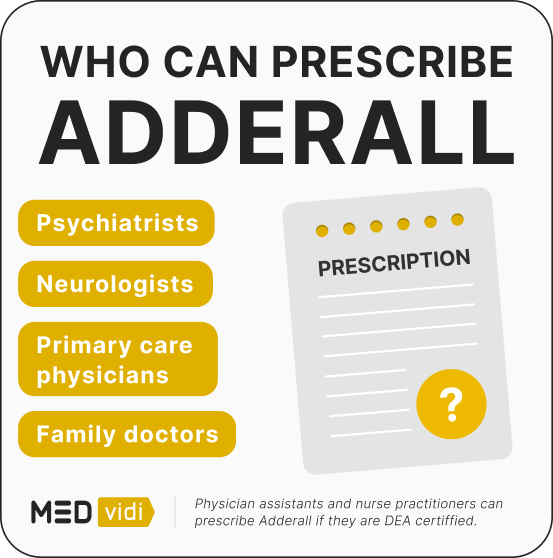
While a general practitioner might initiate the conversation, the definitive diagnosis and prescription for stimulant medications like Adderall are often best handled by specialists. In Texas, this typically means consulting with:
- Psychiatrists: These medical doctors specialize in mental health and are well-versed in diagnosing and treating conditions like ADHD. They can prescribe medication and manage its effects.
- Psychologists: Clinical psychologists often conduct comprehensive psychological assessments, including neuropsychological testing, which can help identify cognitive deficits associated with ADHD. While they can diagnose ADHD, they typically do not prescribe medication themselves, but they work closely with prescribing physicians.
- Pediatricians and Neurologists: For children, pediatricians and neurologists are often the first point of contact and can diagnose and manage ADHD, often collaborating with child psychologists or psychiatrists.
The Prescription Process and Physician Responsibility
Once a diagnosis is confirmed, the process of obtaining a prescription for Adderall in Texas shifts to the prescribing physician’s responsibilities and the patient’s adherence to medical advice. Physicians are legally and ethically bound to prescribe medication responsibly, ensuring it is medically necessary and that the patient understands the risks and benefits.
Medical Necessity and Treatment Guidelines
Physicians in Texas, like elsewhere in the United States, must adhere to established medical necessity guidelines for prescribing stimulant medications. This means they must document that:
- ADHD Diagnosis is Present: The patient meets the diagnostic criteria for ADHD, as outlined in the Diagnostic and Statistical Manual of Mental Disorders (DSM-5).
- Symptoms are Persisting and Significant: The ADHD symptoms are persistent and cause significant impairment in at least two settings (e.g., home and work/school).
- Other Treatments Have Been Considered: While not always mandatory, physicians often consider non-pharmacological interventions like behavioral therapy or lifestyle changes as part of a comprehensive treatment plan before or alongside medication. However, for moderate to severe ADHD, medication is frequently a necessary component.
- Stimulant Medication is Appropriate: Adderall is considered the most appropriate pharmacological treatment option given the patient’s specific symptoms and needs, and that potential benefits outweigh the risks.
Controlled Substance Regulations
Adderall is classified as a Schedule II controlled substance by the Drug Enforcement Administration (DEA) due to its high potential for abuse and dependence. This classification imposes strict regulations on its prescription and dispensing:
- Prescription Requirements: Prescriptions for Schedule II substances in Texas must be written, signed, and dated by the prescribing practitioner. Electronic prescriptions are permissible under certain conditions. There are limitations on the quantity that can be prescribed at once, and refills are generally not allowed. New prescriptions are required for each refill.
- Physician Monitoring: Prescribing physicians are obligated to monitor patients closely for effectiveness, side effects, and signs of misuse or diversion. This typically involves regular follow-up appointments, which are often required every few months for patients on controlled substances.
- Prescription Drug Monitoring Programs (PDMPs): Texas participates in a statewide Prescription Drug Monitoring Program (PDMP). This database allows healthcare providers and pharmacists to check a patient’s prescription history for controlled substances. This is a critical tool for identifying potential doctor shopping or multiple prescriptions from different providers, which are red flags for misuse.
- Patient Education: Prescribing physicians must thoroughly educate patients about the correct dosage, potential side effects, risks of dependence, and the importance of taking Adderall exactly as prescribed. They will also discuss safe storage and disposal of the medication.
Navigating the Application and Follow-Up Process
For individuals seeking to get Adderall prescribed in Texas, understanding the practical steps and ongoing requirements is crucial. It’s not a one-time appointment; it’s a partnership with a healthcare provider focused on safe and effective treatment.
Finding a Qualified Healthcare Provider
The first practical step is to find a healthcare provider who is qualified and willing to evaluate for ADHD and potentially prescribe stimulant medication. This might involve:
- Referrals: Your primary care physician can be an excellent starting point. They can refer you to a psychiatrist or psychologist specializing in ADHD evaluation.
- Insurance Provider: Your health insurance provider’s website or customer service can offer a list of in-network specialists who treat ADHD.
- Online Directories: Professional organizations for psychiatrists and psychologists often have searchable directories of members in Texas.
When scheduling an appointment, it’s helpful to mention you are seeking an evaluation for ADHD symptoms. This allows the clinic to allocate appropriate time and gather preliminary information.
The Initial Consultation and Follow-Up
During your initial consultation, expect the process described earlier: a thorough history, symptom assessment, and discussion of your concerns. If the provider suspects ADHD, they will outline the next steps, which may include further testing or a period of observation.
If Adderall is deemed an appropriate treatment, the physician will prescribe an initial dosage. It is vital to attend all scheduled follow-up appointments. These are not just check-ins; they are essential for:
- Dosage Adjustment: Finding the optimal dose of Adderall often requires titration, meaning the dose is gradually increased until the desired therapeutic effect is achieved with minimal side effects.
- Monitoring for Side Effects: Common side effects of Adderall can include insomnia, decreased appetite, increased heart rate, and anxiety. Physicians monitor these and adjust treatment as needed.
- Assessing Efficacy: The provider will evaluate how well the medication is working to manage your ADHD symptoms and improve your daily functioning.
- Ensuring Adherence: Consistent adherence to the prescribed regimen is paramount for both safety and effectiveness. Follow-up appointments reinforce the importance of taking the medication as directed.
- Detecting Misuse: Regular check-ins allow physicians to observe for any signs that the medication is being misused or diverted.

Responsible Medication Management
Responsible management of Adderall is a shared responsibility between the patient and the prescriber. This includes:
- Taking Medication as Prescribed: Never deviate from the dosage or timing instructions provided by your doctor. Do not increase the dose, take it more frequently, or use it in any way other than prescribed.
- Avoiding Alcohol and Other Substances: Combining Adderall with alcohol or other drugs can be dangerous and lead to unpredictable side effects or exacerbate existing health problems.
- Safe Storage: Keep Adderall in a secure place, out of reach of children and others who might misuse it.
- Proper Disposal: Unused or expired medication should be disposed of properly to prevent accidental ingestion or environmental contamination. Pharmacies often offer drug take-back programs.
- Open Communication: Maintain open and honest communication with your healthcare provider about any concerns, side effects, or changes in your condition.
Obtaining an Adderall prescription in Texas is a process that emphasizes accurate diagnosis, medical necessity, and responsible prescribing practices. By understanding the evaluation process, the role of healthcare professionals, and the regulatory framework surrounding controlled substances, individuals can navigate this path effectively and safely. The ultimate goal is to achieve the best possible outcome for managing ADHD, ensuring that medication is used as a tool for improving quality of life.
LifeOutOfTheBox is a participant in the Amazon Services LLC Associates Program, an affiliate advertising program designed to provide a means for sites to earn advertising fees by advertising and linking to Amazon.com. Amazon, the Amazon logo, AmazonSupply, and the AmazonSupply logo are trademarks of Amazon.com, Inc. or its affiliates. As an Amazon Associate we earn affiliate commissions from qualifying purchases.