
Embarking on a journey between two vastly different yet equally captivating states, California and Utah, presents an exhilarating prospect for any traveler. The question “How far is California to Utah?” might seem simple, but the answer unfolds into a rich tapestry of distances, travel times, scenic routes, and diverse experiences waiting to be discovered. This guide will delve into the practicalities of traversing this western expanse, offering insights to help you plan an unforgettable adventure.
Understanding the Geographic Span
The distance between California and Utah is not a single, fixed number. Both are large states, and the exact mileage depends heavily on your specific starting point in California and your intended destination in Utah. This variability is what makes planning so crucial and, frankly, so exciting.

The Varied Distances Between Key Cities
To give a clearer picture, let’s consider the distances between some prominent urban centers. These examples serve as a useful baseline for estimating your travel time and planning your itinerary.
Los Angeles to Salt Lake City
One of the most common routes connects Southern California’s sprawling metropolis with Utah’s capital. The drive from Los Angeles, California, to Salt Lake City, Utah, typically covers approximately 700 to 730 miles. This journey largely follows I-15 northbound and usually takes between 10 to 12 hours of pure driving time, not accounting for stops, traffic, or overnight stays. It’s a significant drive often broken up by an overnight stop, frequently in Las Vegas, Nevada.
San Francisco to Salt Lake City
For those beginning their trip in Northern California, the journey from San Francisco to Salt Lake City takes a different path and covers a greater distance. This route, often utilizing I-80 eastbound, spans roughly 720 to 750 miles. The driving time generally ranges from 11 to 13 hours. This northern corridor offers its own unique vistas, including crossing the vast Nevada desert and skirting the stunning Lake Tahoe region depending on your exact routing.
Las Vegas as a Key Intermediary Point
It’s worth noting that Las Vegas, Nevada, serves as a crucial waypoint for many travelers heading from Southern California to Utah. It’s approximately a 4 to 5-hour drive from Los Angeles and positions travelers perfectly for the remaining 6 to 7-hour drive to Salt Lake City or for branching off towards Utah’s famous national parks. From Las Vegas, you are only about 2 hours from the Utah state border, and the scenic drive into southwestern Utah is truly breathtaking.
Factors Influencing Travel Distance
Beyond the major city pairs, several factors contribute to the variation in travel distances:
- Starting Point in California: California is a vast state, stretching over 800 miles from north to south. Starting in San Diego versus Sacramento will naturally add or subtract hundreds of miles to your journey.
- Destination in Utah: Similarly, Utah offers diverse destinations. Heading to St. George in the south is a much shorter drive from Southern California than reaching Moab in the east or Logan in the north.
- Chosen Route (Direct vs. Scenic): While major interstates provide the most direct paths, many travelers opt for scenic detours that might add miles but significantly enhance the travel experience. Think of routes through national parks or historical byways.
Modes of Transportation and Travel Times
Understanding the distance is only one piece of the puzzle; how you choose to cover that distance dramatically impacts your travel time and overall experience.
Driving: The Most Popular Choice
For many, a road trip is the quintessential way to experience the American West, offering flexibility and the freedom to explore.
Average Driving Times
As mentioned, a direct drive from Los Angeles to Salt Lake City averages 10-12 hours, while from San Francisco to Salt Lake City is 11-13 hours. These are often considered two-day drives for most travelers, allowing for a comfortable pace, stops for meals, and enjoying the journey.
Key Interstates
The primary arteries connecting California to Utah are I-15 and I-80. I-15 is the most direct route from Southern California, passing through Las Vegas and into Southern Utah, where it eventually leads to Salt Lake City. I-80 dominates the northern route, connecting Northern California (via Sacramento) through Nevada and directly into Salt Lake City.
Considerations for Road Trips
Planning a road trip requires more than just knowing the mileage. Factor in fuel stops, meal breaks, potential traffic delays (especially around major cities), and weather conditions, which can drastically affect travel times, particularly in winter months. Always carry an emergency kit, plenty of water, and snacks, especially when traversing remote stretches of Nevada and Utah.
Flying: The Quickest Option
For those prioritizing speed and convenience, flying is undeniably the fastest way to get from California to Utah.
Major Airports in California
Major international airports like Los Angeles International Airport (LAX) and San Francisco International Airport (SFO) offer numerous direct flights to Utah. Other regional airports throughout California also provide connecting flights.
Major Airports in Utah
The primary gateway to Utah by air is Salt Lake City International Airport (SLC). It’s a hub for various airlines, offering convenient access to the entire state.
Typical Flight Durations and Layovers
Direct flights from LAX or SFO to SLC typically take around 1.5 to 2 hours. Even with airport security, boarding, and deplaning, the total travel time is generally under half a day, making it ideal for shorter trips or if time is of the essence.
Other Options: Bus and Train
While less popular for this particular route, bus and train services offer alternative, often more budget-friendly, ways to travel.
Greyhound Services
Greyhound operates routes connecting major cities in California to Salt Lake City and other destinations in Utah. These journeys are significantly longer than driving, often taking 15-20+ hours, depending on transfers and stops.
Amtrak Routes
Amtrak offers scenic train travel options. The California Zephyr provides a picturesque route from the San Francisco Bay Area (via Emeryville) to Salt Lake City and beyond, taking approximately 16-18 hours. While longer, it offers unparalleled views and a relaxed travel experience. The Southwest Chief runs from Los Angeles eastward, connecting to parts of the Southwest but not directly to Salt Lake City without a transfer.
Popular Routes and Scenic Byways
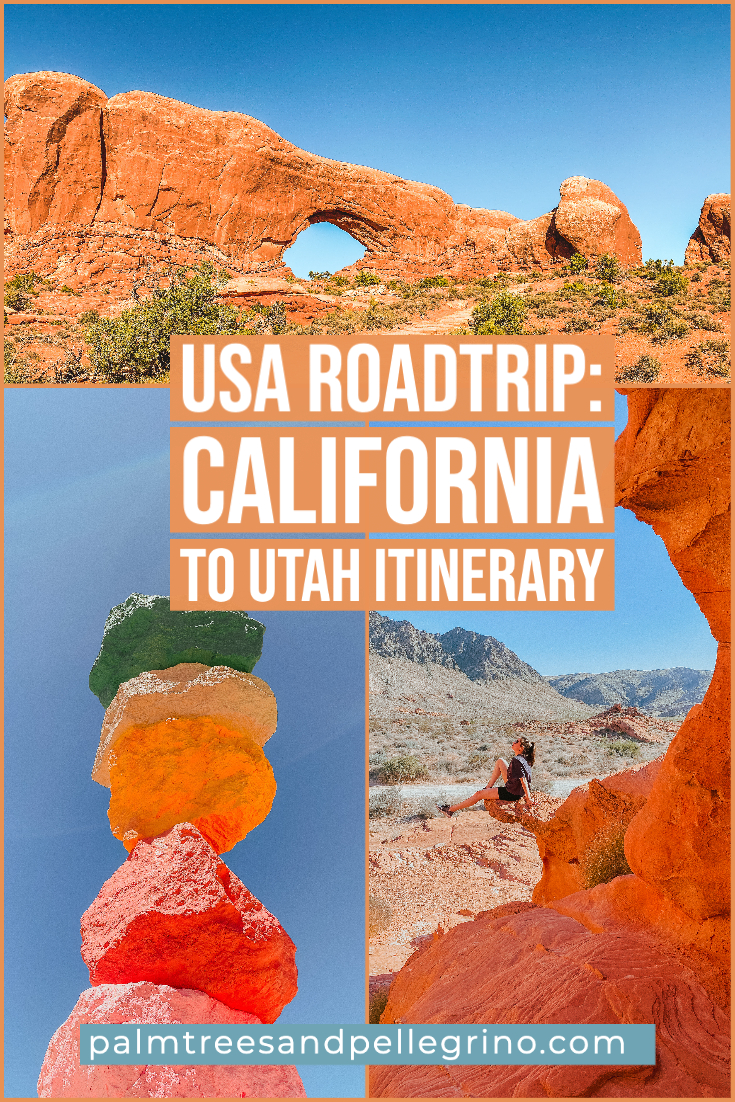
The journey itself can be as rewarding as the destination, especially when traveling from California to Utah, which boasts some of America’s most iconic landscapes.
The Southern Route: I-15 Corridor
The I-15 corridor is the go-to for travelers from Southern California.
Highlights: Las Vegas, Zion National Park, Bryce Canyon National Park
Starting in Los Angeles or San Diego, you’ll first pass through Las Vegas, a vibrant city perfect for a mid-journey stop. As you leave Nevada and enter Southern Utah, the landscape transforms dramatically into breathtaking red rock country. This route provides easy access to spectacular natural wonders like Zion National Park and Bryce Canyon National Park, both just a short detour off I-15. These parks are world-renowned for their stunning rock formations and offer incredible hiking opportunities.
The Northern Route: I-80 Corridor
For those originating in Northern California, I-80 offers a direct path to Utah.
Highlights: Sacramento, Lake Tahoe, Reno, Salt Flats
From the capital city of Sacramento, I-80 climbs into the Sierra Nevada mountains, passing close to the beauty of Lake Tahoe and through the bustling city of Reno, Nevada. The journey across Nevada on I-80 offers vast desert expanses, leading into the unique geological phenomenon of the Bonneville Salt Flats as you approach Salt Lake City. This route, while less mountainous than the southern approach through Southern Utah, has its own stark beauty and historical significance.
Combining Routes for Adventure
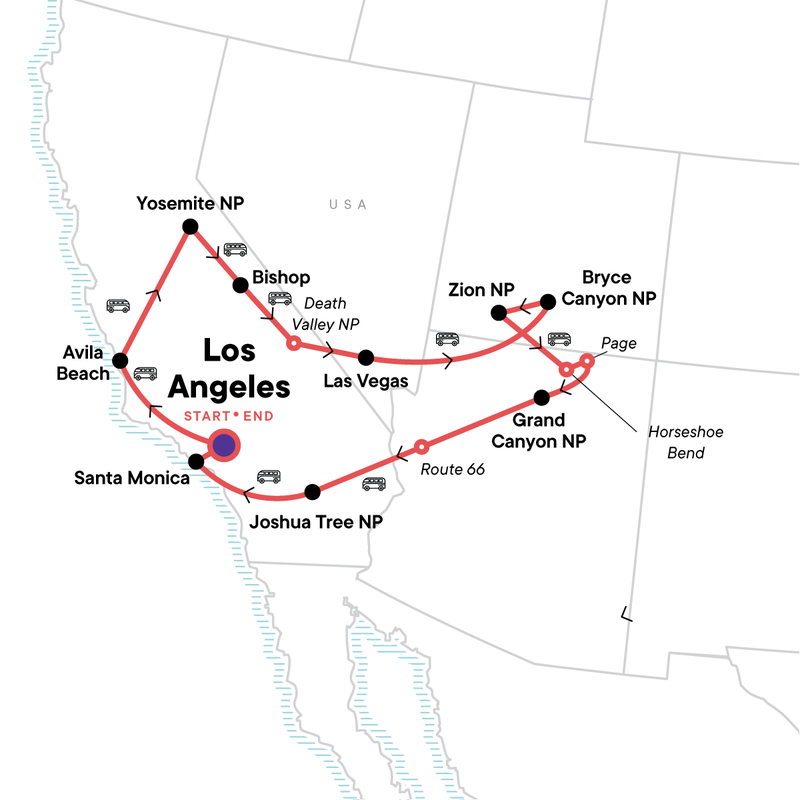
For the ultimate Western adventure, consider a loop trip. Drive one route to your destination in Utah and return via the other, allowing you to experience both the diverse landscapes of I-15 and I-80. This also provides opportunities to incorporate even more of Utah’s famous national parks.
Planning Your Journey: Essential Travel Tips
A well-planned trip ensures a smooth and enjoyable experience, especially when covering significant distances.
Best Time to Travel
Seasonal Considerations (Weather, Crowds)
Spring (April-May) and Fall (September-October) are generally considered the best times to travel from California to Utah. Temperatures are mild, making outdoor activities comfortable, and crowds in popular national parks are manageable compared to the peak summer season. Summer (June-August) can be very hot, particularly in the deserts of Nevada and Southern Utah, but all the attractions are fully open.
Winter Travel Challenges
Winter travel (November-March) can be challenging, especially in the higher elevations of the Sierra Nevada mountains (Northern Route) and parts of Utah. Snow and ice can lead to road closures or hazardous driving conditions. Always check weather forecasts and road conditions before embarking on a winter journey.
Preparing for a Road Trip
If driving, thorough preparation is key.
Vehicle Maintenance
Ensure your vehicle is in excellent condition. Check tires, oil, fluids, and brakes. A breakdown in remote areas can be costly and inconvenient.
Packing Essentials
Beyond clothing, pack an emergency kit with first aid supplies, a flashlight, blankets, jumper cables, and tools. Carry plenty of water, non-perishable snacks, and a physical map in case GPS signal is lost.
Accommodation Along the Way
Book accommodations in advance, especially if traveling during peak season or planning to stay in popular spots like Las Vegas or near national parks.
Exploring Beyond the Destination
The proximity of California and Utah opens up incredible opportunities for extended exploration.
National Parks in Utah
Utah is home to the “Mighty 5” national parks: Zion National Park, Bryce Canyon National Park, Arches National Park, Canyonlands National Park, and Capitol Reef National Park. Each offers unique landscapes and activities, from hiking iconic trails to stargazing under vast desert skies.
Attractions in California Before Leaving
Consider starting your adventure early in California. Explore the majestic giant sequoias in Yosemite National Park or experience the extreme landscapes of Death Valley National Park, both of which can be incorporated into a drive towards Utah if planned correctly.
Making the Most of Your California-Utah Adventure
The distance from California to Utah is substantial, but it’s a manageable and incredibly rewarding journey. Whether you’re seeking the thrill of a cross-country road trip or the convenience of a short flight, both states offer a wealth of experiences.
Budgeting and Time Management
Allocate sufficient time and budget for your trip. Longer road trips often require at least one overnight stop. Factor in fuel costs, potential park entrance fees, accommodation, and food.
Safety and Preparedness
Always prioritize safety. Inform someone of your travel plans, especially if venturing into remote areas. Have a fully charged phone and consider carrying a portable charger.
Embrace the Journey
Ultimately, the journey from California to Utah is more than just covering miles; it’s an opportunity to witness the incredible diversity of the American West. From the bustling Pacific coast to the serene desert landscapes and majestic mountains, every mile tells a story. Embrace the open road, the changing scenery, and the spirit of adventure that defines travel between these two magnificent states.
LifeOutOfTheBox is a participant in the Amazon Services LLC Associates Program, an affiliate advertising program designed to provide a means for sites to earn advertising fees by advertising and linking to Amazon.com. Amazon, the Amazon logo, AmazonSupply, and the AmazonSupply logo are trademarks of Amazon.com, Inc. or its affiliates. As an Amazon Associate we earn affiliate commissions from qualifying purchases.