
When planning a trip to the Lone Star State, many travelers envision vast ranches, vibrant Tex-Mex cuisine, and perhaps a visit to iconic landmarks like the Alamo or the bustling streets of Austin. The thought of trying their luck at a slot machine might also cross the minds of some, especially those accustomed to the glitz and glamour of Las Vegas or the lively atmosphere of Atlantic City. However, the legality of slot machines in Texas is a complex issue, far removed from the straightforward availability found in other gambling hubs. This article will delve into the intricacies of gambling laws in Texas, specifically focusing on the presence and legality of slot machines, and explore what gambling experiences are accessible to visitors and residents alike.

The primary reason for the ambiguity surrounding slot machines in Texas lies in its unique approach to gambling regulation. Unlike states that have broadly legalized casino-style gambling, Texas has maintained a more restrictive stance. The state constitution and legislative acts have largely prohibited traditional forms of gambling, with exceptions carved out for specific activities like pari-mutuel horse racing and the Texas Lottery. This deliberate limitation means that you won’t find rows of flashing slot machines lining the walls of typical casinos in Texas, as you would in many other popular tourist destinations.
Understanding Texas Gambling Laws
To grasp why slot machines are largely absent, it’s essential to understand the foundational principles of gambling law in Texas. The state’s approach is rooted in a conservative cultural and political climate that has historically viewed gambling with skepticism.
The Texas Lottery and Pari-Mutuel Betting
The most prominent forms of legal gambling in Texas are the Texas Lottery and pari-mutuel betting.
-
The Texas Lottery: Established in 1991, the Texas Lottery offers a variety of games, including scratch-off tickets and draw games like Lotto Texas and Powerball. The revenue generated from the lottery is directed towards public education, making it a significant contributor to the state’s school system. While this is a form of gambling, it does not involve the mechanical or electronic slot machines that are the subject of our inquiry.
-
Pari-Mutuel Betting: Texas permits pari-mutuel betting on horse racing. This means that attendees at licensed racetracks can wager on the outcome of races. The Texas Racing Commission oversees these operations. While this offers a gambling experience, it is distinctly different from the solitary act of playing a slot machine.
The Prohibition of “Games of Chance”
The core of the issue lies in Texas‘s interpretation of “games of chance.” Generally, games where the outcome is primarily determined by luck, and where money or other valuables are wagered, are prohibited unless specifically exempted. Slot machines unequivocally fall into this category. The visual and auditory allure of slot machines, combined with their direct payout mechanisms, positions them as quintessential games of chance that are not permitted under current Texas law.
Slot Machines as Illegal Contraband
Due to these strict regulations, traditional slot machines are considered illegal contraband in Texas. Possession, operation, or even the mere presence of such devices outside of specific, limited exceptions can lead to severe legal consequences, including fines and potential criminal charges. This is a significant deterrent for any establishment considering offering slot machine gambling.
What About “Amusement” or “Skill” Machines?
The legal landscape becomes even more nuanced when considering machines that might mimic the appearance or function of slot machines but are purportedly designed as games of skill or amusement. This is where many establishments have attempted to push the boundaries of Texas gambling law.
The “8-Liners” and Similar Devices
In the past, certain electronic gaming devices, often referred to as “8-liners” or “sweepstakes terminals,” have surfaced in Texas. These machines typically offer a gameplay experience that can resemble slot machines, involving spinning reels and the potential for winning prizes or credits. However, their operators often try to categorize them as sweepstakes or games of skill to circumvent gambling laws.

The legal battles surrounding these devices have been ongoing. Law enforcement and the courts have frequently scrutinized these machines, arguing that they are, in essence, illegal gambling devices. The outcome of these legal challenges has often resulted in the seizure of these machines and penalties for their operators. The prevailing view is that if the dominant factor in winning is chance, the machine will likely be deemed illegal.
The Role of Skill vs. Chance
The distinction between a game of skill and a game of chance is crucial in Texas. While a game like blackjack, which involves strategy and decision-making, might be permissible under certain interpretations or in licensed settings, a slot machine, where the outcome is determined by a random number generator, is almost universally classified as a game of chance. Even if a machine has a semblance of skill, if the element of chance is predominant, it will fall afoul of Texas law.
Where Can You Experience Slot Machine-Like Entertainment in Texas?
Given the restrictions on traditional slot machines, if you’re a traveler or a resident in Texas looking for a gambling experience that might offer similar thrills, you’ll need to look at the legal alternatives or consider destinations outside the state.
Legal Gambling Options in Texas
As established, the primary legal avenues for gambling in Texas are limited:
- The Texas Lottery: For a chance at a big win through scratch tickets or draw games.
- Pari-Mutuel Horse Racing: Betting on the ponies at licensed tracks.
- Bingo: Charitable bingo games are legal and can offer a social gaming experience.
While not slot machines, these activities represent the extent of legalized wagering within the state’s borders.
Casino Cruising and Nearby States
For those seeking the full casino experience, including slot machines, Texas residents and visitors have a couple of options:
-
Casino Cruises: Several companies offer “cruises to nowhere” or short gambling voyages that depart from Texas ports, such as Galveston. Once the ship sails into international waters, it is permissible to operate casino games, including slot machines. These cruises provide a temporary escape to a casino environment. However, it’s important to check the specific itineraries and regulations of each cruise operator.
-
Neighboring States with Casinos: Texas shares borders with states that have more liberal gambling laws.
- Louisiana: Home to numerous casinos, particularly around Shreveport and New Orleans, offering a wide array of slot machines and table games.
- Oklahoma: Has a significant number of tribal casinos, many of which feature extensive selections of slot machines. Oklahoma is a popular destination for many Texans seeking a casino getaway.
- New Mexico: Also offers casino gaming, though perhaps to a lesser extent than Louisiana or Oklahoma.
When planning a trip to these neighboring states, remember to research the specific casino offerings, such as those at the Choctaw Casino & Resort or the L’Auberge Casino Resort Lake Charles, to find the gaming experiences that best suit your preferences.
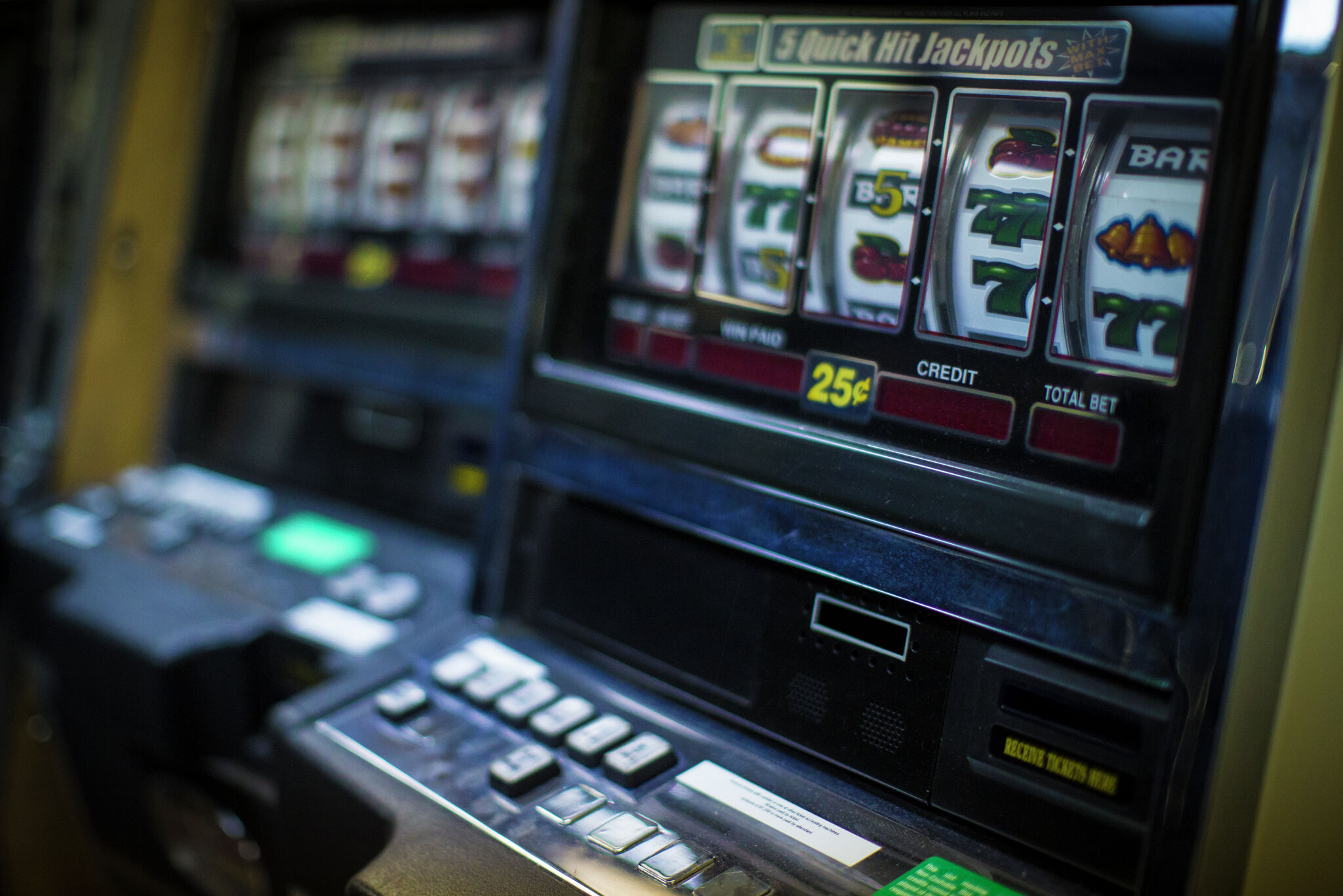
Conclusion: Slot Machines Remain Largely Out of Reach in Texas
In conclusion, the question “Are slot machines legal in Texas?” can be answered with a resounding “largely no.” The Lone Star State maintains a firm stance against traditional casino-style gambling, with slot machines being explicitly prohibited as illegal contraband. While the Texas Lottery and pari-mutuel racing offer legal betting avenues, they do not replicate the experience of playing a slot machine.
For those who wish to spin the reels and try their luck on electronic gaming devices, the most viable options involve venturing out of state to neighboring Louisiana or Oklahoma, or embarking on a casino cruise from a Texas port. Understanding these legal distinctions is crucial for anyone planning a trip to Texas and hoping to engage in gaming activities, ensuring that their travel experiences align with the state’s laws and regulations. The allure of the slot machine remains, but for now, the Texas landscape requires a detour to experience it.
LifeOutOfTheBox is a participant in the Amazon Services LLC Associates Program, an affiliate advertising program designed to provide a means for sites to earn advertising fees by advertising and linking to Amazon.com. Amazon, the Amazon logo, AmazonSupply, and the AmazonSupply logo are trademarks of Amazon.com, Inc. or its affiliates. As an Amazon Associate we earn affiliate commissions from qualifying purchases.